Ten Stories from Satoyama3. Textiles
Creating new value in traditional textiles
through design
Niigata has a long and distinguished weaving tradition. In 2013, washoku, Japan’s traditional food culture, made headlines when it was inscribed on UNESCO’s Intangible Cultural Heritage list. Four years earlier, in 2009, Ojiya-chijimi and Echigo-jofu textiles had already received that recognition.
The reasons were their history and craftsmanship. The stems of the ramie plant are split into fine fibres to make thread; the skill involved in producing that thread is essential to weaving cloth of exceptional lightness and quality. Ramie weaving has flourished in Niigata, particularly in the mountain areas between Uonuma and Kubiki, for well over a thousand years. Textiles from Echigo, the old name for Niigata, are even preserved in the Shosoin imperial repository in Nara.
Satoyama Jujo stands in Shiozawa, a former town now part of Minamiuonuma, where Echigo-jofu is woven. Its UNESCO recognition remains so little known that I sometimes wonder whether the local authorities could do more to publicise it. Whatever the reason, the quality of Niigata’s textiles is beyond doubt, as their history makes clear.
Echigo’s weaving traditions extend beyond ramie. Silk weaving developed in the same mountain districts, while cotton weaving flourished on the plains around Mitsuke, Kameda, Kamo and Nagaoka. Until the end of the Edo period, the Kitamaebune shipping routes on the Sea of Japan carried goods much as the Tomei Expressway does today. The Shinano, Japan’s longest river, flows through the heart of Uonuma. Fine ramie and silk cloth travelled downstream in small boats before being shipped around the country, or went overland to Edo, present-day Tokyo.
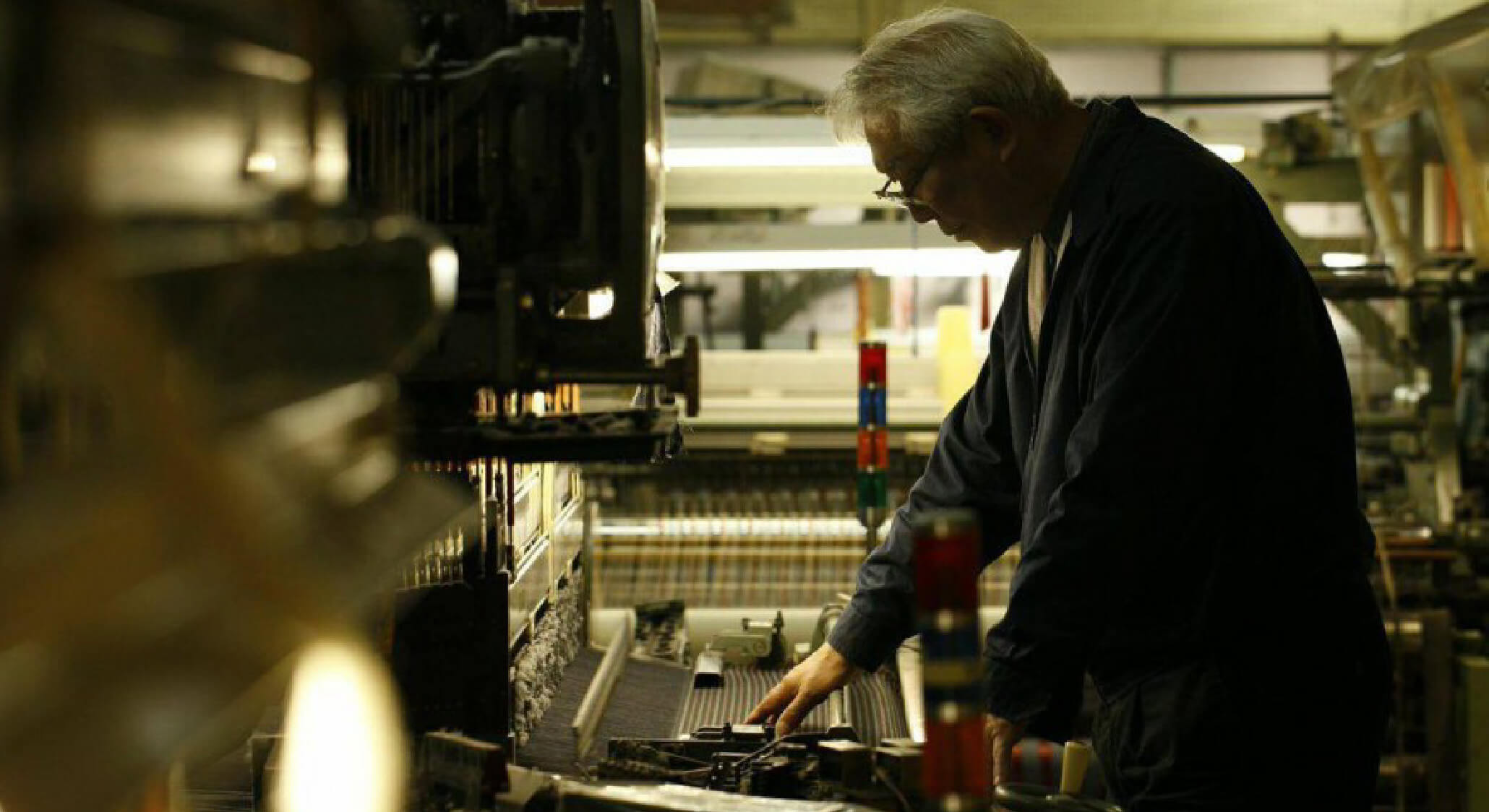
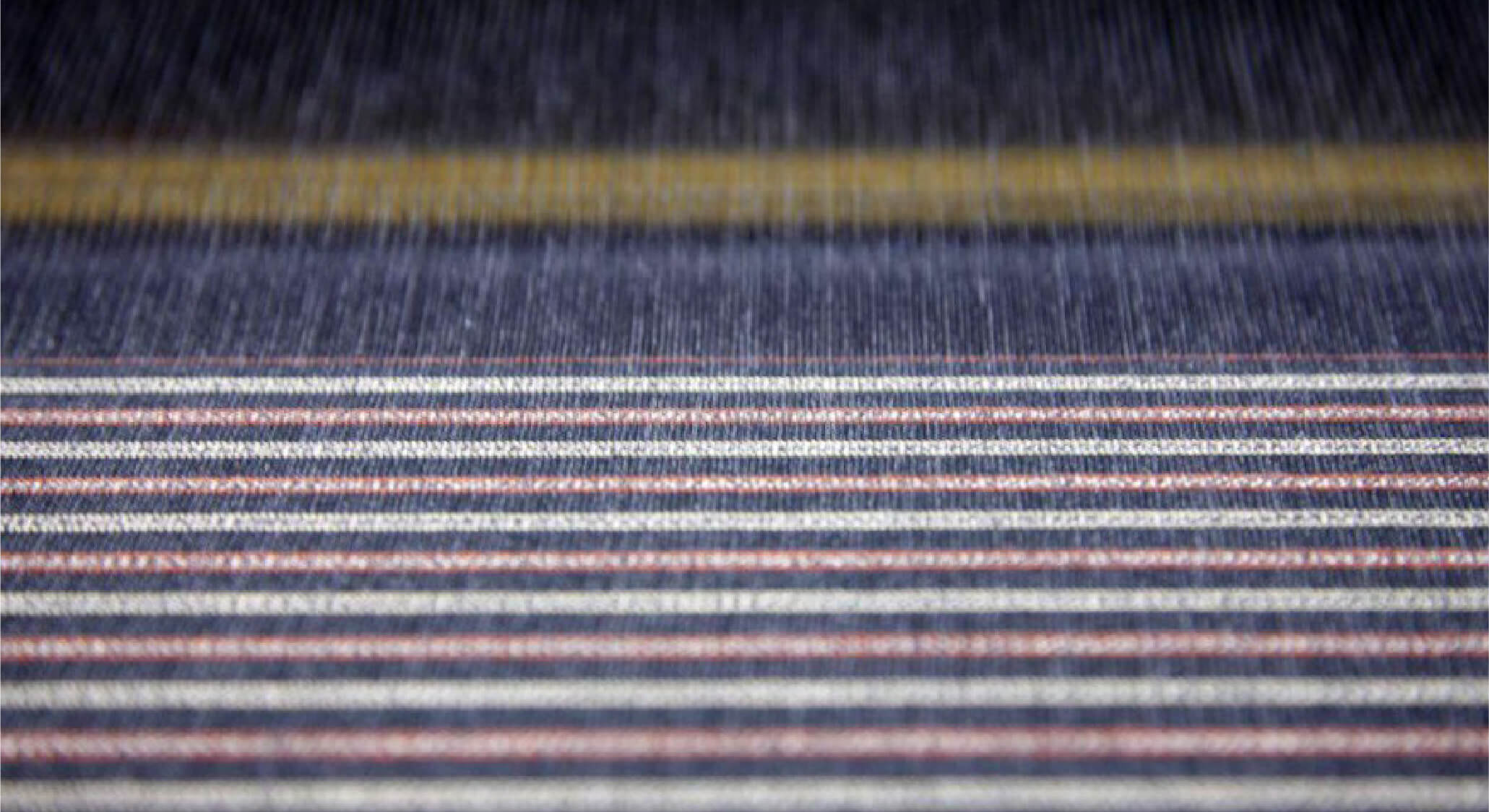
Cotton cloth, by contrast, was mostly woven for the weavers’ own households. Kameda-jima, made since the early 1700s, is said to have begun as cloth that farmers wove from their own cotton yarn for work clothes. Its stripes are the familiar pattern of monpe, traditional work trousers. Above all, the cloth is hard-wearing.
Today, even these long-established traditions face an uncertain future. UNESCO-listed Echigo-jofu has few people ready to carry on the craft. Cotton weaving, exposed to international price competition, is under still greater pressure.
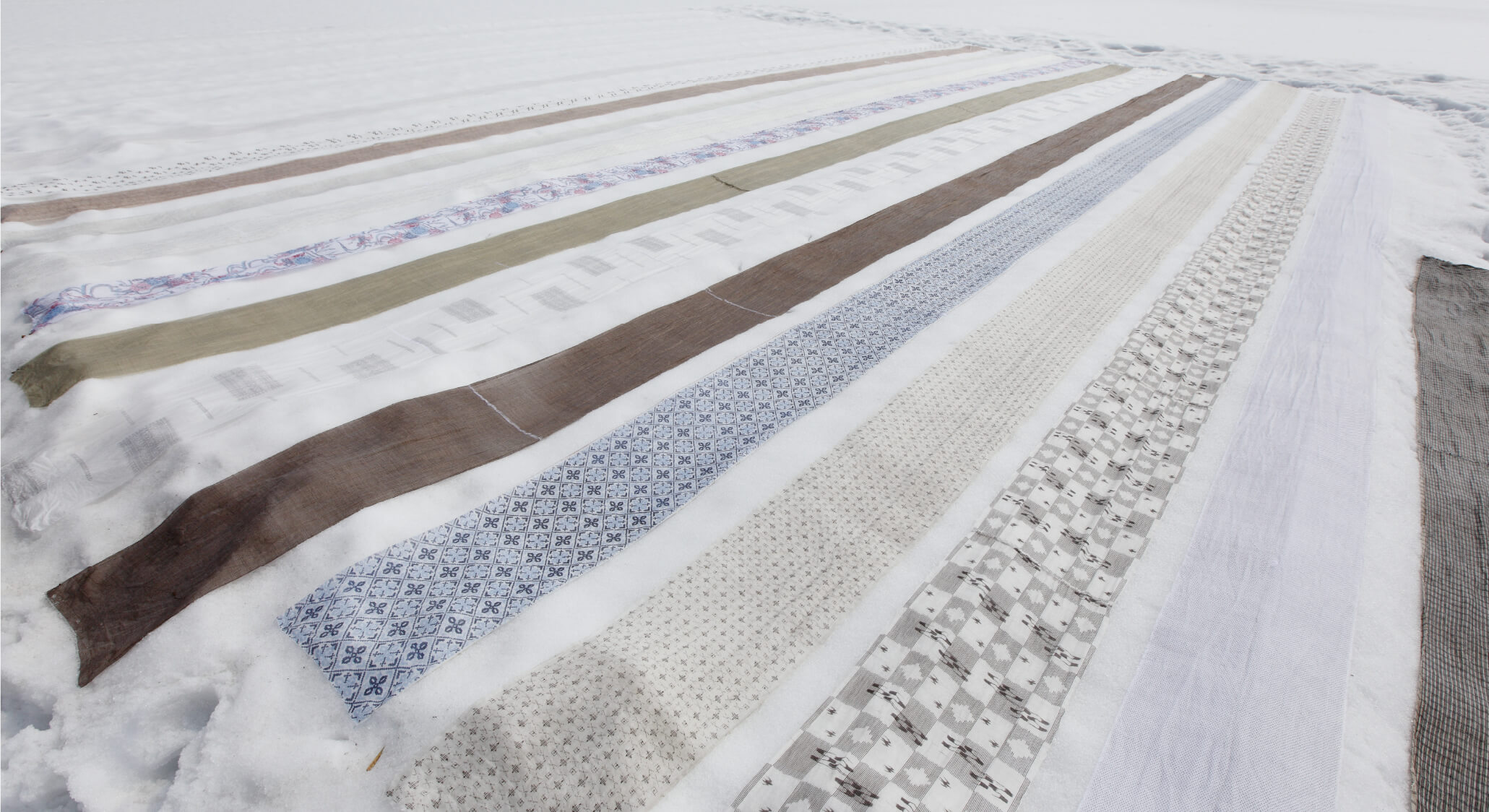
To explore new possibilities for Echigo’s textiles, we are working with the textile research laboratory at Musashino Art University. Samples combine everyday Kameda-jima weaving with organic cotton and newly designed contemporary stripes. We are designing products alongside the cloth itself. Once the products are ready, guests will be able to experience them at Satoyama Jujo. We are beginning with affordable cotton textiles, but hope eventually to work with Echigo-jofu as well.
There is another important point: the project is funded entirely by Satoyama Jujo. Projects of this kind usually begin with a grant, subsidy or sponsor. We have started with our own money. People often ask whether it will be profitable. Honestly, that was not what we were thinking about when we began. They also ask why we are doing it. The best answer I can give is that Satoyama Jujo is a medium for sharing ideas through first-hand experience. We will need sponsors in the future, but we believe that can wait until the project has begun to take shape.
We have seen too many projects change direction to qualify for grants, or lose sight of their finances and eventually stall. Those who have followed us since the launch of Jiyujin magazine or the opening of Satoyama Jujo may recognise our approach: act before worrying, and begin by doing the work.
Publishing, food and hotels may look like very different businesses. For us, each is a medium through which we can show people new ways of finding value. By giving people something they can experience for themselves, we hope to introduce them to things they might not otherwise have appreciated.
Ten Stories from Satoyama