Our Tableware
Uonuma may seem like a remote place isolated by snow, but it has in fact been a prosperous region since the Edo period. Niigata Port was the largest port of call for the Kitamaebune trading ships that sailed along Japan’s coast. Small boats travelling up the Shinano River, Japan’s longest river, carried large quantities of Imari porcelain shipped from Karatsu in Kyushu. Boats heading downstream carried fine local textiles such as Echigo Jofu and Ojiya Chijimi.
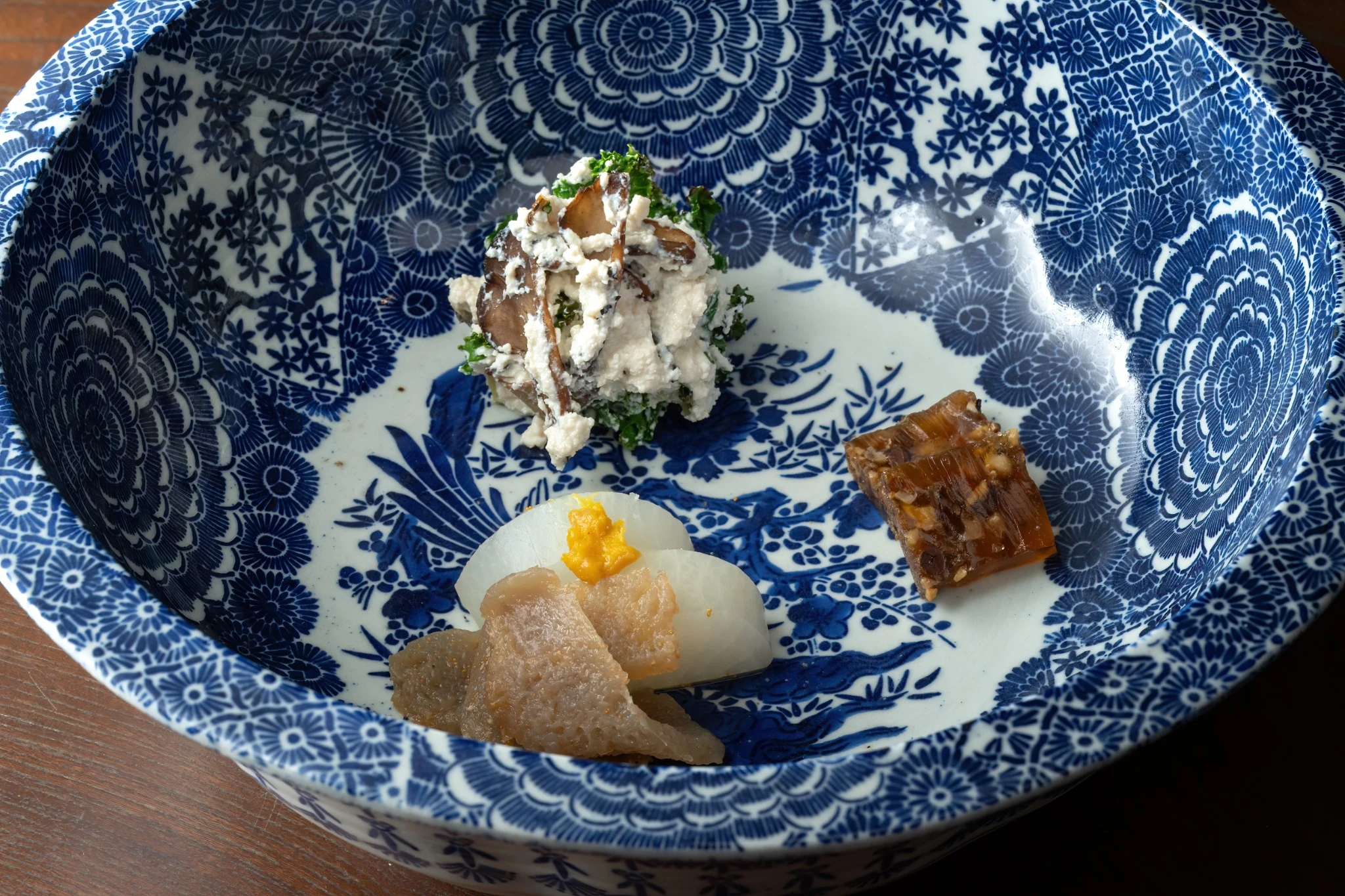
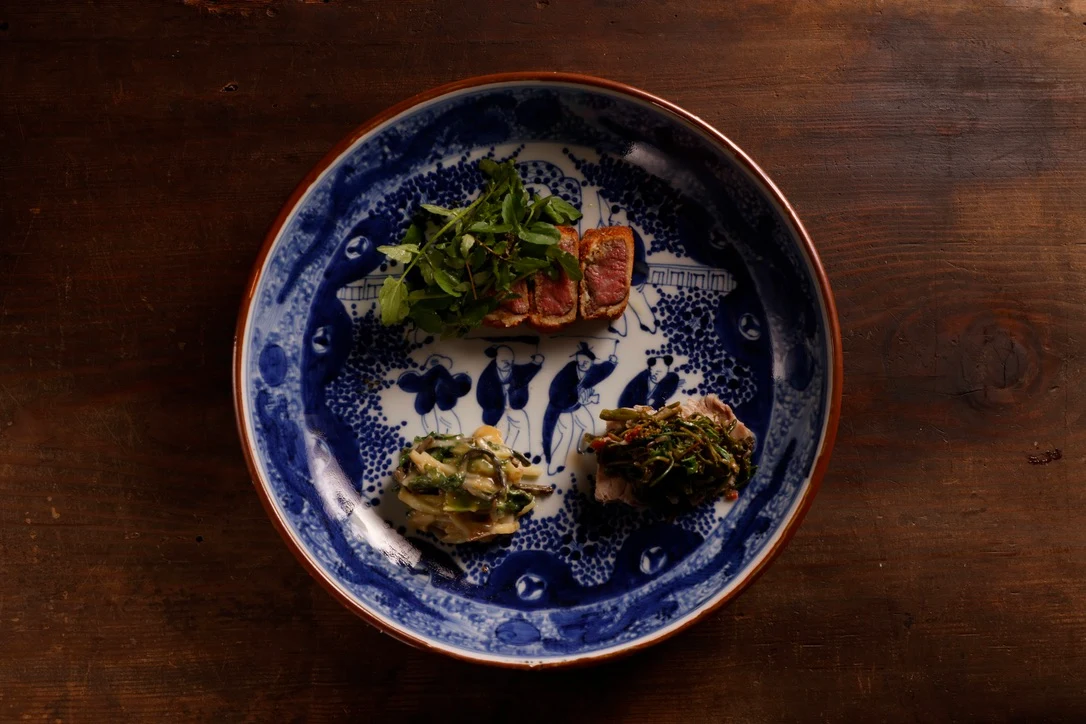
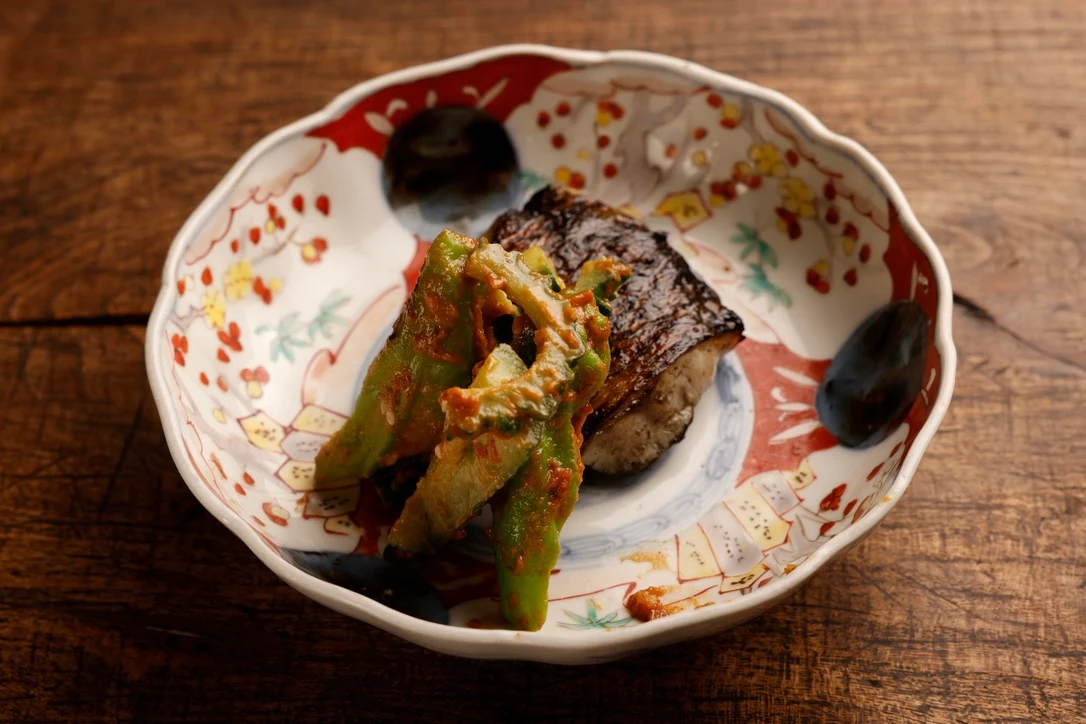
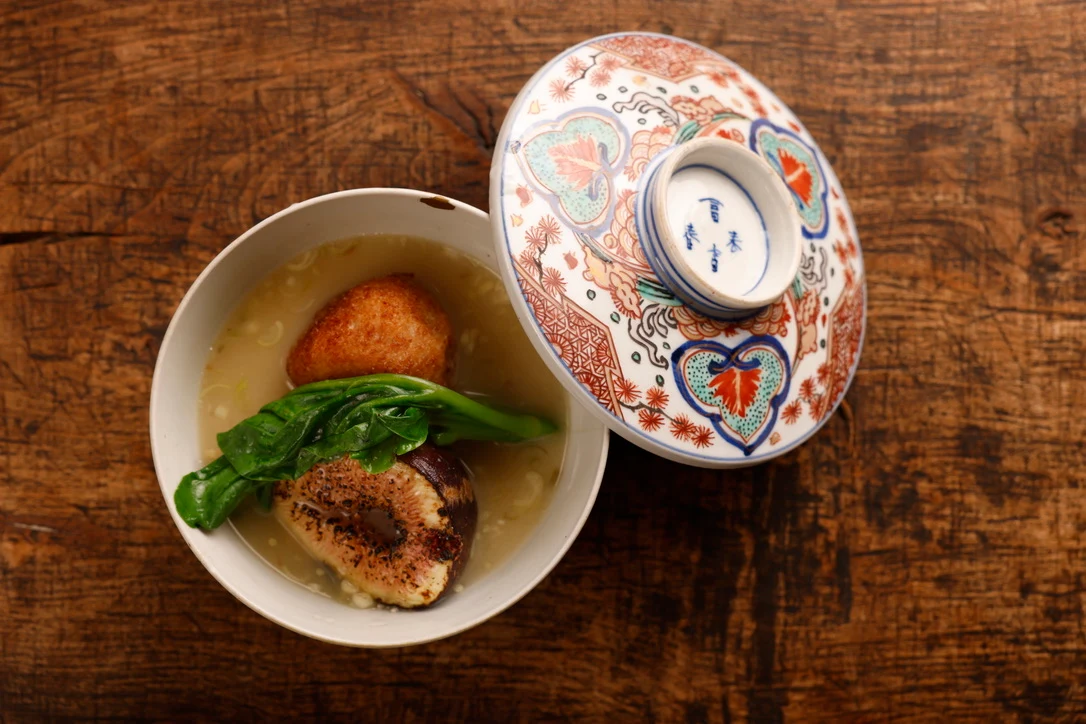
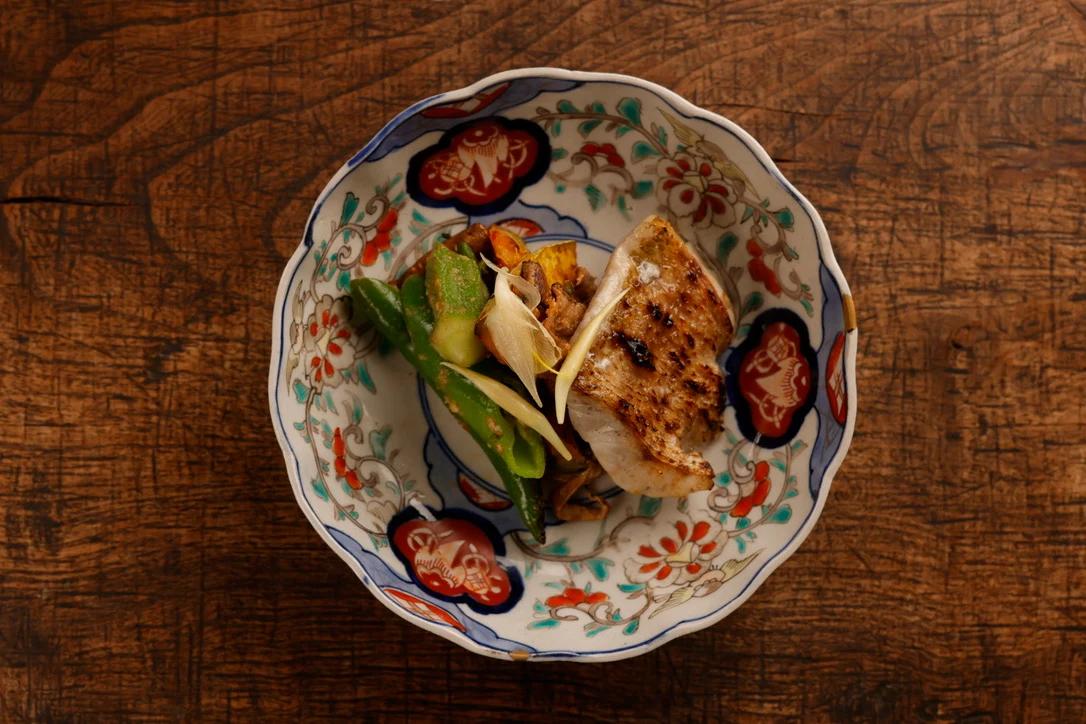
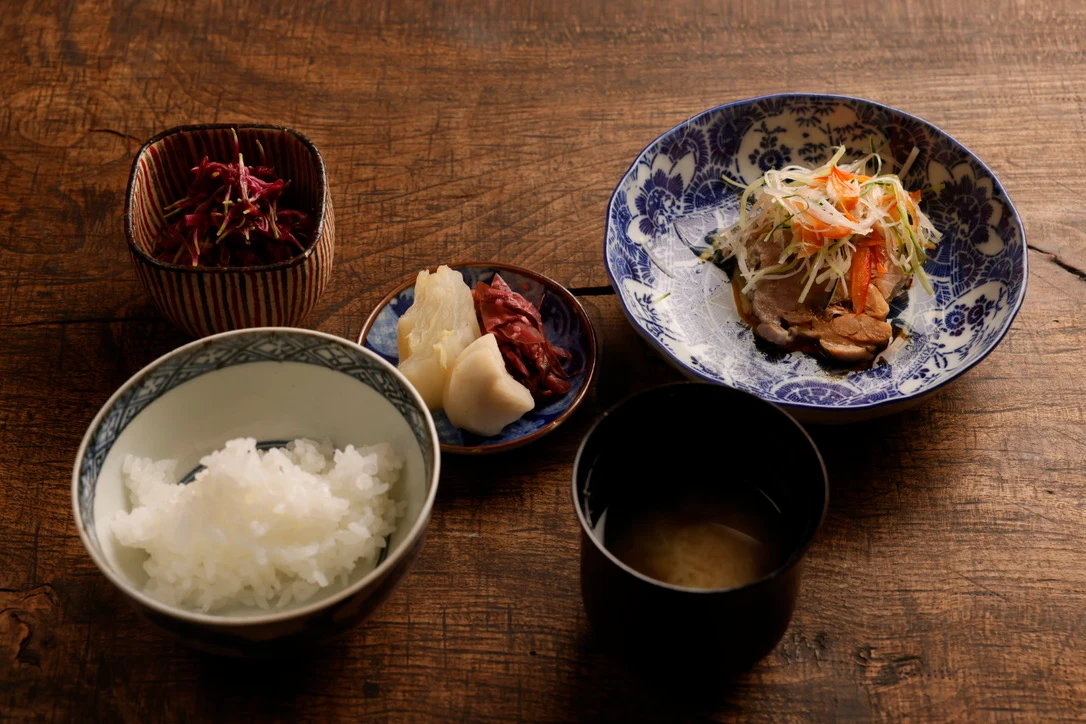
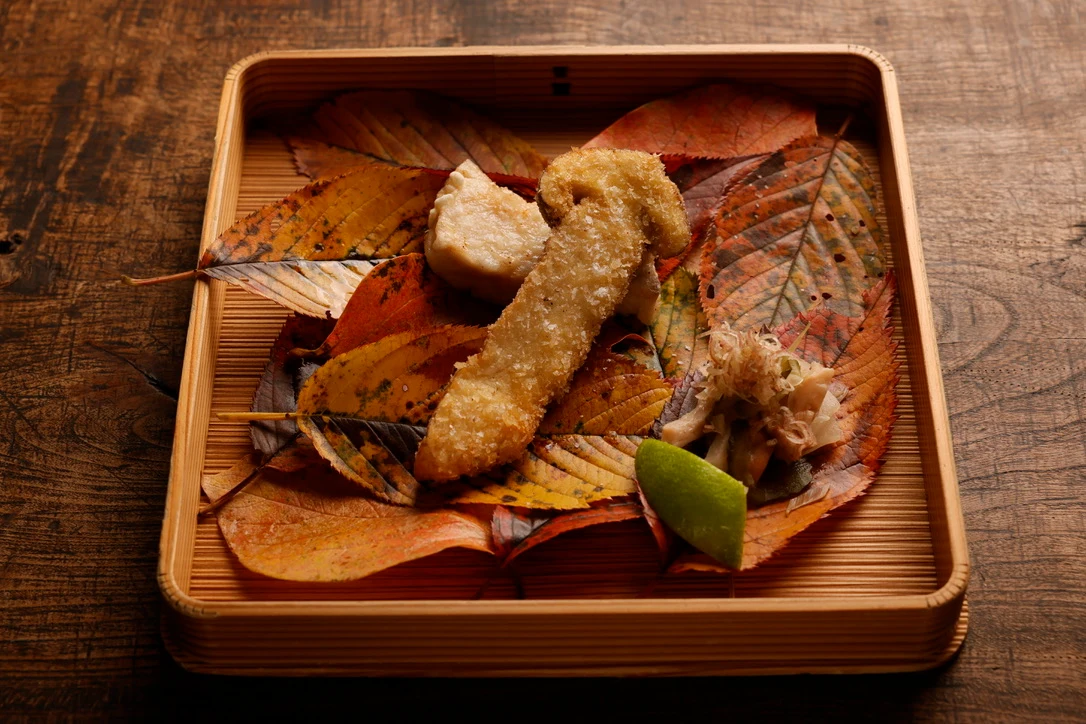
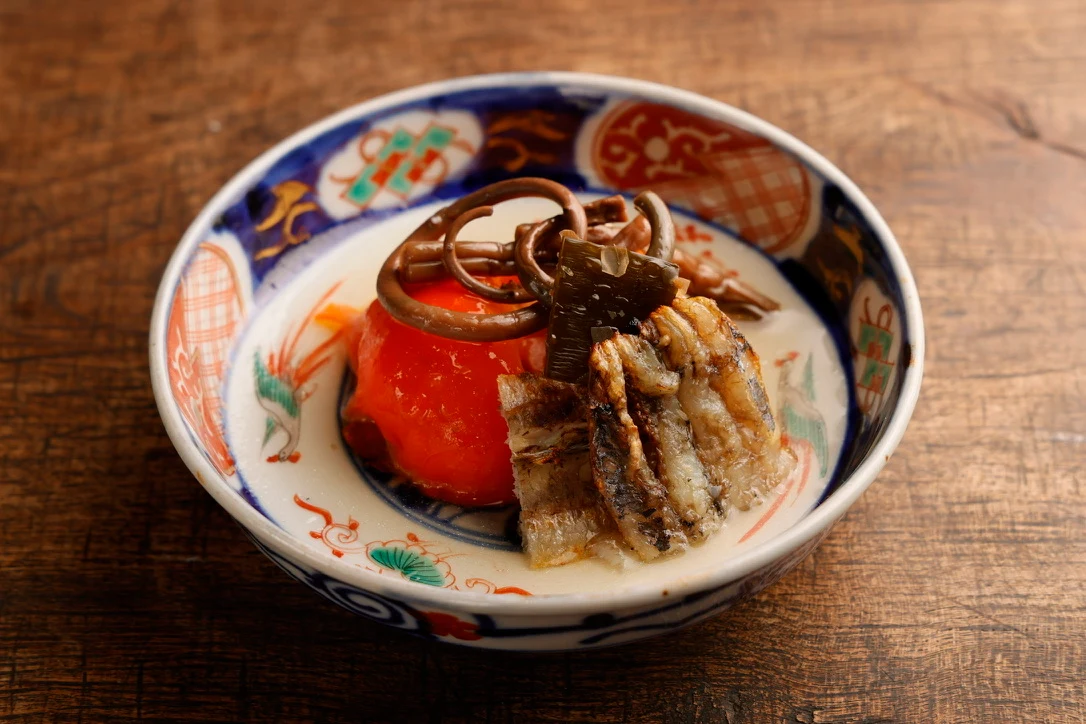
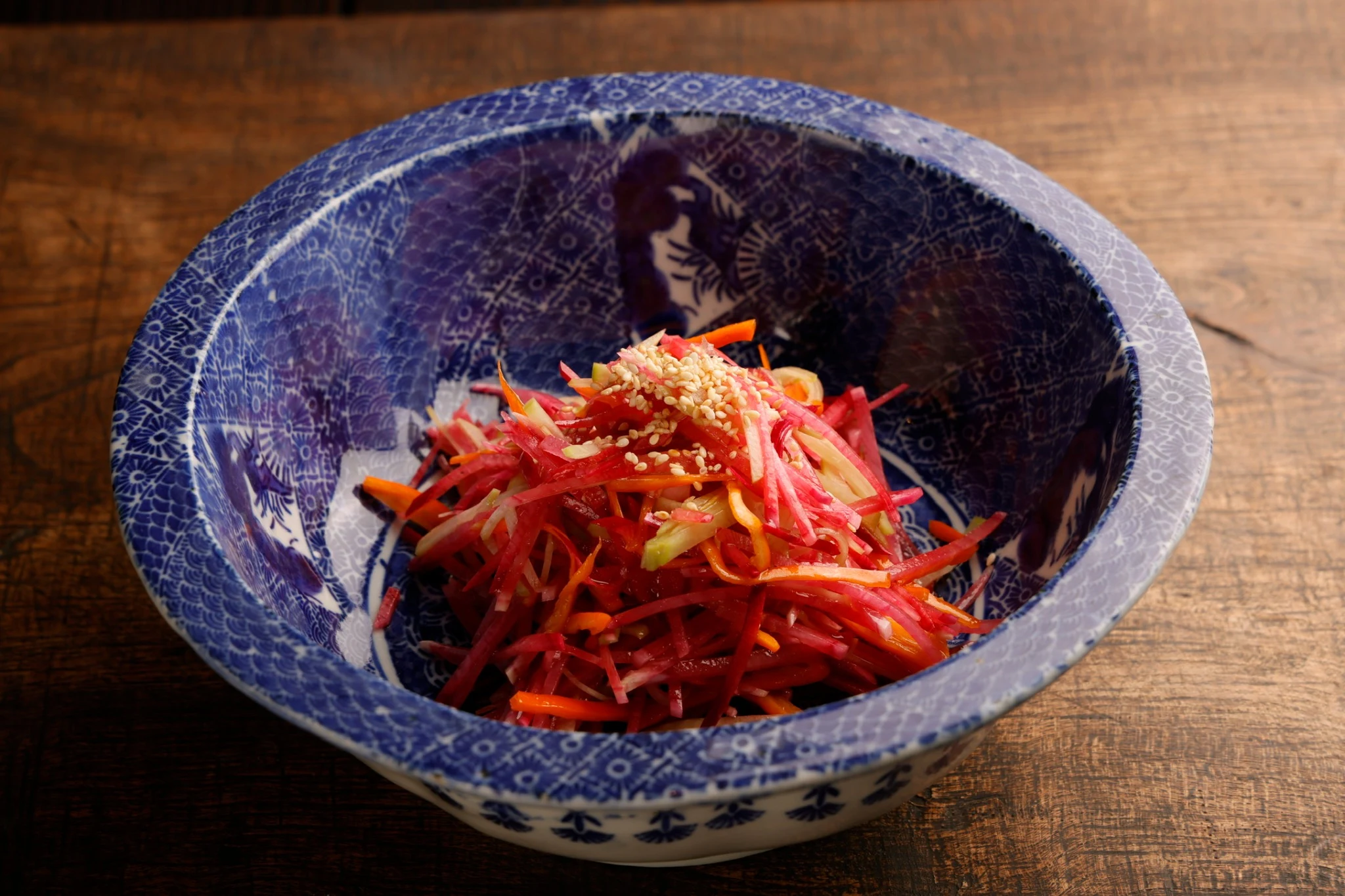
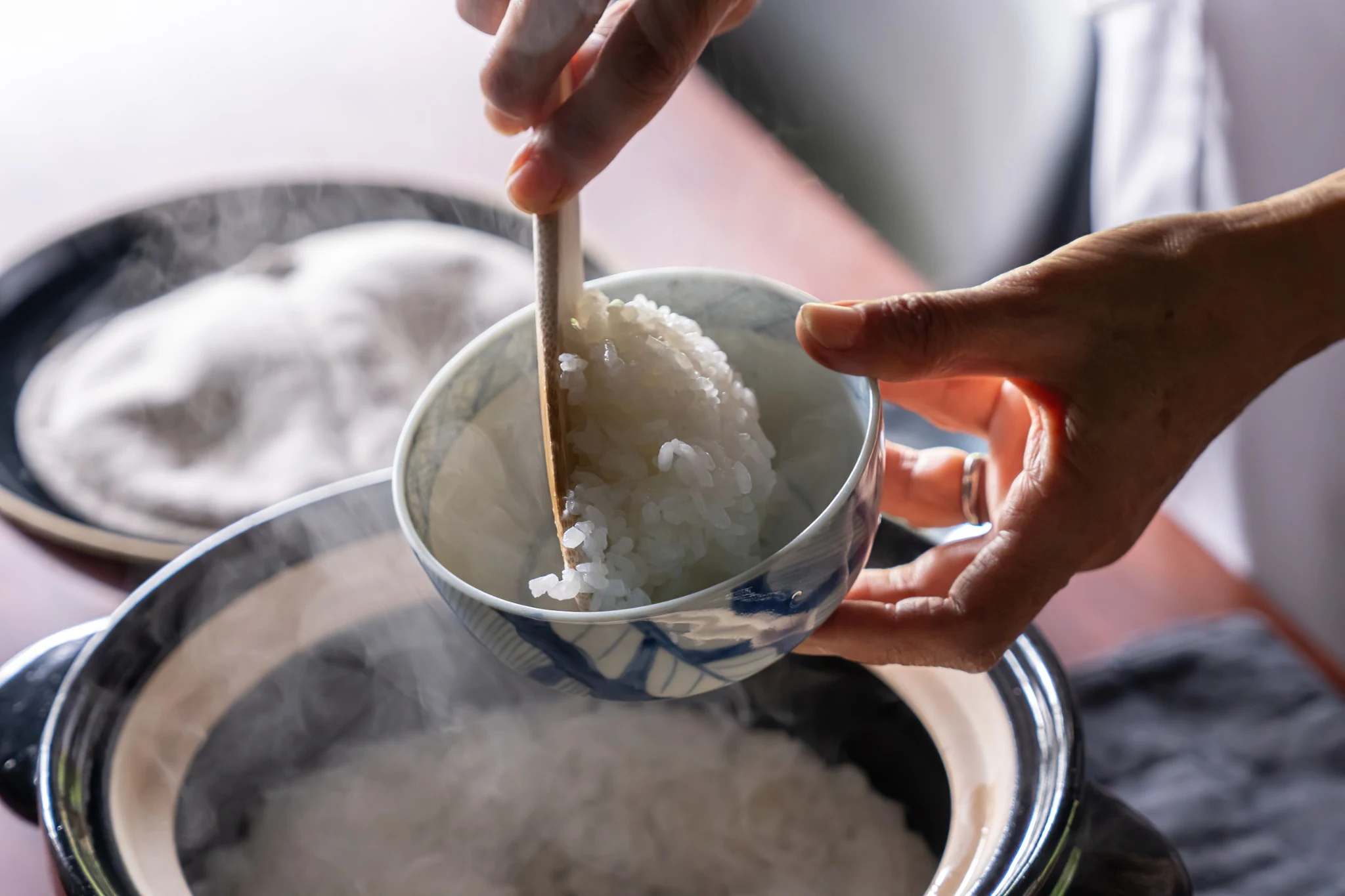
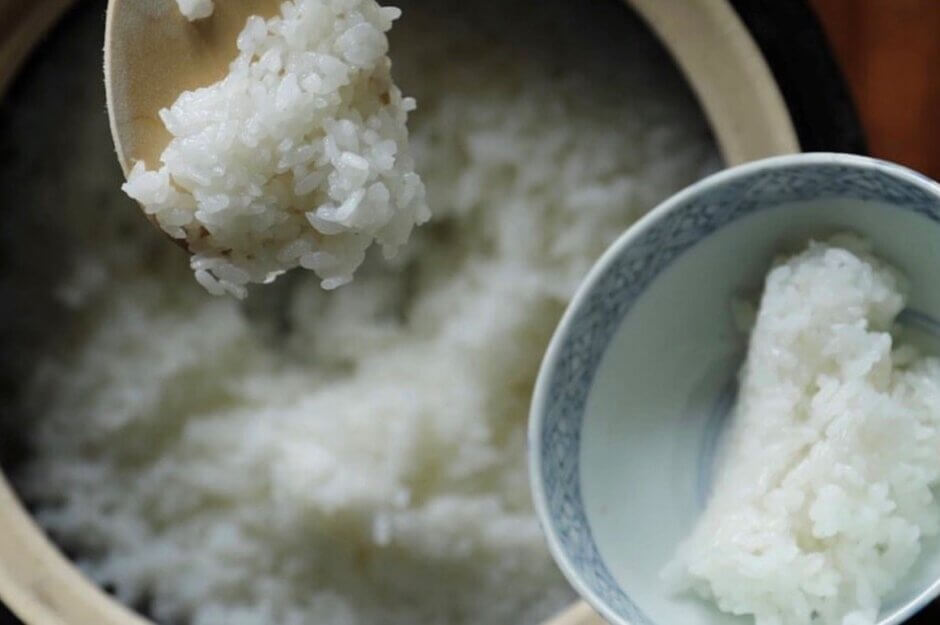
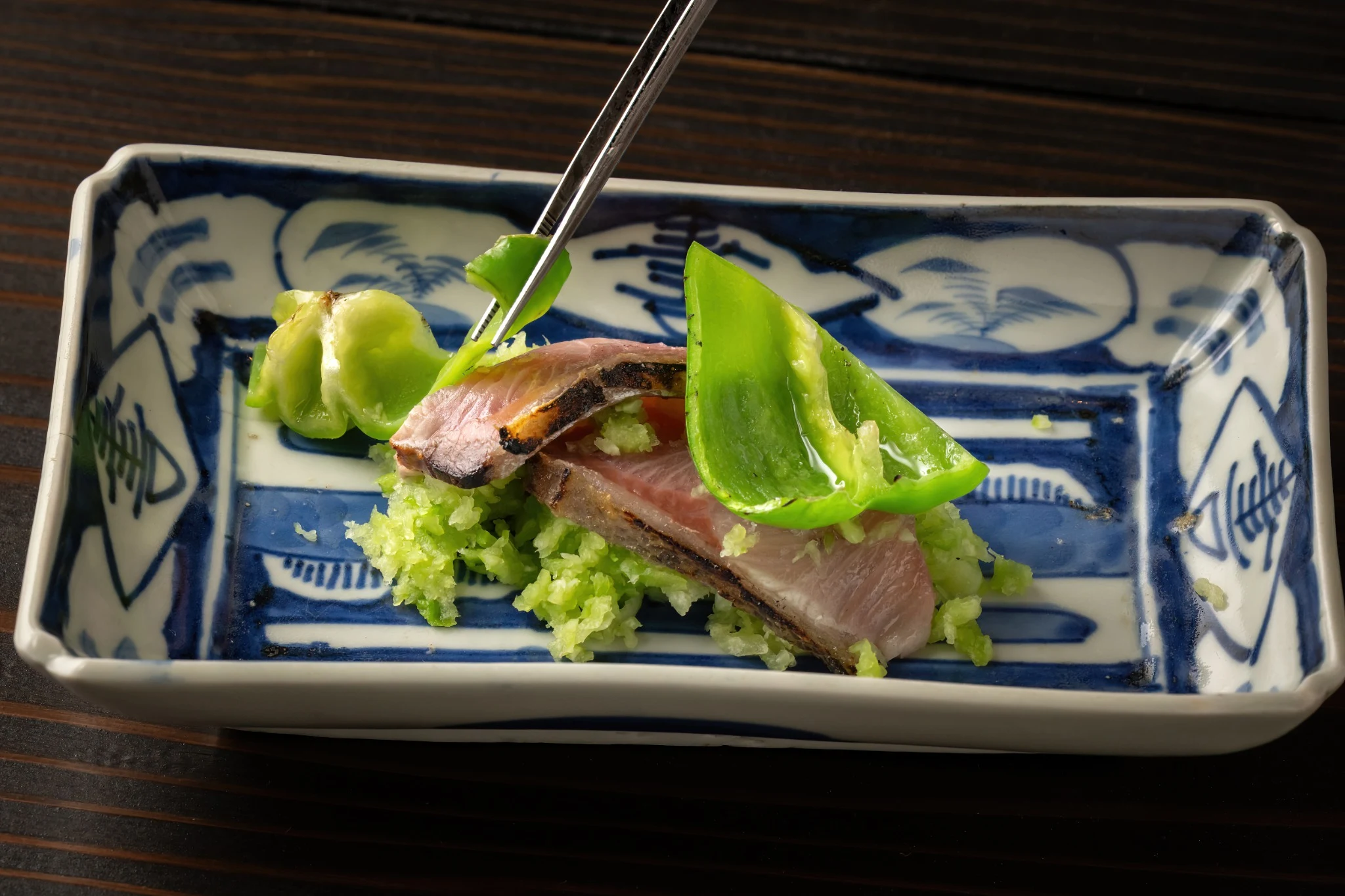
Even today, many antiques brought by those trading ships emerge from the storehouses of wealthy merchant families known as dannashu. Their tableware was brought out only for celebrations such as weddings and house-building ceremonies, then carefully stored in wooden boxes. At SANABURI, we use antique pieces from the late Edo and Meiji periods—the same era in which this building was constructed—including richly decorated nishikide porcelain and transfer-printed Imari ware.
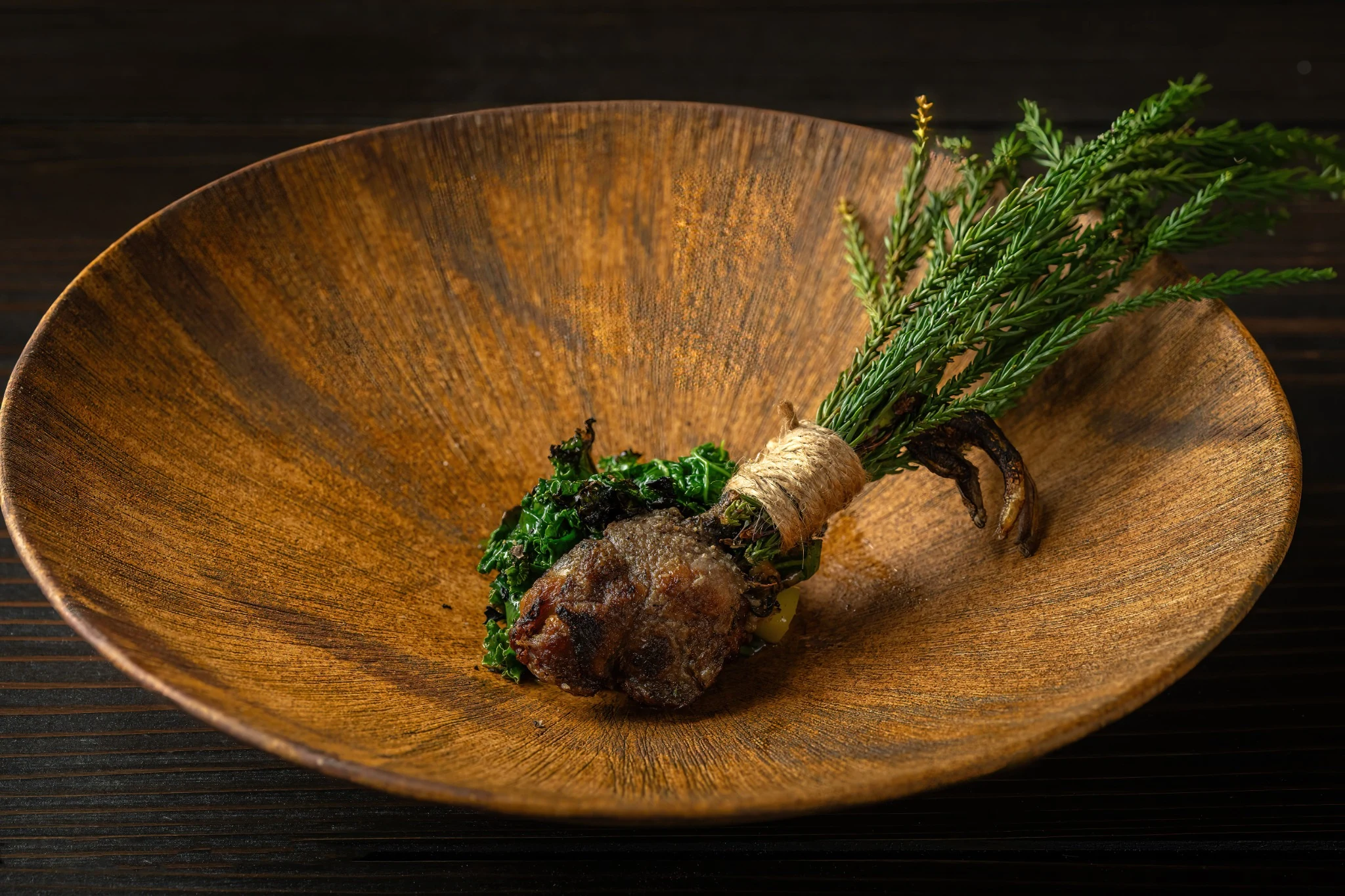
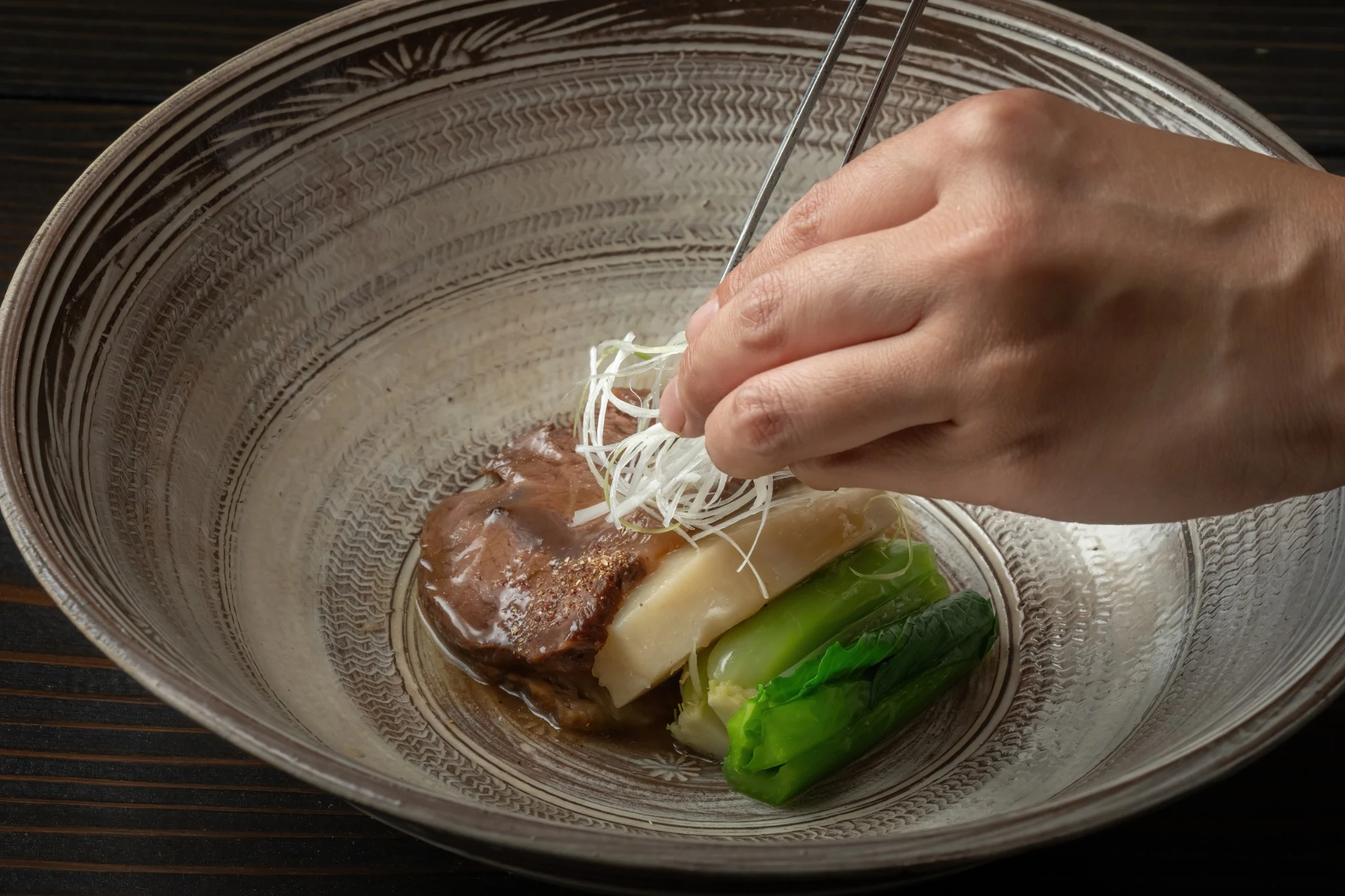
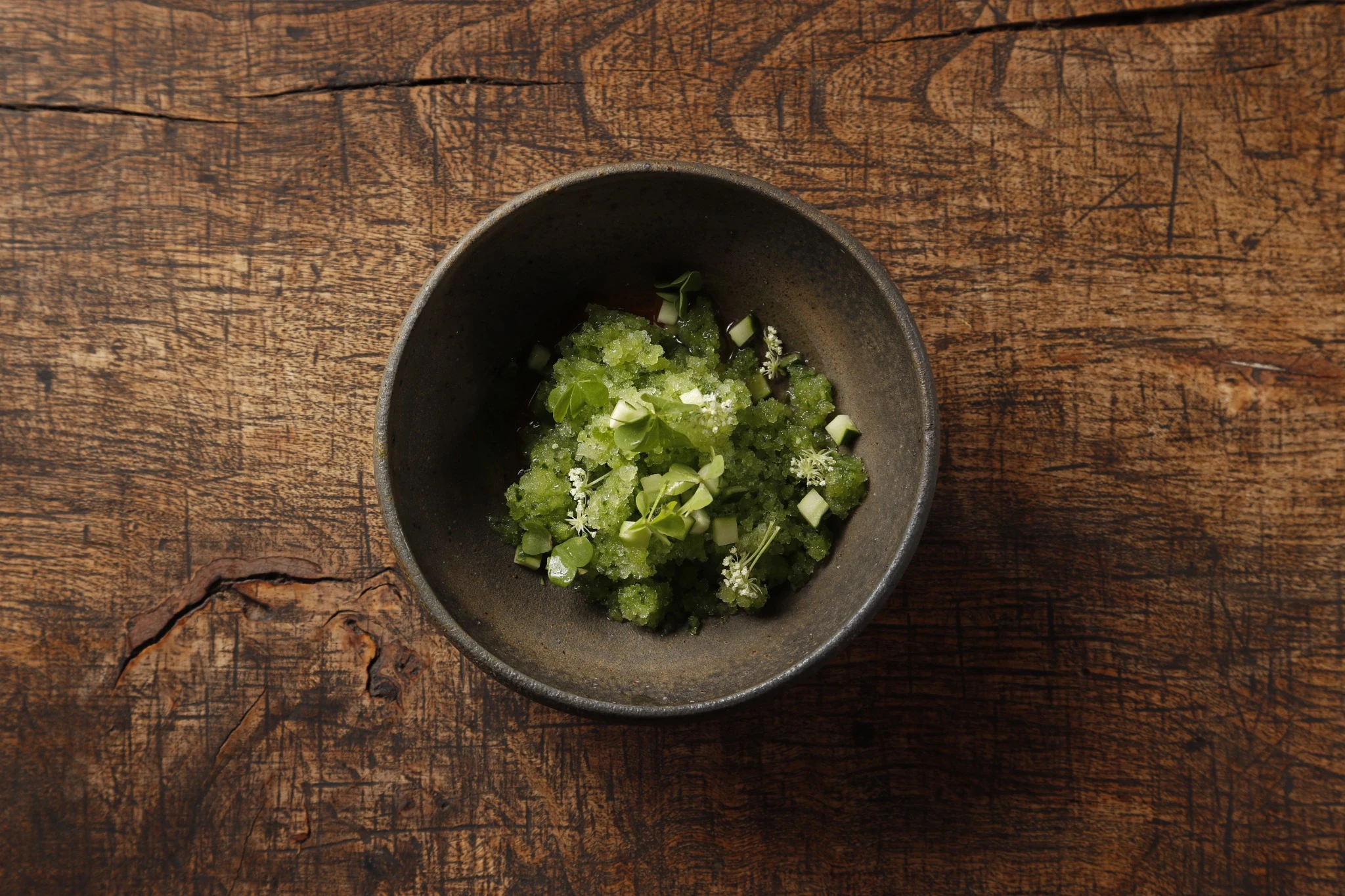
Alongside these antiques, we also use pieces by contemporary makers, driftwood and slices of timber. Enjoy the conversation between old and new.