Ten Stories from Satoyama5. Environment
Without taking things to extremes.
Balancing comfort with care for nature.
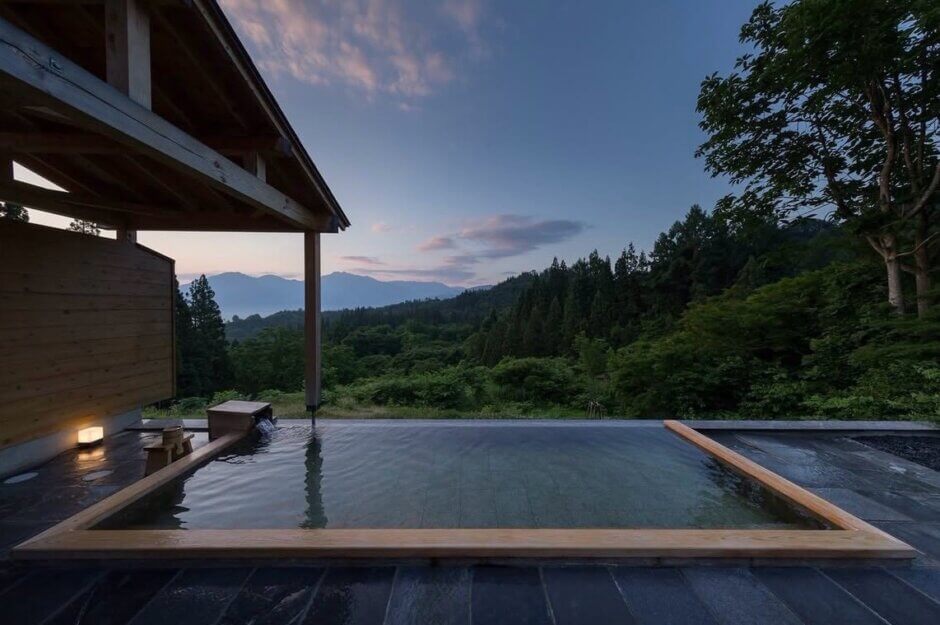
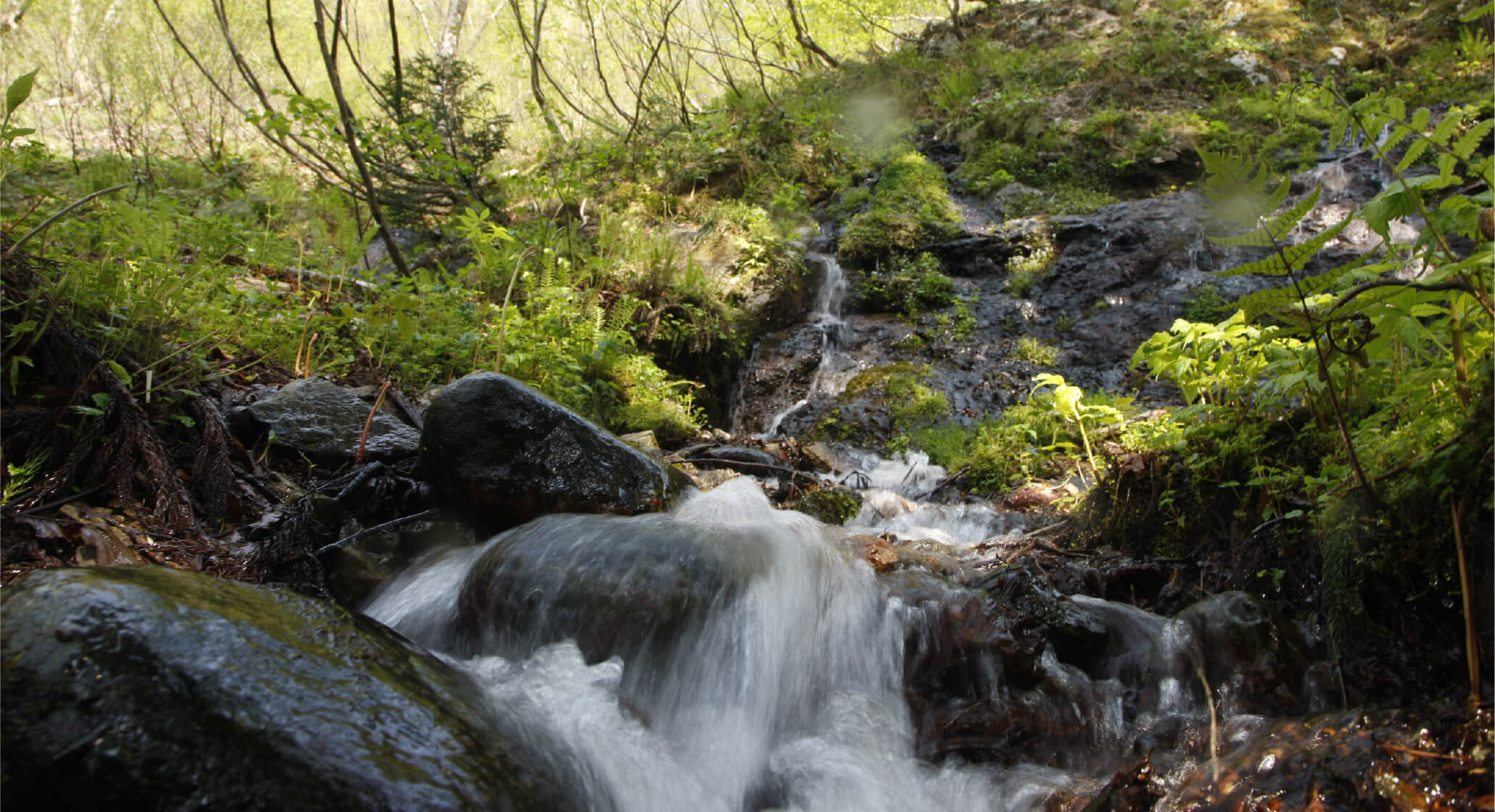
Living in harmony with nature is easy to say, but difficult to put into practice in modern life. Even a retreat to the mountains would not settle the question. How much are we shaping the world to suit ourselves, and where should we draw the line? We could spend a lifetime looking for an answer. Running a business makes the question still more difficult, and the discussion could go on forever. For us, the most honest answer is balance.
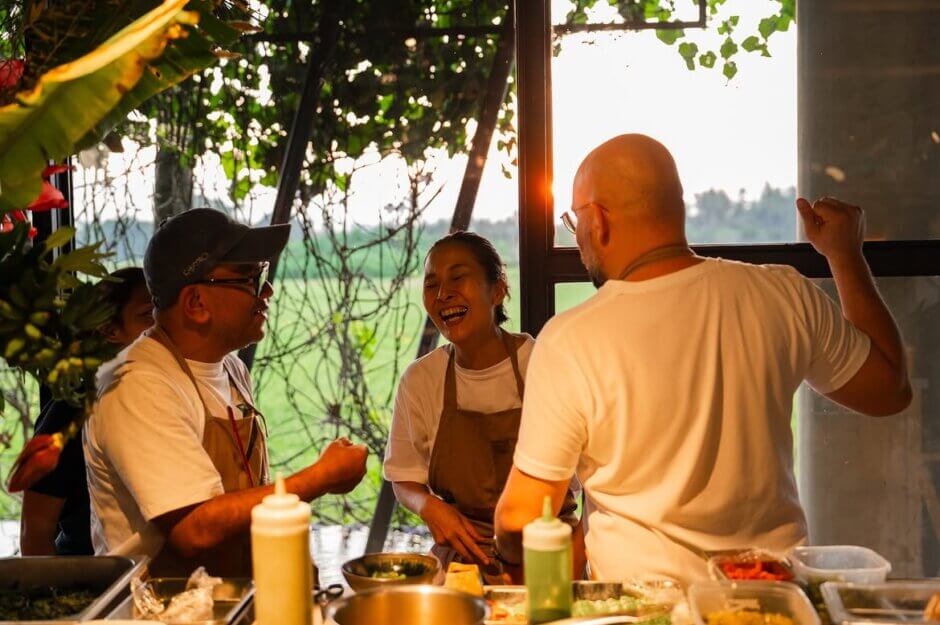
Meals at Satoyama Jujo are one example: mainly vegetables, with just a little meat and fish. This reflects the traditional Japanese diet, while also taking the environment into account.
Take toiletries. Asking guests to bring everything themselves might be the most environmentally conscious choice, but it would also make a stay rather austere. We keep hard-to-recycle items such as razors simple, while providing the essentials. For shampoo, body wash and skin lotion, we choose additive-free formulations with care for both people and the environment. Our bath towels and face towels are organic cotton, and you are welcome to take a face towel home if you like it.
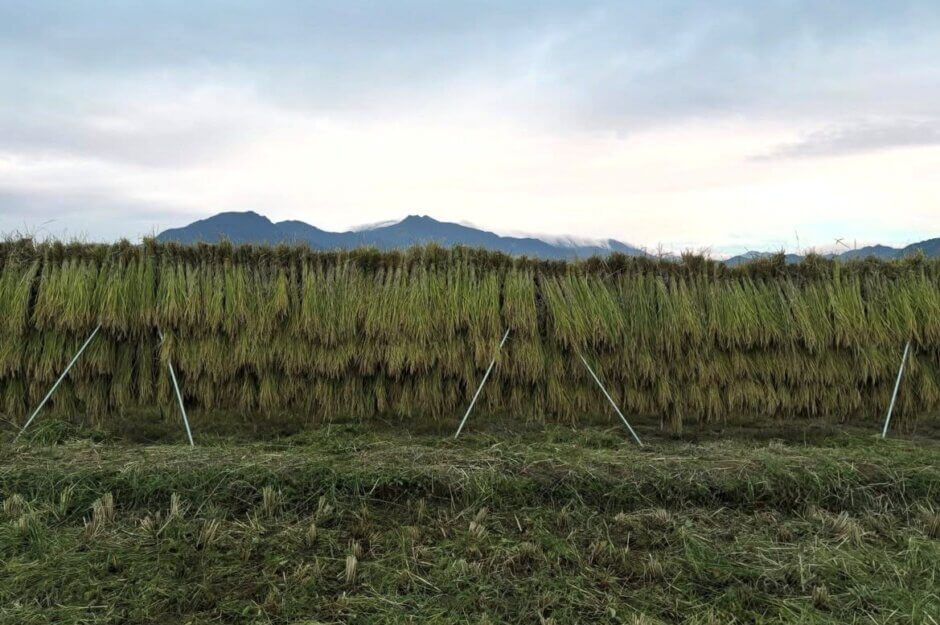
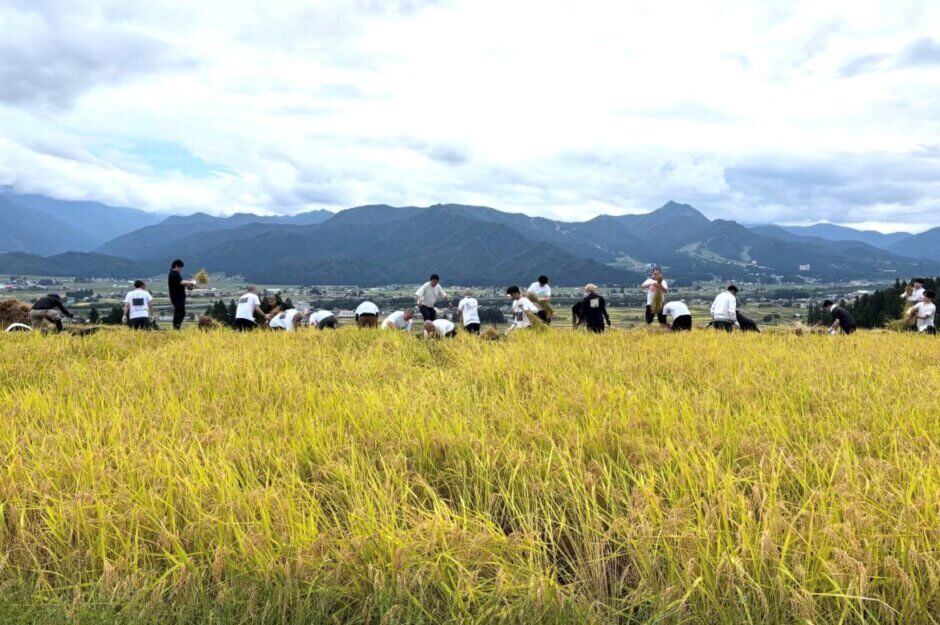
Unlike many hot-spring inns, we do not offer an unlimited supply of fresh towels. Instead, every room has a towel warmer. Some guests say they would prefer unlimited towels to organic cotton. But we are in Uonuma, Japan’s premier rice-growing region, where water is vital. We want to reduce washing as much as we can, and ask for your understanding.
The same balance applies to buildings. Preserving an old house is important, but sacrificing modern comfort would make life unnecessarily austere. Guests cannot relax if a renovated building is cold. Energy efficiency is therefore our first consideration: we design from the structure outwards, rather than simply changing the way a building looks.
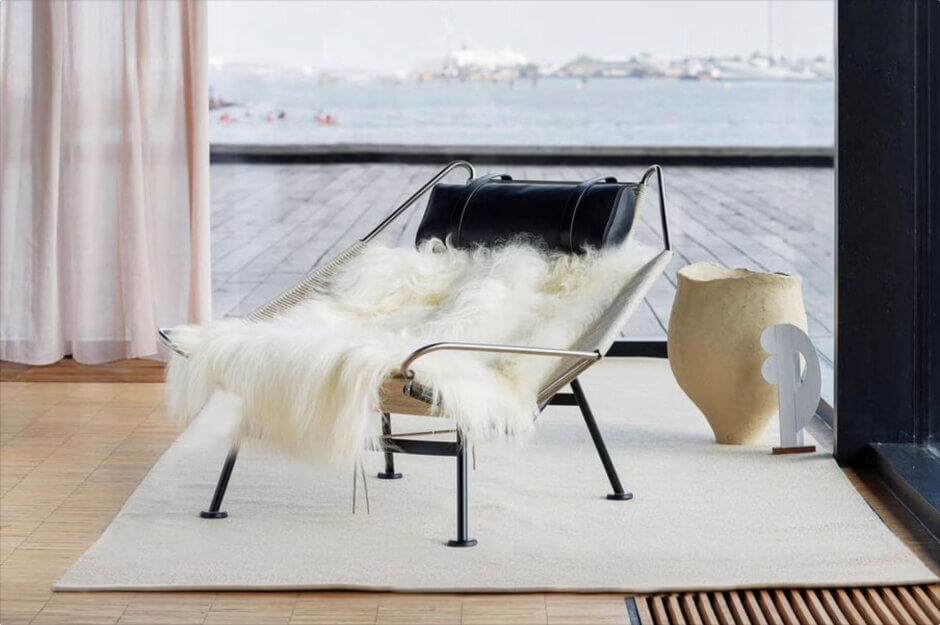
Furniture is another example. There is a reason so much of ours comes from Denmark. A seemingly similar piece might cost ¥2,980 in a discount shop and ¥100,000 elsewhere. But have you ever wondered how much of the inexpensive furniture sold around the world is made from illegally logged timber? In Japan, the cycle of planned planting and harvesting has broken down. In Denmark and other Nordic countries, managing that cycle remains an ordinary part of forestry. Alongside the quality of the furniture itself, consideration for the environment matters to us. That is one reason we choose Nordic furniture.
We ask similar questions about bedding. Have you ever wondered how the cheap down duvets sold in discount shops are produced? We’re not here to make a case for animal welfare, but there is a reason those prices are so low.
We could go on. By now, you may be thinking, “Enough already!” These are our questions to work through. Most of these decisions would pass unnoticed if you had not read this page, and we are happy for it to be that way. Too much austerity makes it hard to relax.
For us, living well with nature means finding a balance with comfort, without taking things to extremes. We see that judgement, too, as an important part of design.
Ten Stories from Satoyama