Ten Stories from Satoyama4. Agriculture
From the field to the table.
What does farming mean?
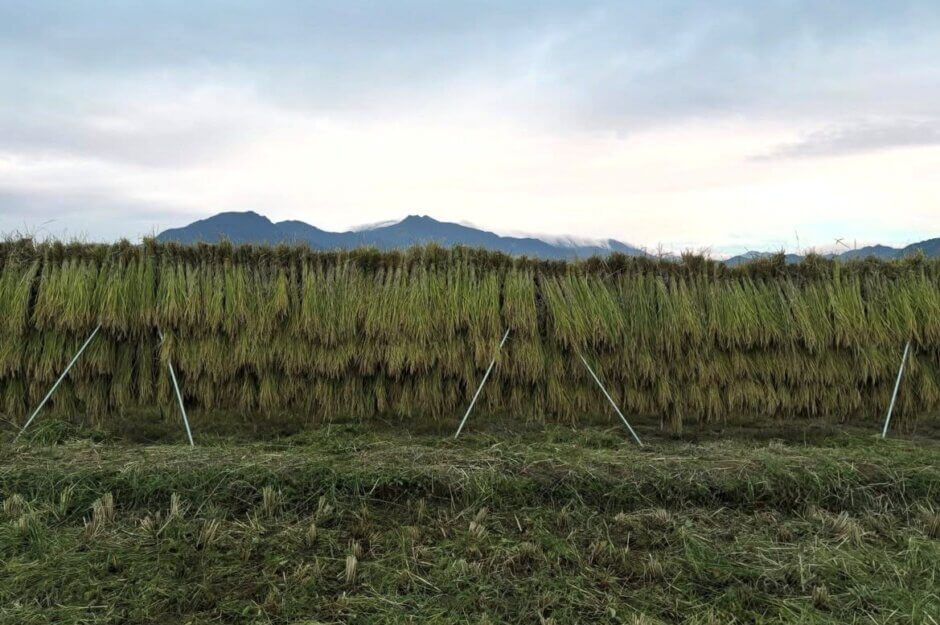
More than twenty years have passed since our company, Jiyujin, moved from Tokyo’s Nihonbashi district to Minamiuonuma in Niigata. We arrived in June 2004 with no previous connection to the region, for one reason: we wanted to learn about rice. At first, we expected to stay for two or three years. We soon realised that was nowhere near enough time to understand the different growing methods, and our stay grew longer, a year at a time.
In 2010, we established Jiyujin Farm as an agricultural production company. I describe our rice-growing experiences in a Japanese-language book published by Kodansha. Agriculture remains central to the reason we are here in Niigata.
In recent years, farming has become a more frequent topic of discussion across Japan: abandoned fields, successors to ageing farmers, environmental conservation and more. Much of the news is far from encouraging, but I believe it is a positive development that people living in cities, with no direct involvement in farming, are thinking about agriculture.
Taking television news or weekly magazines at face value, however, can lead us to misunderstand the underlying problems. I often hear people blame agricultural cooperatives, say that producers are too protected, or point to the lack of successors. To be honest, I see things somewhat differently.
The most pressing agricultural question is what to do about rice, Japan’s staple food. Yet rice consumption continues to fall. Surely the most important task is to encourage people to eat more of it.
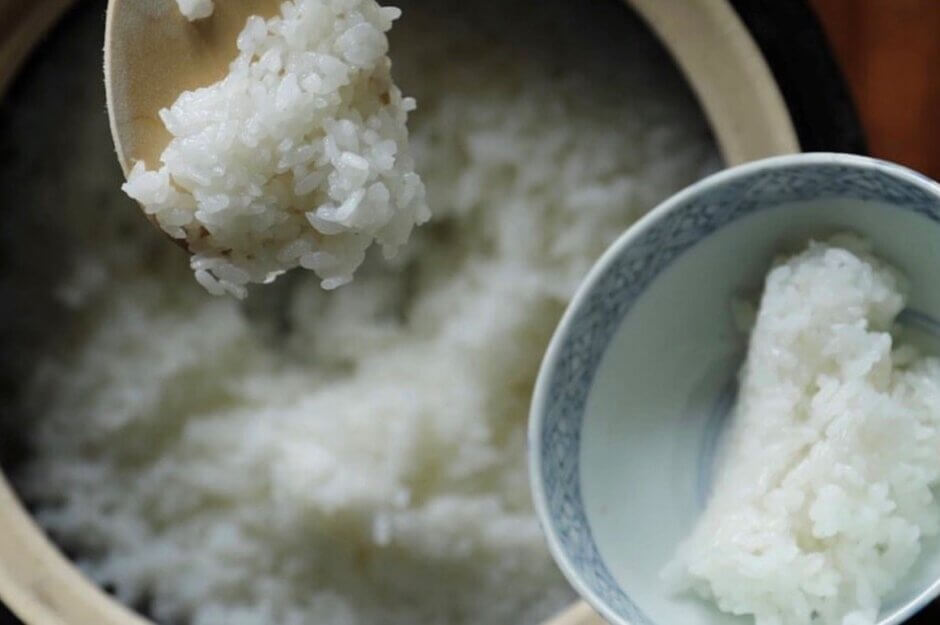
We believe that the most important contribution we can make is to help people discover how delicious rice can be, and to grow truly delicious rice.
Niigata is Japan’s leading rice-producing prefecture, and Uonuma produces the country’s most celebrated premium rice. People are eating more bread, pasta and other foods made with imported wheat flour. If we want rice to regain even a little ground at the table, we must compete on flavour. Rice flour and high-yielding varieties are much discussed, but I do not believe they alone can ultimately compete with imported wheat flour or imported rice.
Agricultural issues can seem daunting. What matters most to us is that our guests enjoy excellent rice. If that leads them to ask what makes it different from everyday rice, or how delicious rice could be grown on a larger scale, we may begin to find a way forward.
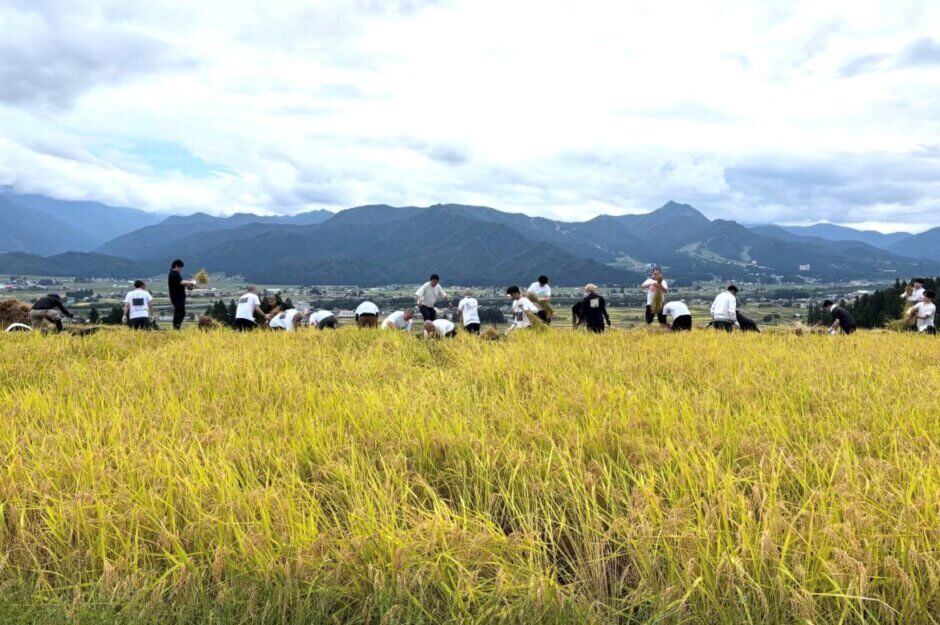
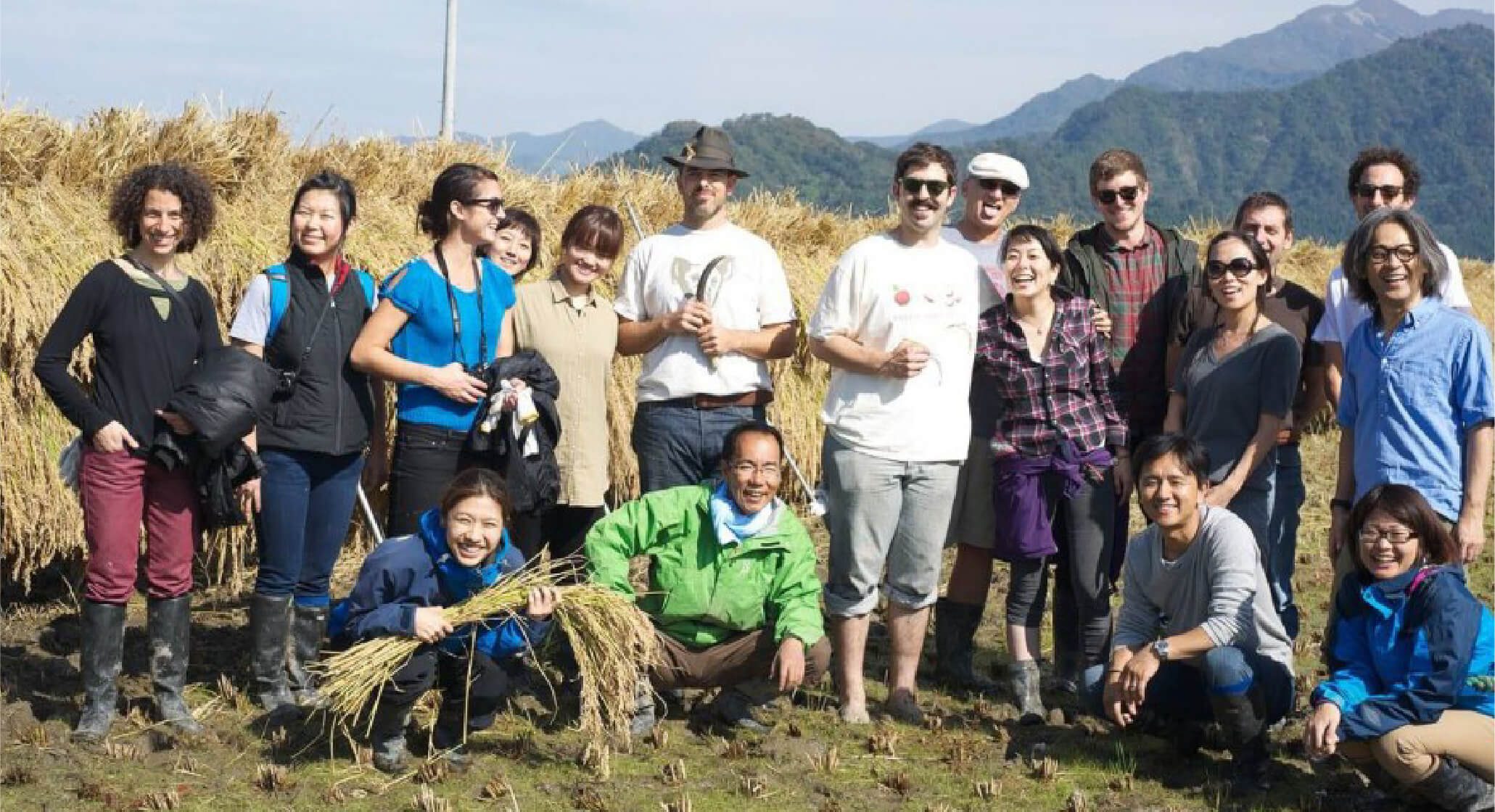
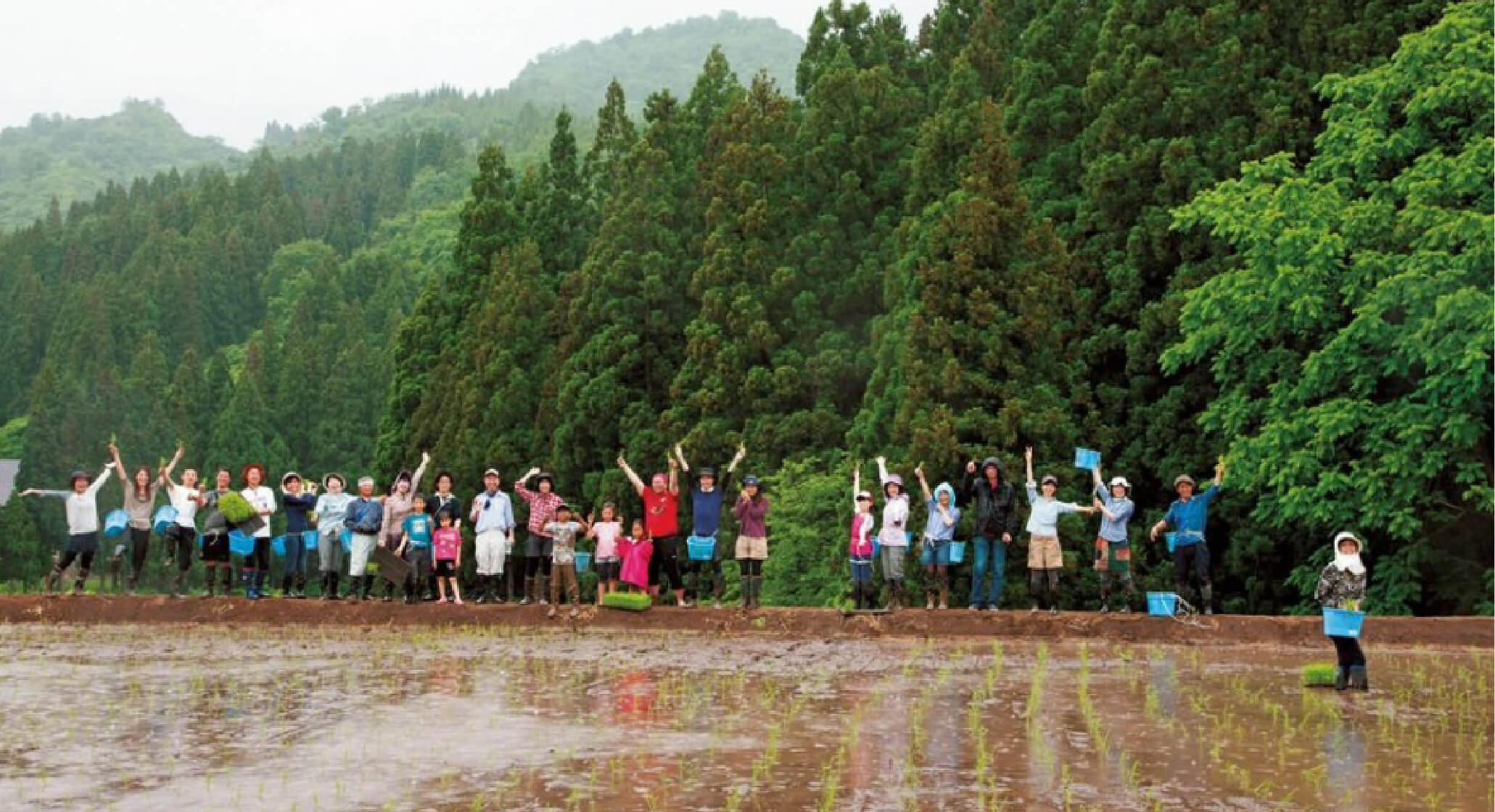
We also actively organise opportunities to experience farming every year. Alongside programmes open to the public, we support activities run by various organisations, including the nonprofit KIDS SAVER and FUUDO.
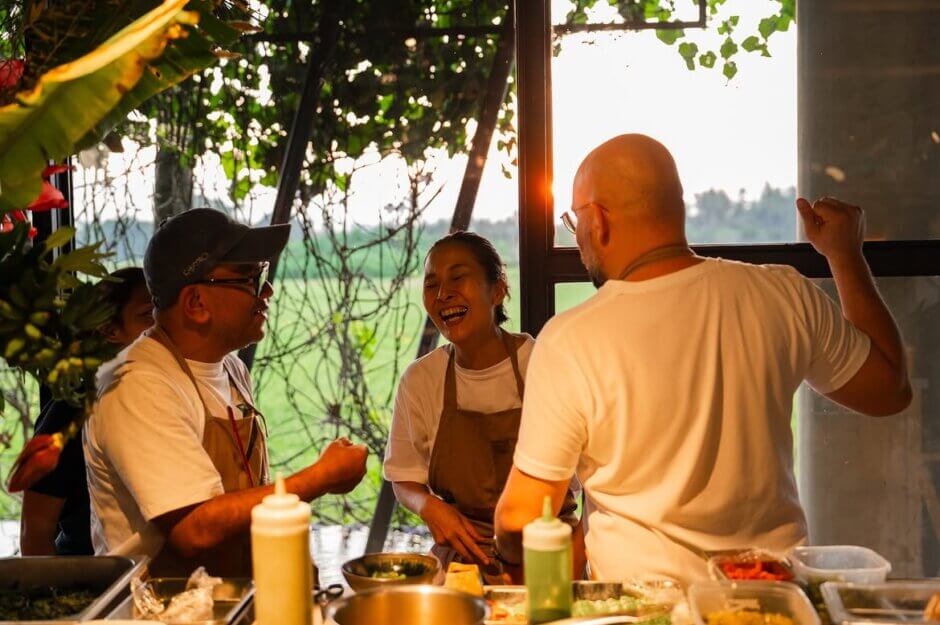
Above all, though, we want people to taste delicious rice. This is one of the reasons Satoyama Jujo exists.
Ten Stories from Satoyama