


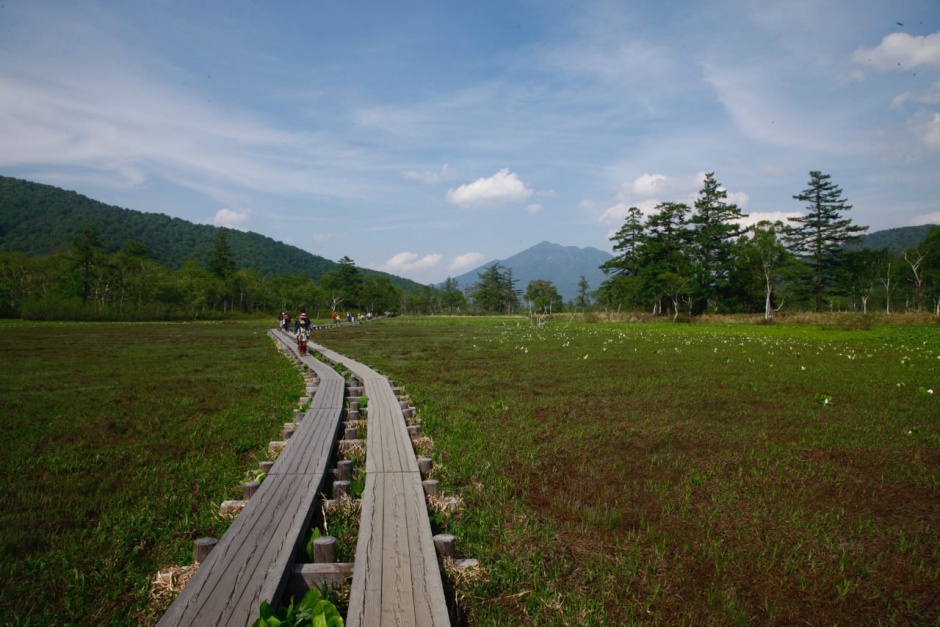
‘Oze?’ you might ask. It’s actually quite easy to get there from Uonuma. There’s even a Uonuma–Oze Route that takes you straight to Lake Ozenuma. The boats and buses along the way run infrequently, so you have to plan around them, but the great thing about this route is that you can visit the lake in a day.
At Satoyama Jujo, though, we recommend the usual route via Hatomachi Pass. If you’re heading back towards Tokyo, you can check out at your leisure and stop at Oze on the way.
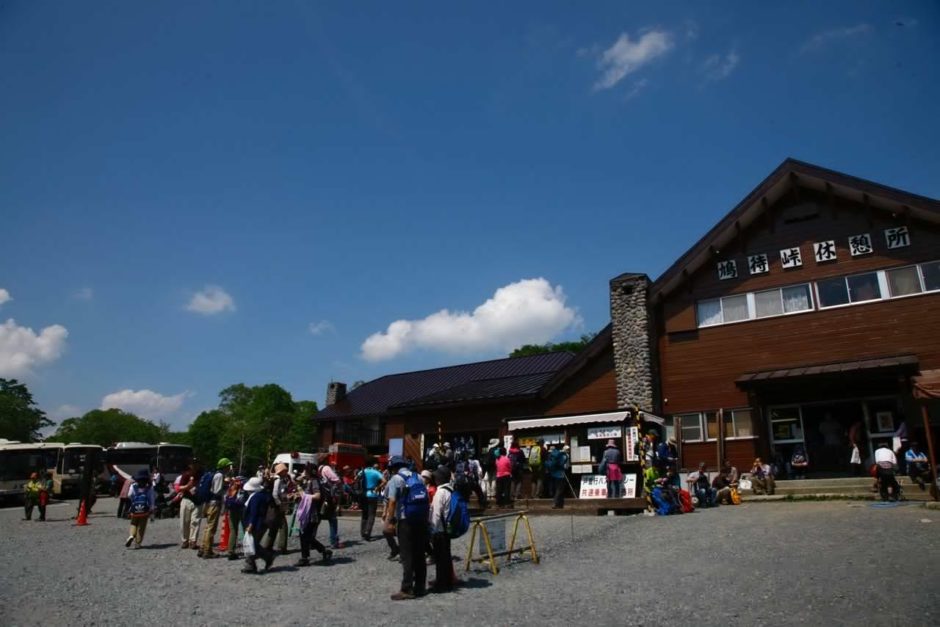
Leave Satoyama Jujo at 11am and you’ll reach the Numata interchange on the Kan-Etsu Expressway at about 11.45am, then the car park at Oze Tokura at about 12.30pm. Take a shared taxi from there and you’ll be at Hatomachi Pass by about 1pm.
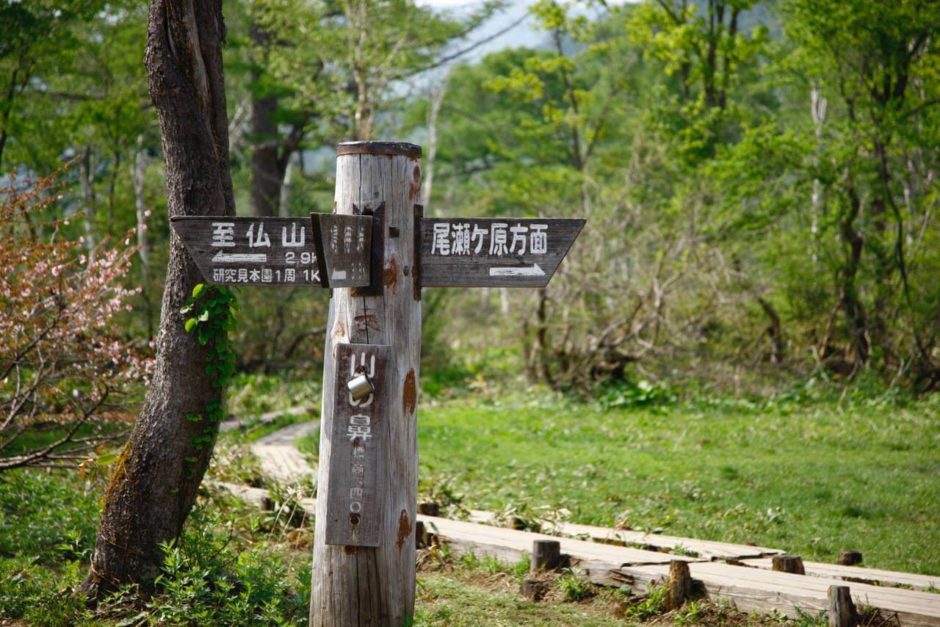
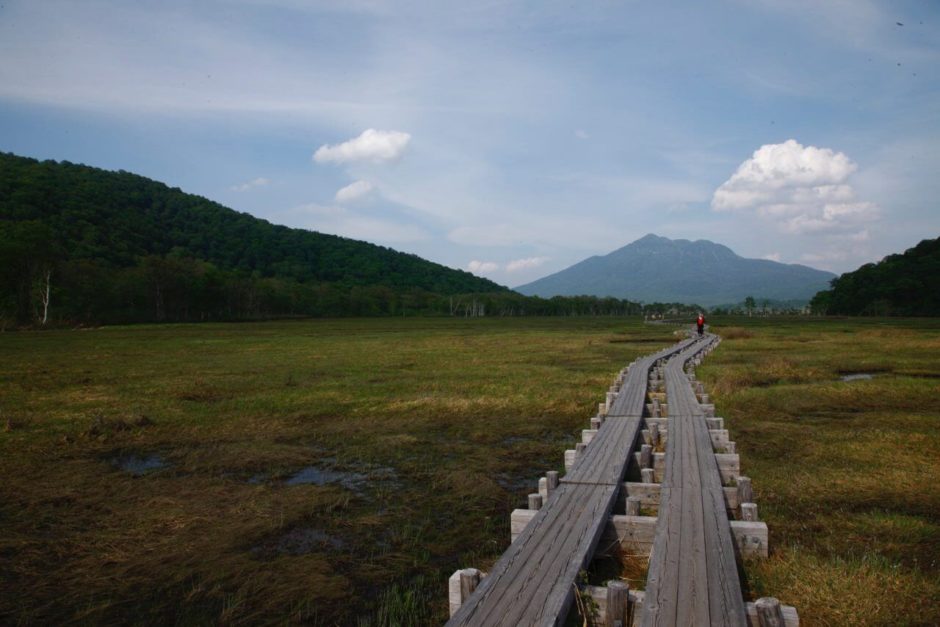
By then, hardly anyone is setting off into the mountains. Early in the morning there are often ‘traffic jams’ on the one-way trail, but in the afternoon you can walk at your own pace. It’s an easy 45-minute walk down to Yamanohana on the Ozegahara marsh. Allow about an hour for the climb back up.
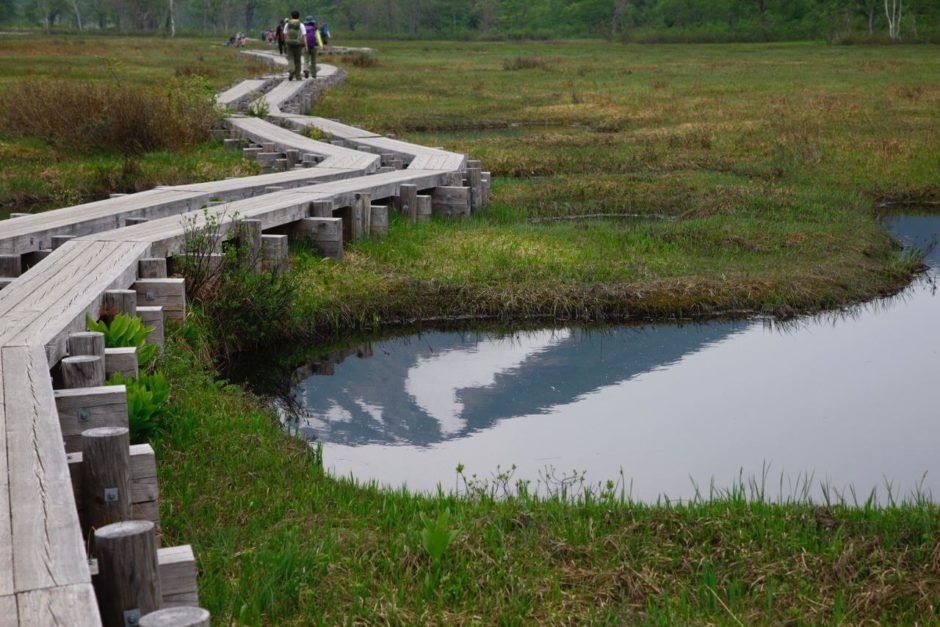
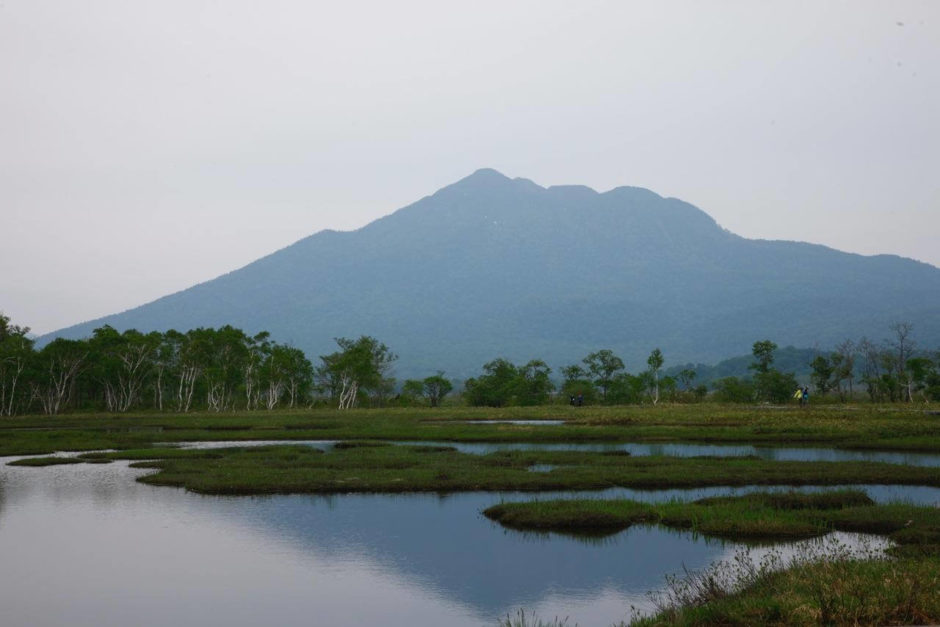
There are so few people about that it’s a delight just to stroll across Ozegahara. You’d hardly believe it was the same place that was so busy in the morning.
Do keep an eye on the time, though. The last shared taxi leaves Hatomachi Pass at around 5pm. Miss it and you’ll pay considerably more for a taxi of your own.
An afternoon walk in Ozegahara is only an option on days when the weather is settled. From mid-July, afternoon rain becomes more frequent, so we wouldn’t recommend it. In August in particular, when thunderstorms are more common, it’s safer to give afternoon walks a miss. There’s nowhere to shelter on that vast, open marsh, and lightning is a serious danger.
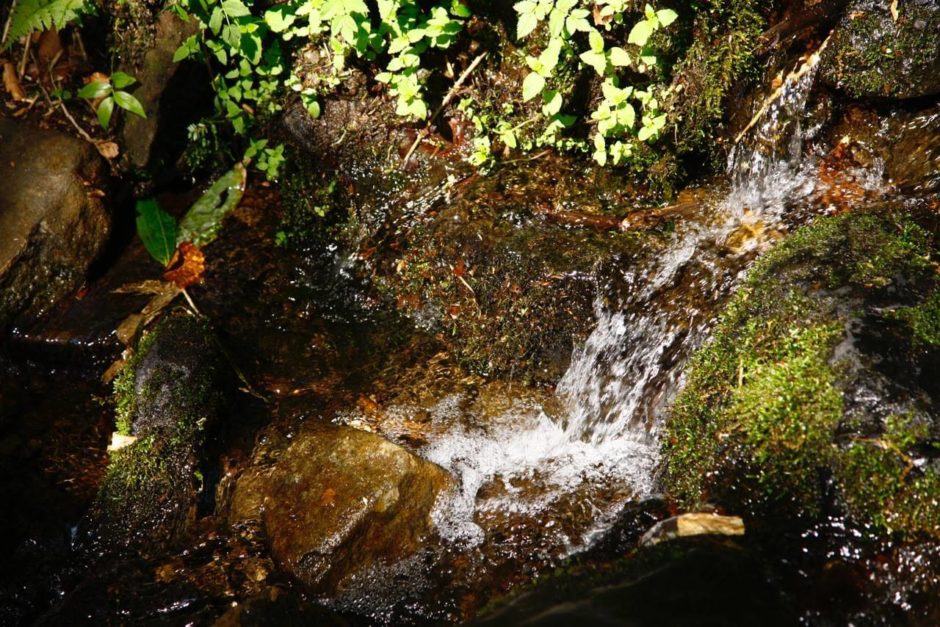
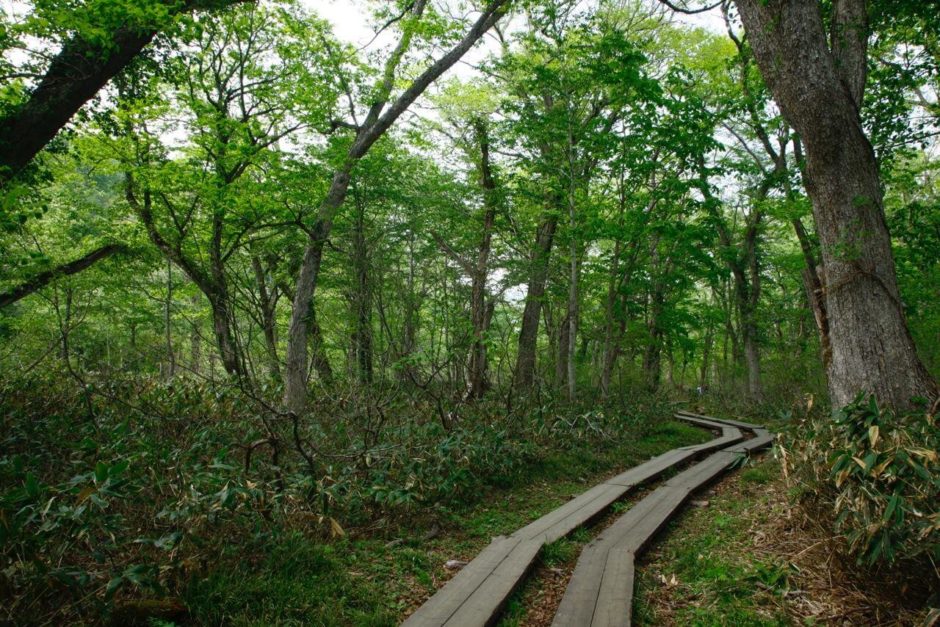
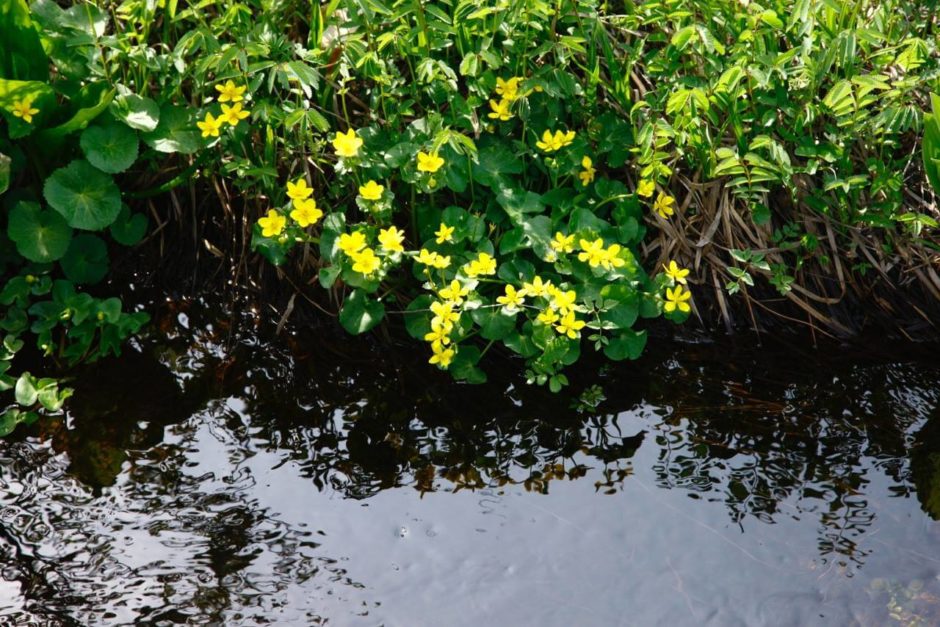
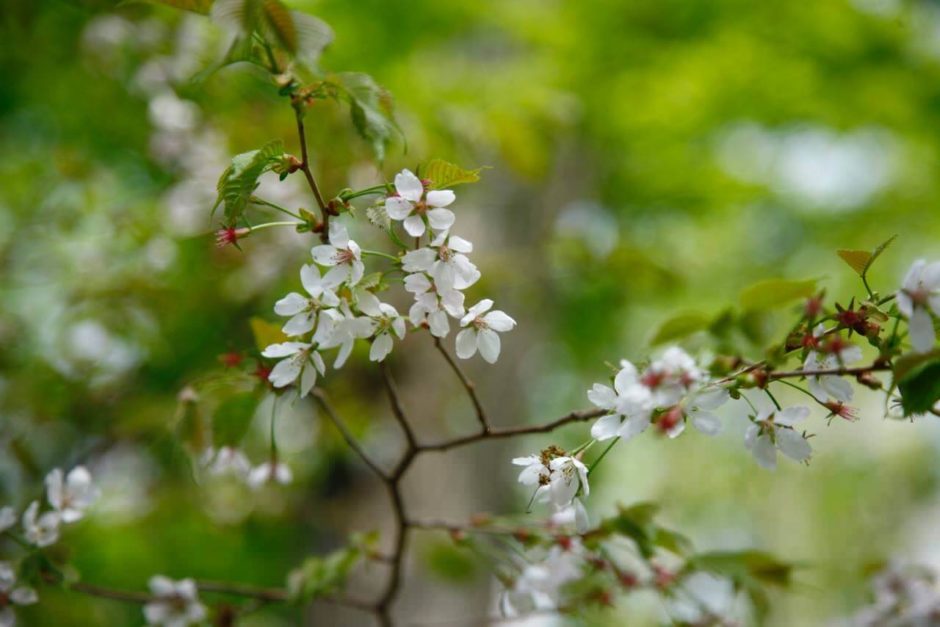
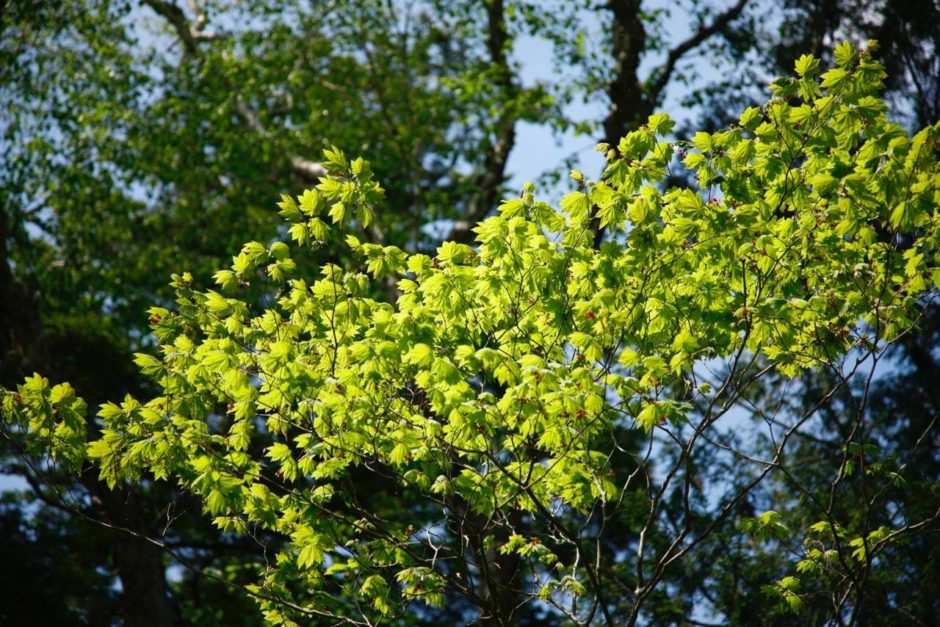
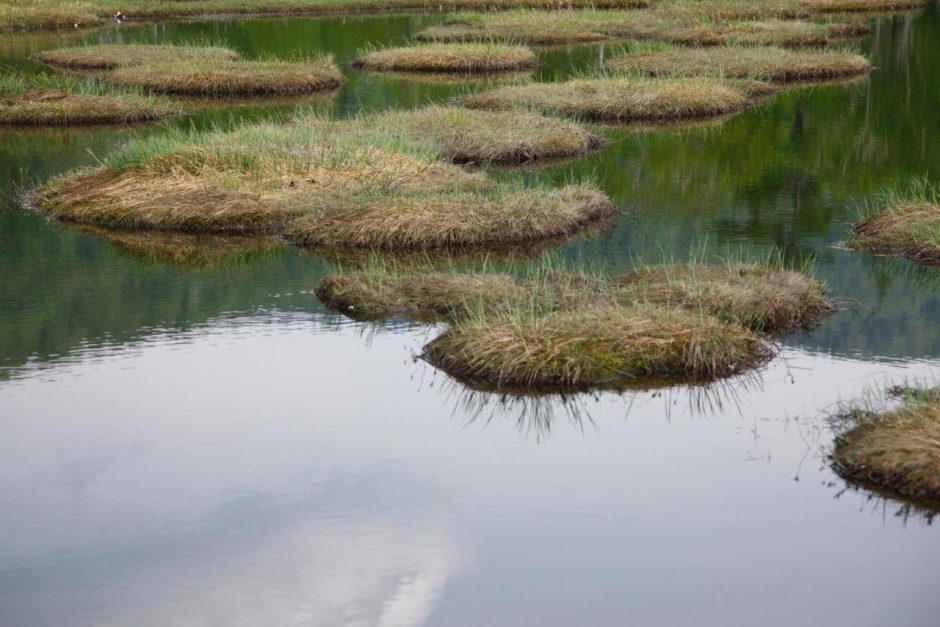
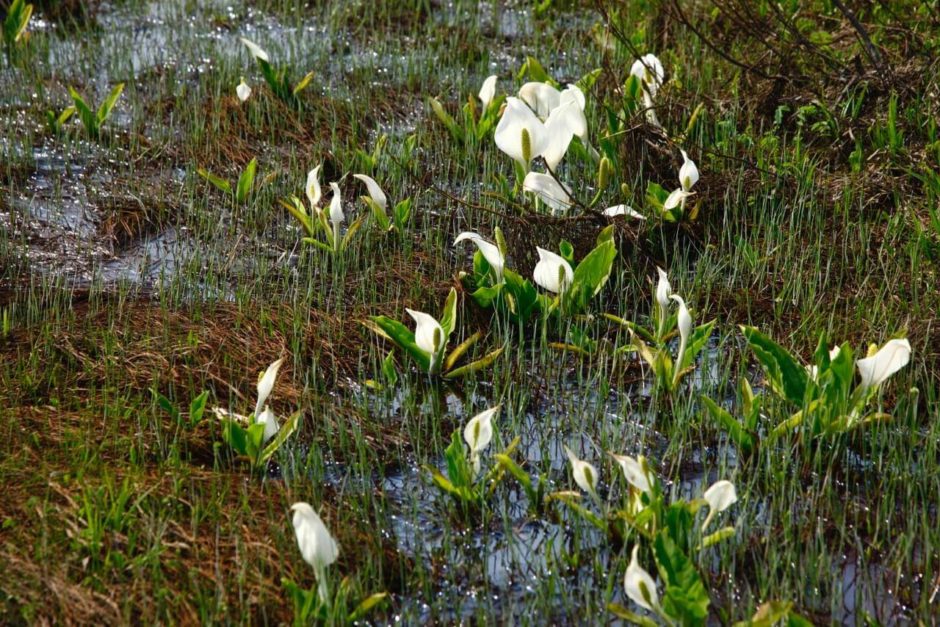
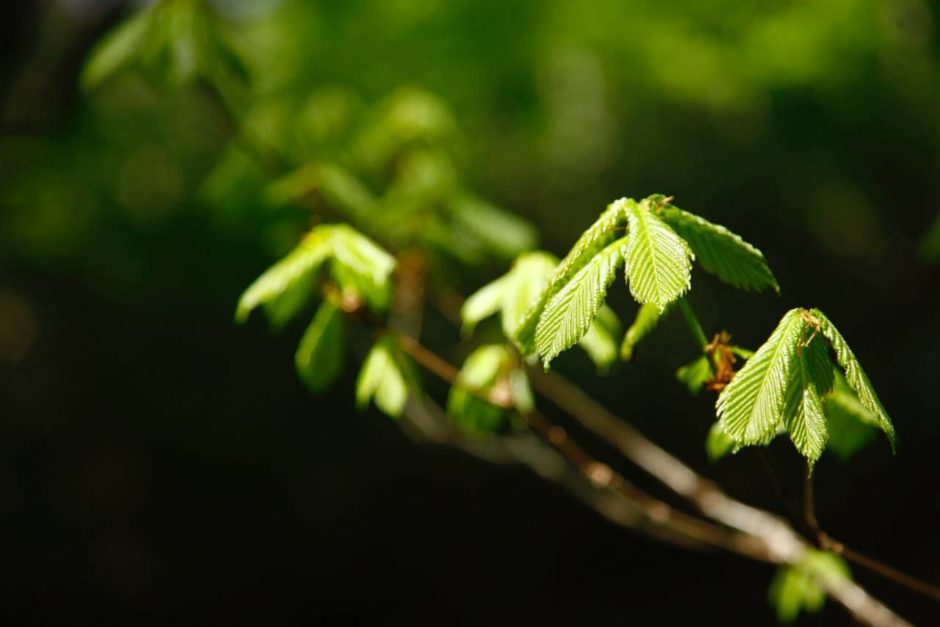
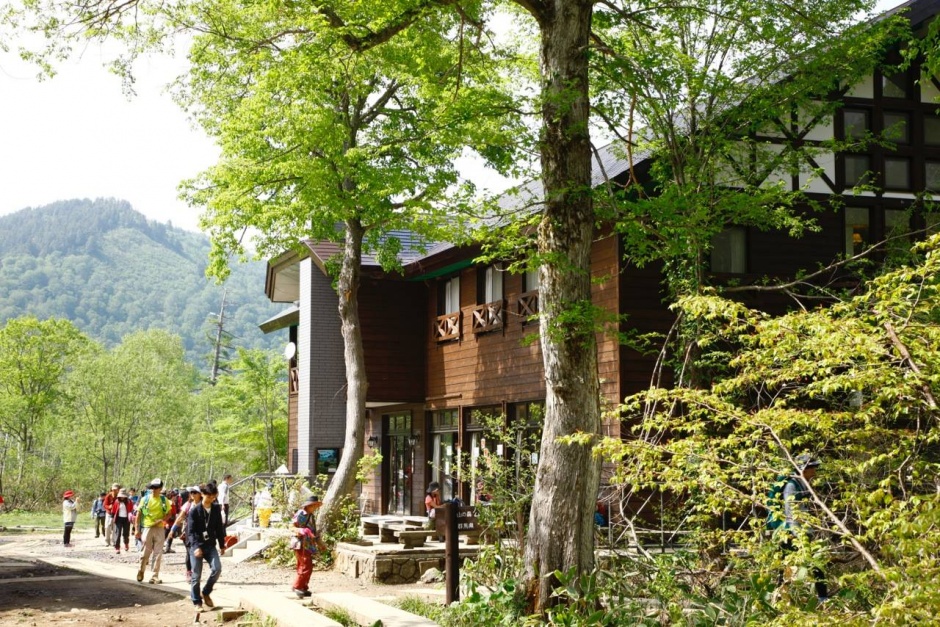
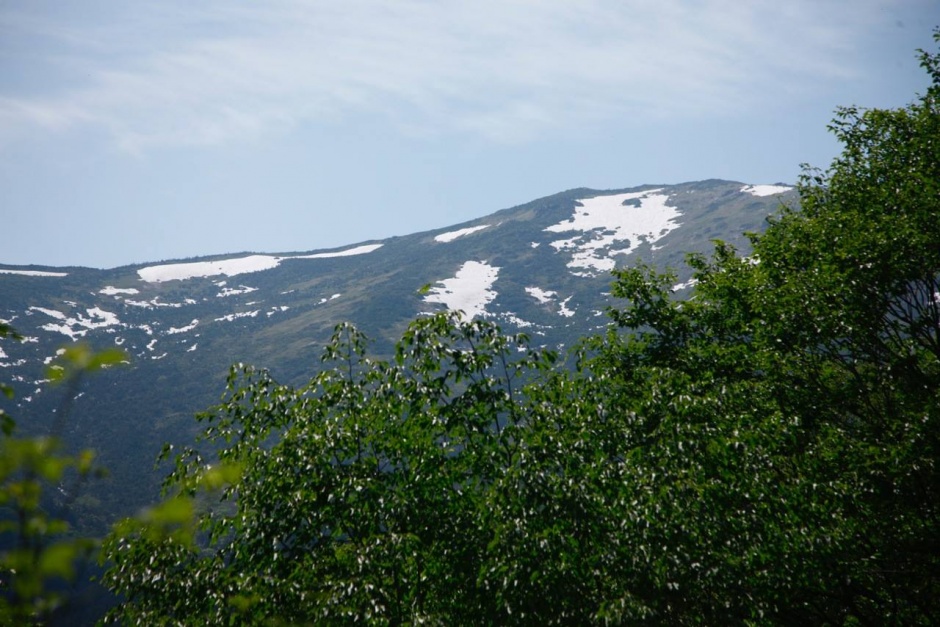
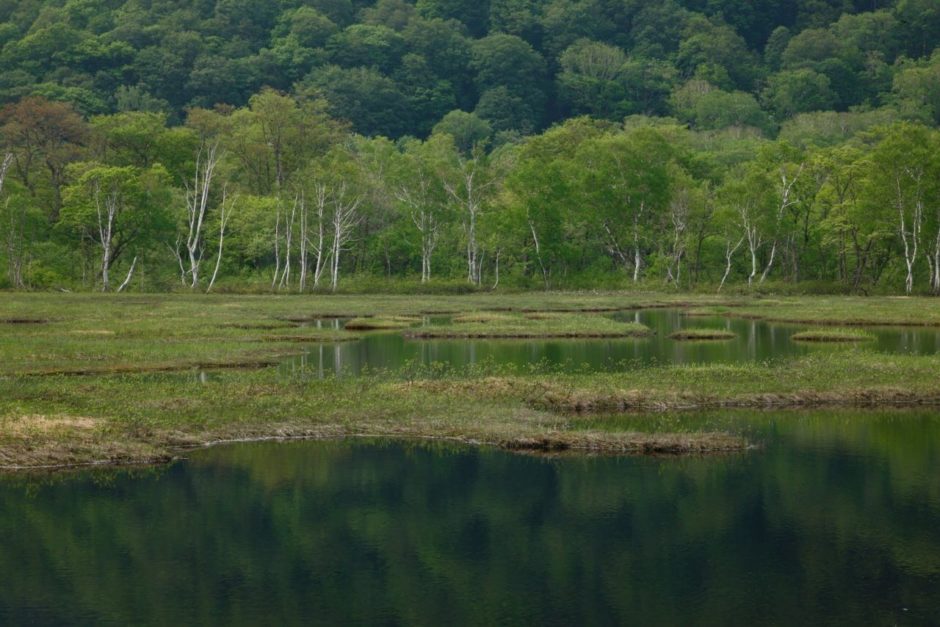
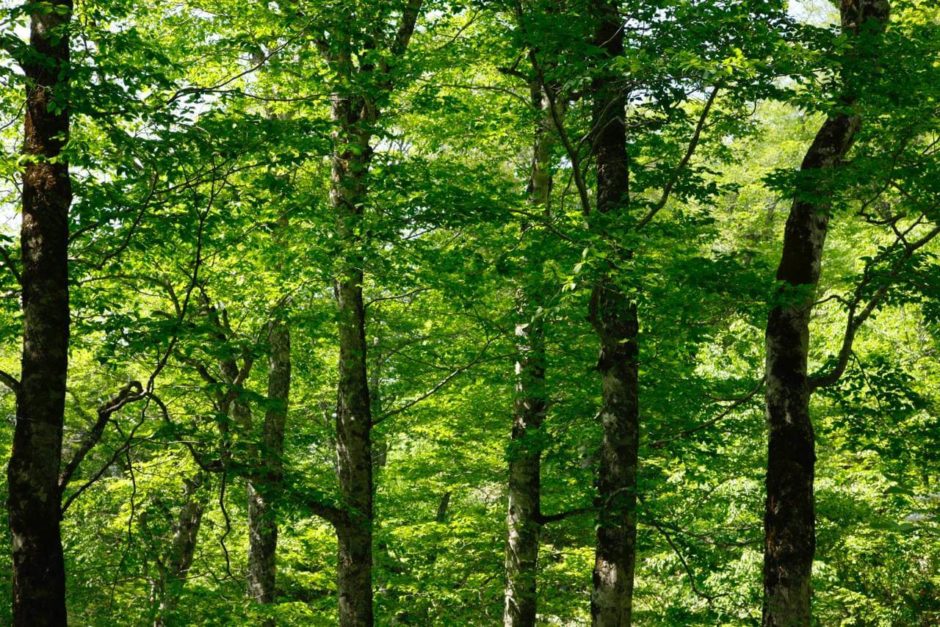
So for an afternoon walk in Oze, we’d recommend going before June is out, or from October onwards. These photographs show Oze yesterday. The Asian skunk cabbage has almost finished flowering, but the fresh green leaves are beautiful, other flowers are in bloom and it’s a joy to be out there!
*This information reflects conditions at the time of publication.