


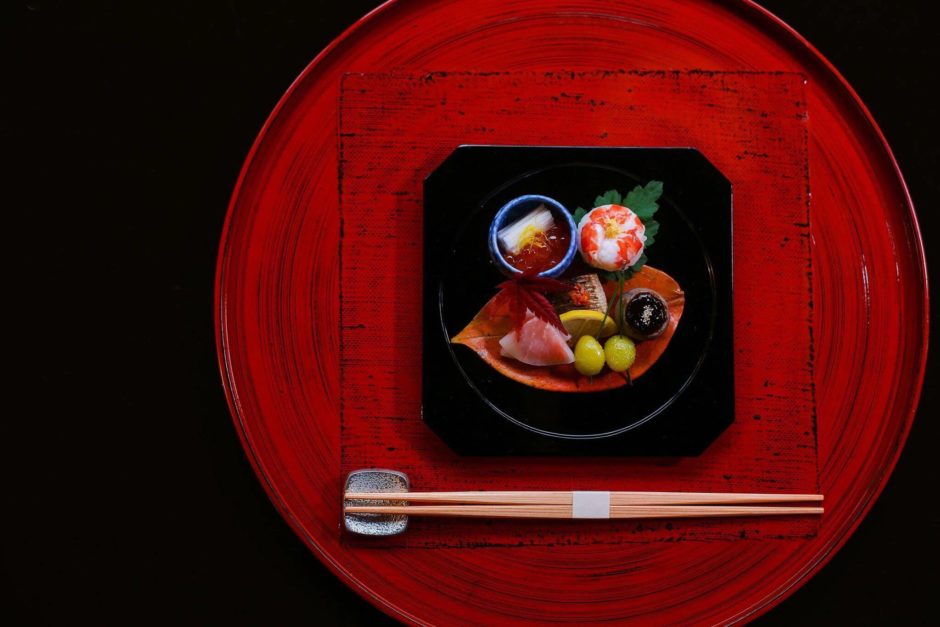
The theme of the 2019 Niigata–Shonai Destination Campaign is written in Japanese as ‘a journey for fine food along the Sea of Japan’ and read as ‘Sea of Japan Gastronomy’. Satoyama Jujo’s Toru Iwasa is the campaign’s overall producer. There are still plenty of little-known places to eat well in Niigata and Shonai. In the run-up to the campaign, we hope to introduce you to many of Niigata’s good places to eat here on Satoyama Jujo’s page, too. We hope you’ll join us!
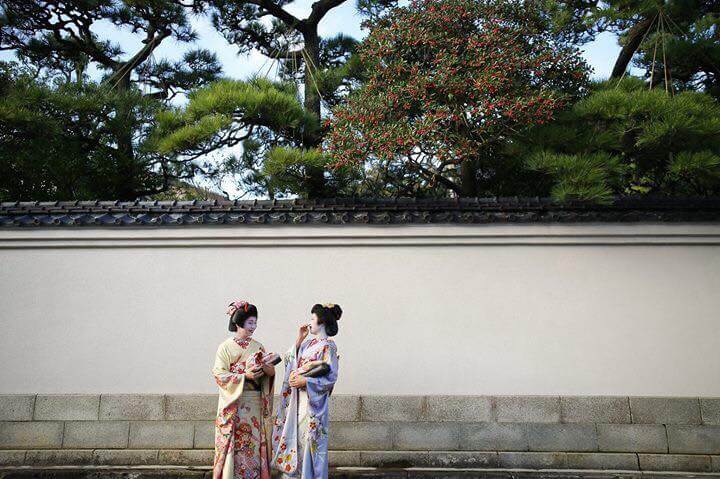
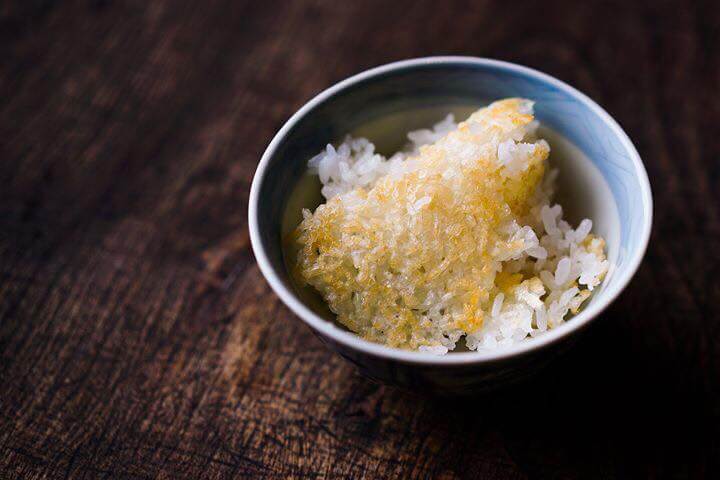
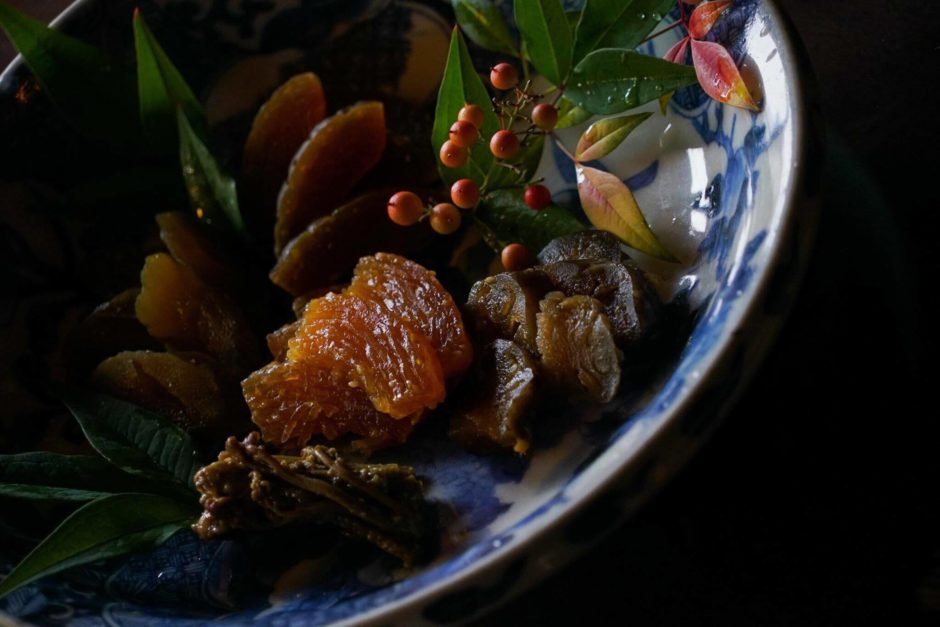
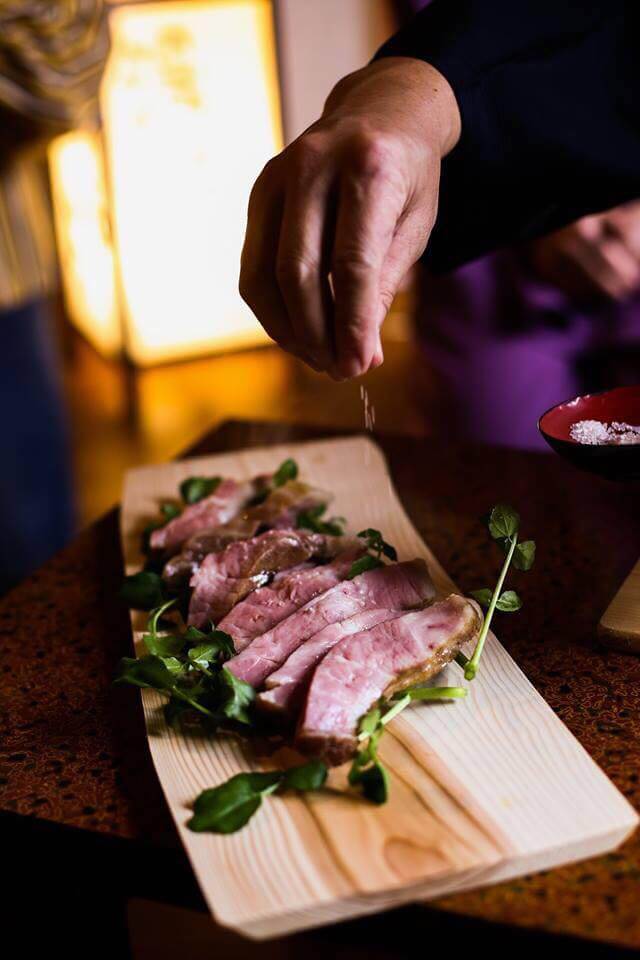
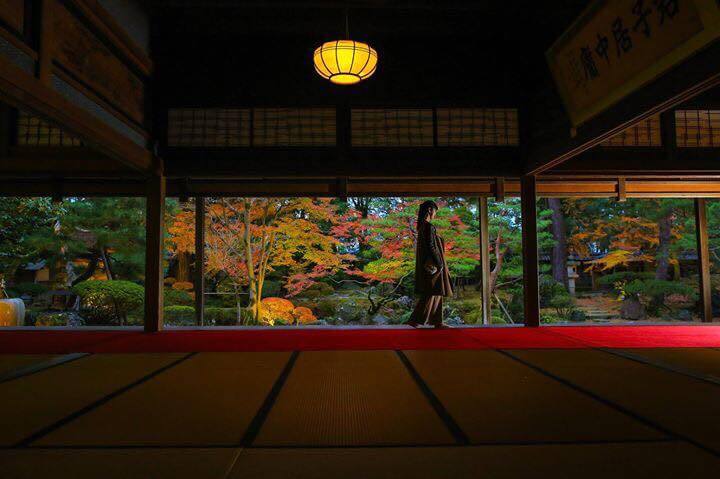
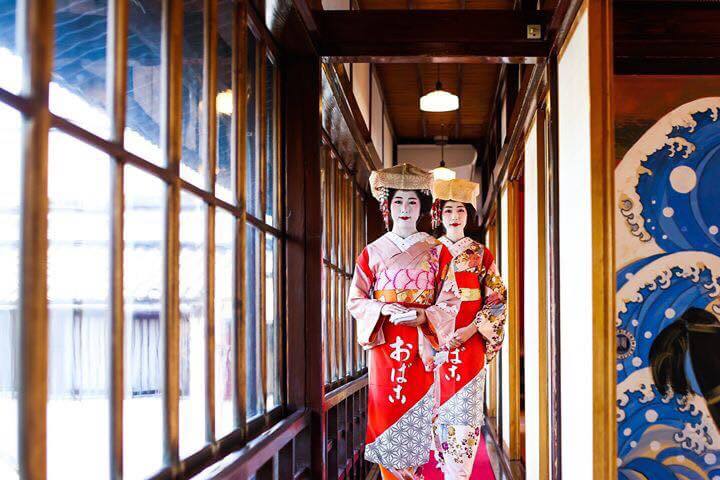
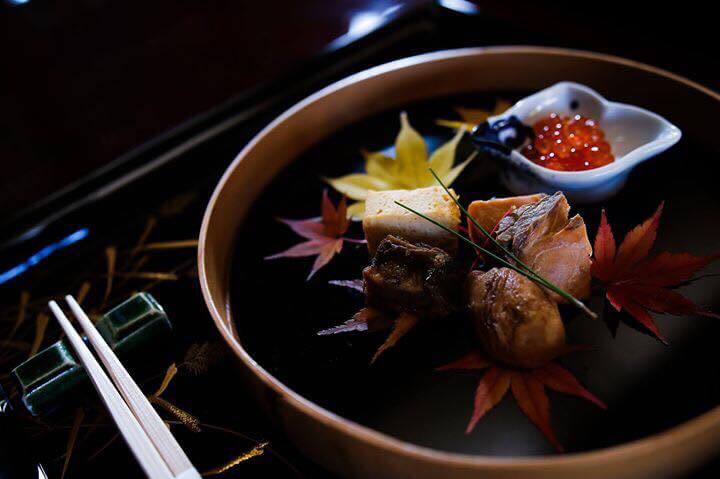
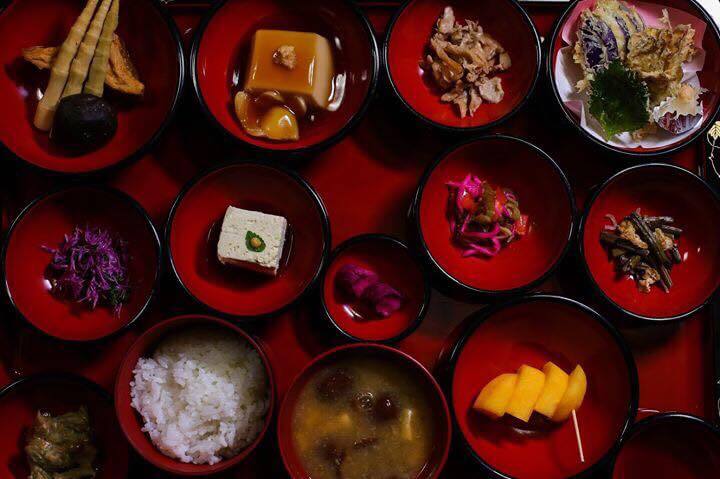
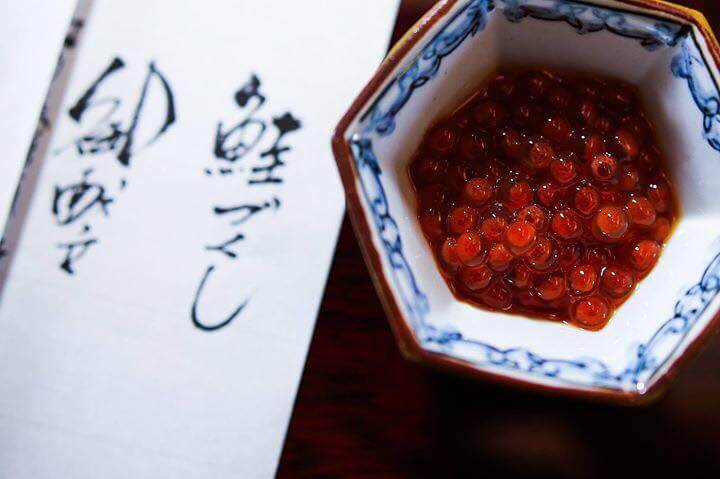
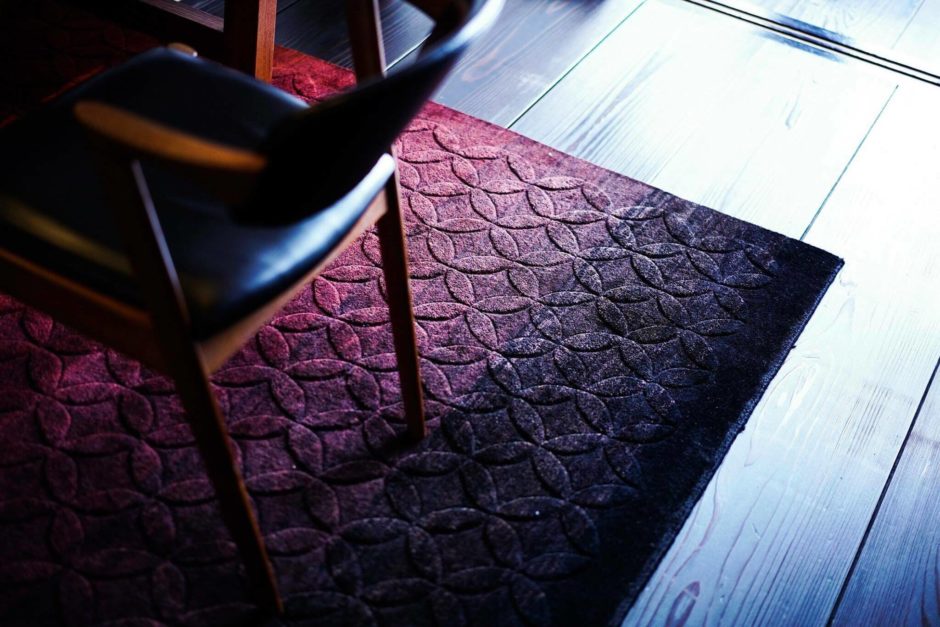
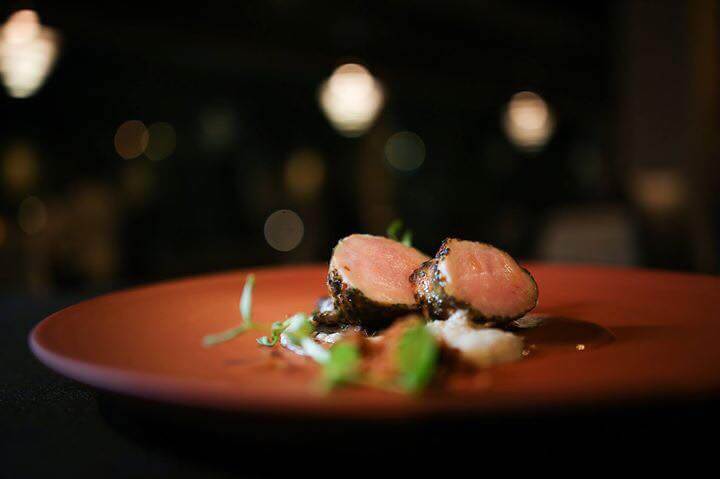
To start with, take a look at the photographs and read Iwasa’s essay from the book that sets out the thinking behind the campaign.
Photographs by Wataru Shouji
Following Kyoto and Tokyo: a prefecture known for its food culture
Across Japan, communities are turning to food to bring new life to their towns. Why food? Quite simply, local food is a bigger draw for travellers than fine scenery or magnificent shrines and temples.
Looking more closely at what a region eats also helps us take a fresh look at the traditions rooted there and revive local industries. If food once thought unremarkable can draw visitors in its own right, the region can build a name for its primary industries, farming above all. The benefits could spread in ever wider circles, first to businesses that process the produce and then to the service sector.
What, then, does ‘local food’ mean in Niigata and Shonai? Rice, sake, fish … All are important, of course. But the days of simply promoting and selling products are drawing to a close. What we must offer now are the experiences and the moments that make a meal worth a journey in its own right. We can offer those through the quality and variety of our food traditions, which embody the history, culture and natural surroundings of Niigata and Shonai.
Until the middle of the Meiji era, the Sea of Japan coast, the so-called ‘back of Japan’, was so prosperous that it might well have been called the country’s ‘front’. The kitamaebune, or coastal trading ships, were then the mainstay of Japan’s distribution network. Niigata was one of five ports opened to international trade, along with Hakodate, Yokohama, Kobe and Nagasaki. Cultural riches reached it from across Japan and from abroad. After the feudal domains were replaced by prefectures, there was even a time when Niigata Prefecture had more inhabitants than Tokyo.
When goods began to travel by rail and road instead, the Sea of Japan coast faced a long period of hardship. Yet looking back, we can see that older forms of Japanese culture, not least its food traditions, had been preserved there as if sealed in a time capsule.
Now chefs and cooks, farmers, fishers and people working in tourism have recognised that time capsule for what it is. They are setting out to unearth the Japanese treasures that have lain undisturbed inside.
In recent years, restaurant standards along the Sea of Japan coast have risen sharply. Niigata in particular, once the largest port of call for the kitamaebune, has a tradition of backing new ventures. What strikes me is how local notables and business leaders have taken on the traditional role of merchant patrons, lending their support to a younger generation.
Let’s make Niigata and Shonai the next great destinations for food after Kyoto and Tokyo. Let’s take ‘Niigata, Packed with Flavour’ and ‘Shonai, Capital of Food’ a step further with ‘Sea of Japan Gastronomy’. I believe now is the time to tell the world that Niigata and Shonai are already among Japan’s leading centres of food culture.
Toru Iwasa, Creative Director and Editor, Jiyujin Inc.




*Information was current at the time of publication.