


‘It’s too spread out to see everything!’ We often hear that from guests staying with us.
The festival covers a stretch of countryside roughly the size of Tokyo’s 23 wards put together. At Satoyama Jujo, we recommend picking one area and taking your time there.
The Echigo-Tsumari Art Triennale is now in its seventh edition. Popular works from earlier festivals have become permanent installations, though they’re only open to visitors at certain times. So there’s now plenty to see in each area. To be honest, if you set out to see just the new works, you’ll travel so far between them that you can miss what makes the festival special.
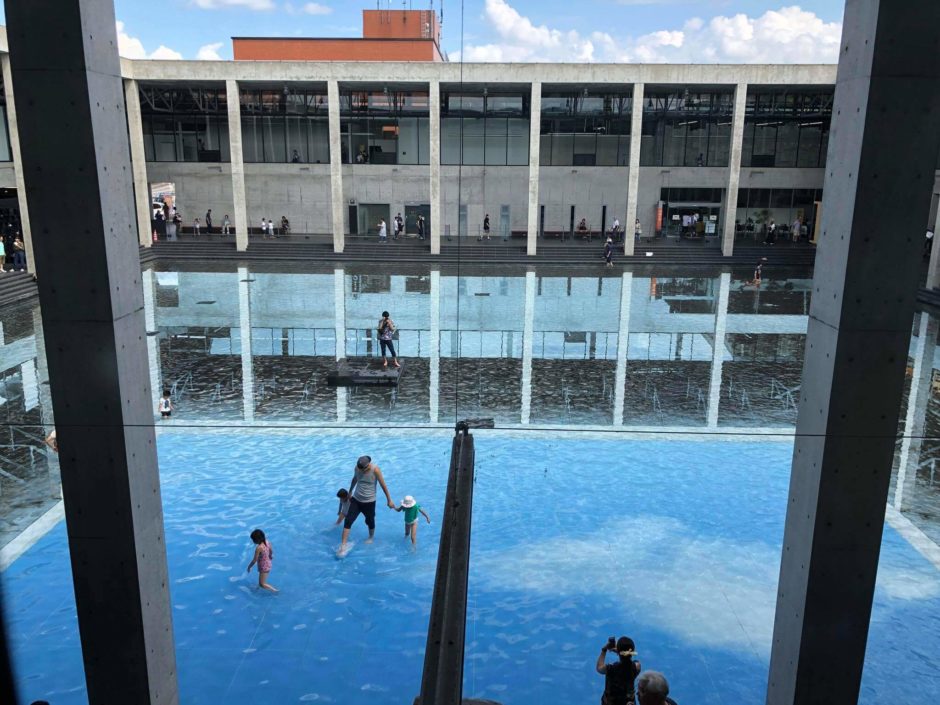
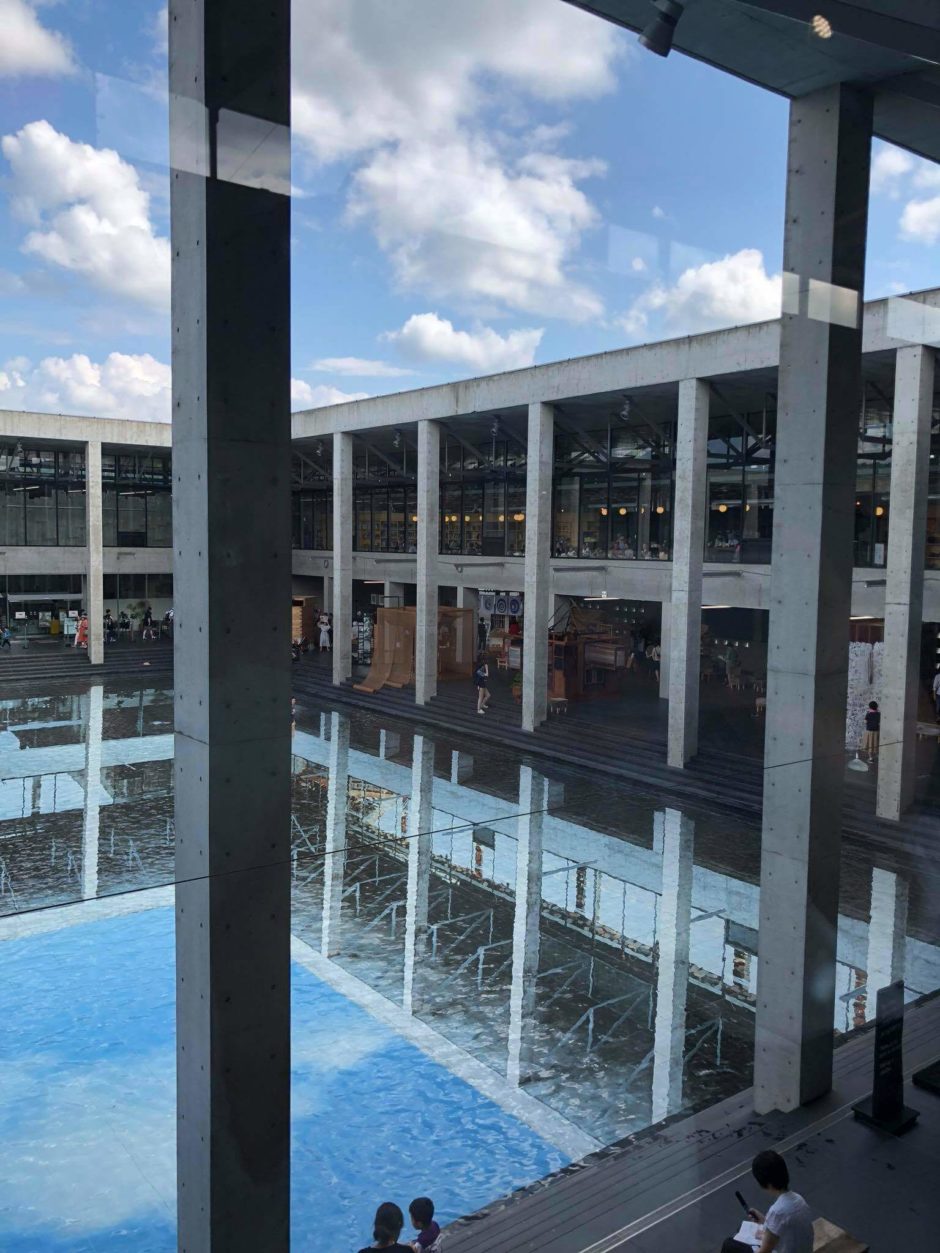
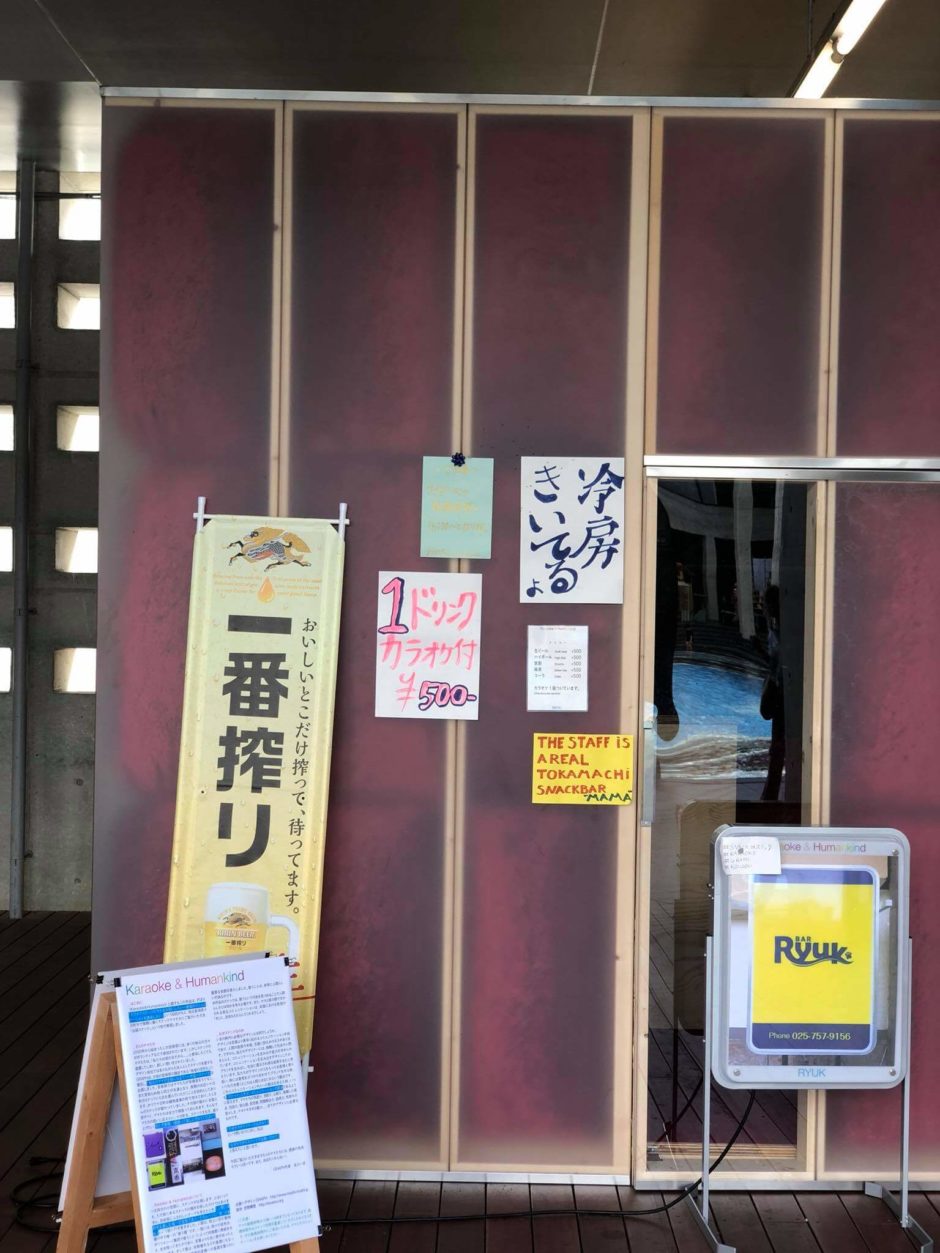
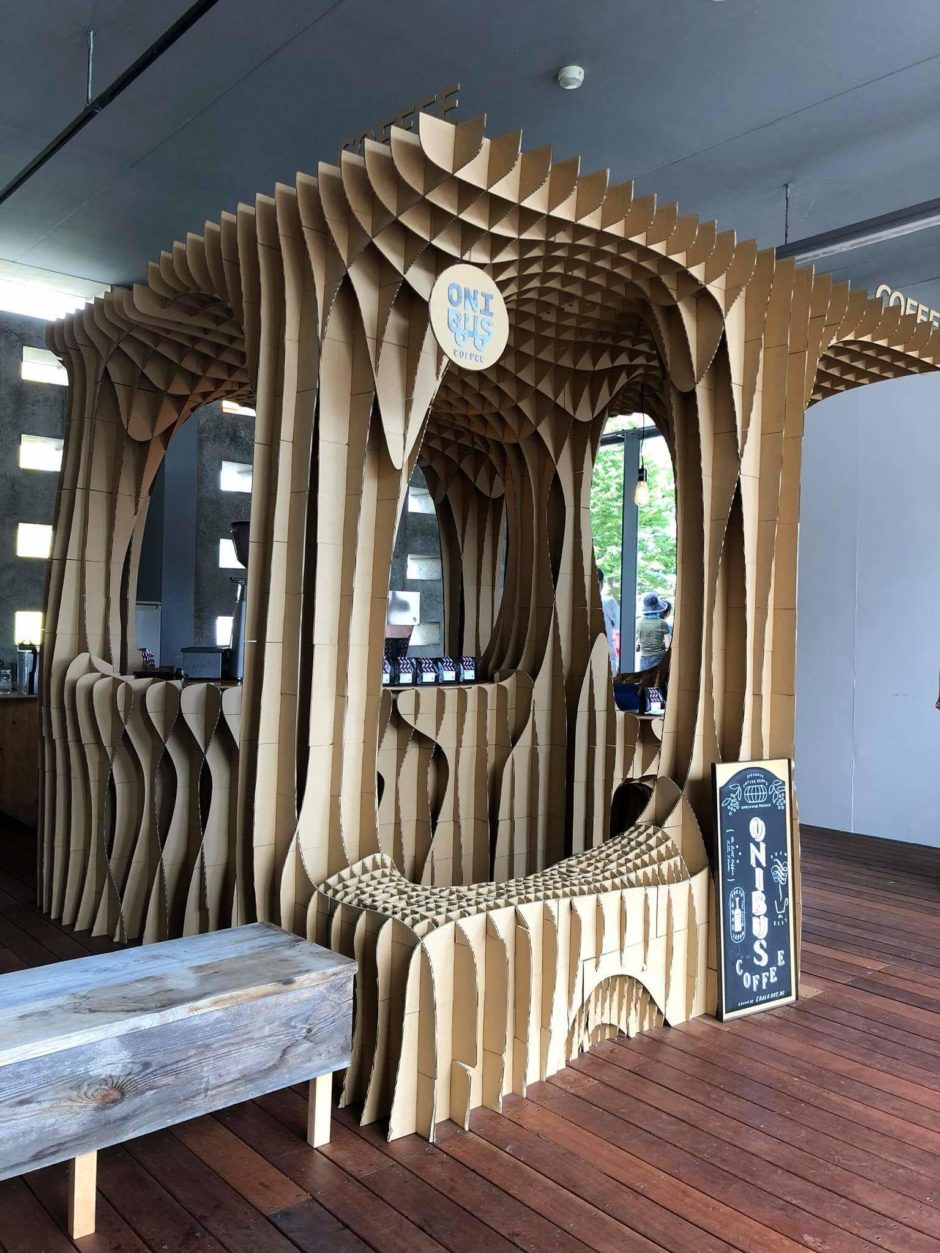
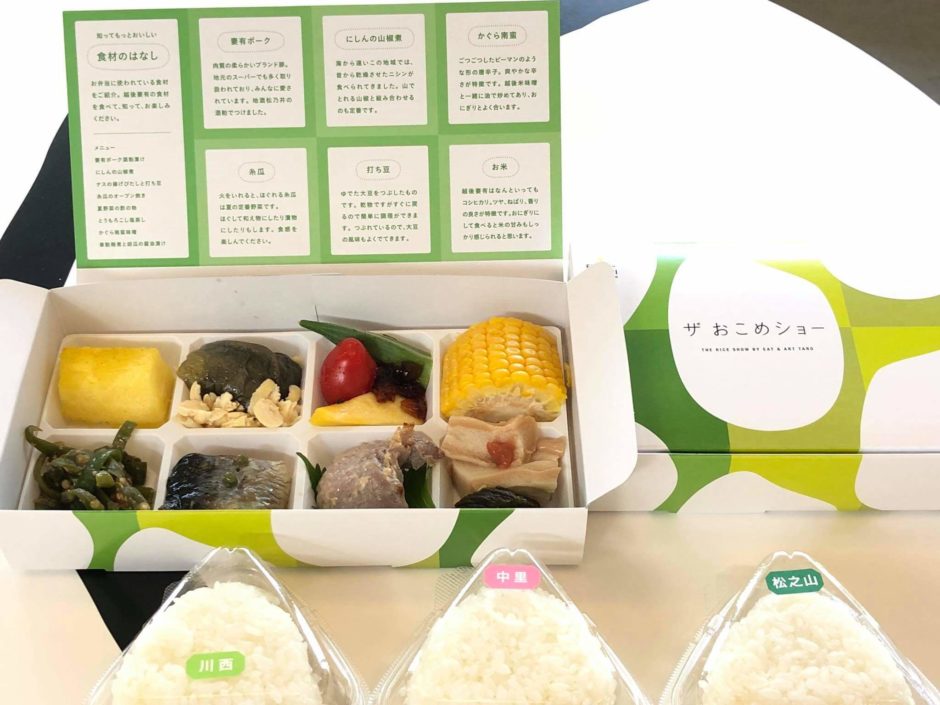
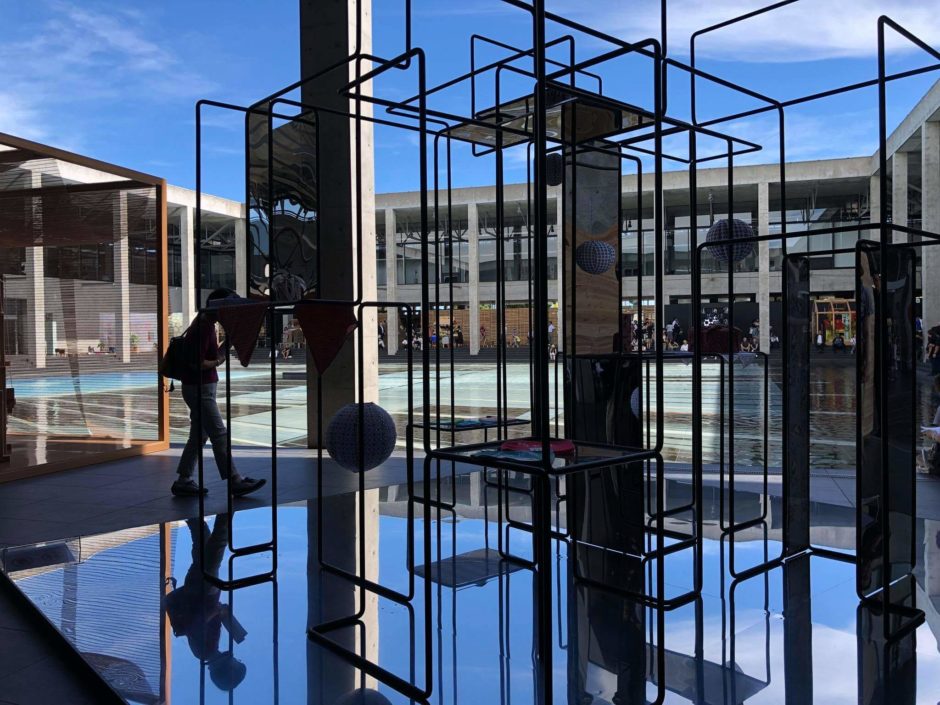
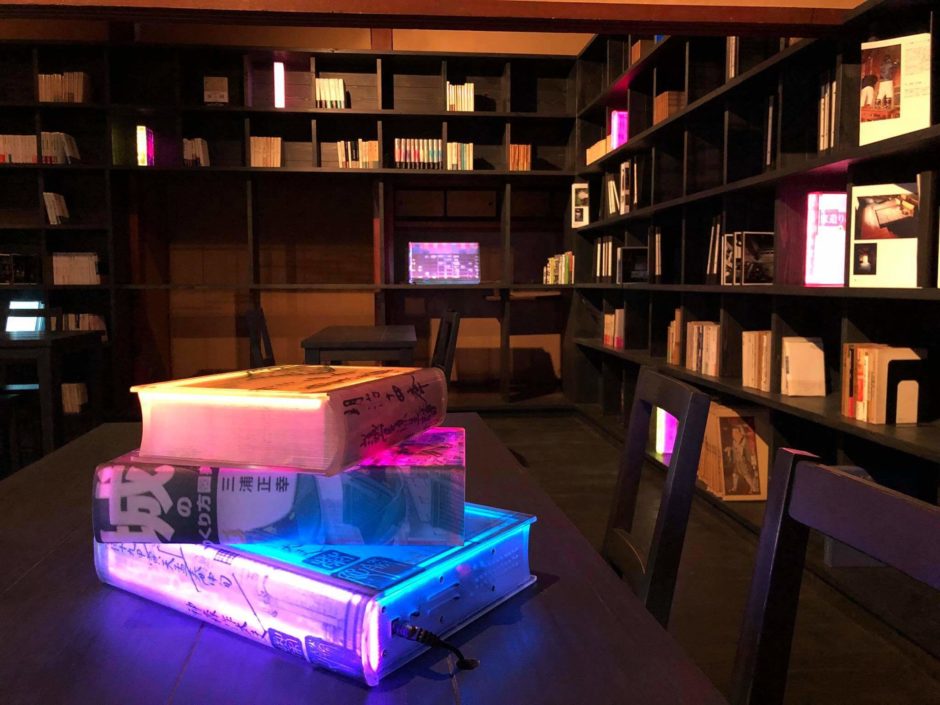
We’re starting our area guides with Tokamachi, the closest of the festival areas to Tokyo and the gateway to the Triennale. It’s close to Satoyama Jujo, too: the town centre is just 20 minutes away by car. Echigo-Tsumari Satoyama Museum of Contemporary Art, Kinare Kinare, the Echigo-Tsumari Satoyama Museum of Contemporary Art, is the hub of the Tokamachi area. The building was completed in 2003 as a community centre and converted into a contemporary art museum in 2012. It’s a local landmark, and the museum is open year-round, even when the festival isn’t on. One of the highlights beyond the permanent collection is ‘Palimpsest: Pond of Sky’, the curious space Leandro Erlich has created in the central pool. (We’ve omitted honorifics from artists’ names.) Erlich’s exhibition at the Mori Art Museum in Roppongi, Tokyo, caused quite a stir when it ran from last autumn into the spring, so his name may well ring a bell. Around the pool is a special exhibition, ‘Hojoki Shiki in 2018’. For this show, architects and artists have each turned a hōjō – a space the size of just four and a half tatami floor mats – into a work of art. It’s an exhibition you can take part in, with something for everyone: conceptual works, spaces for children to play, even little four-and-a-half-mat rooms where you can have a drink and a sing, or enjoy a good cup of coffee. We’d also recommend ‘The Rice Show’ for lunch: you can compare rice from different parts of the festival region by tasting onigiri, or rice balls. If you can’t make it in time for the show, ¥1,500 buys a boxed lunch of two rice balls with side dishes.
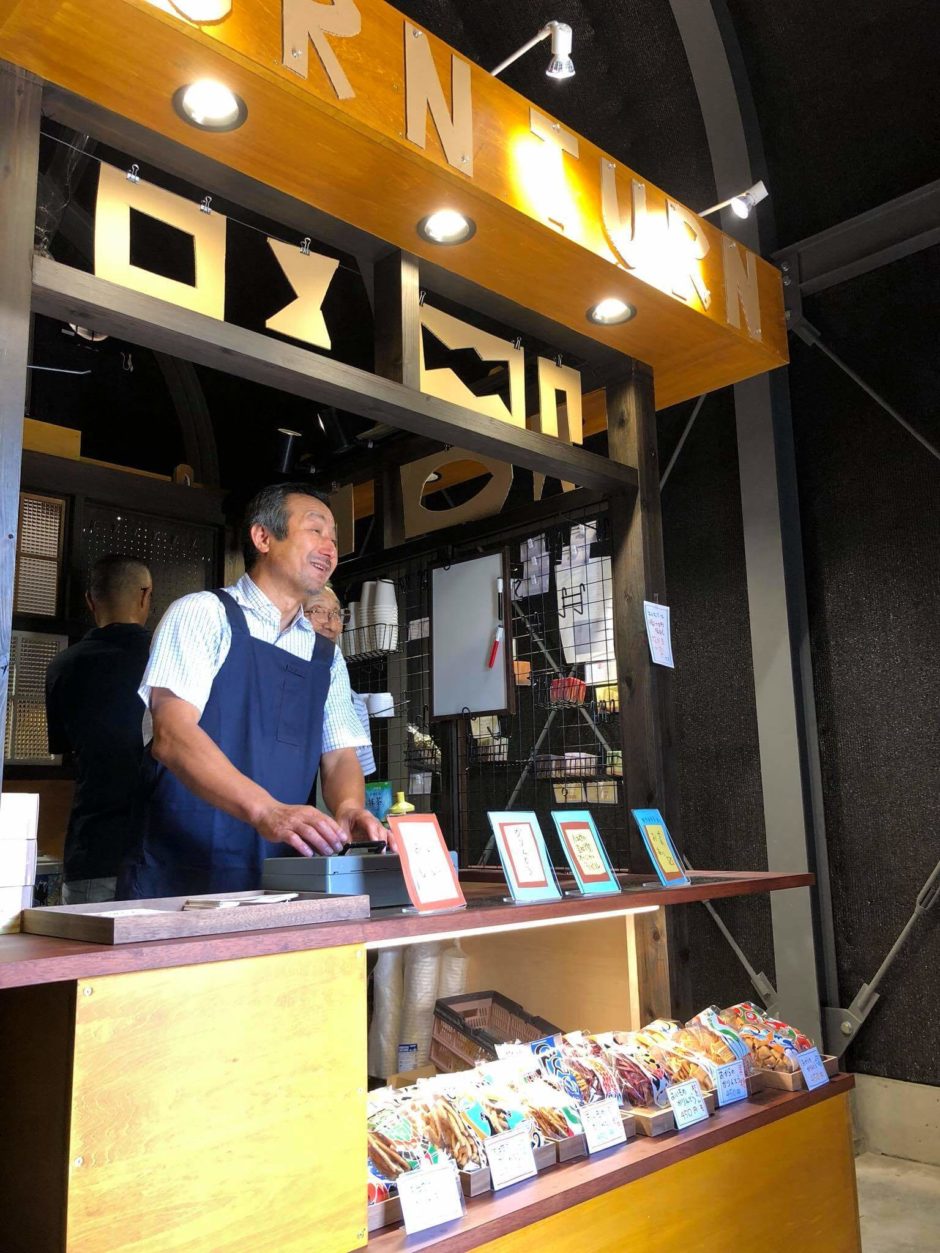
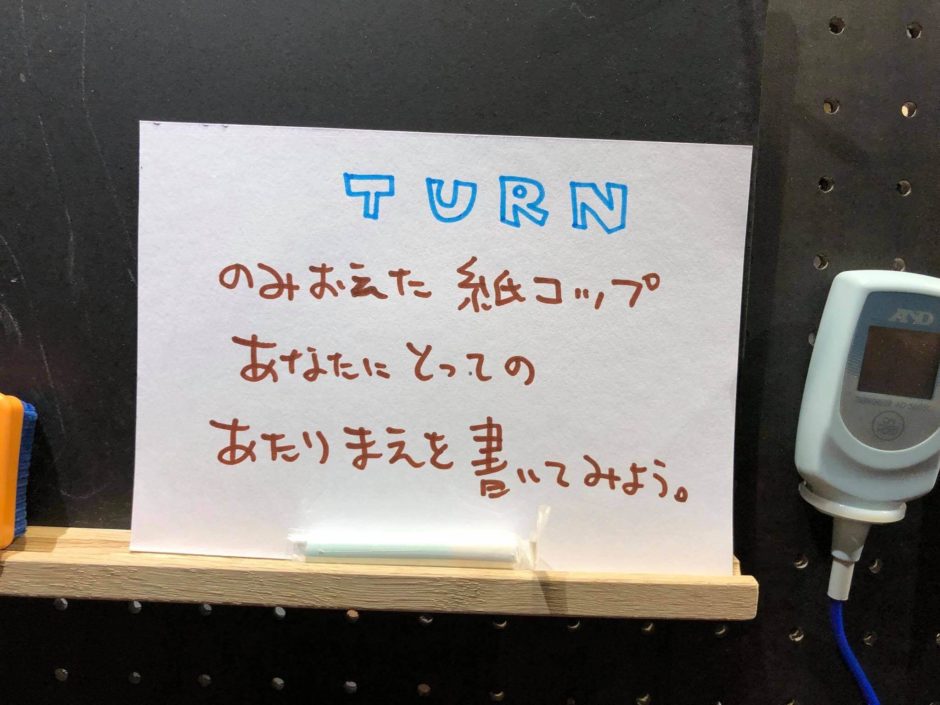
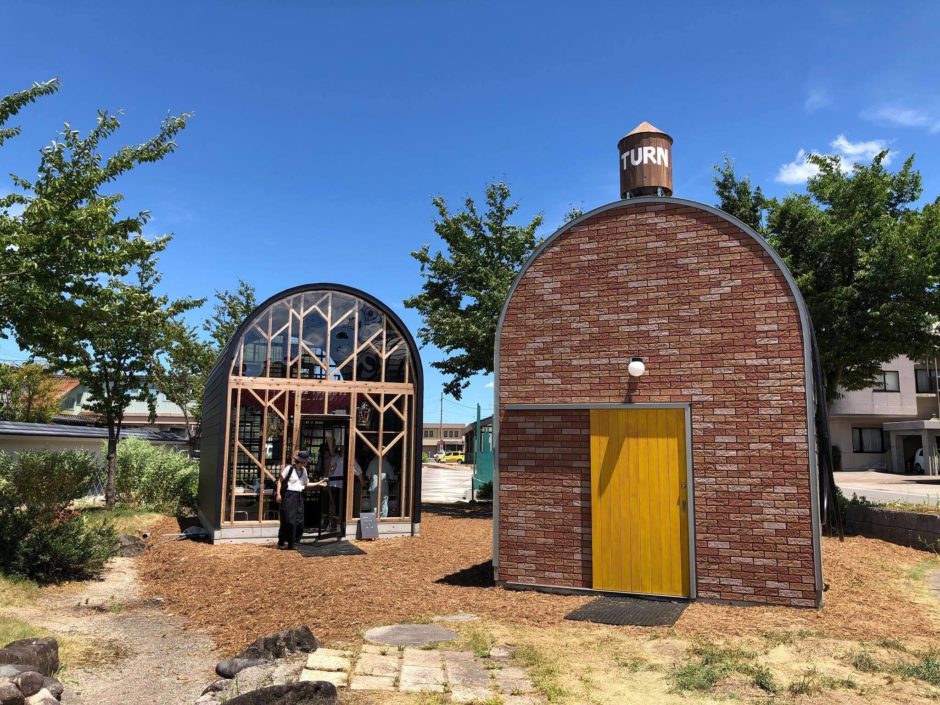
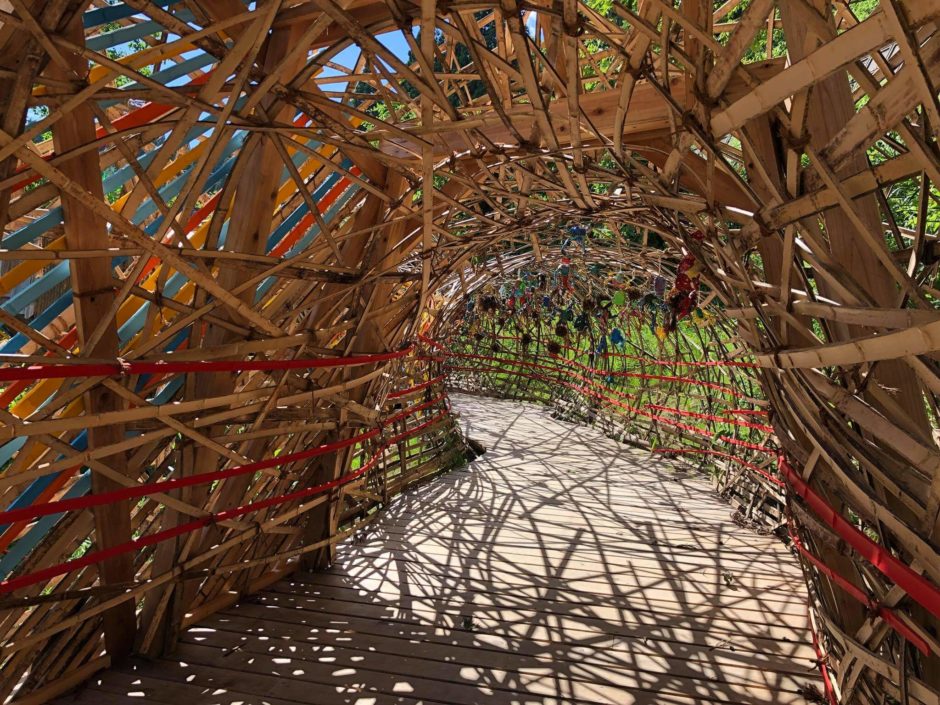
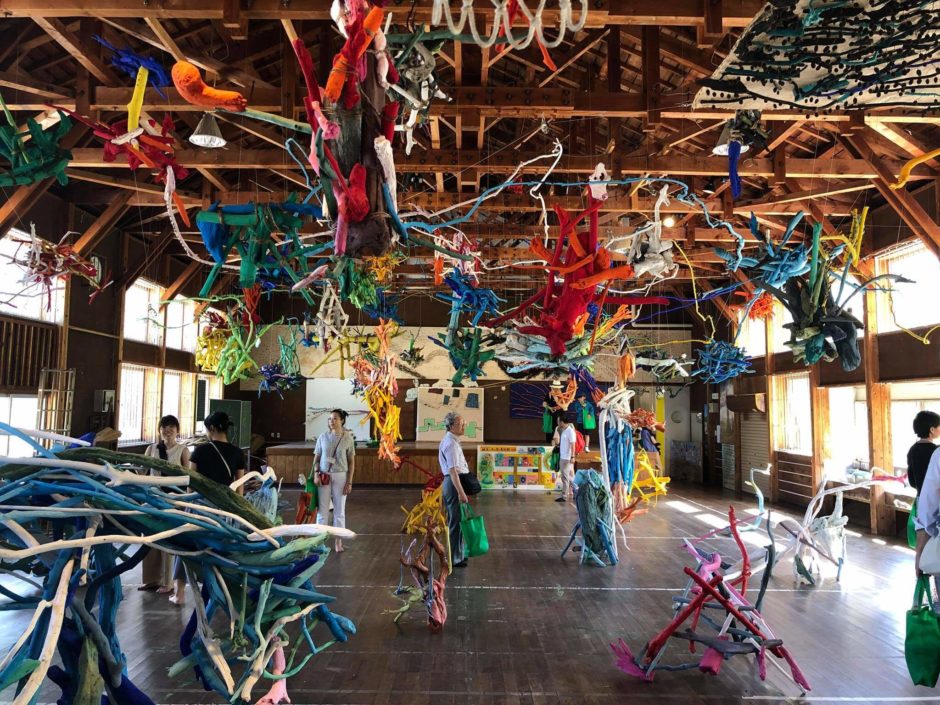
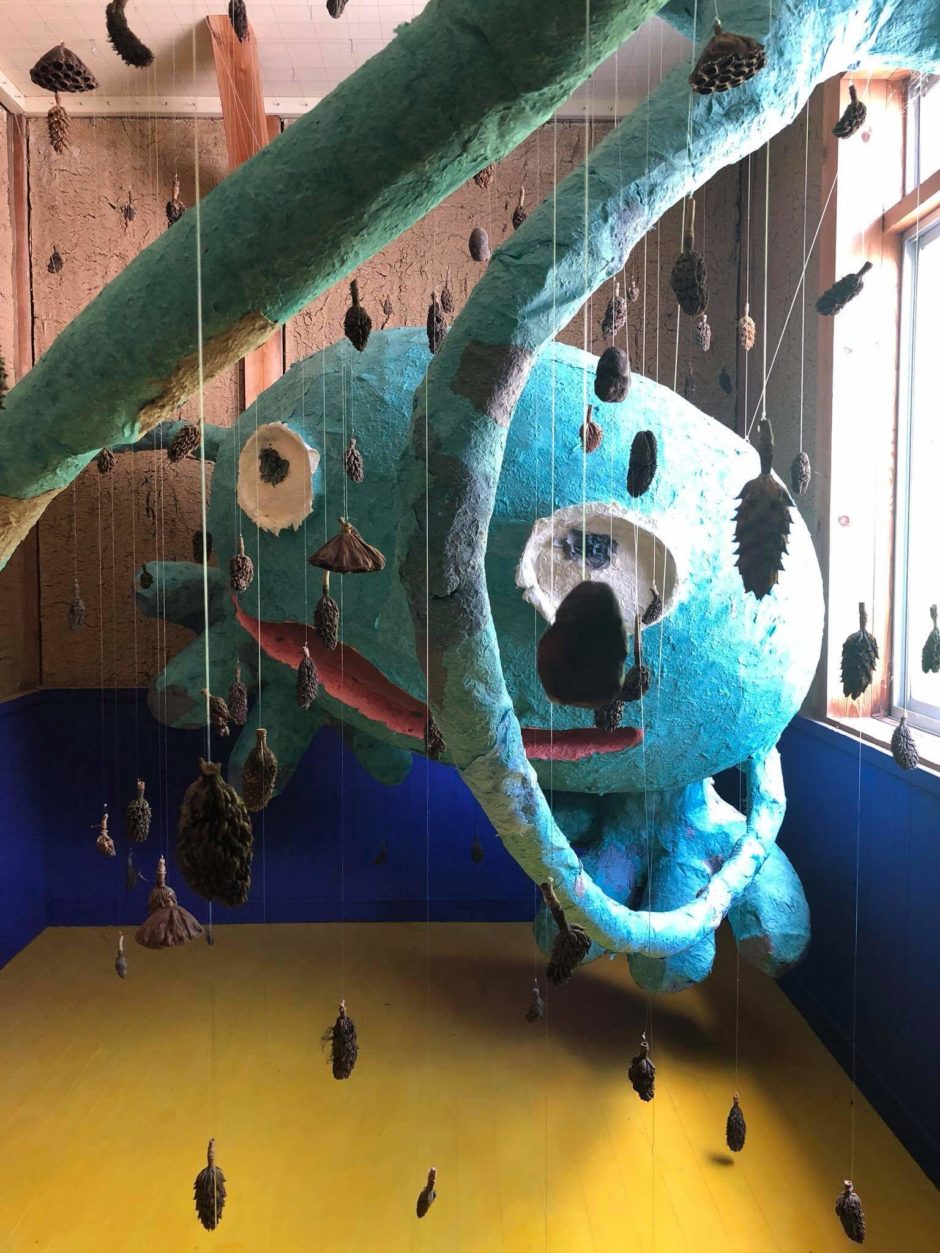
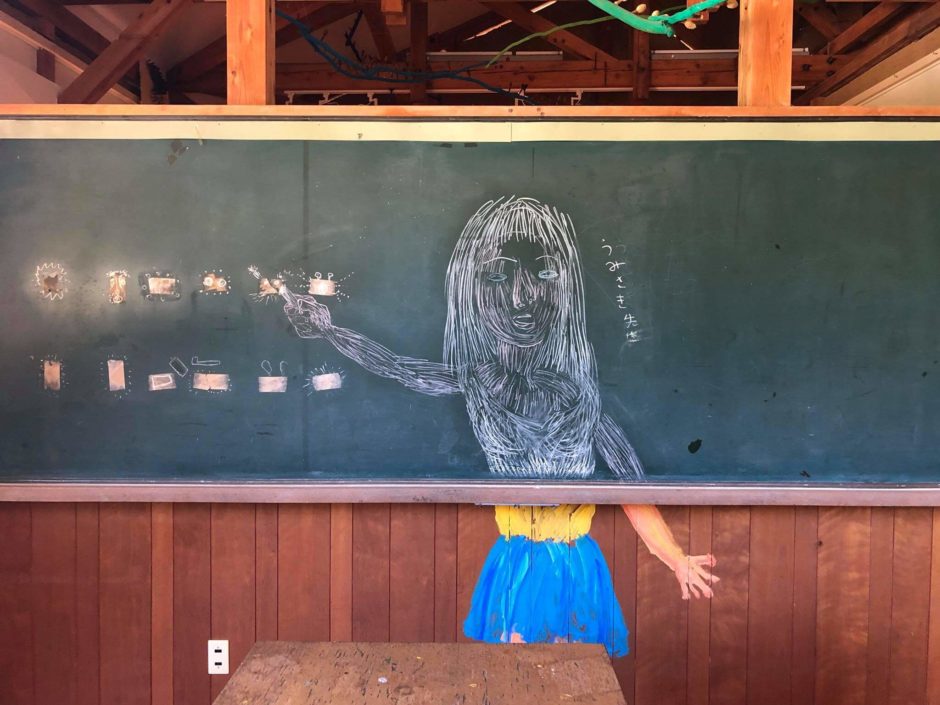
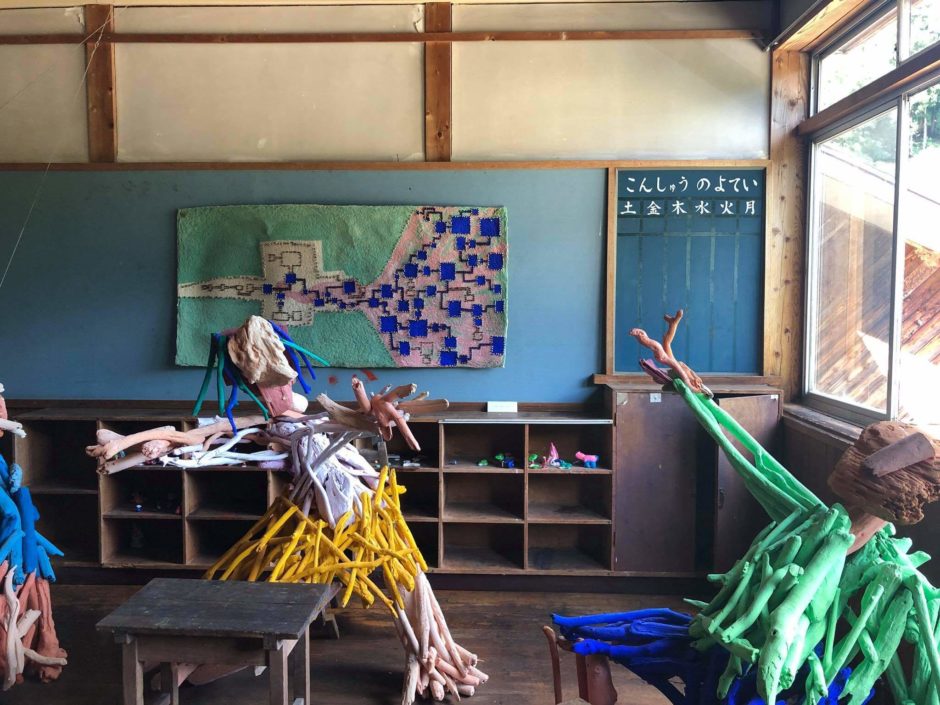
Two or three hours fly by at Kinare. Give yourself plenty of time here. Café TURN Within walking distance of Kinare, we recommend Café TURN, right by Tokamachi Station. This work by Katsuhiko Hibino occupies a building with a rounded roof, the shape of a kamaboko fish cake. You’ll see buildings like it used locally as garages and storehouses. Inside, you can have tea brewed with water heated by the sun. Next door is Kodue Hibino’s ‘10th DAY MARKET’. It’s well worth stopping by while you’re waiting for a train. Museum of Picture Book Art and Nuts From central Tokamachi, drive upstream along the Shinano River for about 15 minutes and you’ll come to a mountain village in the peaceful countryside typical of Niigata’s Uonuma region. The museum occupies the village’s old wooden primary school. The setting is lovely in its own right, but step inside and you can explore Seizo Tashima’s world as a three-dimensional picture book.
The museum was created for the 2009 festival, and the work has grown with every edition since. This time, a new chapter of the three-dimensional picture book unfolds on the slope outside the entrance and elsewhere around the museum.
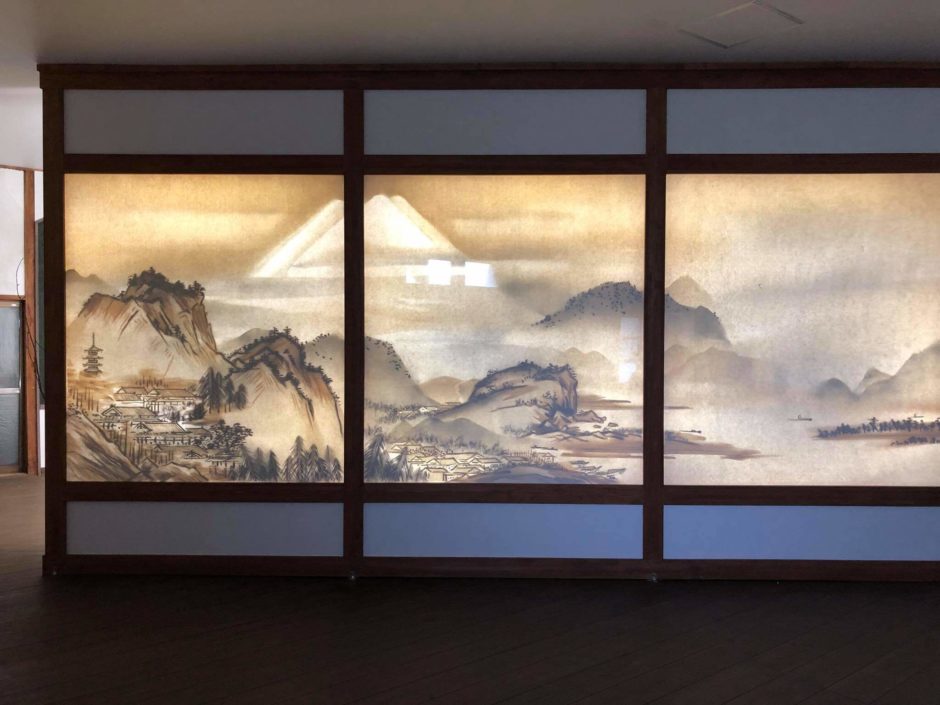
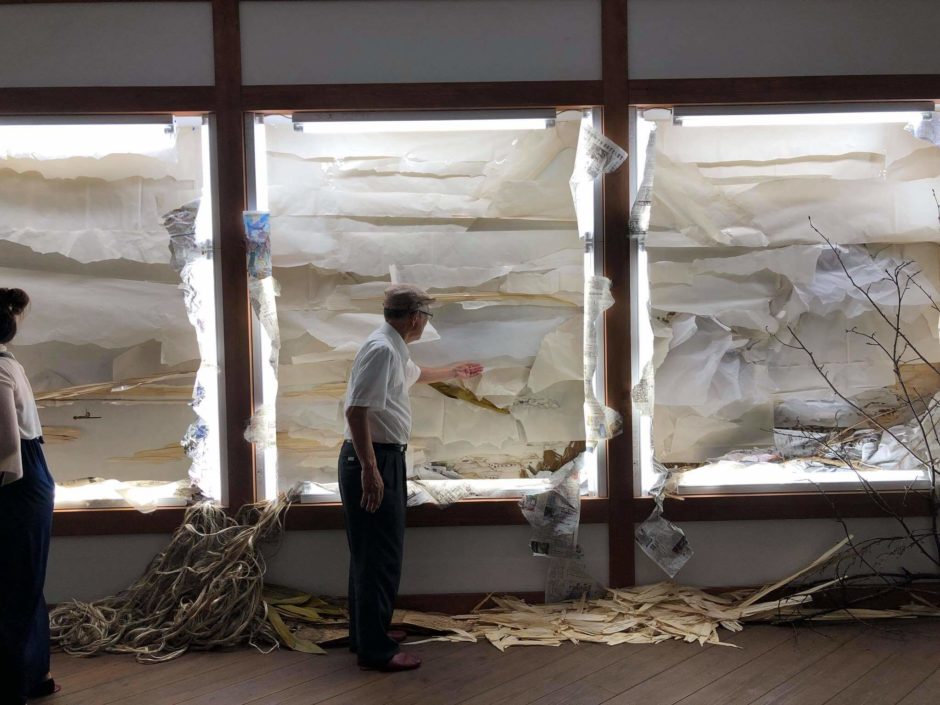
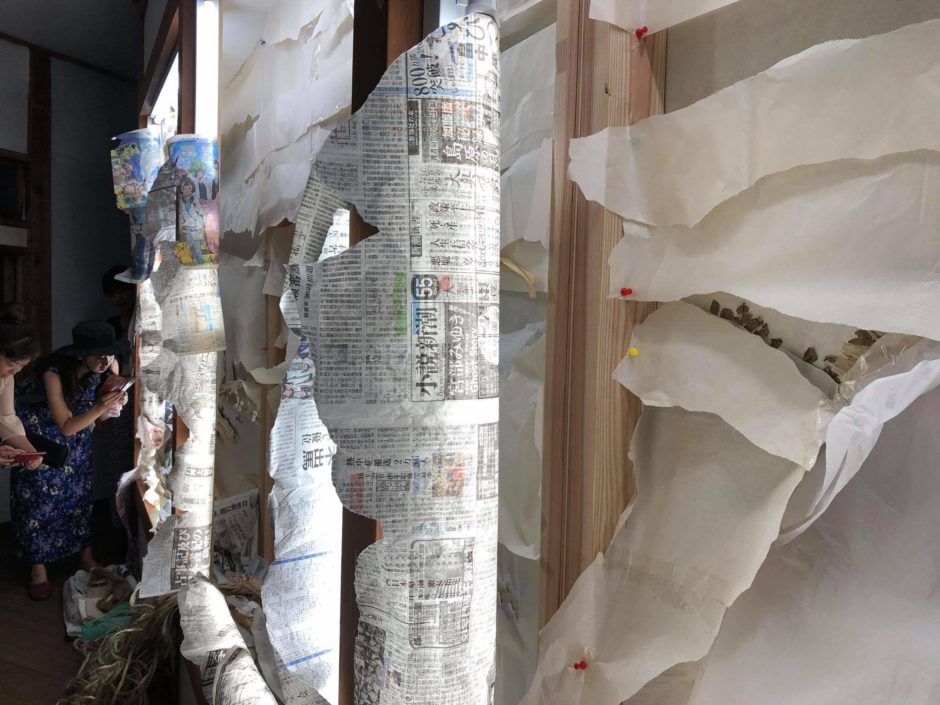
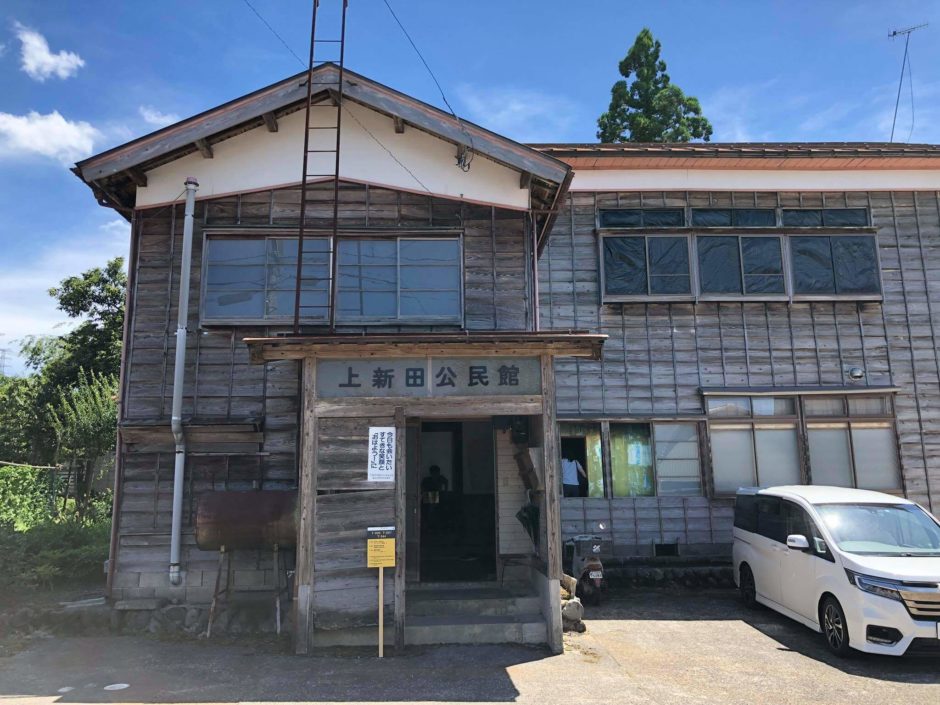
One of the old classrooms now houses Hachi Café. Of all the venues, this museum is the favourite among our staff at Satoyama Jujo. Background Story – Xu Bing Drive downstream along the Shinano River for about ten minutes from central Tokamachi and you’ll reach Kamishinden Community Centre. Go up to the first floor and there, filling your view, is Xu Bing’s new work for this festival. At first it looks like a beautiful landscape painting, nothing more. Walk round the back and you’re in for a surprise: that ‘ink painting’ is made entirely of shadows. You’ll find yourself going back and forth, trying to see how it’s done and how those shadows manage to convey so much.
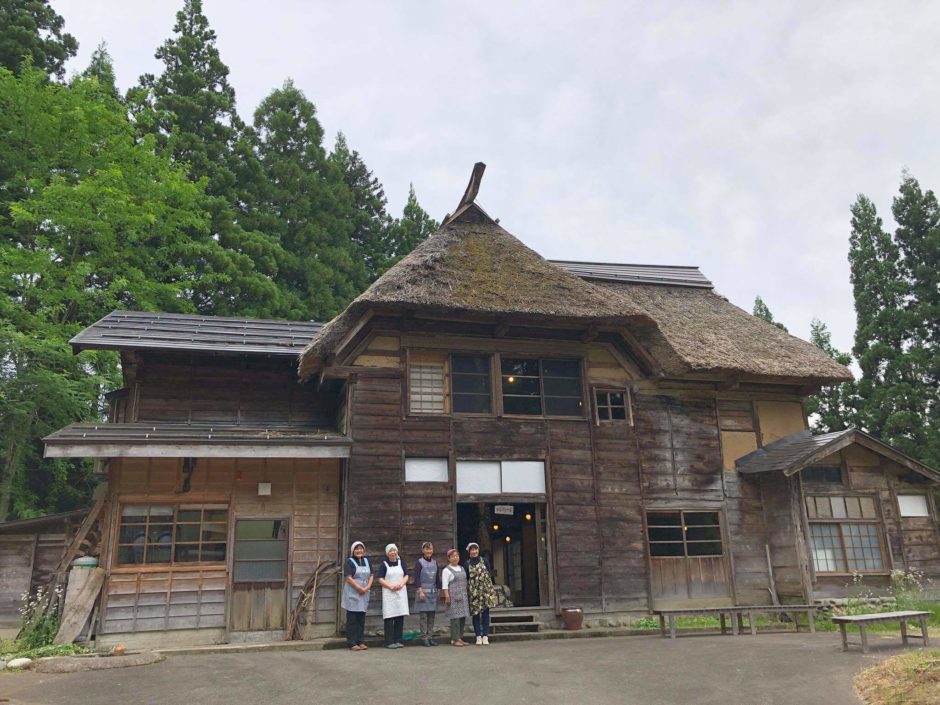
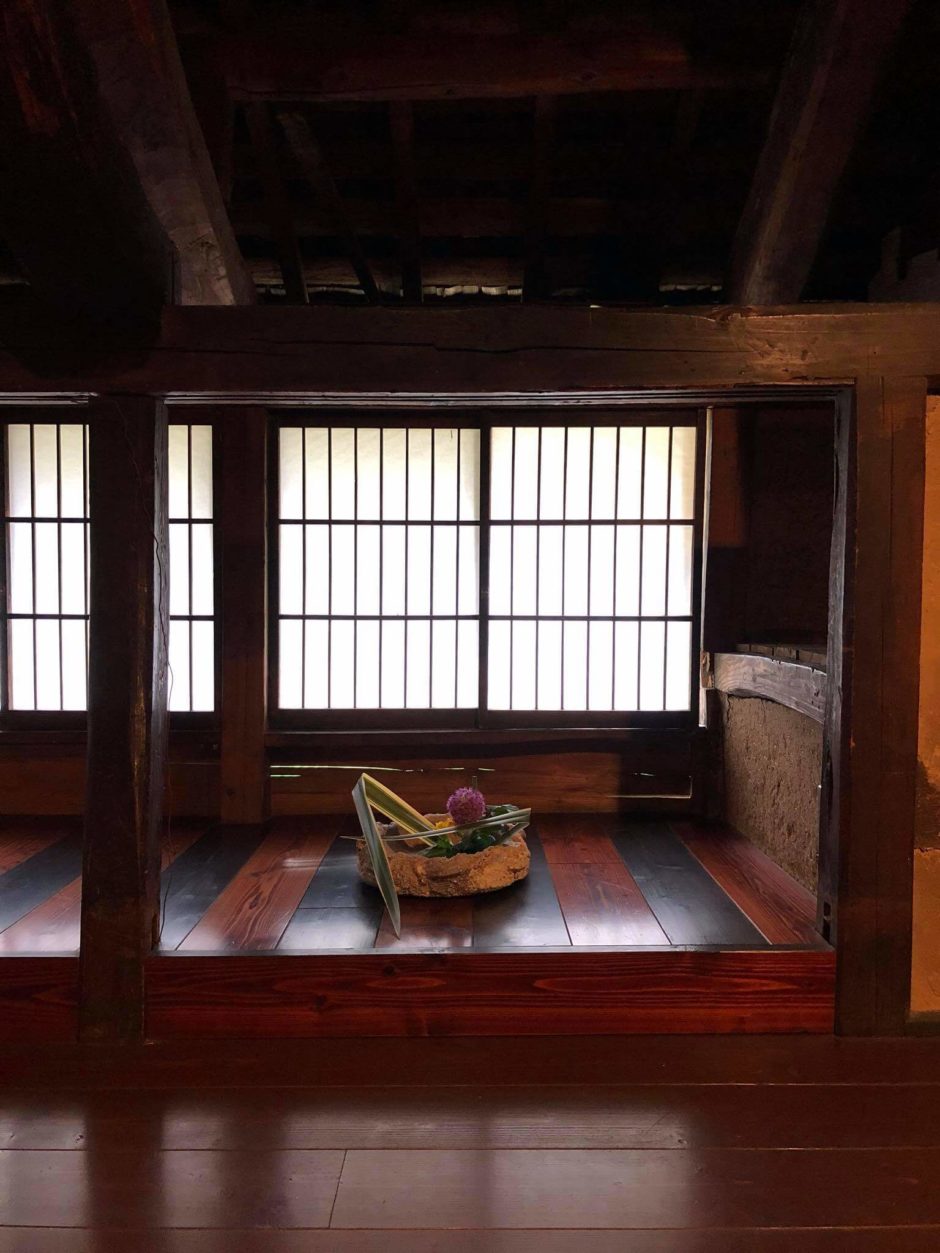
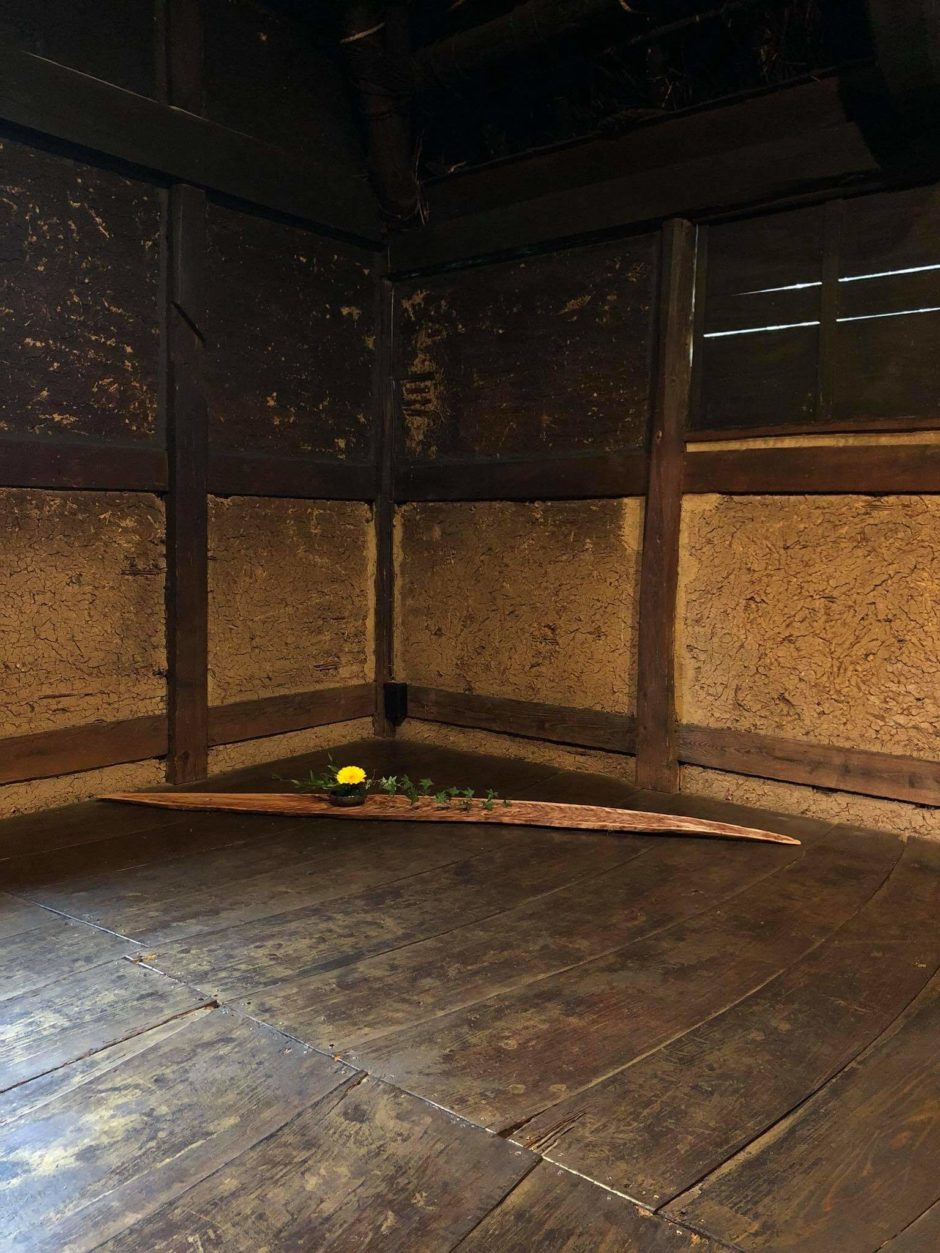
The wooden community centre has long been dear to the village. The way the work makes use of an old building is characteristic of the Echigo-Tsumari Art Triennale. Don’t miss it. Ubusuna House Alongside the Museum of Picture Book Art and Nuts, Ubusuna House is a firm favourite with our staff at Satoyama Jujo. In this work from 2012, a traditional old house and the many pieces of pottery within it come together beautifully.
During the Triennale it’s also hugely popular as a place for a good meal. The village’s lively, endearing mothers make what’s known locally as inaka gottsuo: a feast of country cooking.
The mountain village is about 20 minutes by car from central Tokamachi. It’s a little out of the way, but well worth a special trip! There’s something genuinely restful about sitting down to a meal here, with the quiet countryside all around. There are many more works worth seeing; for those, we’ll leave you to the official guidebook. You could easily spend two days exploring the Tokamachi area alone. That’s what’s so remarkable about the Echigo-Tsumari Art Triennale.
The information in this article was current at the time of publication.