


The great pleasure of the Echigo-Tsumari Art Triennale is getting to know the way of life in this rural part of Niigata. It may be hard to believe, but as recently as the decade from 1965 to 1974, many hamlets were still cut off each winter. You hear stories of primary school children who spent the winter with relatives down in the villages and still had more than an hour’s walk to school each way.
That’s why the old houses are still here, why people still make fermented foods and other traditional fare, why wild mountain vegetables are still so plentiful, and why saving seed from traditional local varieties of vegetable is simply something people do for themselves.
‘Echigo-Tsumari’ isn’t an age-old place name. Fram Kitagawa coined it. Tsumari has the sense of the Japanese expression todo no tsumari: ‘the very end’. They say the country at the far end of Niigata, where the snow lies deep and the Shinano River changes its name to the Chikuma, used to be called Tsumari. Kitagawa put ‘Echigo’, the old provincial name, in front of that ‘very end’, and so gave us a term that sounds like a place name: Echigo-Tsumari.
To get to know the real Echigo-Tsumari, then, you need to get a feel for life at ‘the very end’. We hope you’ll discover, with all five senses, how much that way of life matters today and how rich it is, perhaps contrary to what you might expect. Matsunoyama and Matsudai are just such places, where life at ‘the very end’ is peaceful, unhurried and rich today. Here, then, are the works in Matsunoyama that we at Satoyama Jujo wouldn’t want you to miss, some new and some from earlier festivals. Dream House
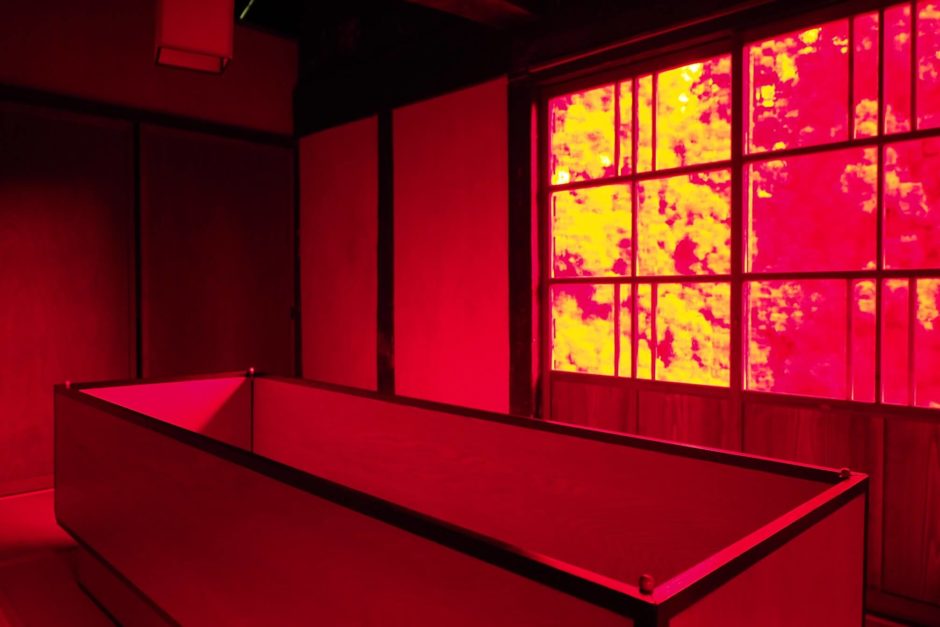
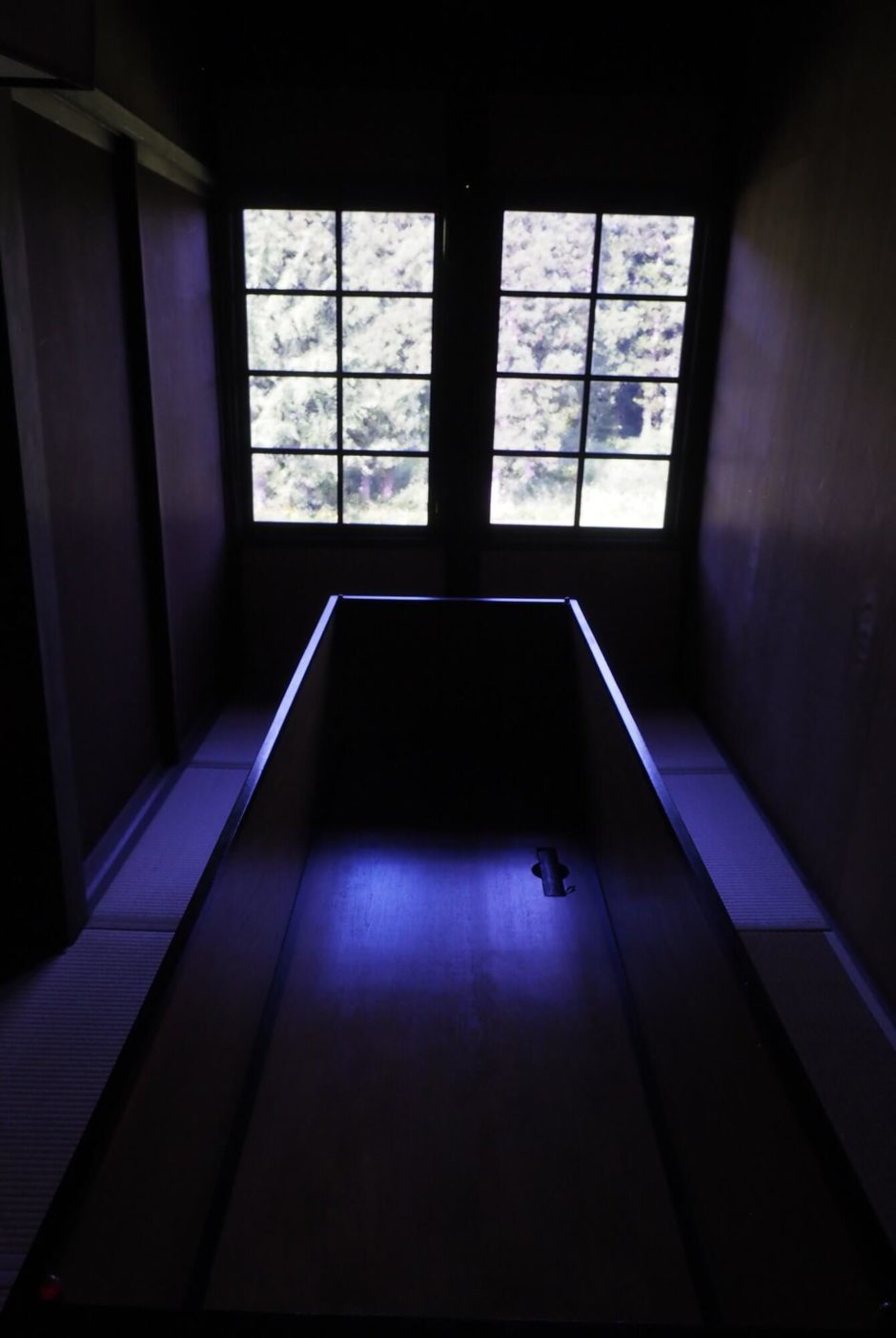
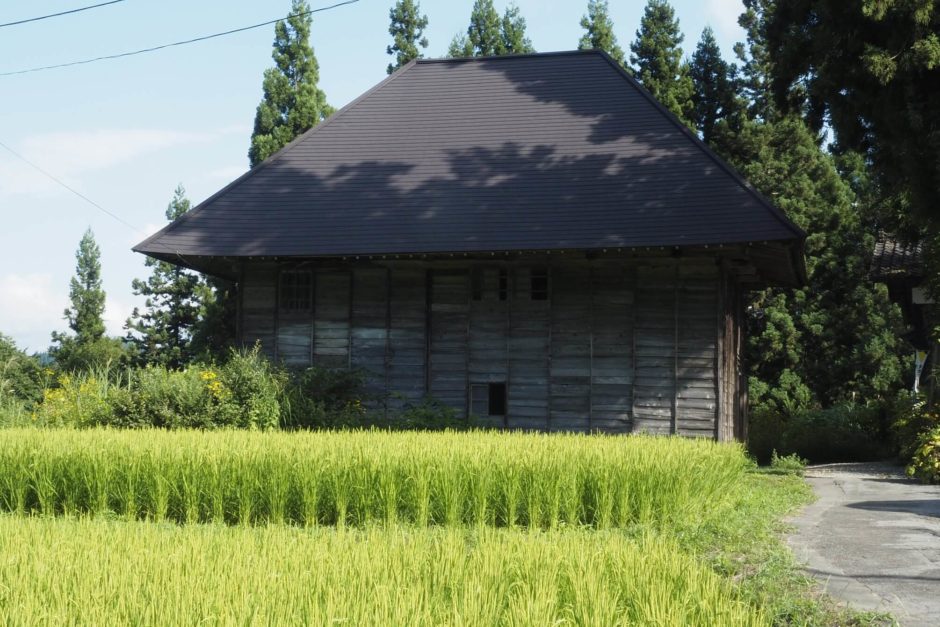
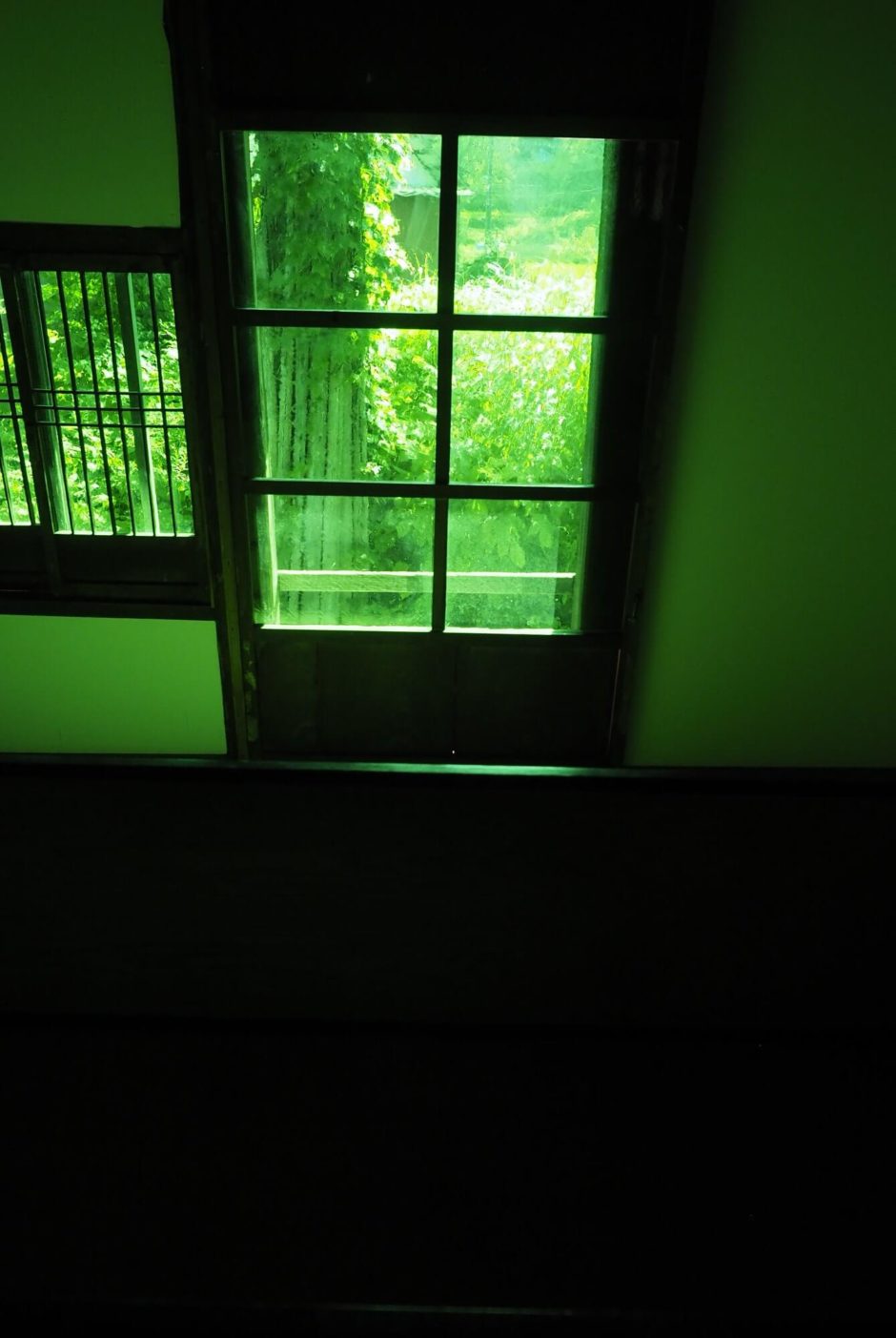
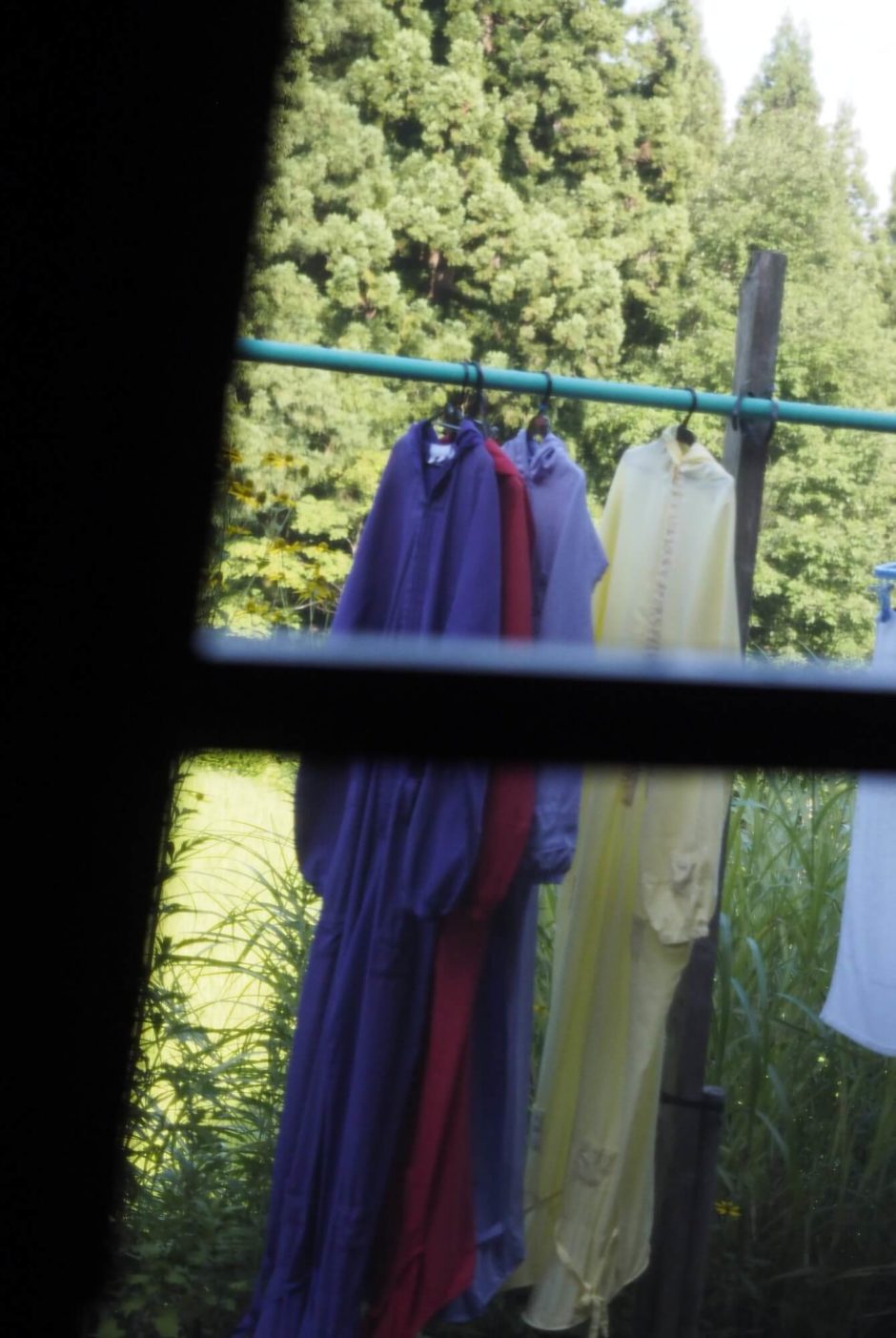
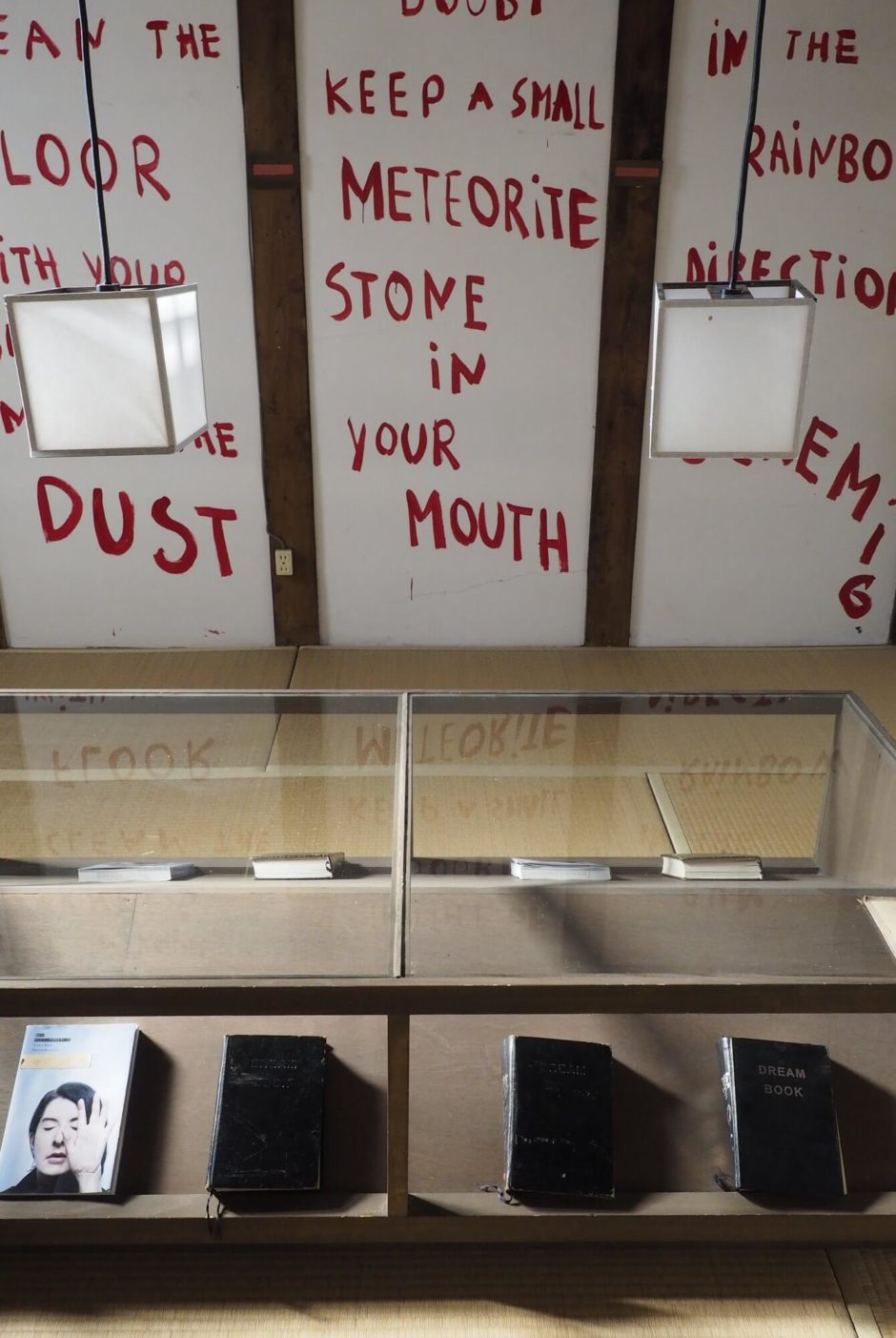
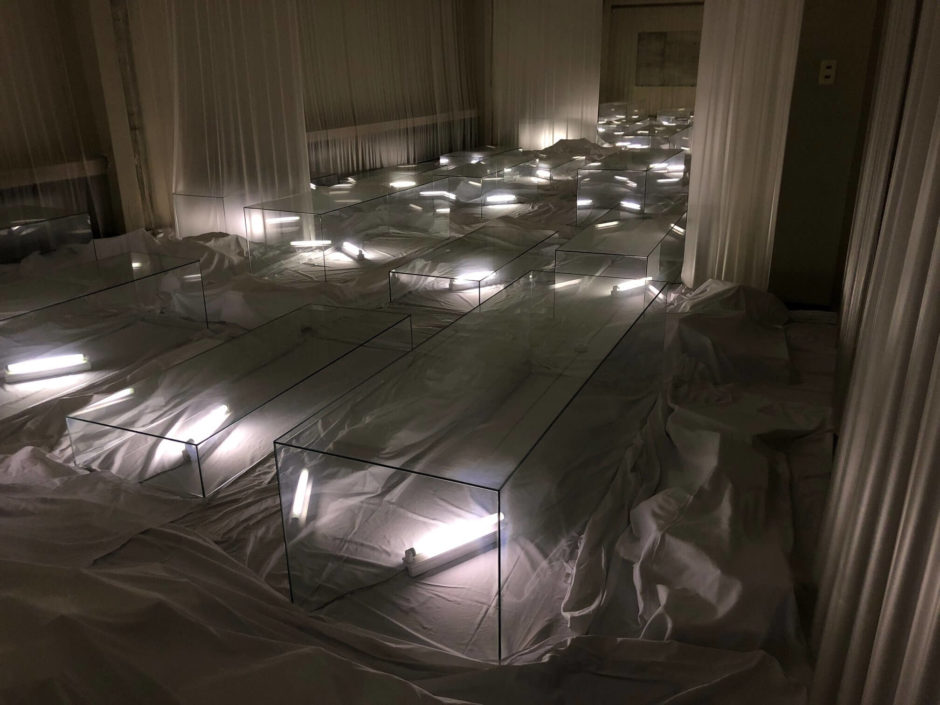
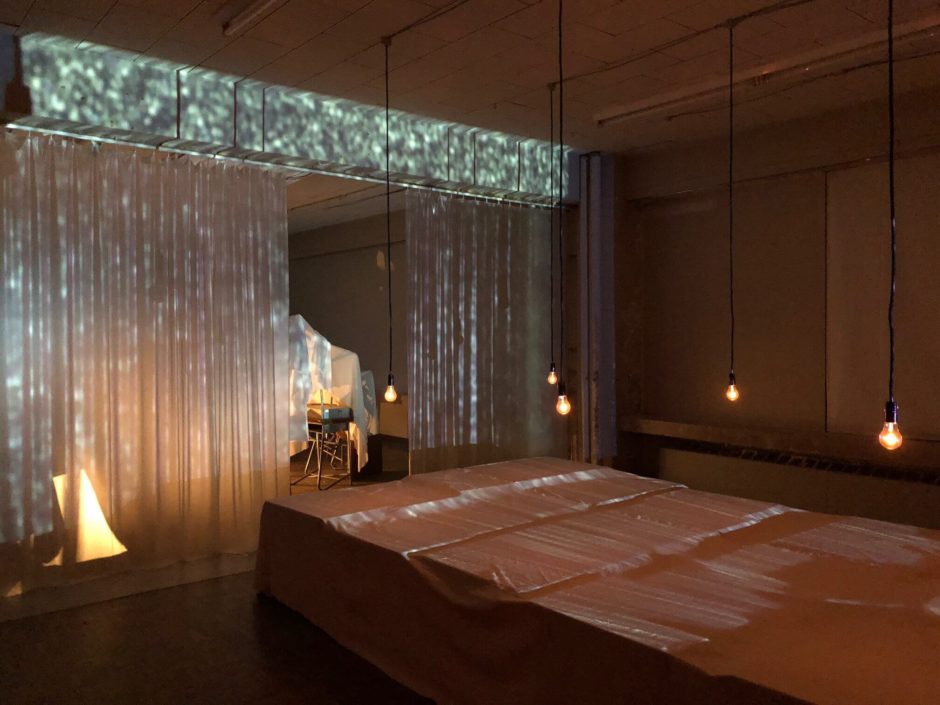
Marina Abramović, who comes from the former Yugoslavia, made Dream House for the first Triennale in 2000. You could call it the face of the festival. To take part, you change into a suit made for dreaming, spend the night in one of these boxes, which serves as your bed, then write down what you dreamt. Of course, you’re welcome just to look. The farming country around the house could hardly be more peaceful. The photographs might give you a fright, but people who spend the night seem to sleep surprisingly soundly. Elixir of Life
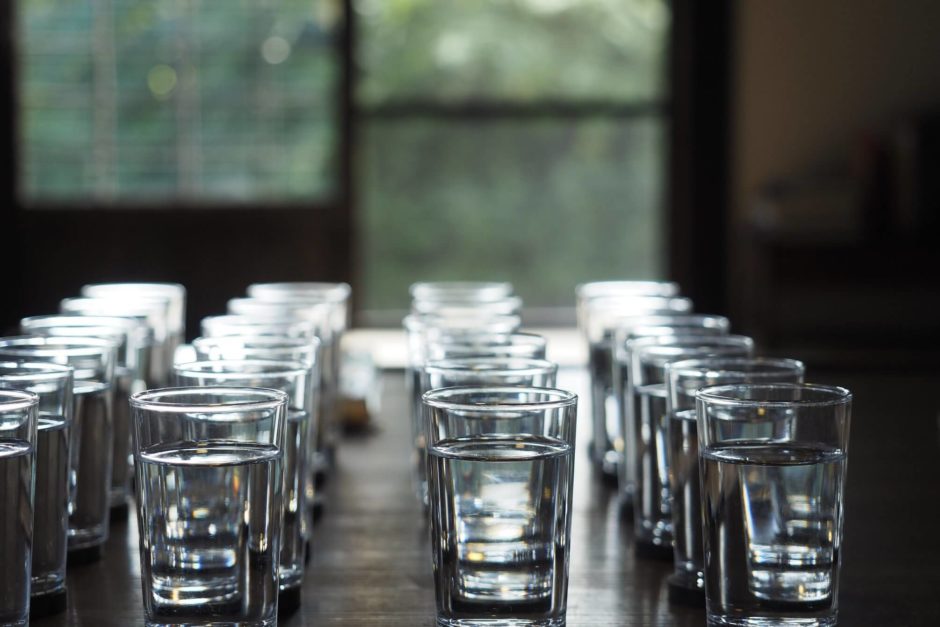
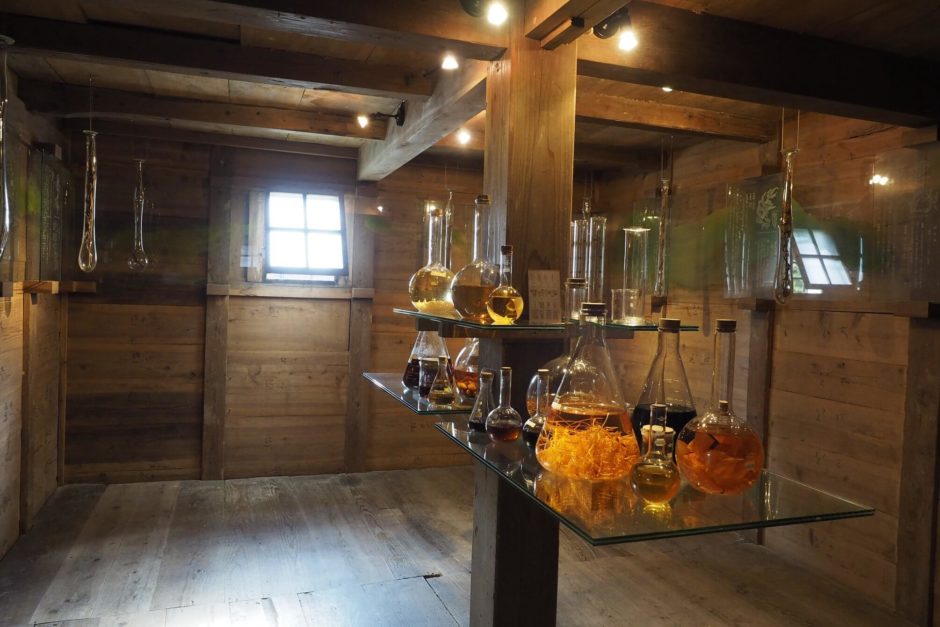
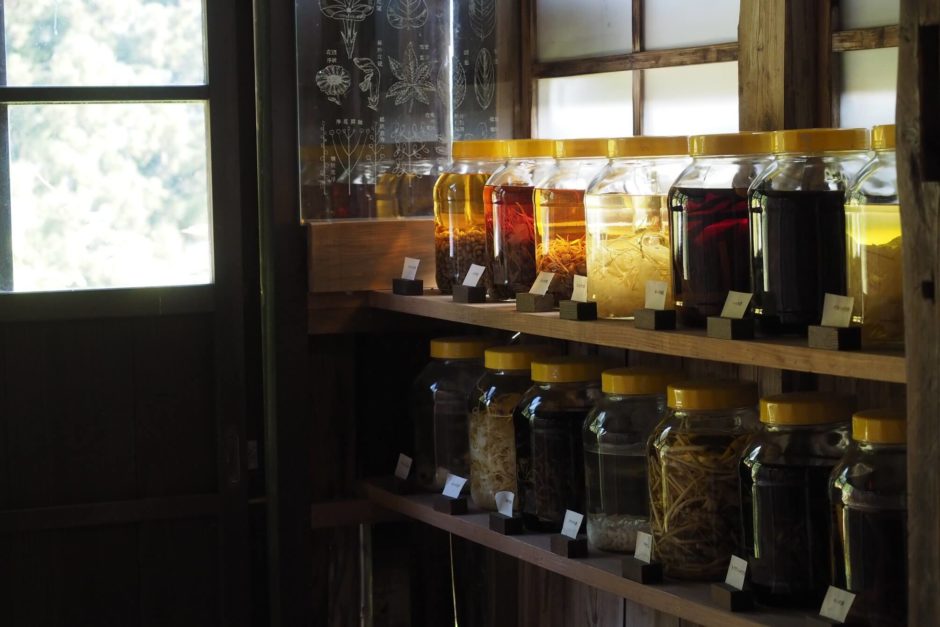
Next door to Dream House is this 2003 work by Australian artist Janet Laurence. On display are rows of herbal liquors made by steeping locally gathered herbs and flowers in alcohol. You can see at a glance how closely the people here have lived with nature. House of Harvest
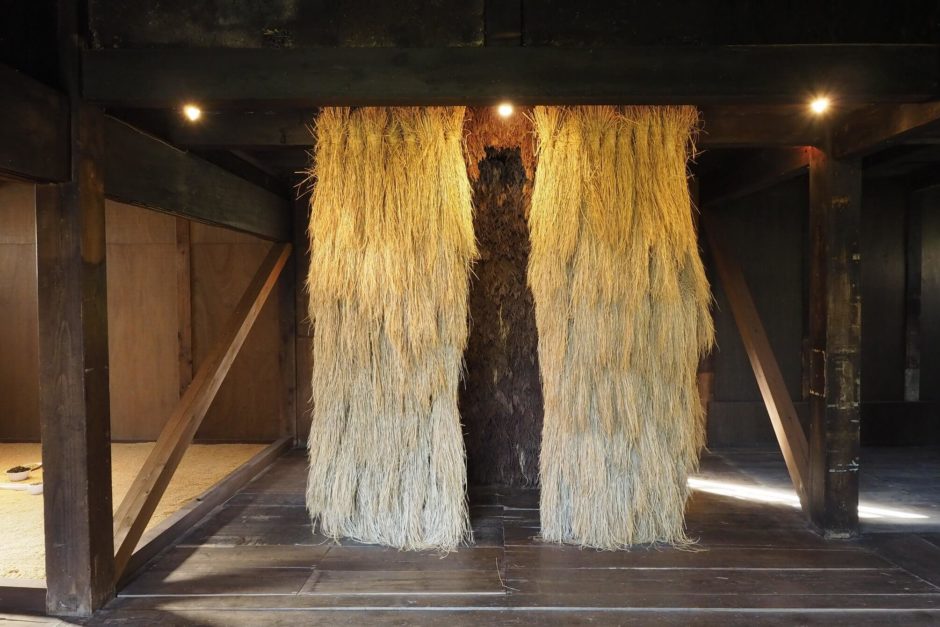
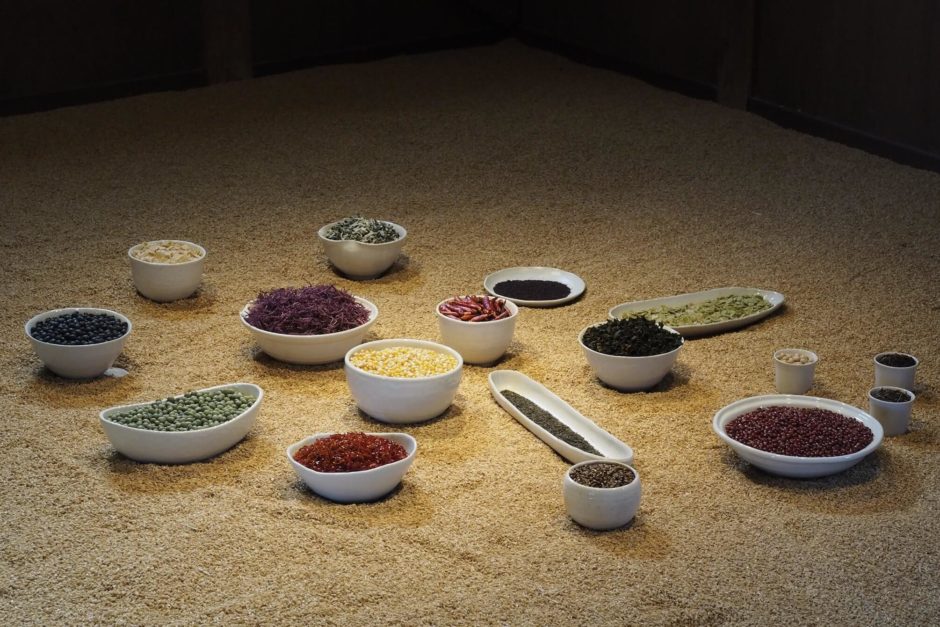
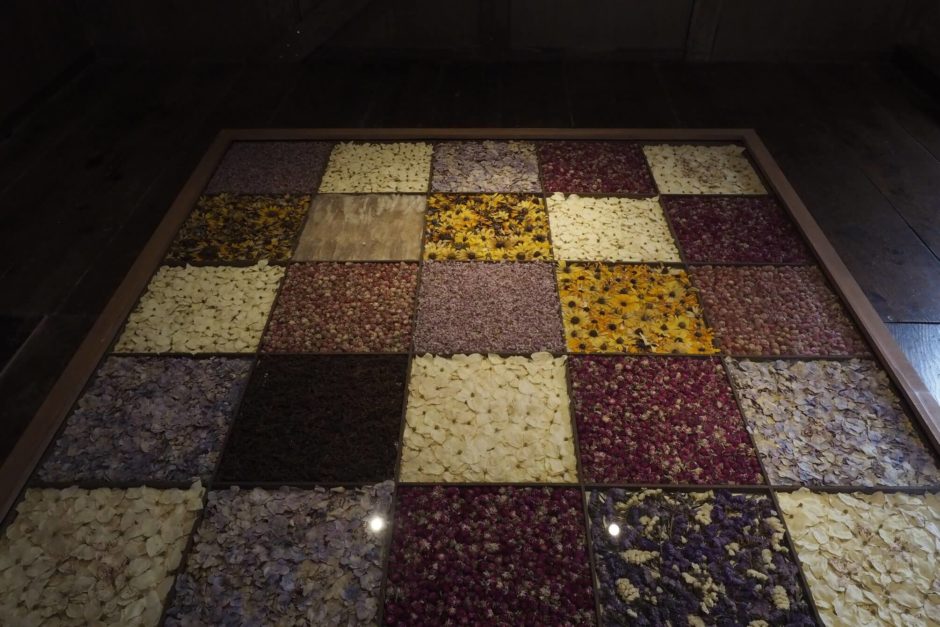
Like Elixir of Life, this 2003 work by Australian artist Lauren Berkowitz evokes the land and climate of the region, its history and its culture. It’s in the same hamlet, Kamiyu, a minute’s walk from Dream House. The Last Class
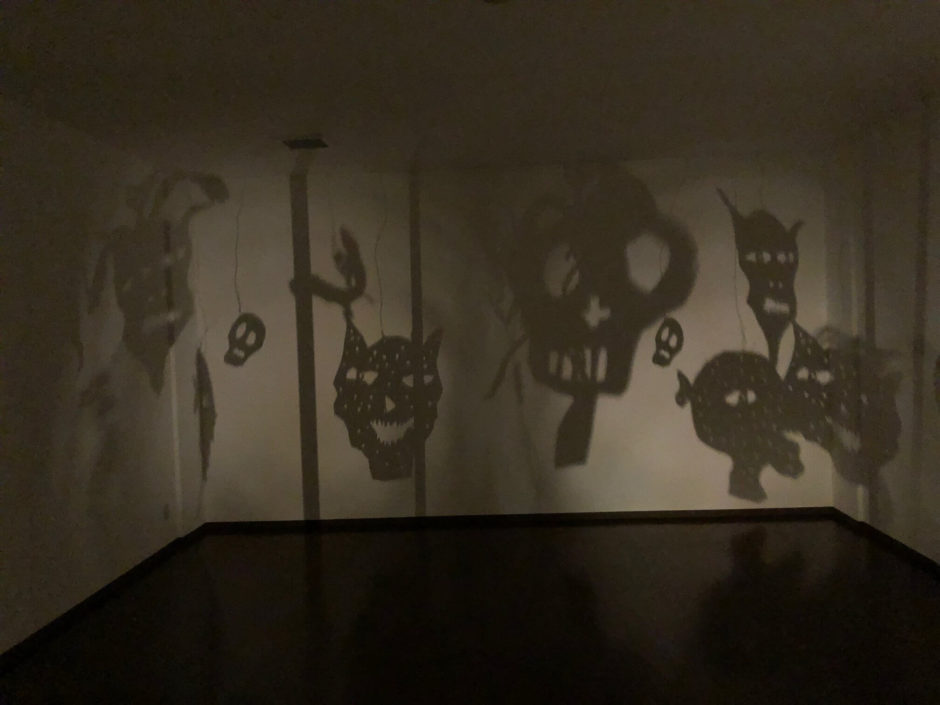
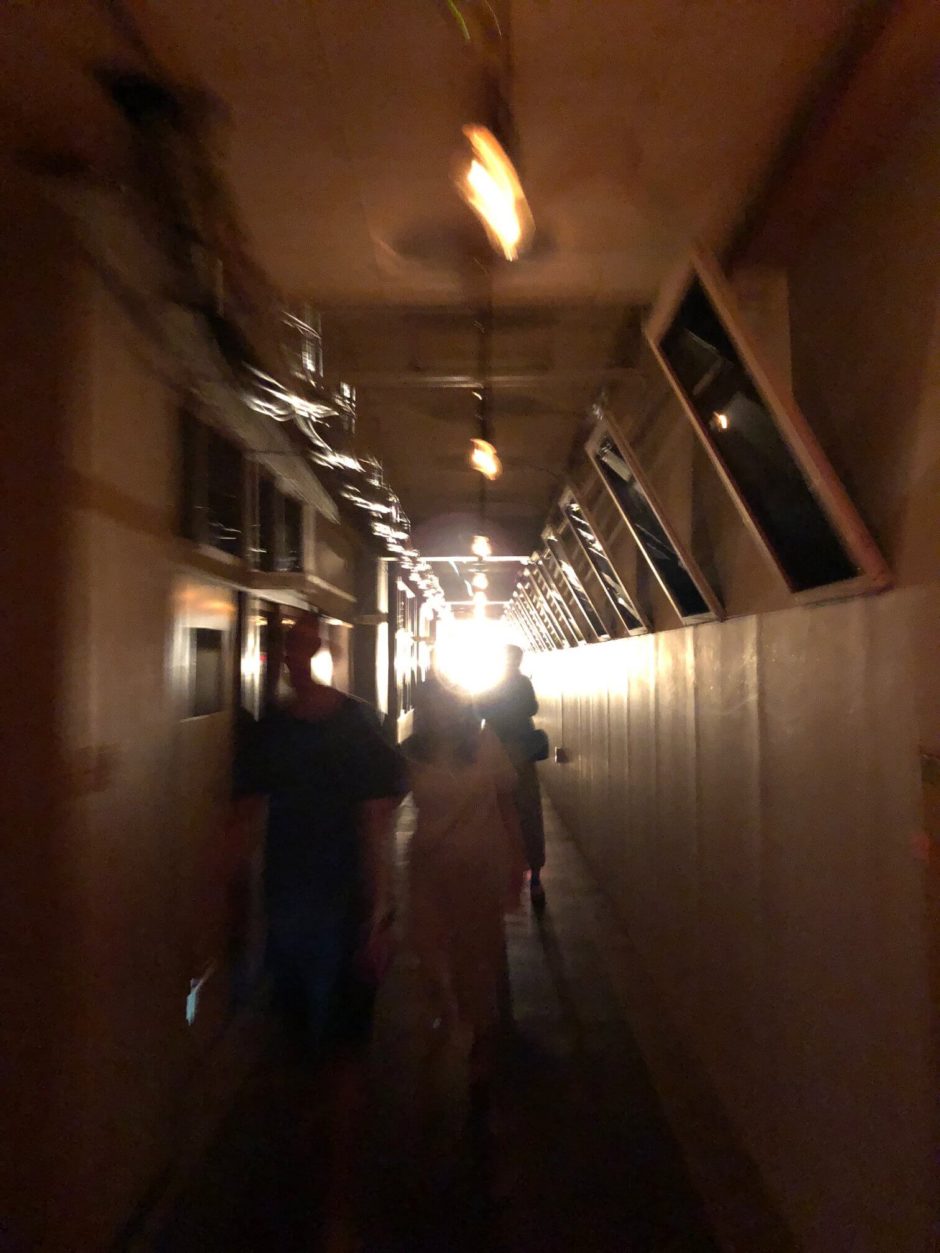
The celebrated French artist Christian Boltanski made this large-scale installation in a former primary school in 2006. It’s a particular favourite with visitors. This year the entrance has been redesigned, and there’s a new work, The Theatre of Shadows – The Cheerful Ghosts. Black Symbol
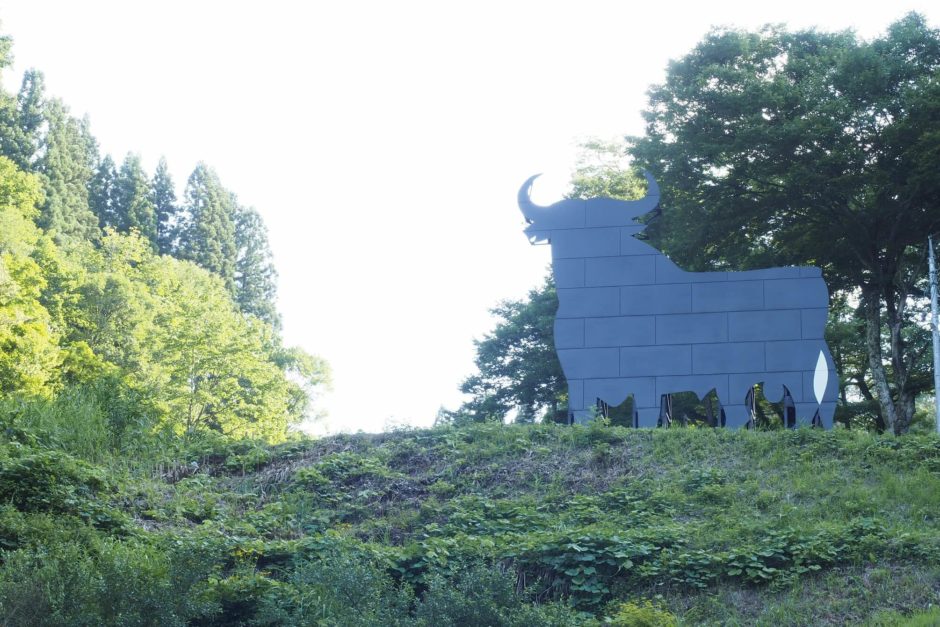
New for 2018 is this work by Santiago Sierra. A giant bull, an emblem of Spain, towers over the far end of the hot-spring village of Matsunoyama Onsen. Here, cattle were indispensable companions on the farm; they were family. Niigata had no tradition of eating beef (you don’t eat family), and pork was the usual choice for both sukiyaki and shabu-shabu, two hotpot dishes. Perhaps that’s why the bull seems so much at home in Matsunoyama Onsen. House Memory
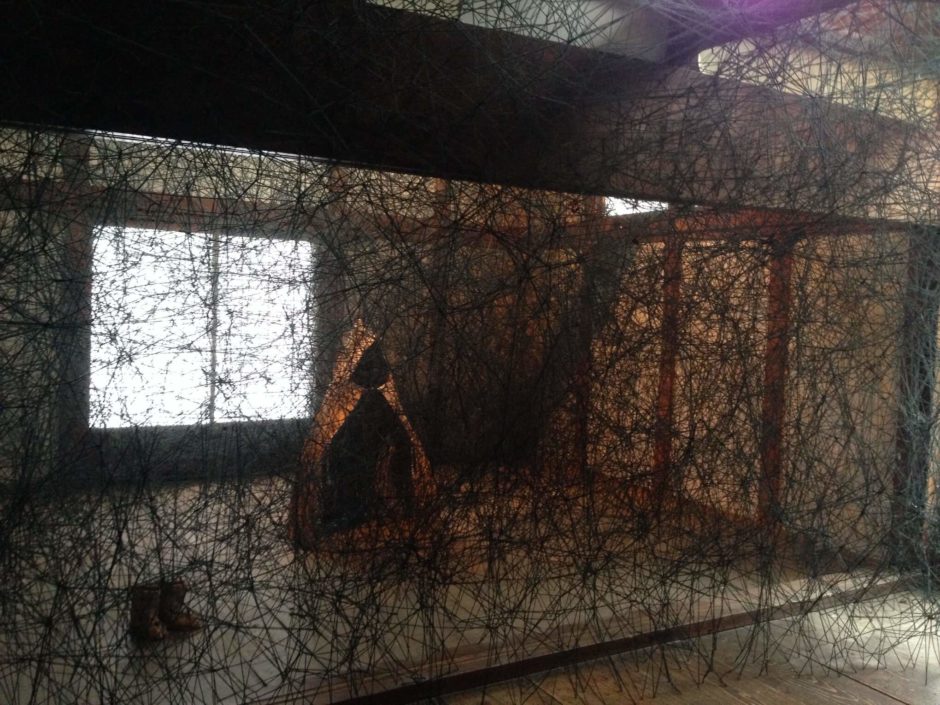
In this 2009 work by Berlin-based artist Chiharu Shiota, strands of black wool criss-cross the house from the ground floor right up into the roof space. At first glance, many of the works in Matsunoyama may seem hard to fathom. What distinguishes them is how quietly they invite us to consider things fundamental to being human: the reverence for our ancestors that we are in danger of forgetting, the power of the land itself, and what makes a life truly rich. At this time of summer, Matsunoyama’s terraced rice fields and the countryside around them are so beautiful they seem like paradise. Yet in another four months the long winter will set in. Picture that winter as you go from one work to the next, and you’ll feel their power all the more. Osawayama, the hamlet where you’ll find Satoyama Jujo, is another of those places at ‘the very end’. In winter you couldn’t drive up here, and we’re told it took more than an hour to walk to primary school.
That’s what gives us these landscapes. That’s what gives us these flavours.
We hope you’ll visit both Satoyama Jujo and the Echigo-Tsumari Art Triennale and get a feel for Niigata’s land, climate and culture for yourself. Room availability at Satoyama Jujo
Only a few rooms are left during the Triennale, even on weekdays, so please book early. We do get cancellations, though: check the website regularly and you may spot a room! September is filling up even for dates after the festival. Bookings for the autumn colours began to pick up in earnest around last week, too. If you’re planning to come during the month from mid-October to mid-November, please book early.
The information given here was current at the time of publication.