


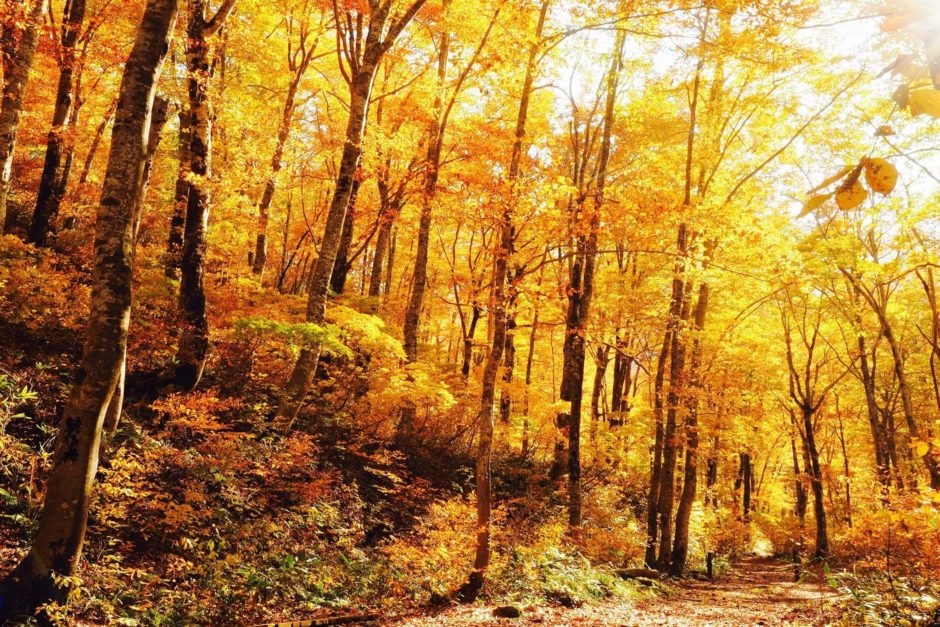
For the finest autumn colours within reach of Tokyo, head to Uonuma in Niigata Prefecture. It’s one of the snowiest parts of Japan, ringed by mountains some 2,000 metres high, among them Mount Tanigawa, Mount Naeba, Mount Makihata and Echigo-Komagatake.
Which trees grow on a mountainside determines not just the colours you see in autumn, but the look of the whole landscape. The Tohoku region of north-eastern Japan owes its reputation for autumn colour above all to its extensive beech woods. The beeches turn shades ranging from brilliant yellow to red, until the whole mountain seems ablaze.
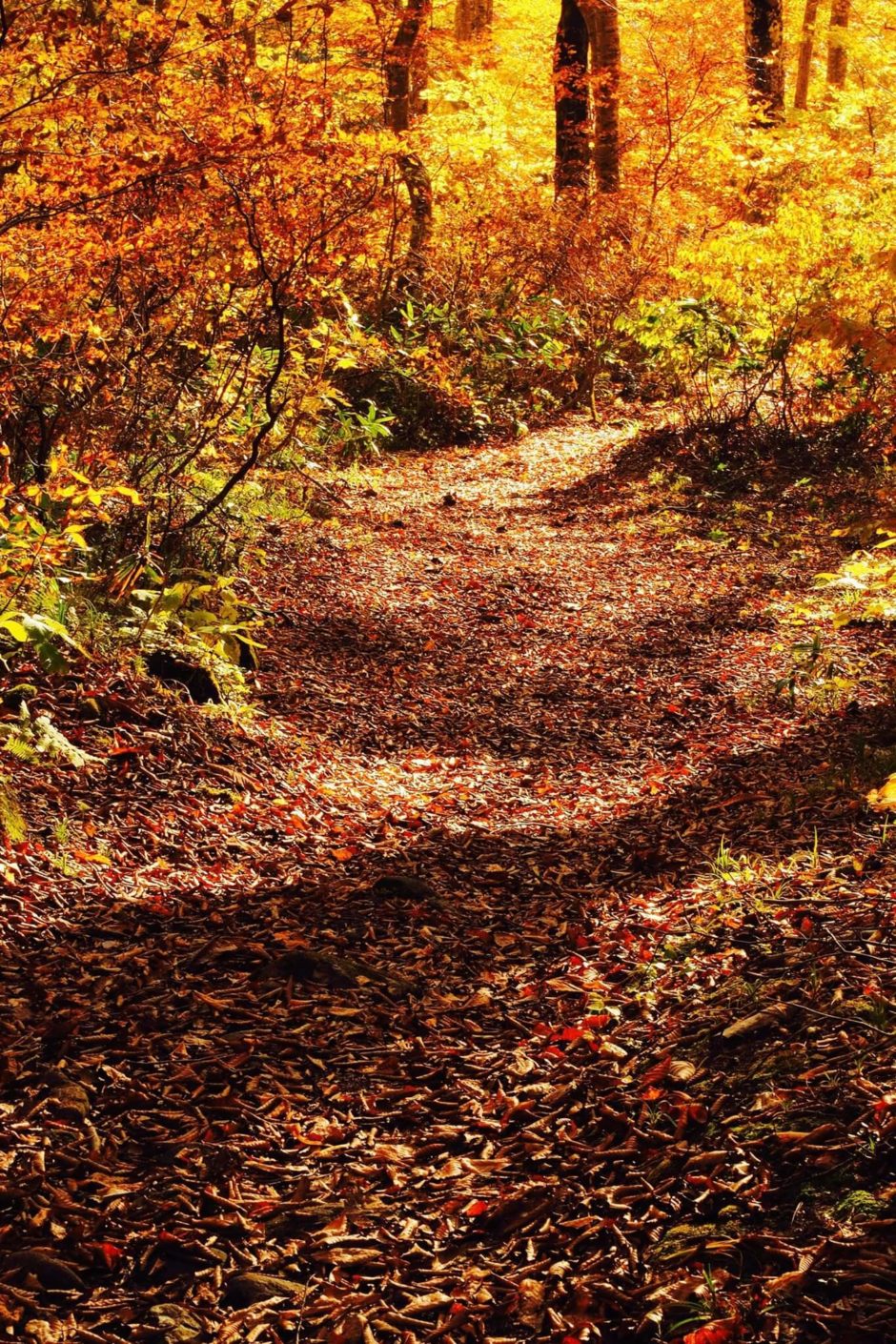
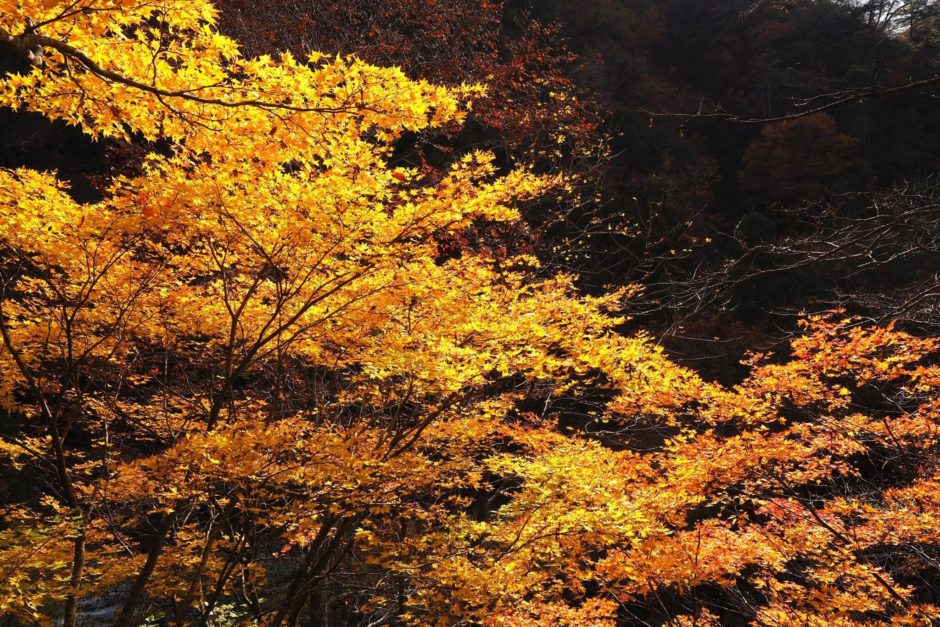
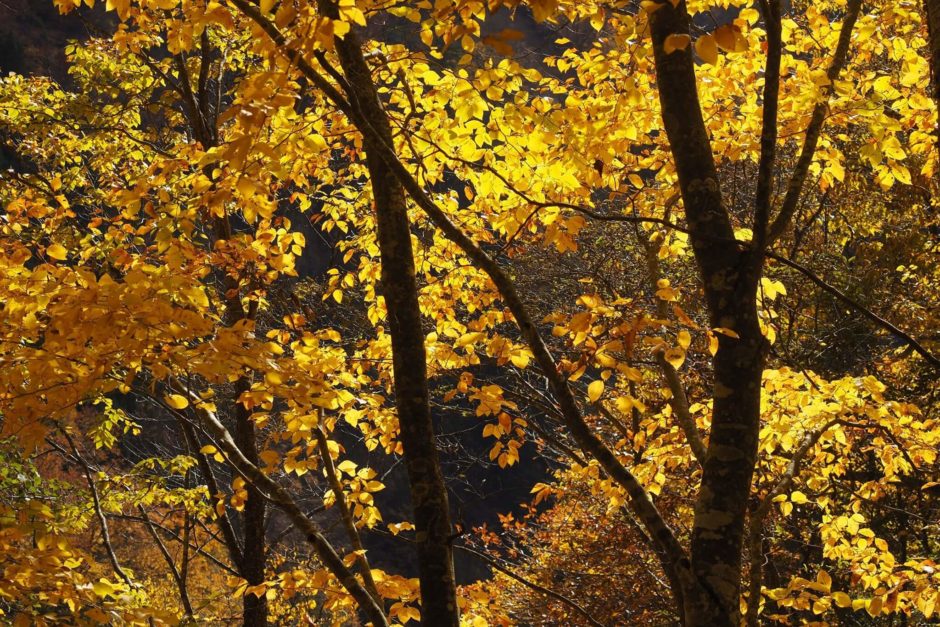
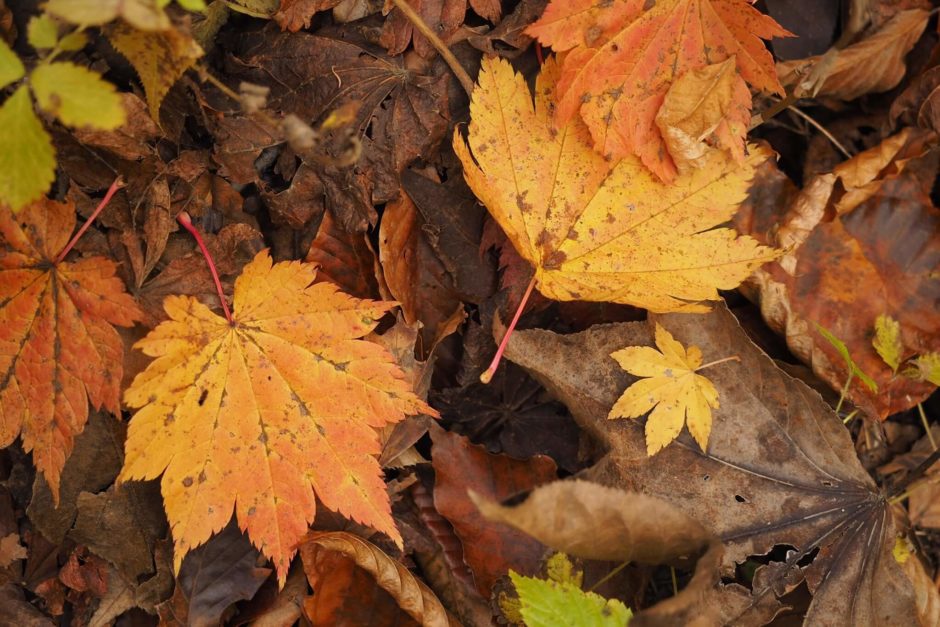
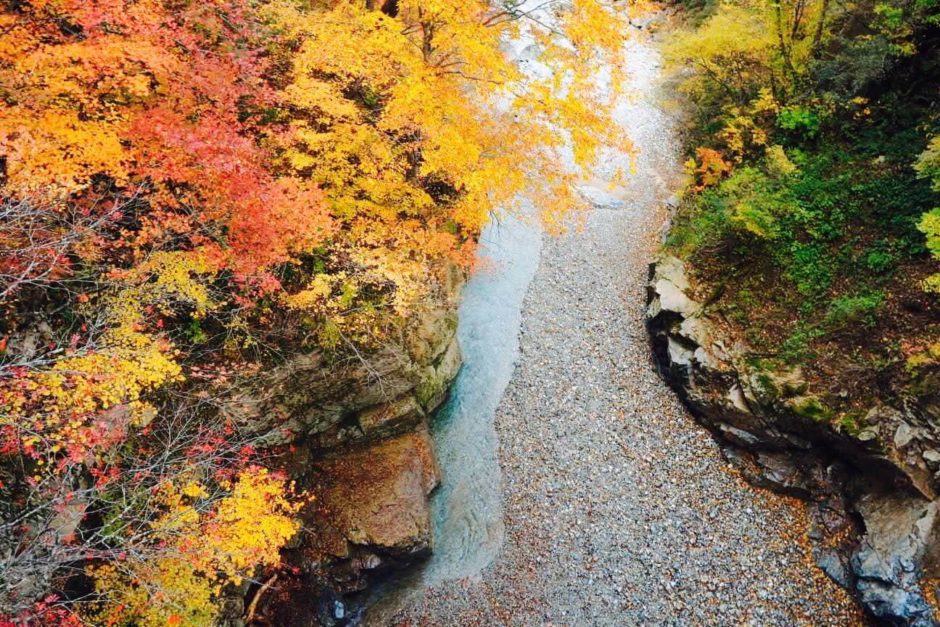
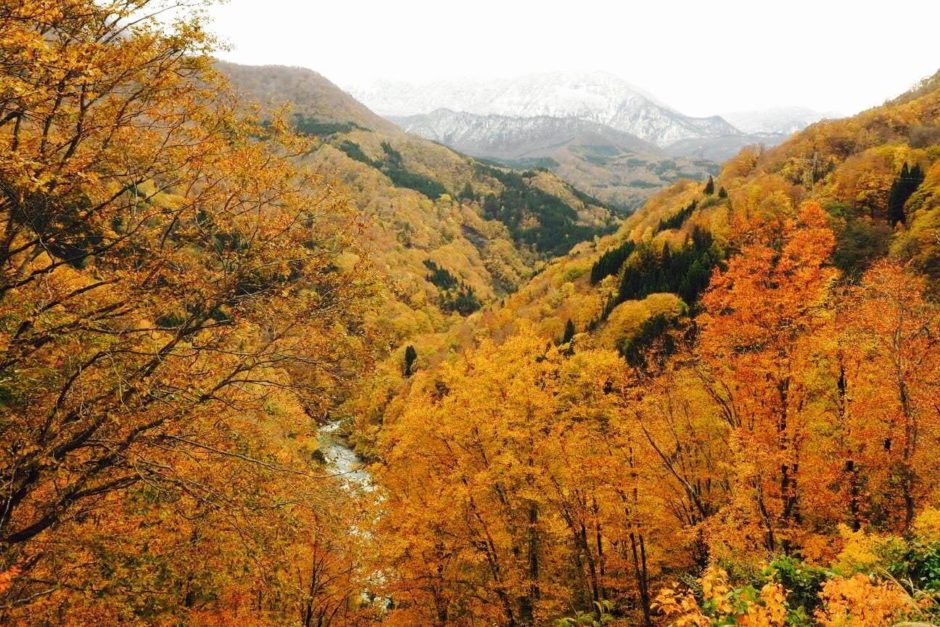
But you needn’t go all the way to Tohoku to see beech woods on that scale: you’ll find them here in Niigata. These woods are characteristic of Japan’s snow country. Even on the same mountain, the trees on the Niigata side of the prefectural boundary are quite different from those on the Gunma side. And because Uonuma lies in a basin, there’s a sharp contrast between daytime and night-time temperatures. That’s the secret of autumn colours to rival Tohoku’s.
There’s something else about autumn colour in Uonuma: how long it lasts. Over two months the colour sweeps down from 2,000 metres to the satoyama at 150 metres – the wooded hills and farmland around the villages. It starts on the heights in late September and reaches the foot of the mountains in late November. This year, the ‘Japan Sea Gastronomy’ tourism campaign coincides with the season. Do come to Uonuma in Niigata this autumn for the colours, the hot springs and the good food. Mid- to late September
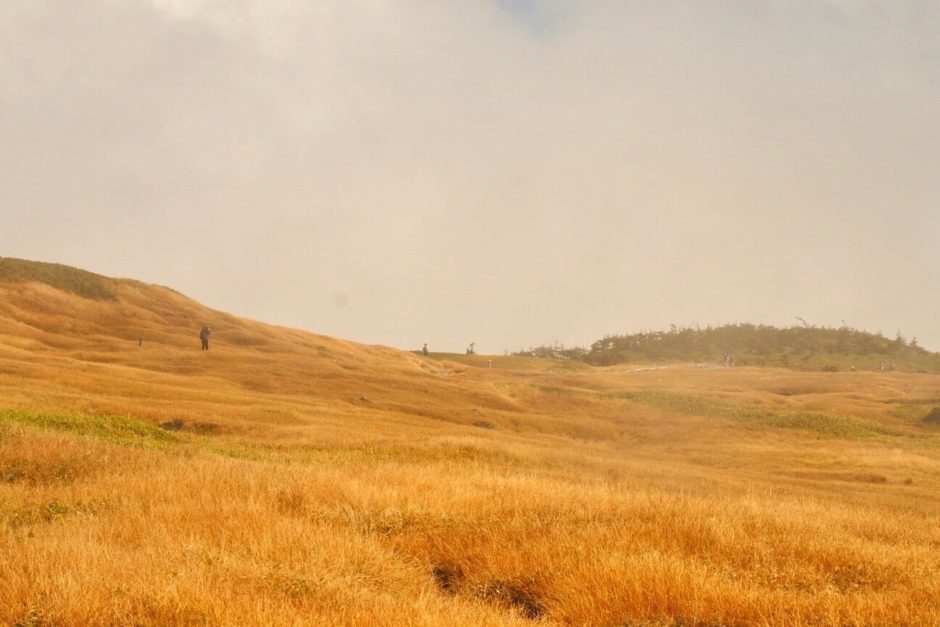
In late September the grasses near the summit of Mount Naeba are at the height of their autumn colour, while down in the satoyama the rice harvest is in full swing. Clear air, red dragonflies and golden rice fields: mid- to late September is Uonuma at its most beautiful. When the fields gleam gold at sunrise or sunset, they may be lovelier even than the autumn leaves. Early to mid-October
The leaves begin to turn in earnest. If you’re planning a climb, we recommend Mount Tanigawa. Take the cable car to Tenjindaira and it’s a three-hour climb to the summit, with sweeping views of the mountains along the Niigata–Gunma border. The cable car is about an hour away. Mid-October
The autumn colour season begins along the Dragondola cable car route. The trees near the upper station start to turn in early October, and there’s colour to enjoy along the route for nearly a month. If you’d rather walk among the autumn leaves, Mount Hakkai is at its best now. Take the cable car and it’s a two-and-a-half-hour climb to the summit. Late October
The leaves along the Okutadami Silver Line are at their best: it’s time for a drive to see the autumn colours. Ginzandaira is one of the loveliest spots in Uonuma for the leaves. At this time of year you can also see a sea of cloud almost every morning. Early November
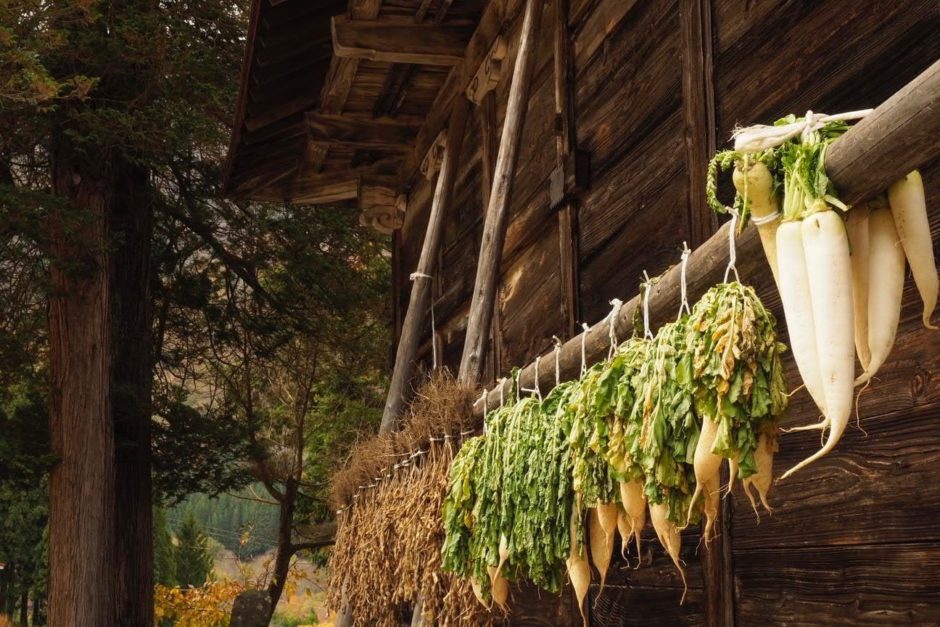
The mountains around Satoyama Jujo begin to take on colour. Early November is also the best time to see the leaves around Kiyotsu Gorge Tunnel and along the Uonuma Skyline. The rice harvest is over, and daikon radishes and persimmons hang drying under the eaves of village houses. There’s something restful about the sight of these villages getting ready for winter. Mid-November
The autumn colour reaches the villages, and the first snow falls on the 2,000-metre peaks. From the open-air baths at Satoyama Jujo, the view takes your breath away: the pure white of the summits gives way to blazing reds that stretch from the middle slopes to the foot of the mountains. Late November
The last of the autumn colour lingers. The first snows reach lower and lower ground until, in late November, snow falls on the still-colourful hills around the villages. The contrast between scarlet maple leaves and pure white snow is magnificent. Around mid-December
One day, perhaps as early as around 10 December or as late as around the 20th, more than a metre of snow falls all at once, and the long winter begins. The snow piles up in silence, growing deeper day by day. To experience winter in Uonuma, we recommend coming between mid-December and the end of January. Satoyama Jujo: https://www.satoyama-jujo.com/Reservations and enquiries: 025-783-6777
Information was current at the time of publication.