


‘When’s the best time to visit Satoyama Jujo?’ We’re often asked this one. Here are our picks!
1. Late January and February for deep snow
Satoyama Jujo is in one of Japan’s snowiest regions. The snow reaches depths of three metres or more, and it’s deepest in February. Last year it topped four metres. It felt as though we had our own miniature version of the Tateyama Kurobe Alpine Route, with its towering walls of snow. We’re having a mild winter this year, but there should still be a good depth of snow by February. Even with all that snow, getting here is easy. The Joetsu Shinkansen runs on time however heavily it snows, and a fixed-fare taxi from Echigo-Yuzawa Station saves you having to drive on snowy roads. The fare between the station and Satoyama Jujo is a reasonable ¥3,600 (¥3,000 in summer). You’ll need to book the taxi in advance.
2. March for snowshoeing
Snowshoeing is the classic winter outing here. You can go whenever there’s snow, but when it’s falling heavily, what should be a walk can feel more like a forced march. And in a blizzard… In March the snow firms up underfoot, making walking easier, and the weather is more settled. It’s also a good month to see a sea of cloud: early on a clear morning, you’ll almost always see one spread out below you.
3. The fortnight after Golden Week
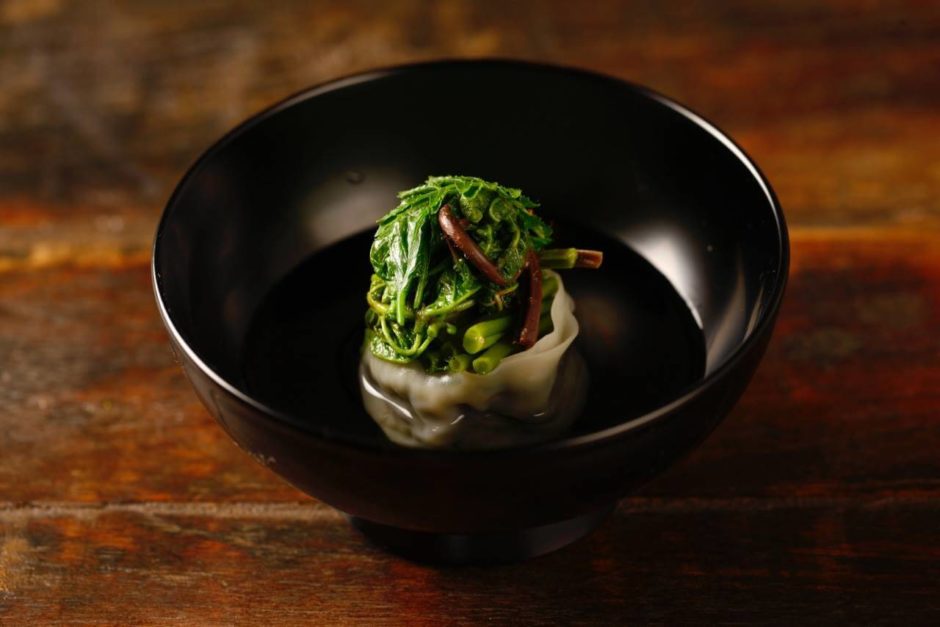
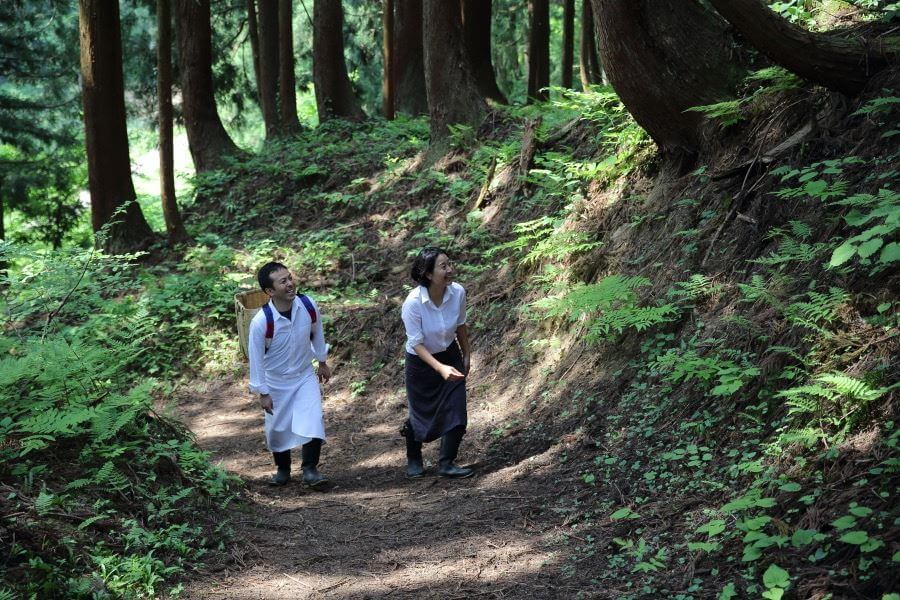
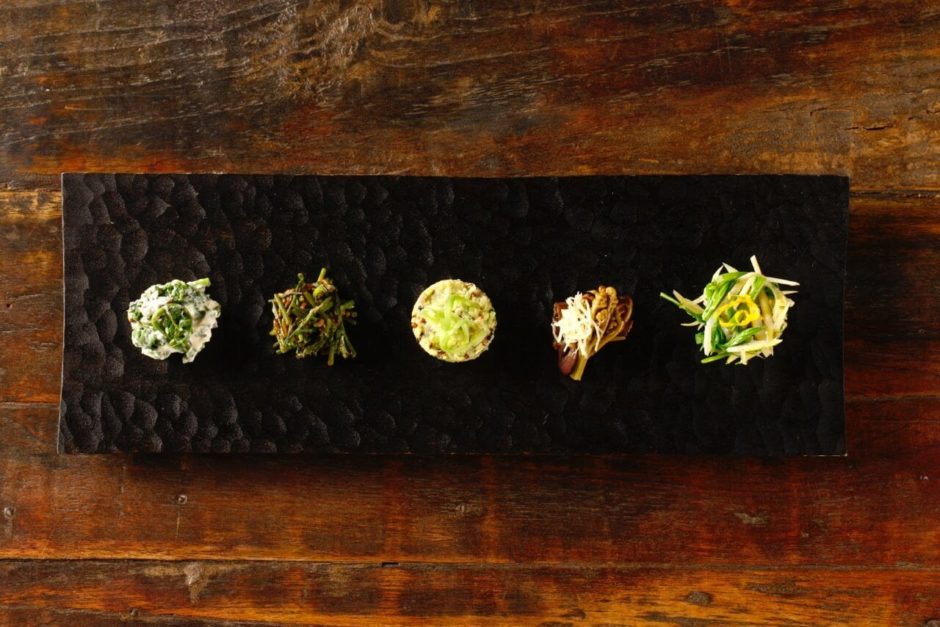
The snow around Satoyama Jujo usually melts about halfway through Golden Week, Japan’s run of public holidays in late April and early May. Then everything bursts into leaf at once. There’s still snow on the mountains, but all around us it’s green, and birdsong echoes through the woods. It’s like something out of a dream, a little piece of heaven. This is also when sansai, the edible plants that grow wild in the mountains, are at their most abundant. At Satoyama Jujo the whole dinner menu revolves around them. It’s the time of year when we see the most returning guests. And if you’re coming for the sansai dishes, we usually serve them until around 10 June!
4. The two months from 20 September to 20 November
The countryside around Satoyama Jujo is Japan’s finest rice country. From 20 September to around 5 October it’s harvest time for Koshihikari rice, and the paddy fields are gold. Then the leaves begin to turn on the higher slopes. The autumn colours reach Satoyama Jujo in early November, and you can still enjoy them lower down until around 20 November. We serve wild mushrooms for a month from early October, but supplies are unpredictable, so we can’t promise they’ll be on the menu. Think of it as a stroke of luck if you do get to try them.
5. December, the dark horse
With the autumn colour gone and not much snow yet, December might not look like much. But the ingredients are superb! Sado sends us snow crab and the very best winter yellowtail. The waters around Sado are fishing grounds for snow crab too, and you can enjoy it for considerably less than in Kanazawa, Mikuni in Fukui or Taiza in Kyoto. Our snow crab package is a great favourite at Satoyama Jujo at this time of year. More and more guests come for the crab in November and December, and for the winter yellowtail in December and January.
So which of those is the very best? We’d say February for the deep snow, and the sansai season for the wild mountain plants we serve at dinner. Of course, there are plenty of delicious ingredients in the other months too. From July we serve two of our specialities: a feast of aubergine dishes and ayu hegi soba, buckwheat noodles bound with seaweed and served with ayu, a freshwater fish. Plenty of guests come back for them! And the winter yellowtail in December is hard to beat. Come and find your own favourite season.
Satoyama Jujo booking website:
https://asp.hotel-story.ne.jp/ver3d/ASPY0000Calendaronly.asp?cod1=67480&cod2=001&dsp=0&lnk=on&mode&hchannel&kasho&dflt=2015%2F11%2F10
* The information given here was current at the time of publication.