


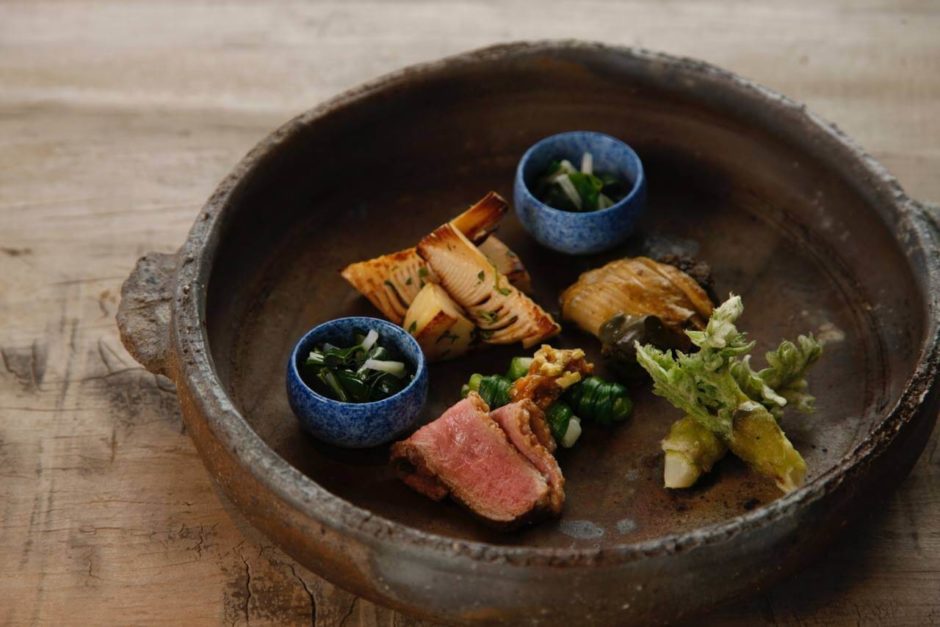
Our next monthly gathering at Satoyama Jujo is on 20 April. This time we’ll be picturing Edo (now Tokyo) and Niigata as they were in the Edo period. At the talk we’ll get to handle wa-sarasa, or Japanese chintz, and afterwards we’ll sit down to a dinner of Edo cuisine. The ‘Jujo’ in Satoyama Jujo stands for ten stories. One of them is ‘Gathering’. The idea is for people who’ve never met to come together and learn something new that will enrich their own lives and the life of the region. We’ve packed quite a lot into this gathering. We think you’ll discover something new, try something for the first time and find something that moves you. Plenty of wild mountain greens should be coming up by then, and you’ll find some on the menu. Do bring a friend and join us!
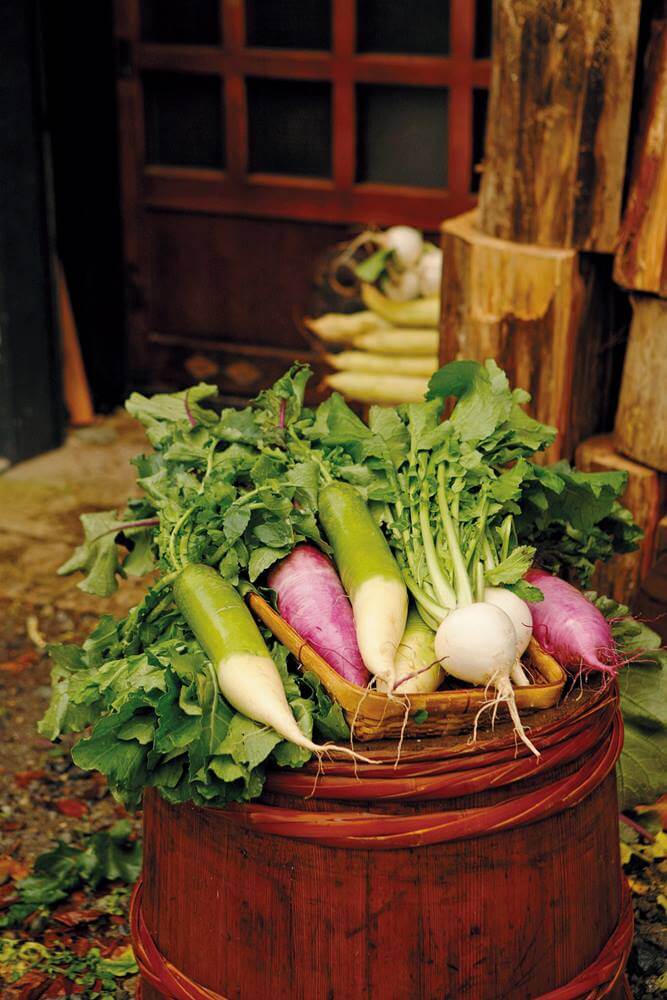
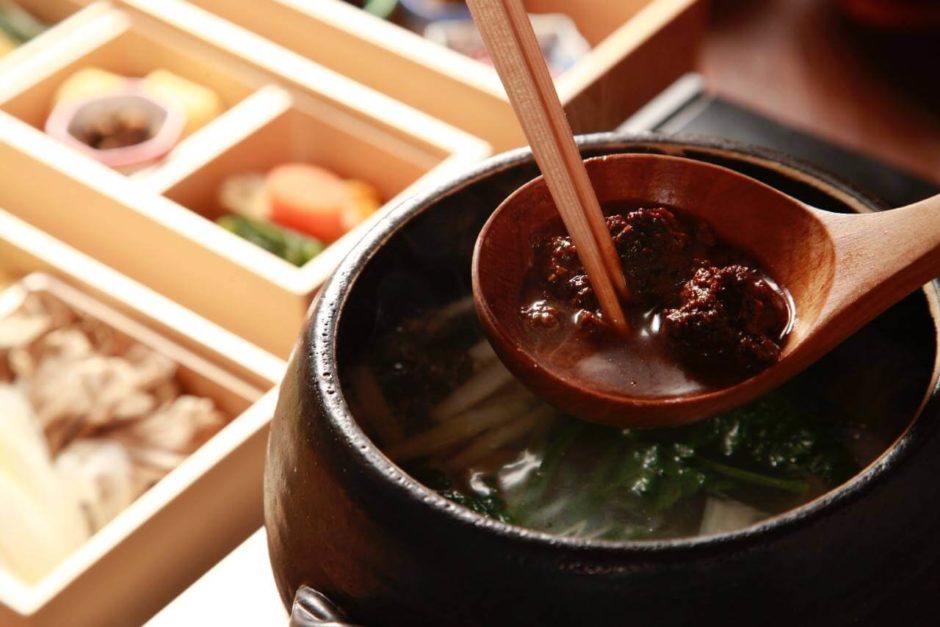
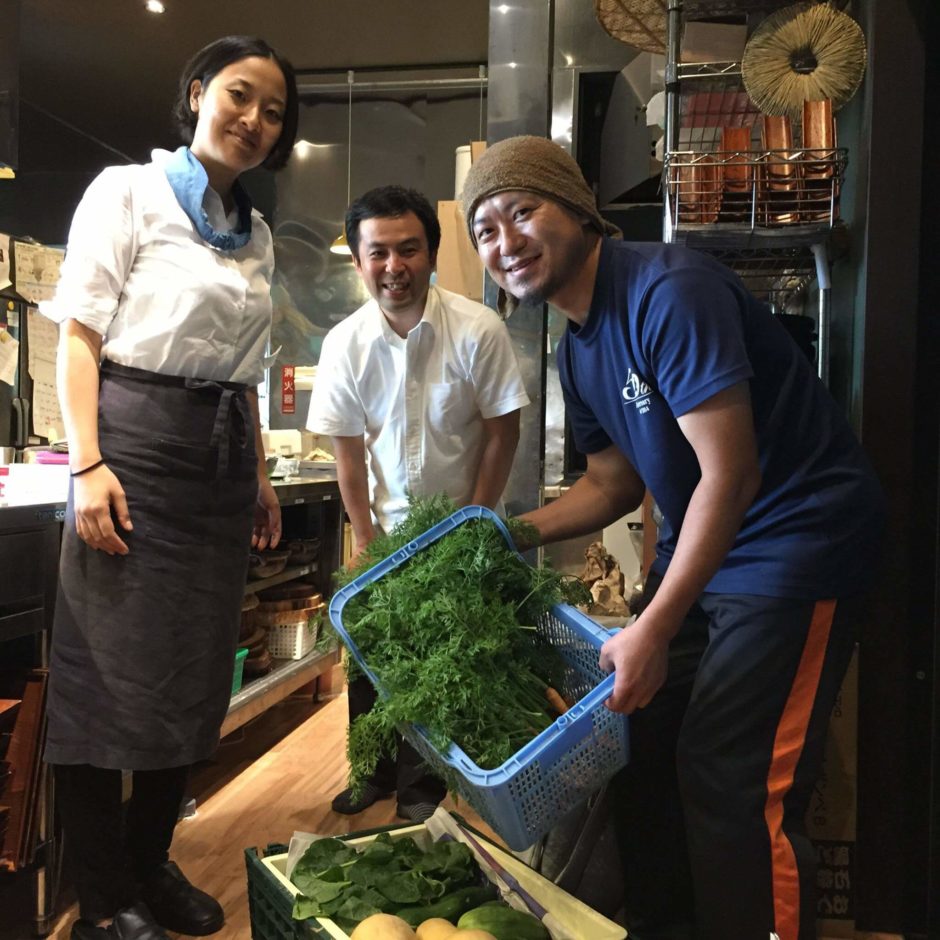
The photographs are for illustration only.
Event details: https://www.facebook.com/events/1704555939800125/
Wednesday 20 April
Satoyama Jujo Creators Salon, Vol. 16
Handle Japanese chintz and join us for a dinner we’ll prepare with Nabeya, a restaurant specialising in Edo cuisine.
Part 1, from 17:00 – Talk: What is Japanese chintz? Discover its appeal by handling the cloth yourself.
We’ve invited Hiroto Kumagai, who collects and studies Japanese chintz, to tell us about its history and show us what makes it so appealing. He’ll bring out a selection of pieces from his collection. As we handle them, we’ll look at the techniques used to make them and see just how varied the patterns are. It’s not often you get to hold a piece of genuine Japanese chintz in your hands. Don’t miss the chance!
Do bring a loupe or a magnifying glass so you can see the individual fibres. You’ll be fine without one, of course, but it’s a hundred times more fun with one!
About Hiroto Kumagai
Born in 1941, Hiroto Kumagai graduated from Tama Art University, where he studied oil painting. After five years with a publishing house, he set up as an independent book designer. He designs covers and layouts for art books, works of literature and collections of poetry and haiku. Alongside his design work, he collects and studies Japanese chintz and the paper stencils used in dyeing. His exhibitions and talks focus on patterns of the Edo period. (From his book Edo Monyō Koyomi, ‘A Calendar of Edo Patterns’.)
Part 2, from 19:30 – A special dinner with Nabeya, renowned for its Edo cooking
Our guest chef is Hiroshi Fukuda, proprietor of Nabeya, where he keeps the cooking traditions of Edo alive. For this one night only, he and the team at Satoyama Jujo will prepare a special dinner together. Sharing the meal is part of the idea, so we’ll all eat together.
About Hiroshi Fukuda
Born in Tokyo in 1935, Hiroshi Fukuda graduated from the Faculty of Letters at Waseda University. He is a leading authority on Edo cuisine. After training at Santo, he took over the family business. He is the proprietor of Nabeya, a restaurant founded in 1935 that specialises in Edo cooking. He has written many books on the subject.
Nabeya: http://www.gourmet.ne.jp/nabeya/
Programme
Check-in from 15:00
17:00 – Part 1: What is Japanese chintz? A talk by Hiroto Kumagai, with a chance to handle the cloth.
Around 18:45 – Break. Enjoy the spectacular view from the open-air bath!
19:30 – Part 2: Dinner prepared with Nabeya, renowned for its Edo cooking. In the spirit of the gathering, we’ll all eat together.
21:30 – The gathering ends. Enjoy a soak in the hot spring, then settle down for the night in your room.
Joining us for the day
To attend the talk, select ‘Going’ on the event page. To book a place at dinner, please ring Satoyama Jujo.
Date: Wednesday 20 April 2016
Venue: Satoyama Jujo
Part 1: Talk on Edo chintz – ¥3,000; limited to 20 people
Part 2: Dinner with Nabeya – ¥15,000; limited to 10 people
Organiser: Jiyujin Inc., Satoyama Jujo (025-783-6777)
Details were current at the time of publication.