


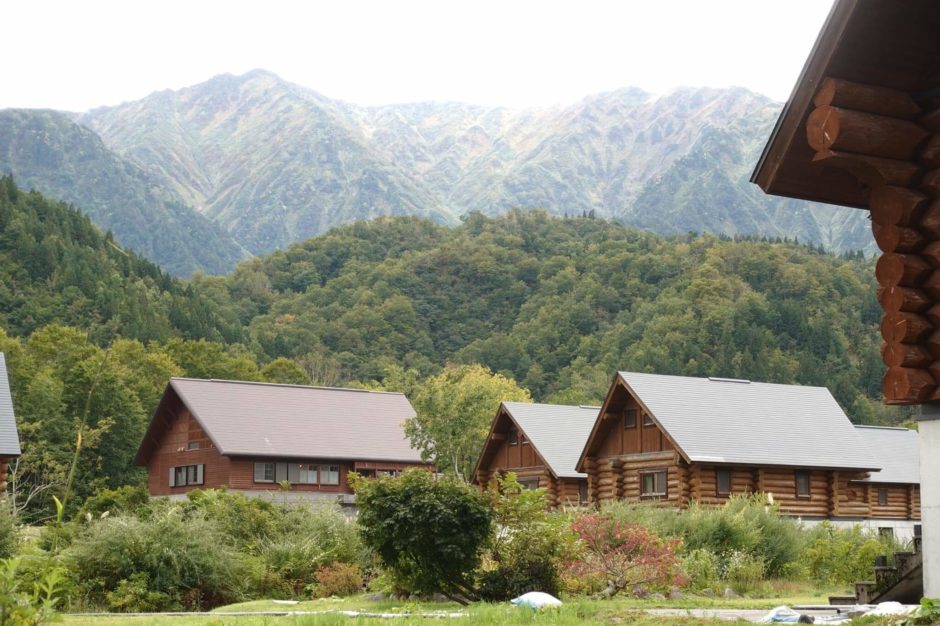
In Ginzan-daira, the winter snow lies at least six metres deep. In the snowiest years it reaches more than ten metres in this remote mountain country. Some of you may know it as the place with the lake that the writer Takeshi Kaiko returned to again and again. The story of 10 Stories Hotel OZE (Oze Jujo) began when we took over Murasugi, the inn where Kaiko stayed to write. In 1975, Kaiko took a leading role in founding the Association for Nurturing the Fish of Okutadami. It is thanks to the association’s work that the country around the lake is still so wild. We created Oze Jujo so that you could stay and experience that wilderness for yourself.
Ginzan-daira lies in what was once the village of Yunotani, now part of the city of Uonuma in Niigata Prefecture. Its name means ‘silver mine plain’: in the Edo period the mine yielded at least 4,000 kilograms of silver a year. It was so far into the mountains that there are said to have been eight staging posts where travellers could spend the night between Ginzan-daira and Koide, at the foot of the mountains. Koide, too, is now part of Uonuma.
When the mine closed towards the end of the Edo period, Ginzan-daira slipped back into quiet isolation. Then, in 1953, the Electric Power Development Company began work on the Okutadami Dam, and the area was in the public eye again. The dam was completed in 1962, a year before the celebrated Kurobe Dam. Its generating capacity was 360,000 kW, compared with Kurobe’s 250,000 kW. Those figures alone give you some idea of its scale.
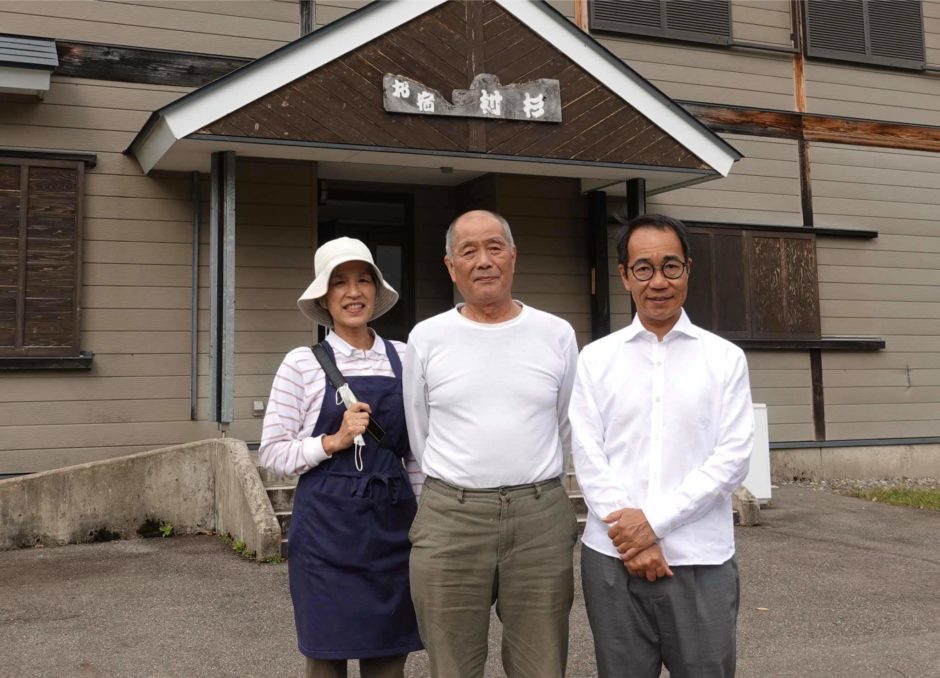
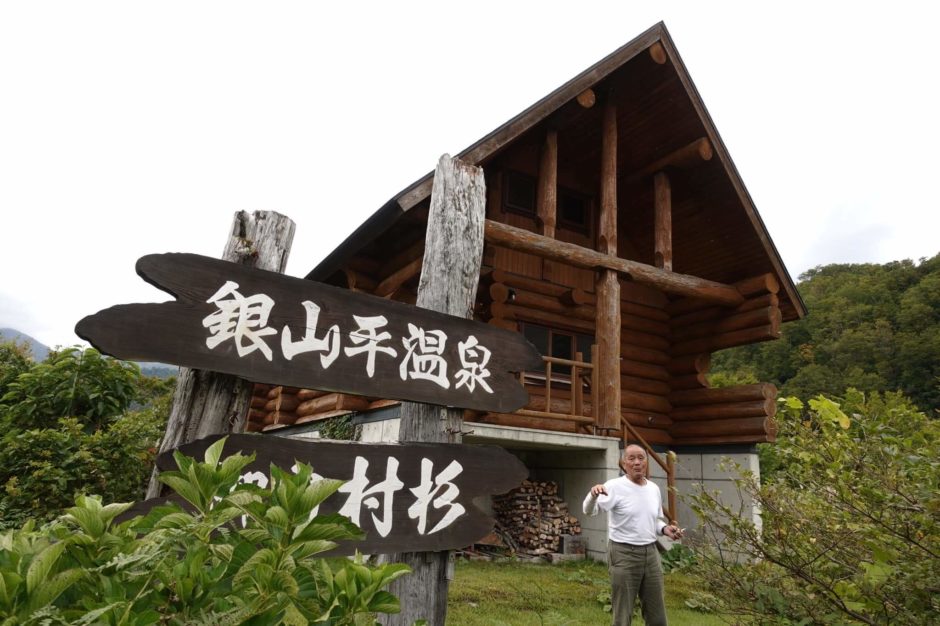
And all this in an extraordinarily remote place. The Tateyama Kurobe Alpine Route is famous for opening up a mountain wilderness to visitors, but Ginzan-daira is every bit as remote. Beyond it lies Oze. Think of Oze as Ginzan-daira’s answer to Tateyama, and Lake Okutadami as its Lake Kurobe, and you’ll begin to get a feel for the landscape. Right in front of you rise the peaks of Echigo-Komagatake, Nakanodake and Arasawadake. The view is as spectacular as anything at Murodo in Tateyama or at Kamikochi. As on the Ogizawa approach to Tateyama Kurobe, the way in is through a long, long, long tunnel bored through the mountains. You can’t help marvelling that anyone ever managed to dig it. The difference is that Kurobe got a film and Okutadami didn’t. Had Yujiro Ishihara starred in ‘The Sun of Okutadami’ instead of ‘The Sun of Kurobe’, Ginzan-daira would surely be a household name by now. But there’s something to be said for not being famous. For a start, there are no crowds. Nature has been protected, too. What’s more, you can take your own car along the Okutadami Silver Line to Ginzan-daira without paying a toll. You can actually drive into this wilderness. Ginzan-daira had six family-run hot-spring inns, quite a few of them with no one to take over. The scenery is magnificent, but conditions are harsh: in winter, six to eight metres of snow cut the inns off. They cannot open for the winter, and with such a short season it is harder still to find anyone willing to carry on. In January 2019, we received an email from one of those inns, Murasugi. This was the inn where Takeshi Kaiko, the writer known for books such as ‘Opa!’ and ‘The River Never Sleeps’, used to stay. Here is part of that email: ‘Here too, inns are facing closure because there’s no one to take them on. Would you consider whether you might be able to make use of ours? We get a fair number of guests, including anglers and walkers who come to climb peaks on the list of Japan’s Hundred Famous Mountains. But these inns have always been family businesses. As the owners get older, the inns with no one to take over are the first to close. Ideally, we’d sell to someone who could carry on running the inn, but someone like that isn’t easy to find. Given your company’s track record, would you consider whether the inn might be of use to you?’ We agreed to take over Murasugi. While the talks were under way, we also agreed to take on Hakko, the inn next door. We were thinking about how to create an inn that would carry on what mattered to Kaiko when the Covid-19 pandemic swept the world. What now? The outlook for hospitality and tourism was bleak. It would take courage to invest in anything new. Yet the more we struggled with a virus we couldn’t see, the more certain we became of what we wanted to do: create a place where people could reflect on their relationship with nature. At the end of November, every inn in Ginzan-daira gets ready for winter and closes its doors. The inns reopen in mid-April. Building work, too, has to be done in summer. We have already devoted four summers to it: 2020, 2021, 2022 and 2023. And at last, in summer 2024, 10 Stories Hotel OZE (Oze Jujo) will open.
We renovated the buildings throughout and added open-air baths and saunas. The old inns have taken on a new life as a hotel with ‘Wellness & Retreat’ as its theme.
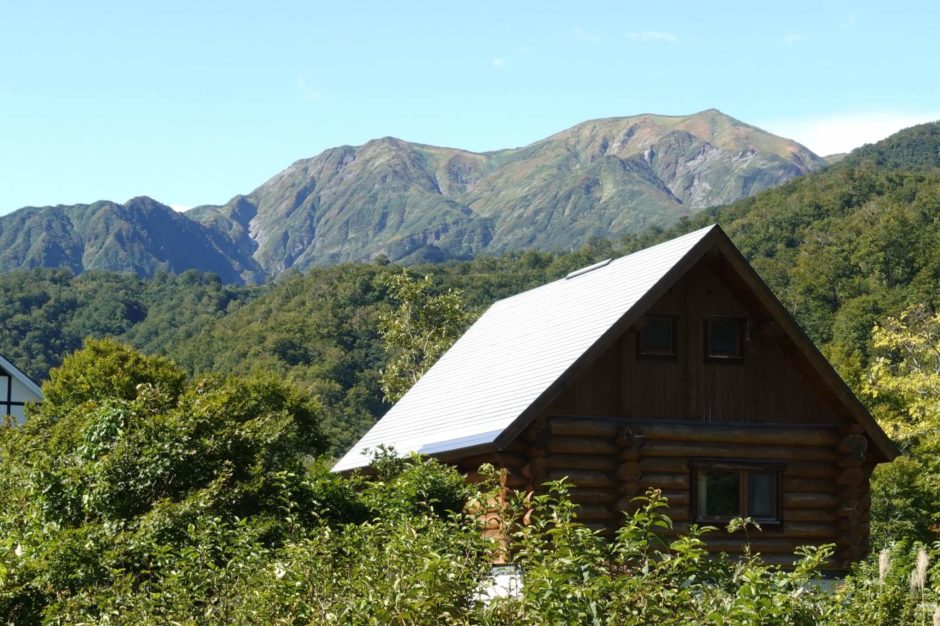
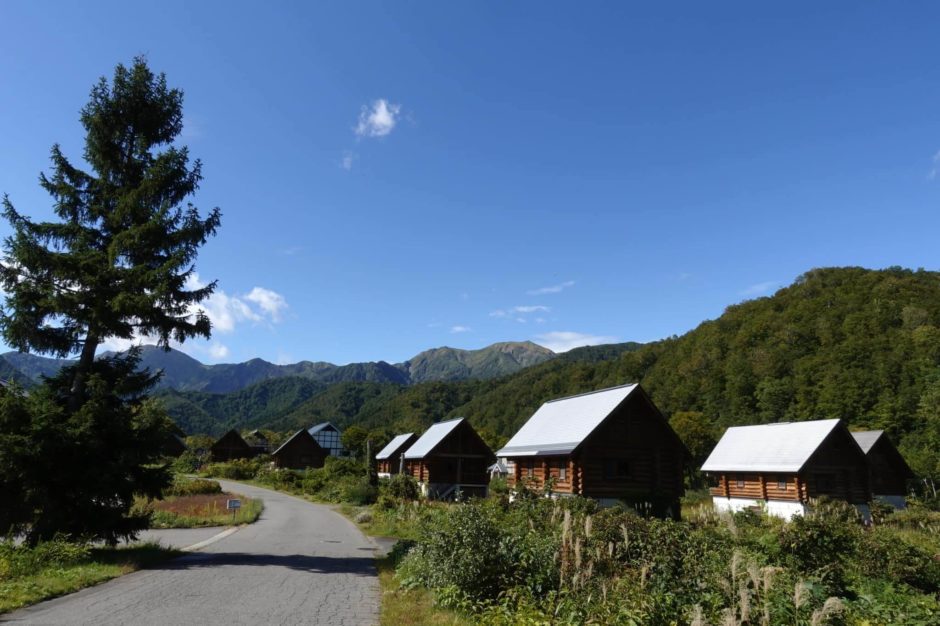
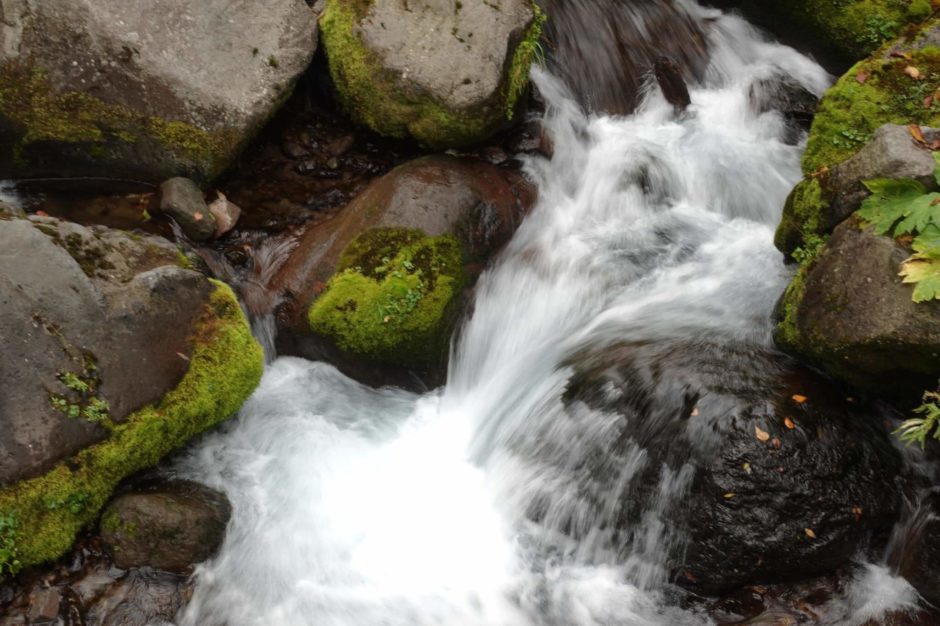
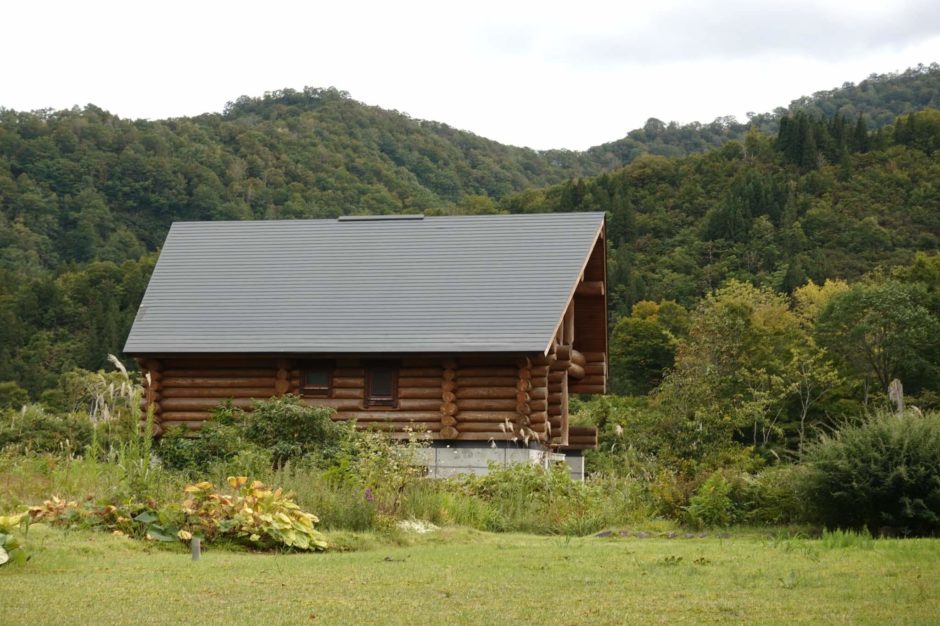
Sit back and look at the mountains. Go for a walk in Oze. Watch the clouds spill over a ridge like a waterfall… If you can, we hope you’ll stay for at least two nights and three days, with a whole day in the middle to take things slowly. If you’d rather be active, there’s plenty of scope for fishing, challenging mountain climbs, cycling, skiing and snowboarding. This is deep in the mountains, of course. There are insects, and bears do turn up. At night the sky is full of stars, but to be honest, if you live in a city you may find the sheer wildness of it all frightening. Yet this is what nature really is. These days we are forgetting what it is to stand in awe of it. Try entering into a conversation with nature, both to recover that sixth sense we are losing and to regain some of the resilience we once had.
*The information given here is as it stood at the time of publication.