


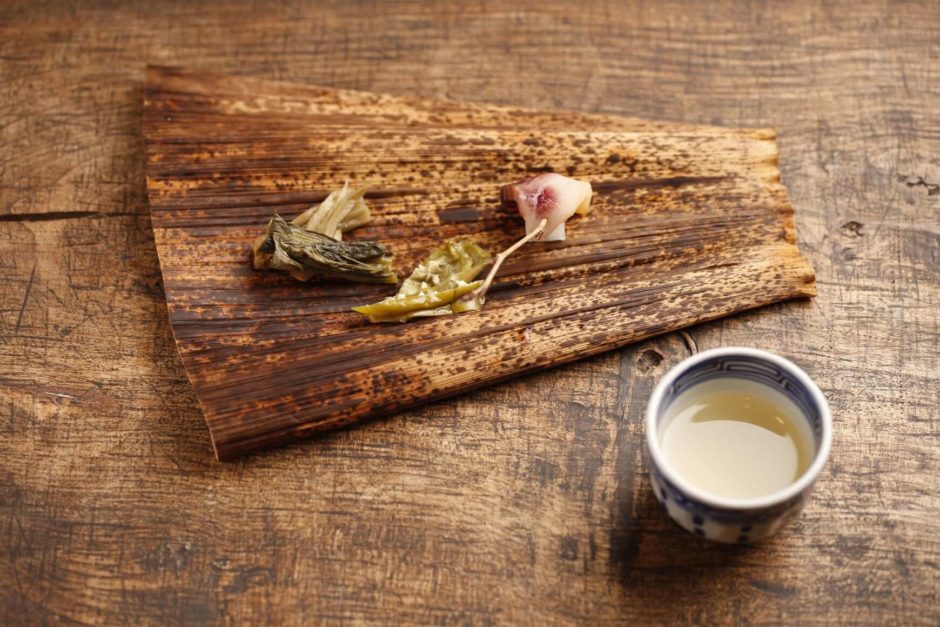
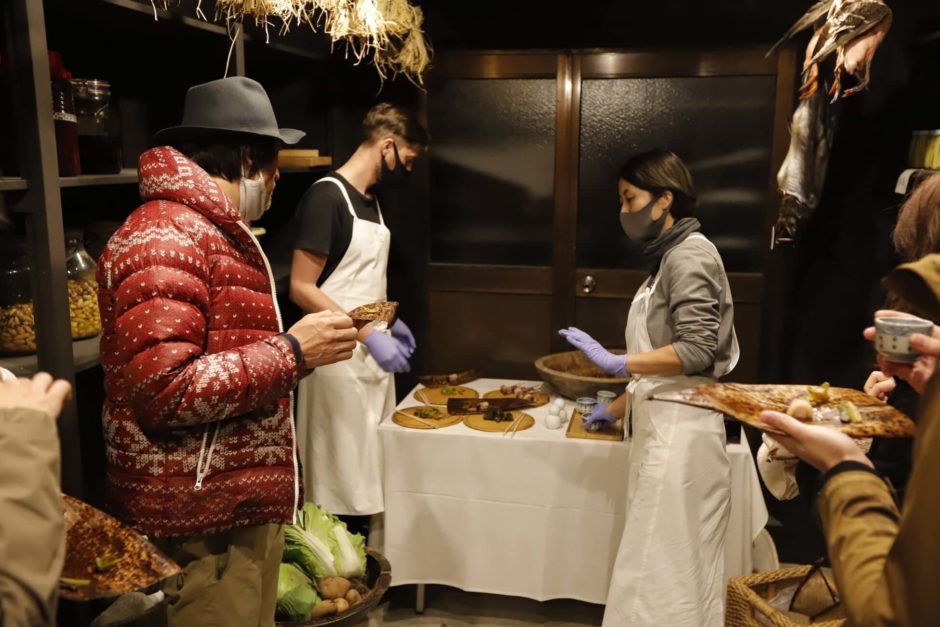
We held a dinner with chef Kanji Kobayashi and Yumi Kobayashi of villa aida, and with Moemi Nishio of Moeka, an Okinawa-based pastry chef they introduced to us. Before the pandemic we held plenty of events, but over the past year we’ve hardly been able to hold any. It was our first chance in a while to bring chefs together for a dinner like this.
Perhaps we shouldn’t say so ourselves, as we were the hosts, but it was a wonderful evening. Think of an opera or a musical in two acts: first the savoury courses, then dessert. The savoury courses would have made a splendid dinner on their own, yet with dessert the excitement rose all over again. It was the kind of dinner that stays with you long after the evening is over.
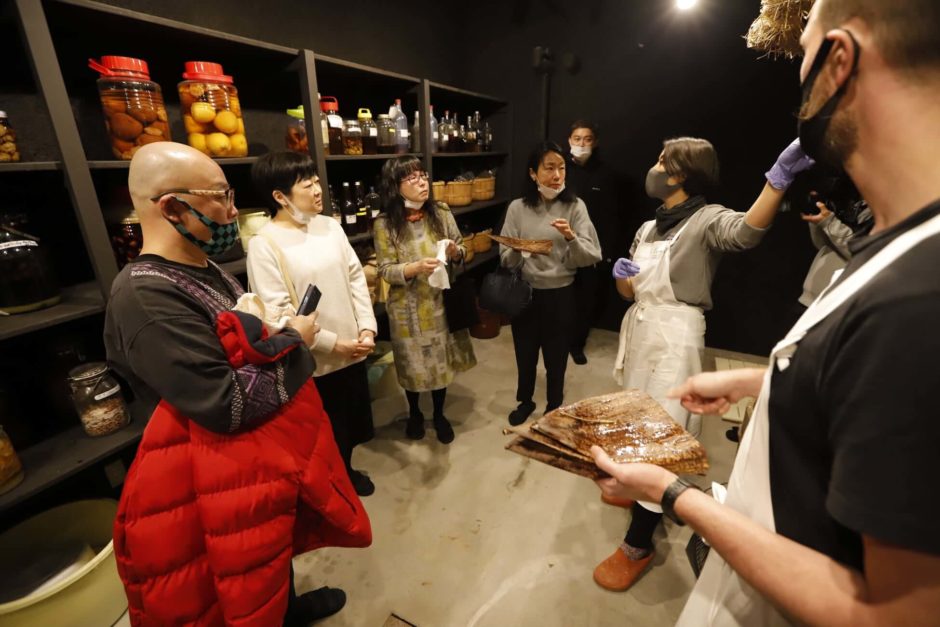
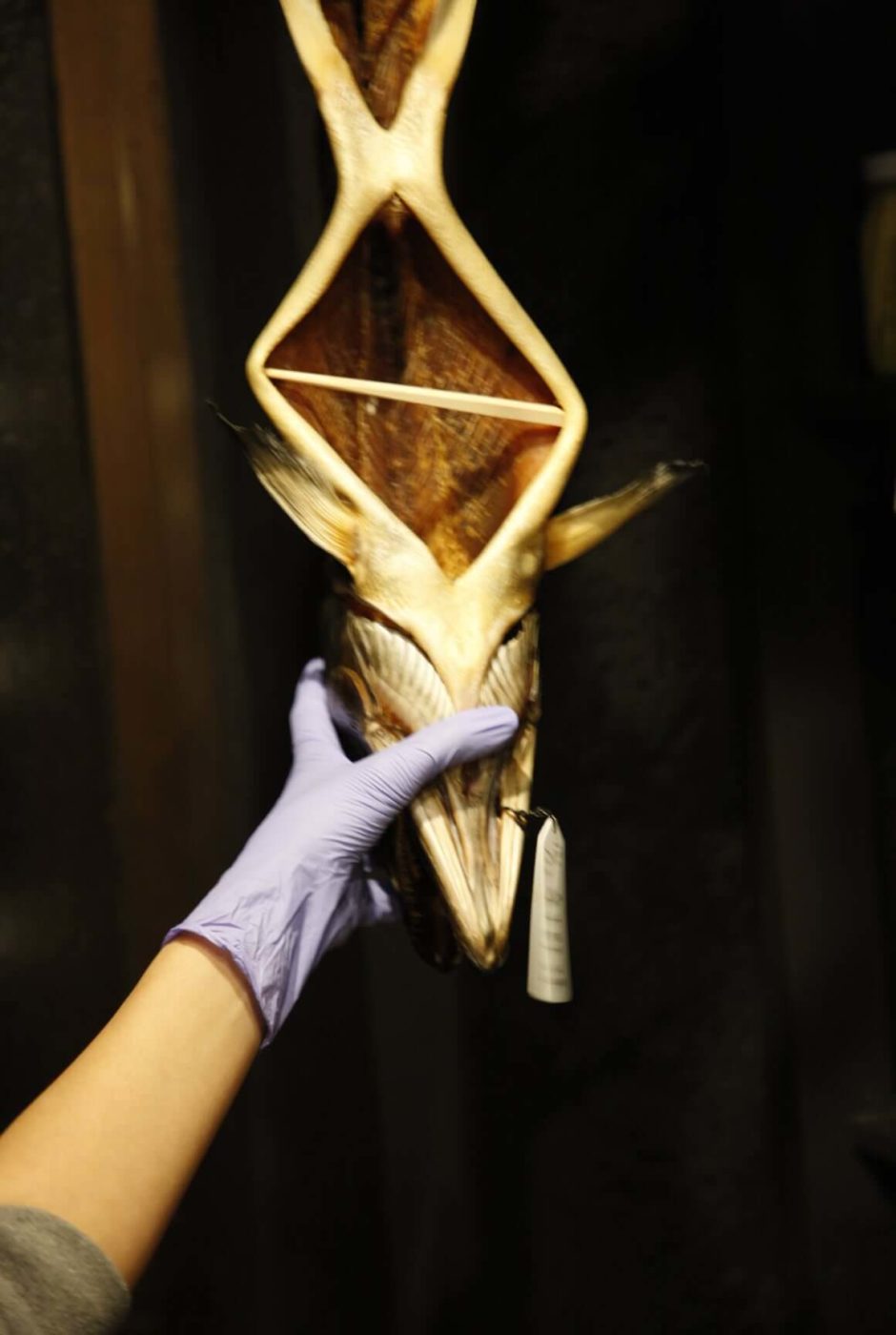
This was the second dinner Kanji Kobayashi and Satoyama Jujo’s Keiko Kuwakino had cooked together. Every dish tasted unmistakably of Satoyama Jujo, yet as Kobayashi layered flavour on flavour, ingredient on ingredient, a little world quite unlike our usual one took shape on the plate. Watching him fetch ingredients from our fermentation room, our snow-cooled cellar and our smokehouse and bring those flavours together was like watching musicians improvise. For me, that sense of working in the moment matters in local gastronomy: you respond to ingredients that change from day to day, to local customs and to the observances that mark the seasons. You could taste that in the cooking that evening.
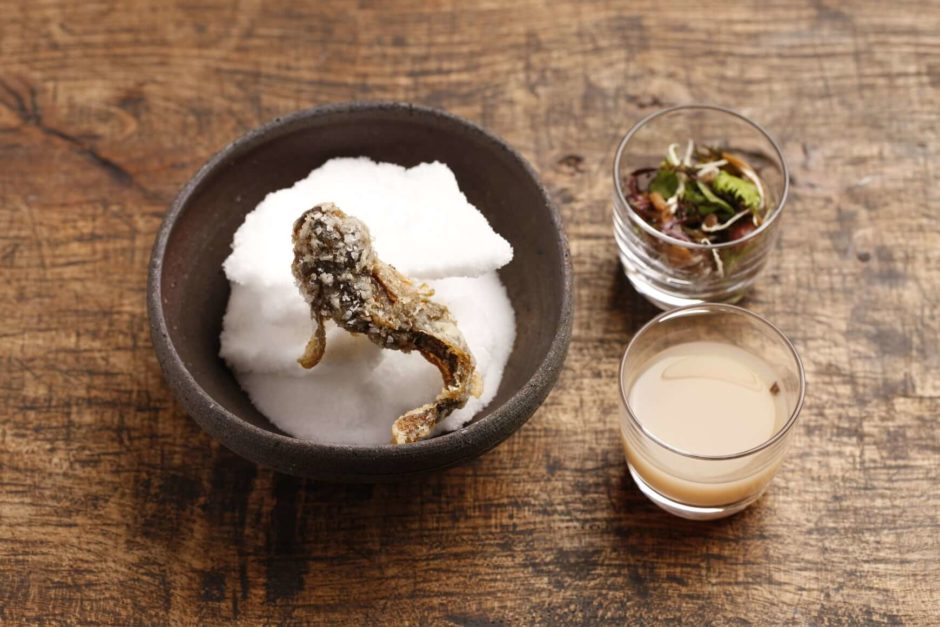
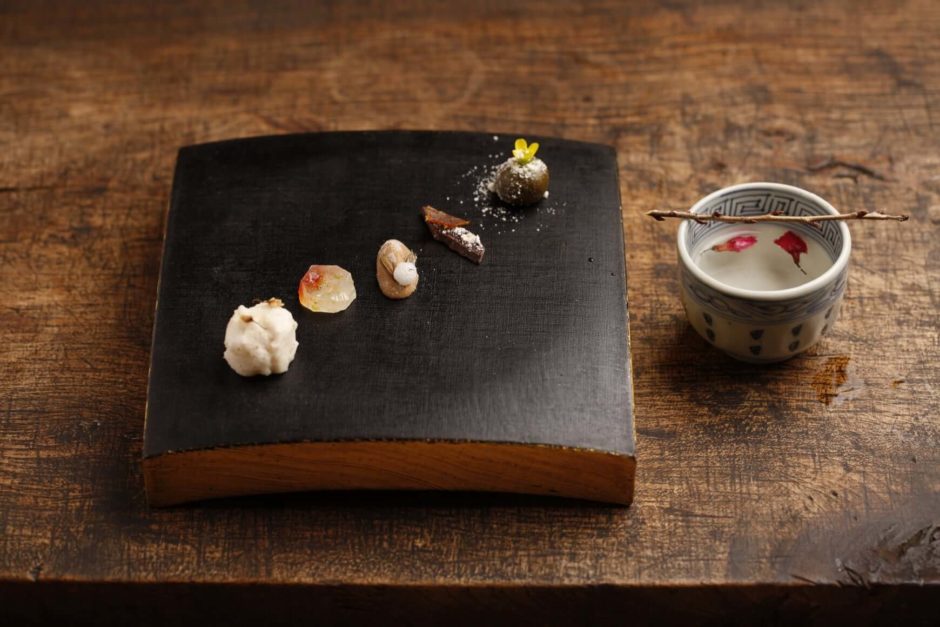
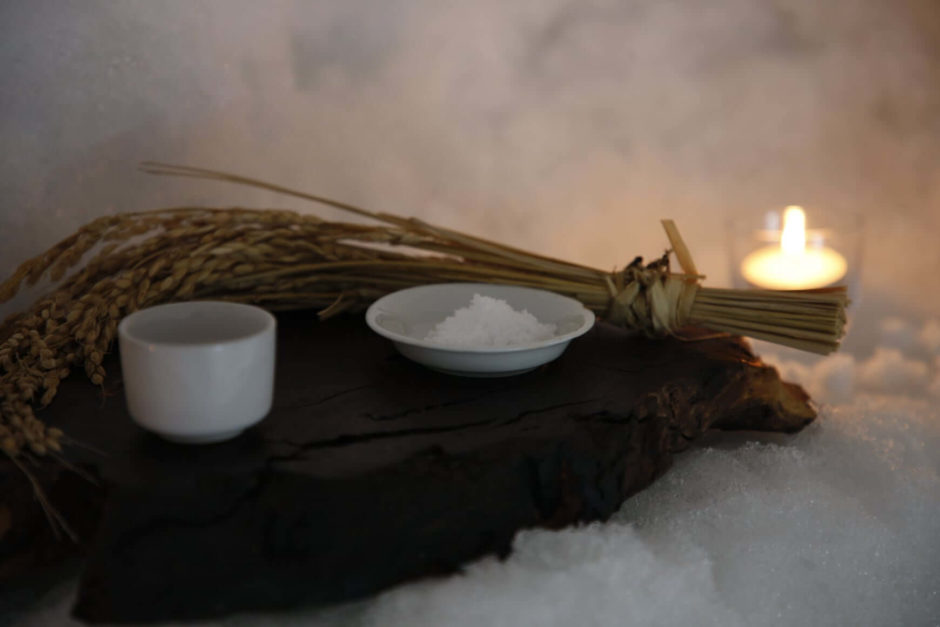
Moemi Nishio’s desserts, too, beautifully evoked Minamiuonuma in Niigata. In ‘Wet Snow’ she captured the different colours and layers of Uonuma’s snow, though you really had to taste it to understand. It even brought to mind the snow disappearing in spring and the earth emerging beneath it.
Our cooking at Satoyama Jujo has changed a great deal over the past six months. We layer the many natural flavours that develop in our fermentation room to make something new. Rather than relying on an immediately recognisable umami, we bring subtle flavours together to create a savoury depth we haven’t tasted before.
Through all the upheaval of the pandemic, many chefs have come to Satoyama Jujo and given us encouragement. Kanji Kobayashi of villa aida is one of them. Once again, working with him has given our chef, Keiko Kuwakino, fresh inspiration.
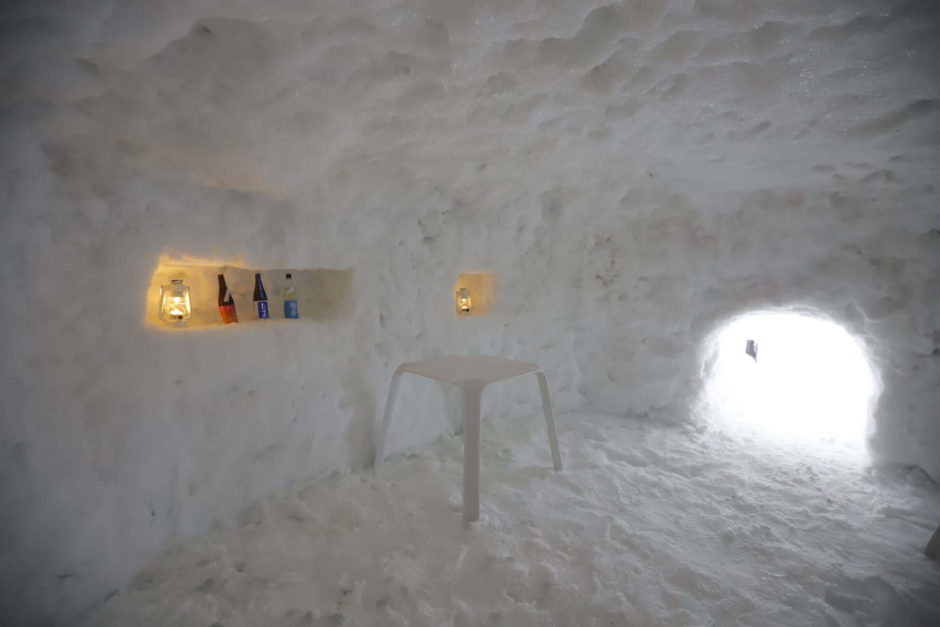
And a word about the drinks. We’ve put a lot of work into our non-alcoholic pairings at Satoyama Jujo over the past year, and the ones we served that evening were something special! Kanji and Yumi have taken them a great deal further.
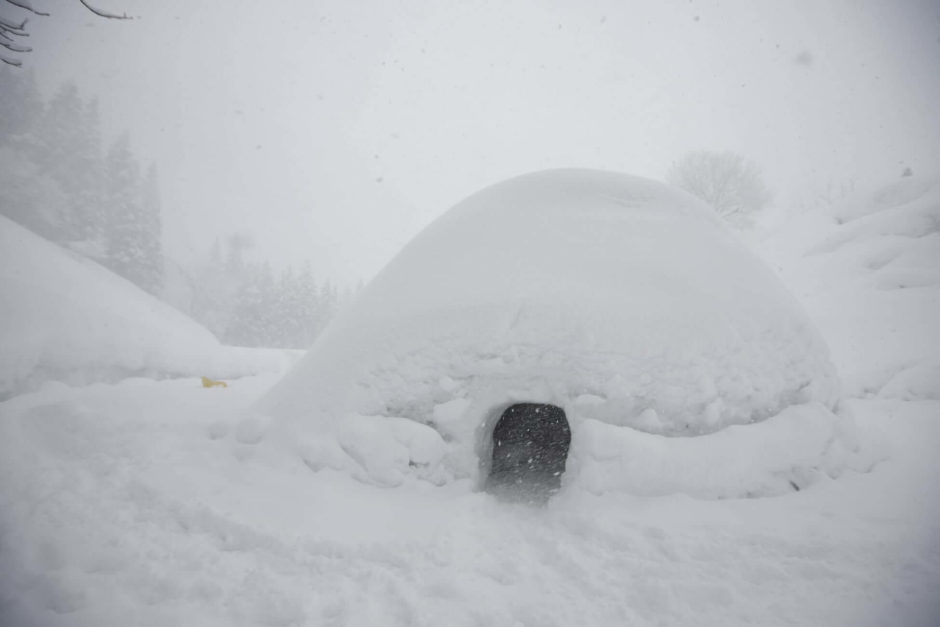
It’s February. We’ve had plenty of snow this year, and the view is pure Satoyama Jujo. There are echoes of that recent dinner in the dishes we’re serving now, too. As I always say, our cooking is unassuming but deeply nourishing. Neither the flavours nor the ingredients are showy, so if you’re after a once-a-year feast, it may not be for you. But if the pandemic has worn you down, stomach and spirit alike, I think you’ll find these flavours gentle on the one and comforting to the other.
Do come and see us at Satoyama Jujo in winter.
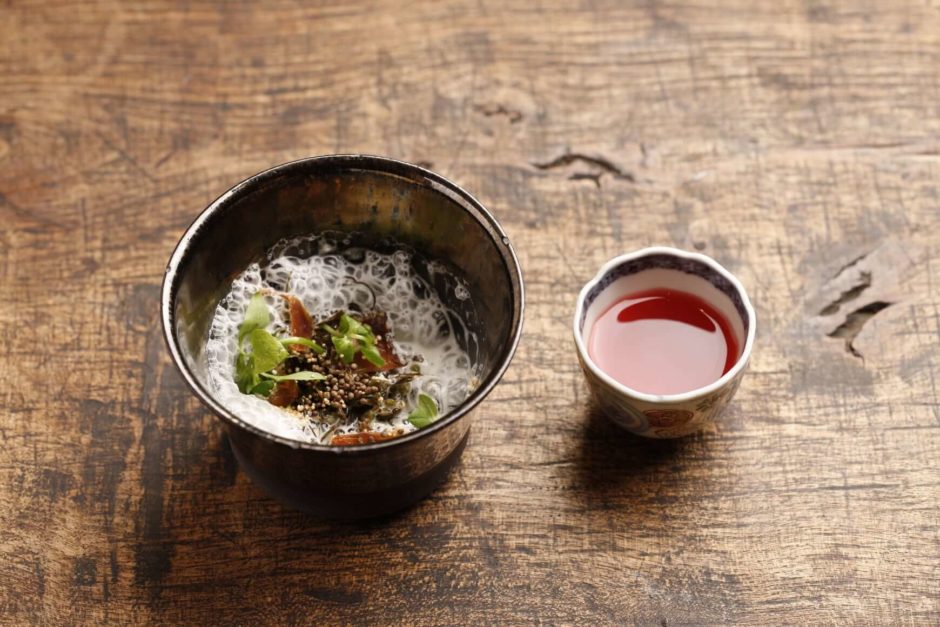
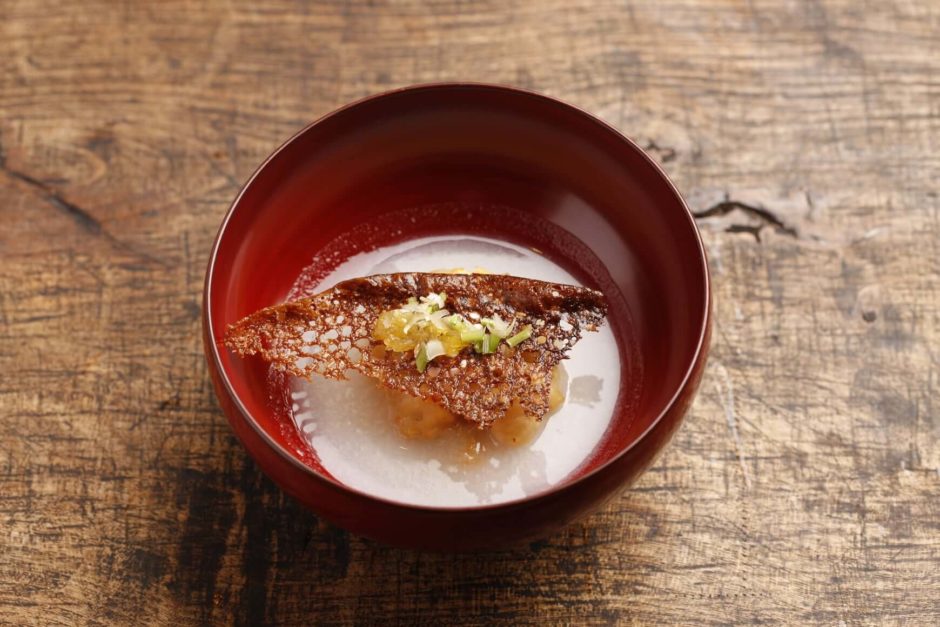
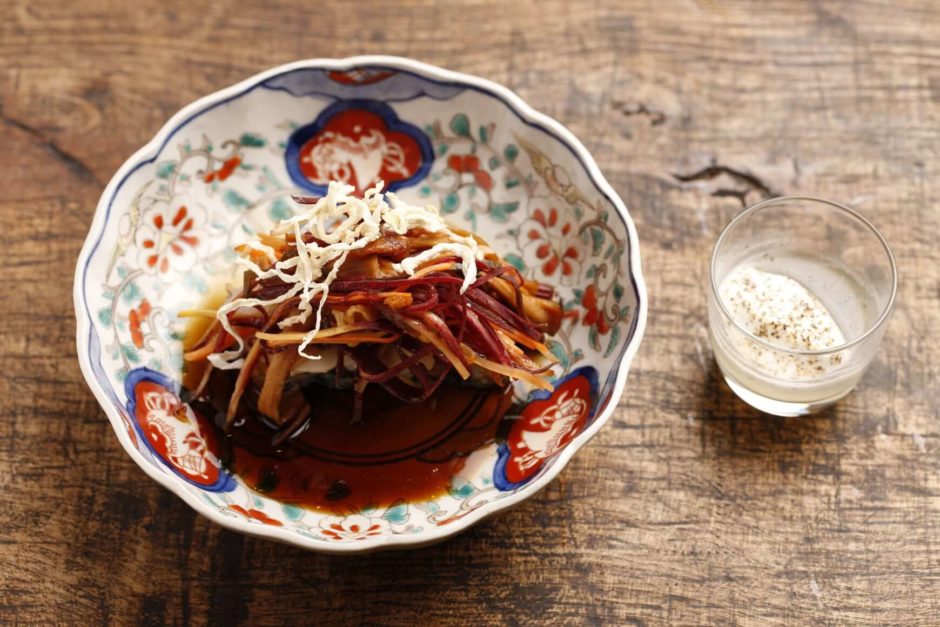
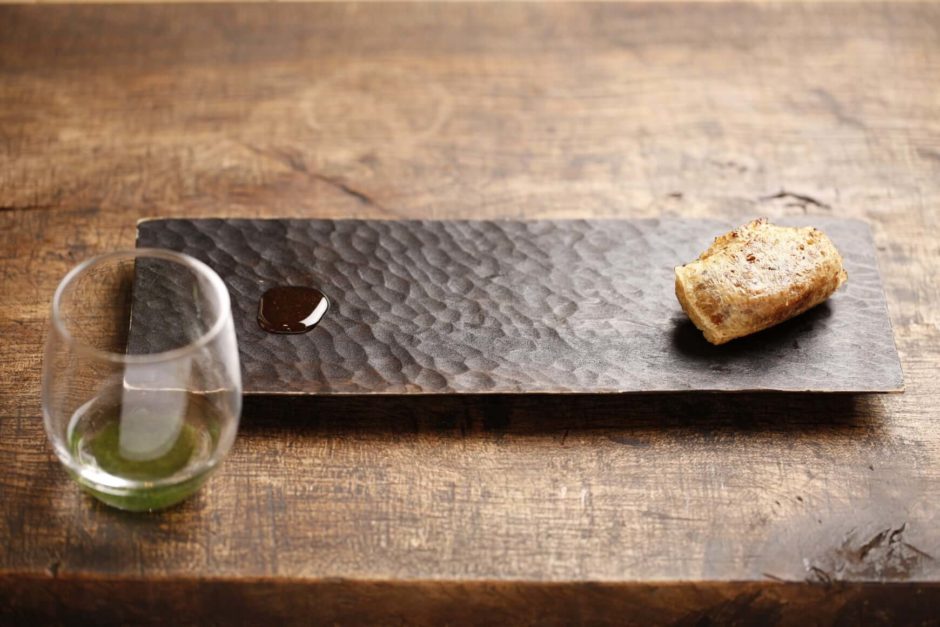
Here’s what we served that evening.
‘Snowmelt at the Beginning of Spring’
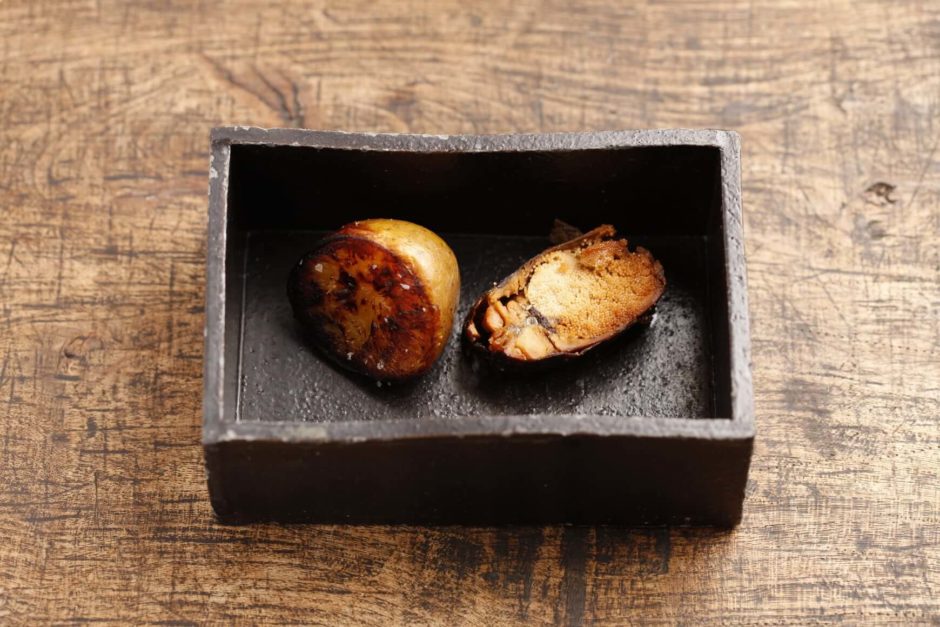
Snow-cellared potatoes, ayu sweetfish with roe
Freshwater sculpin, dried zenmai fern shoots, adzuki beans
Chinese cabbage, young hosta shoots, hardy kiwi
Ginyoso and mozuku seaweeds
Yatsugashira taro, amazake (a sweet fermented rice drink)
Tempeh, harihari pickles of dried radish, whelk, carrot
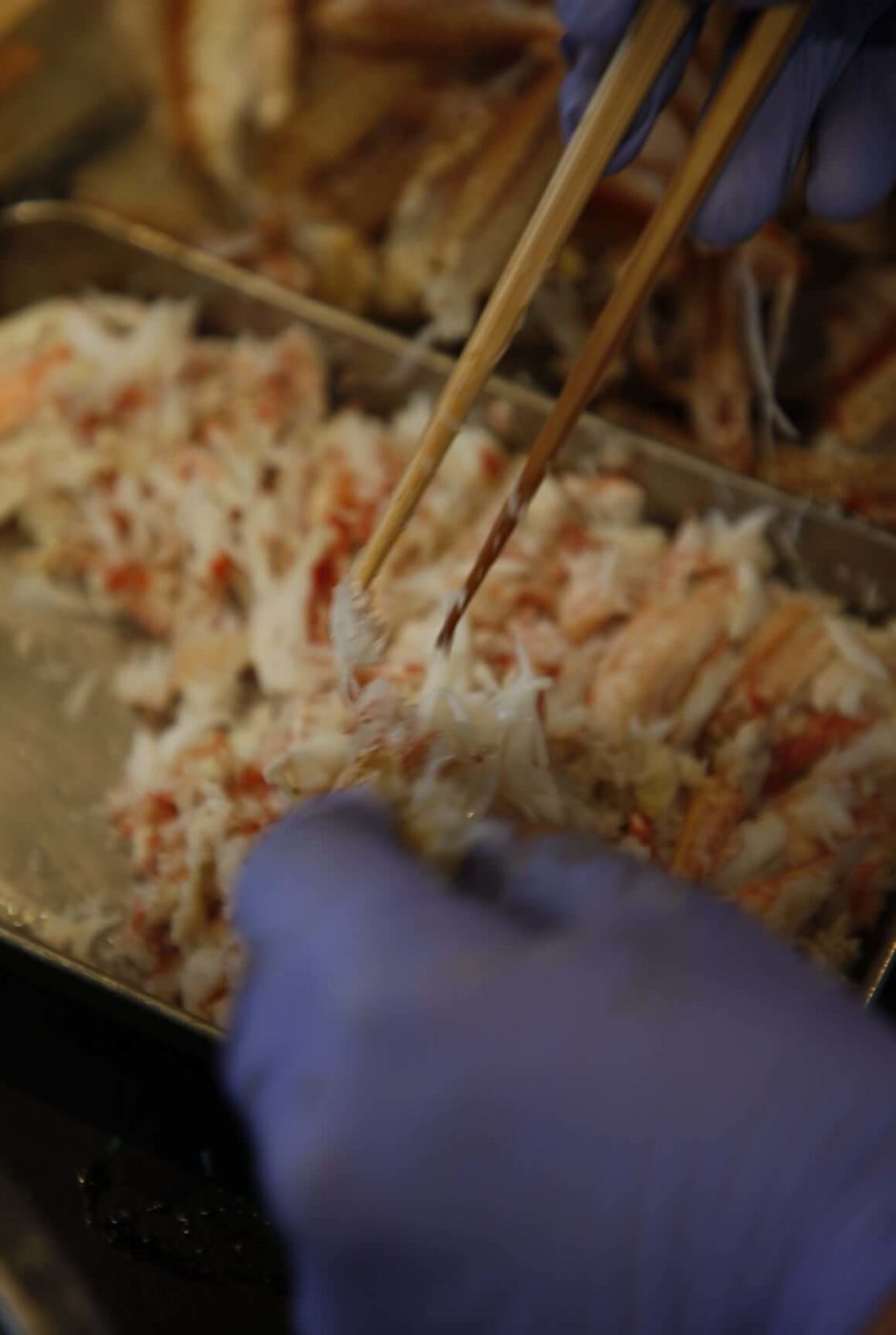
Fried tofu, steamed sticky rice, horsehair crab
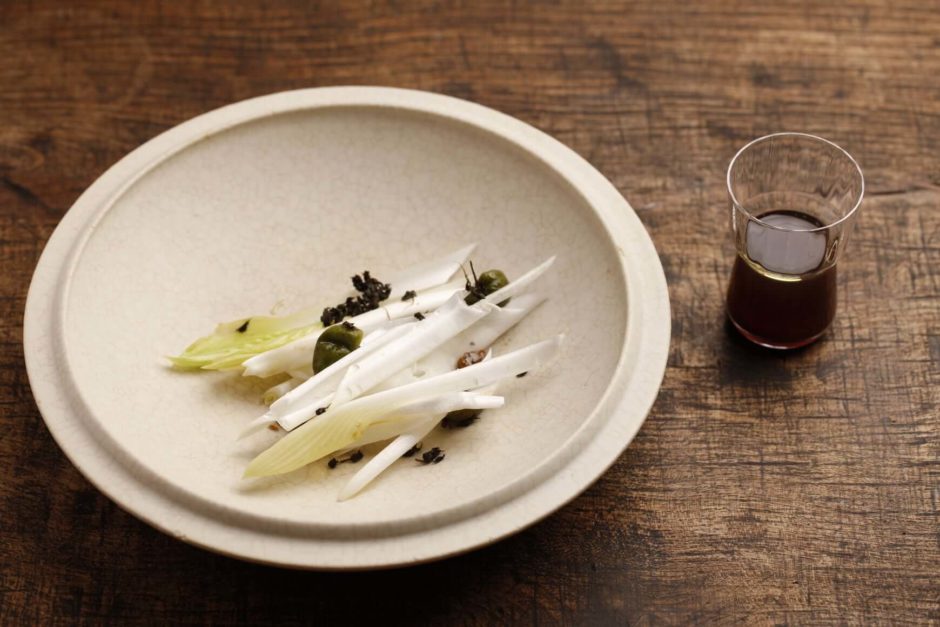
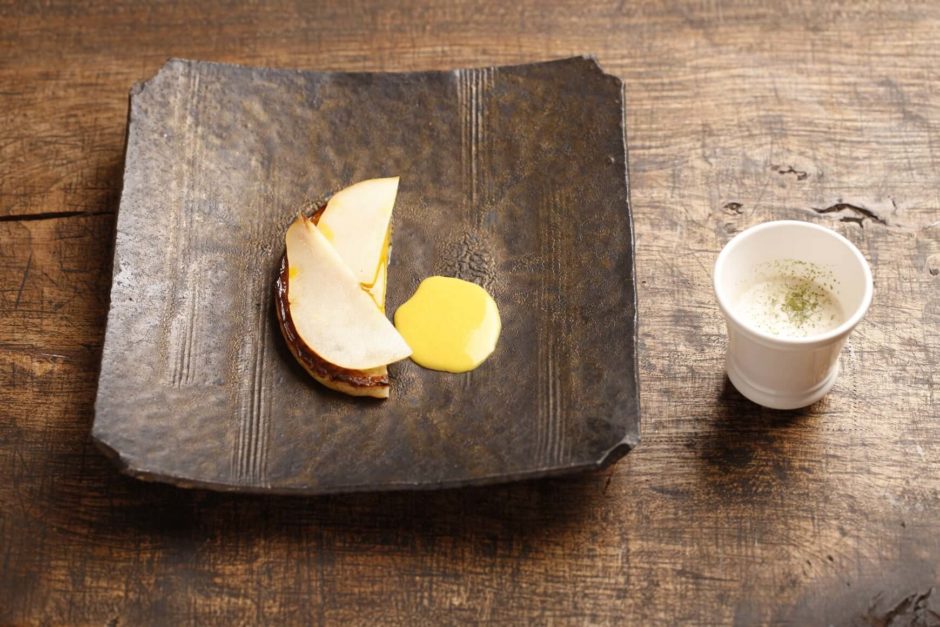
Shogoin daikon radish, Le Lectier pear
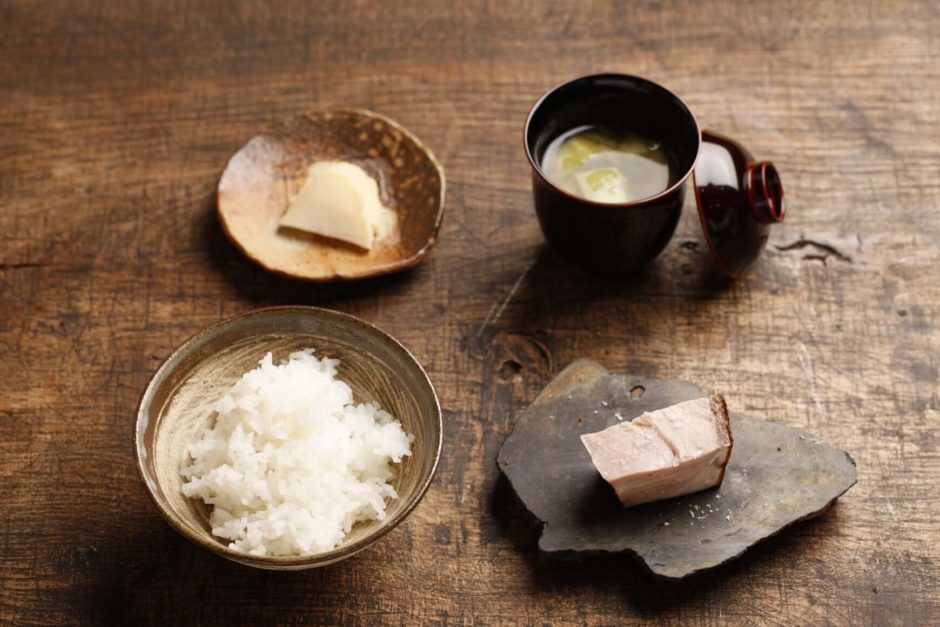
White rice, snow-cellared yellowtail
Dessert
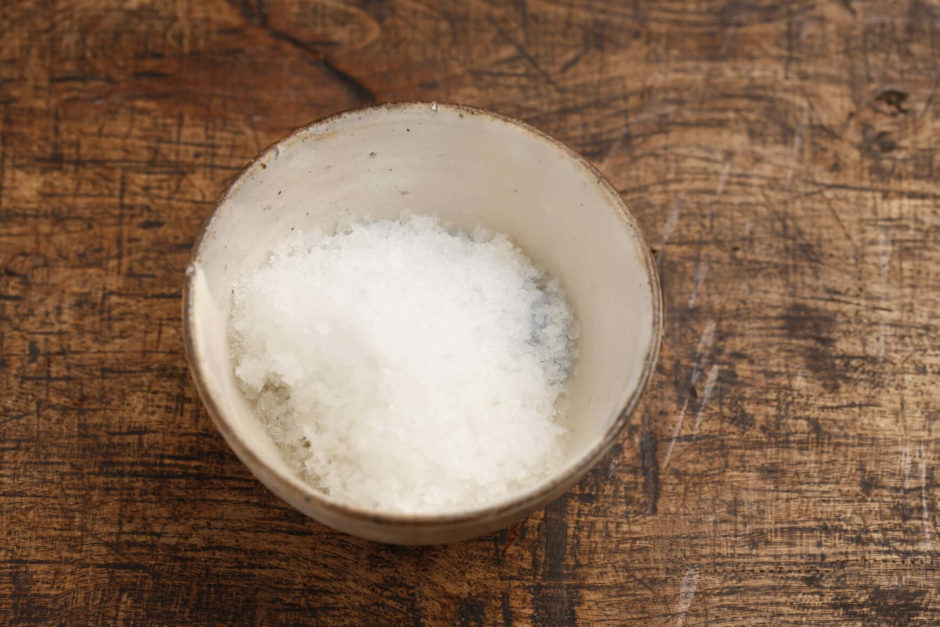
Wet Snow: snow-cellared cabbage, star fruit
Variations: beans, butter from Sado, coarse island cane sugar
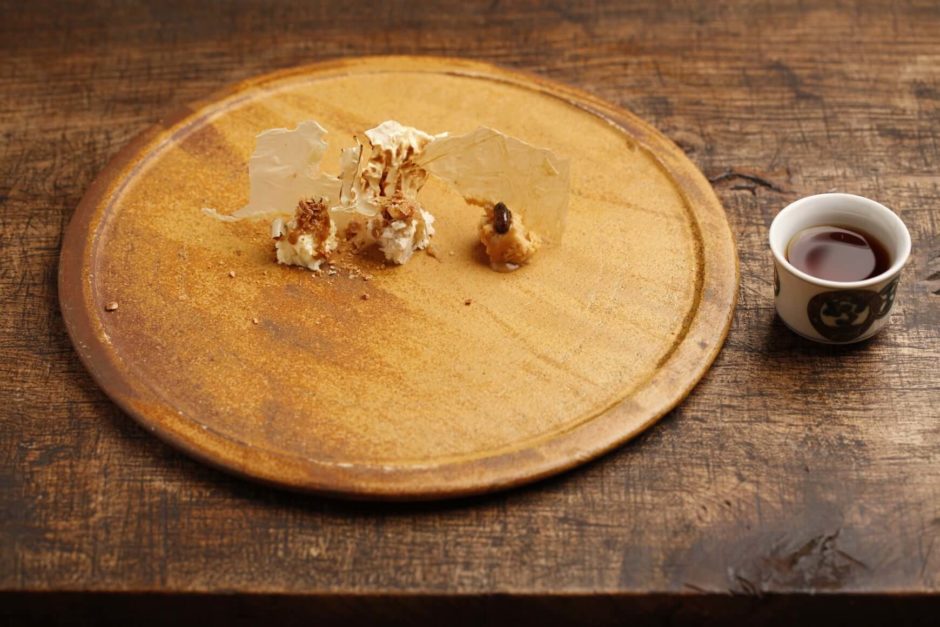
Sugar confections: Five Kinds of Snow
Light Snow: apricot kernel fragrance, Taiwan cherry bark
Snow-Bleached: Kagura Nanban chilli, calamondin citrus
Snow Rabbit: Japanese cedar buds, maple sap, yamabiwaso
Icicle: yubeshi (a yuzu preparation), mirin lees (the solids left from making sweet rice wine), Taiwanese cacao brown sugar
Self-sown Seeds: herb seeds, pure unrefined cane sugar boiled by hand
*Information was current at the time of publication.