


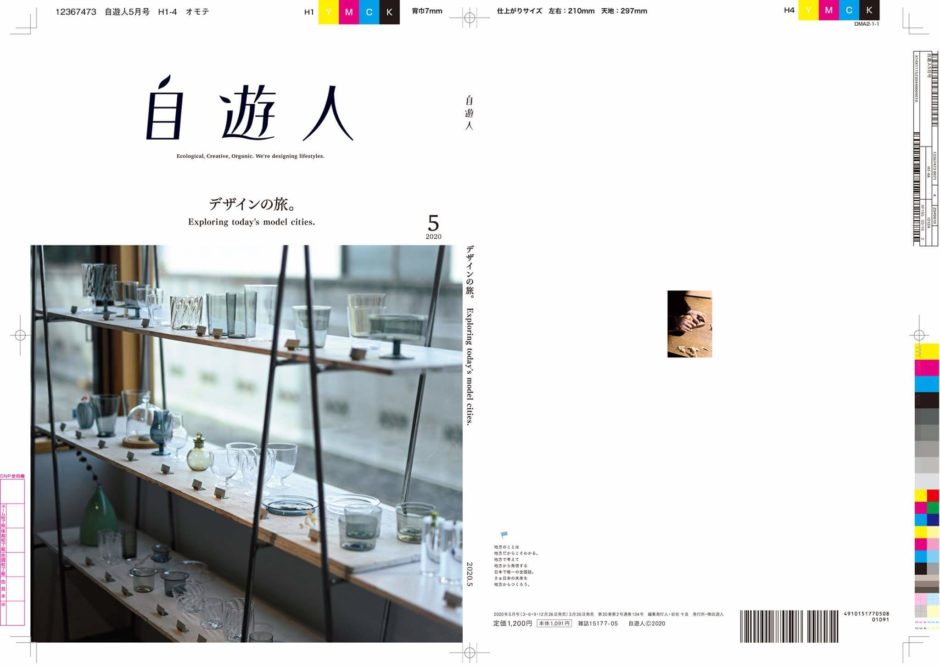
Our feature in this issue is ‘Design Journeys’. Design thinking offers an important clue to how we might get through the coronavirus crisis. Our opening editorial follows. We hope you’ll take your time over it at home.
From design as a noun to design as a verb.
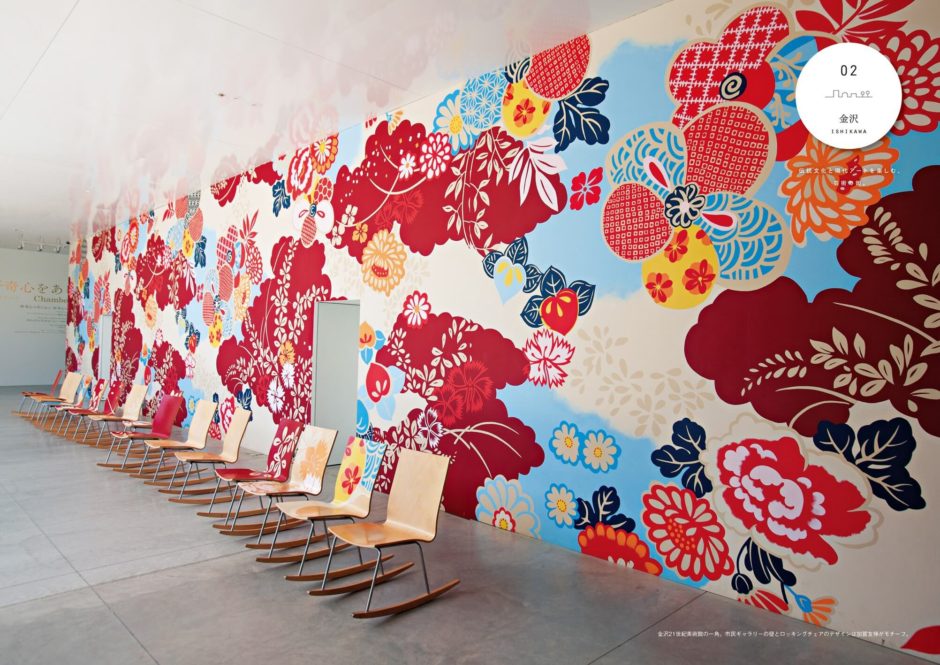
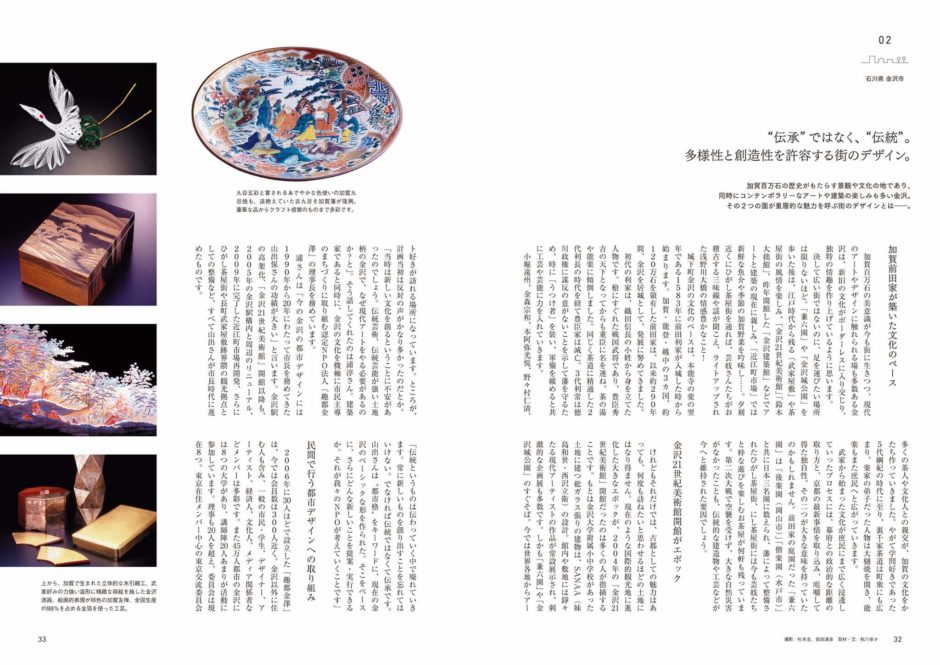
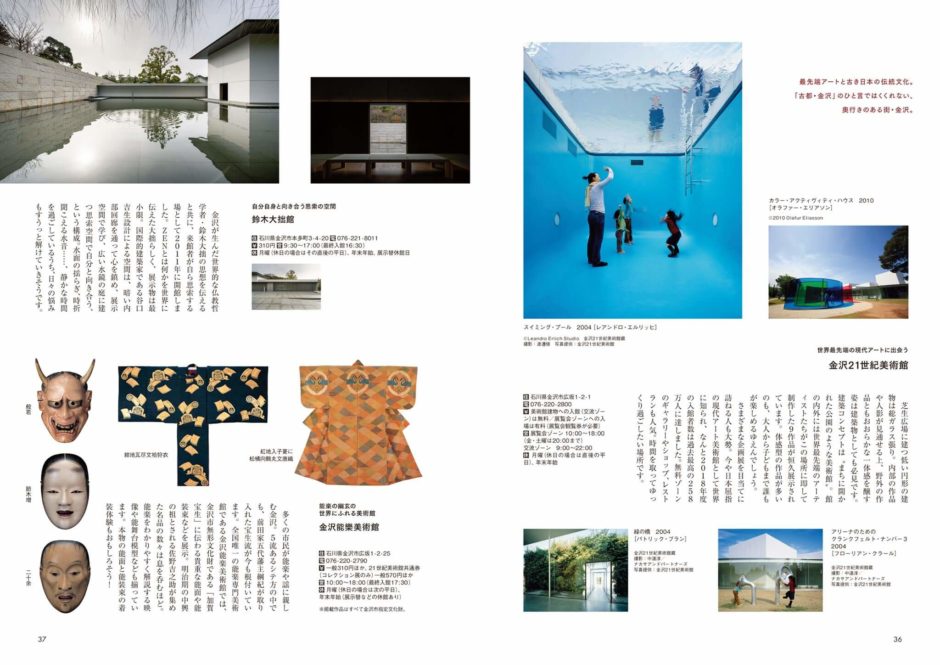
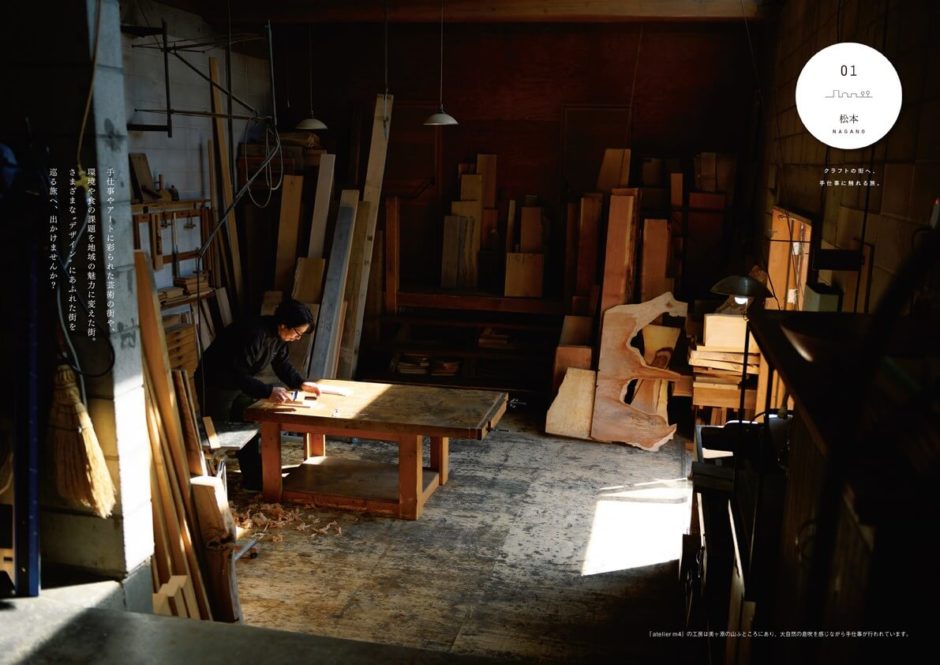
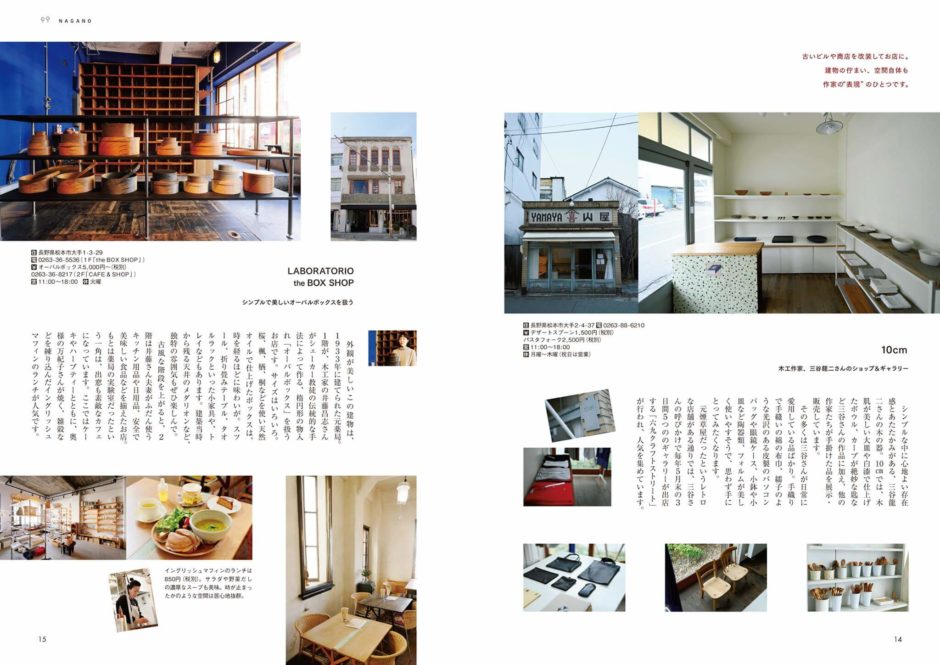
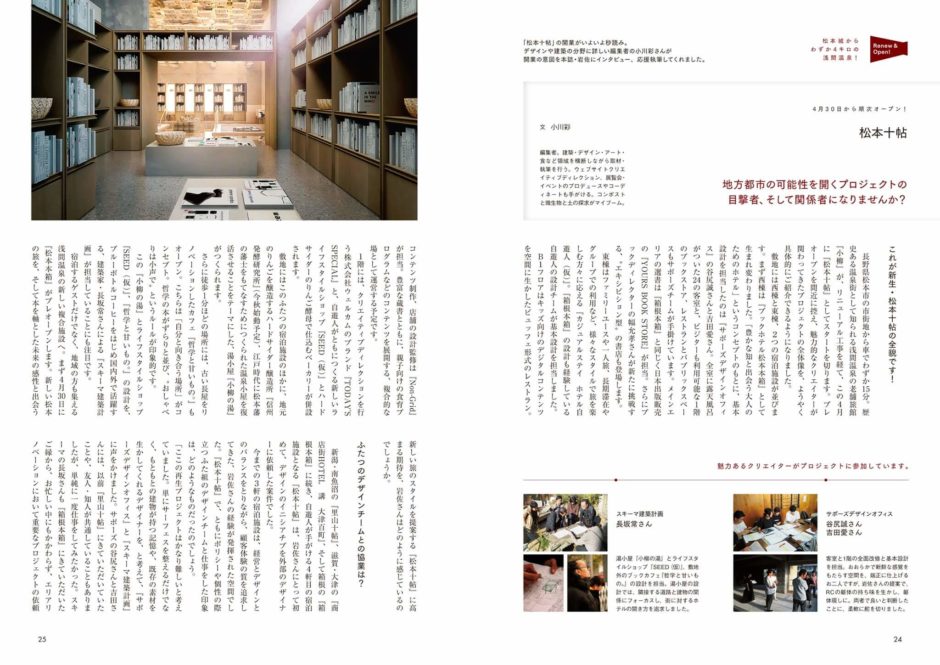
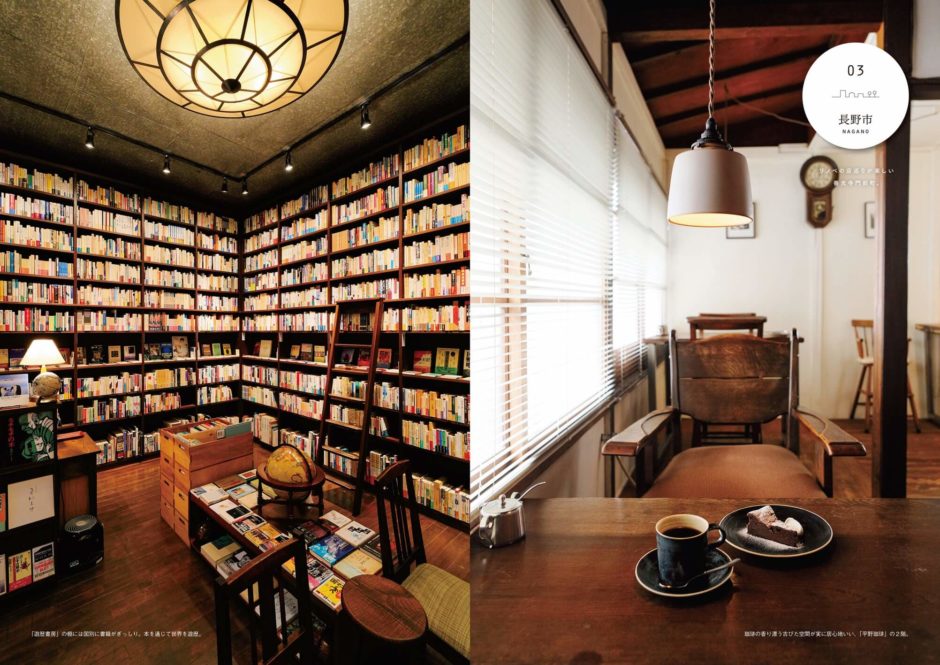
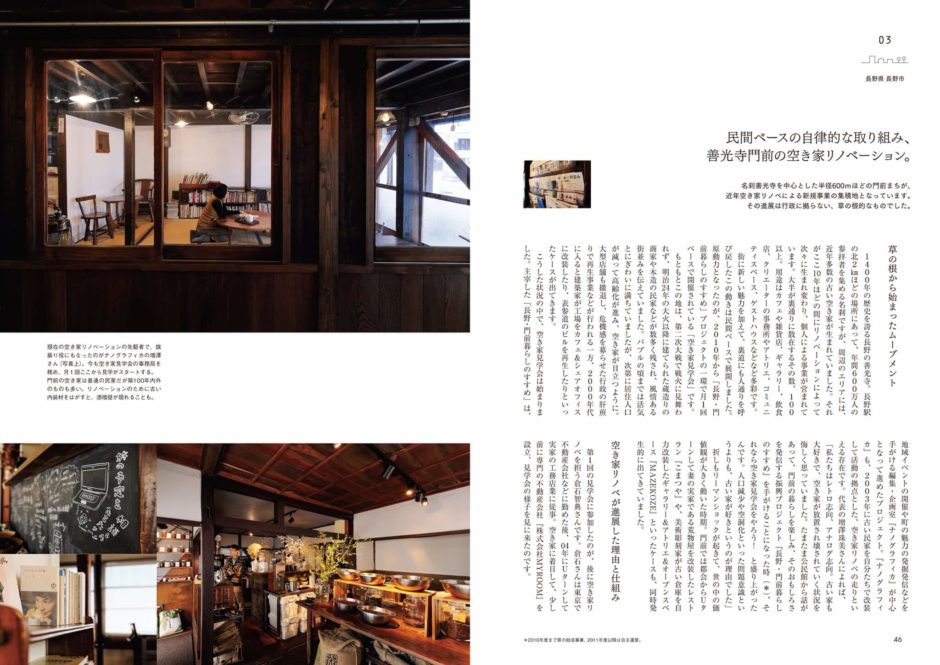
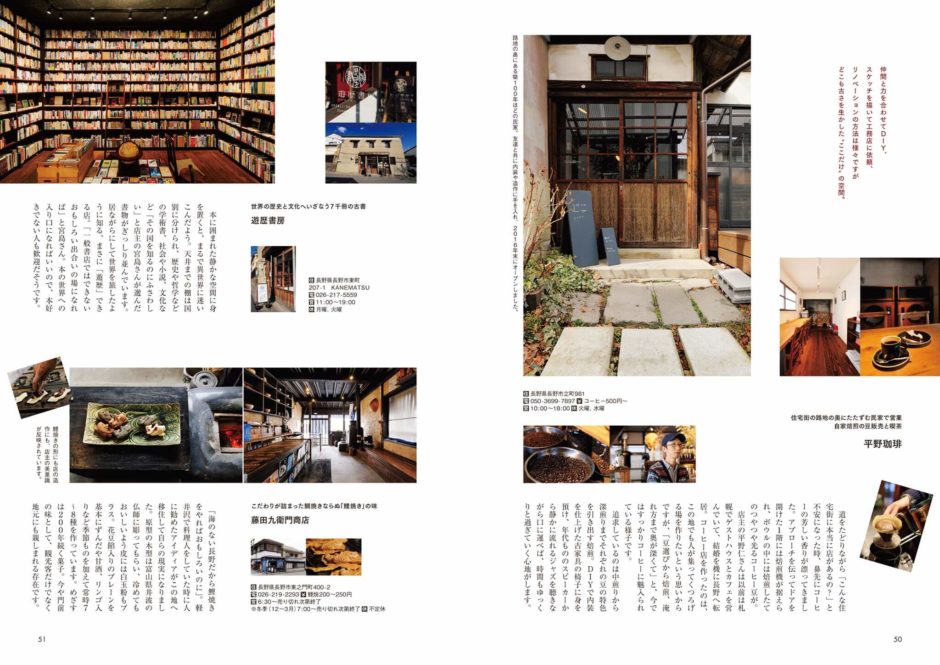
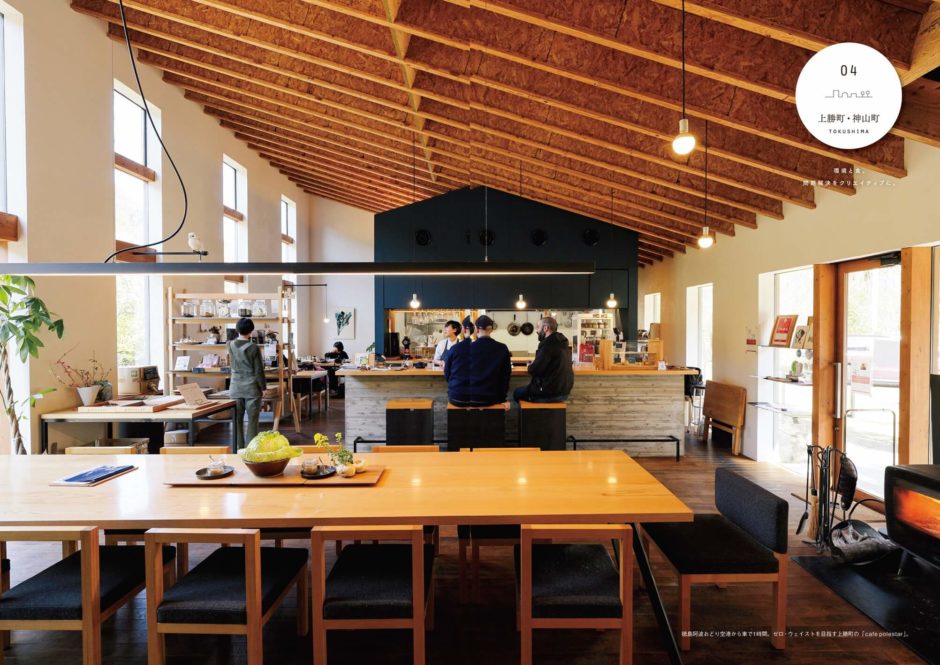
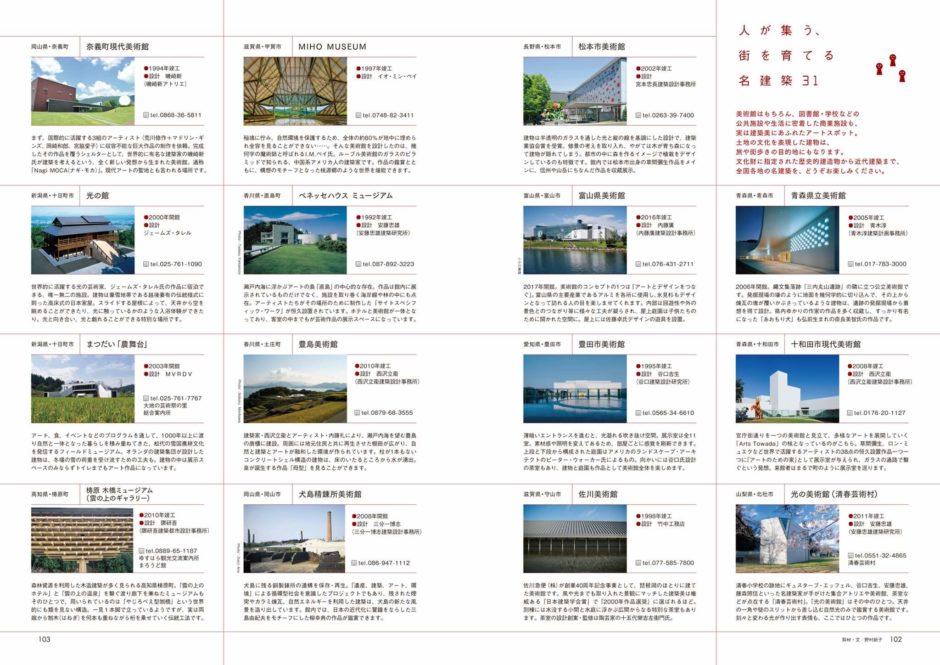
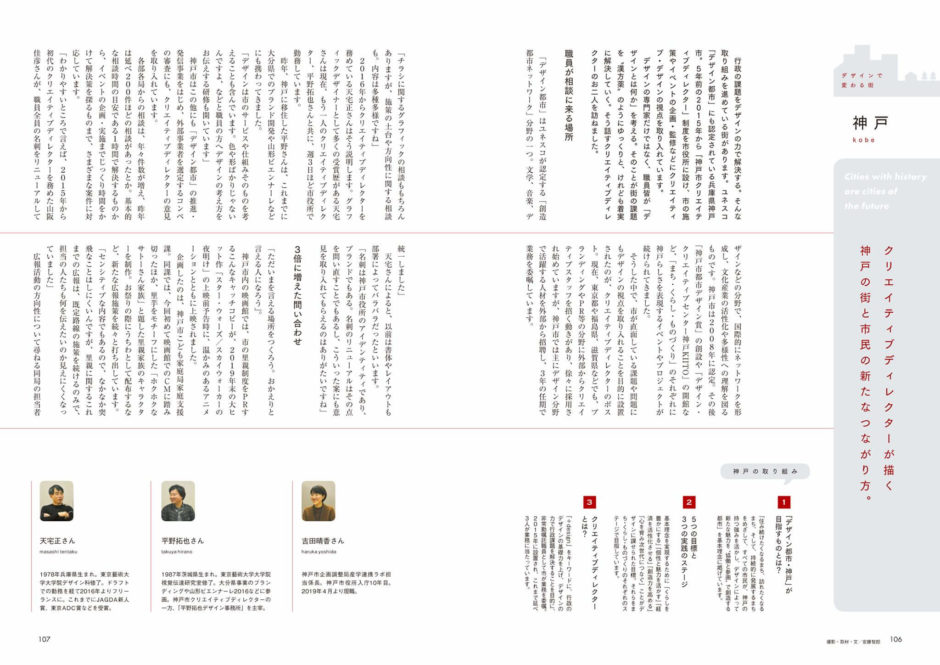
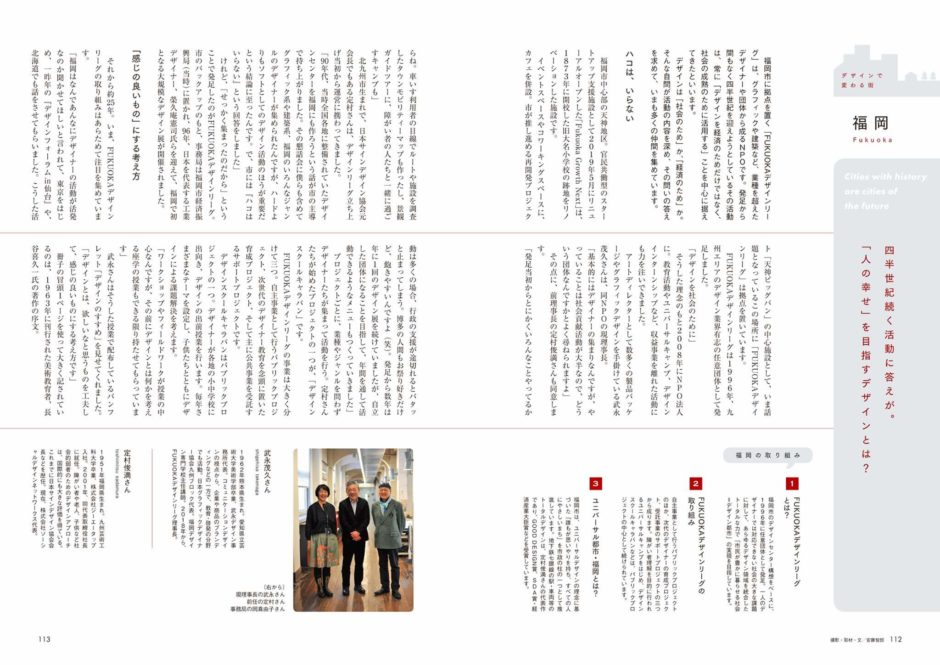
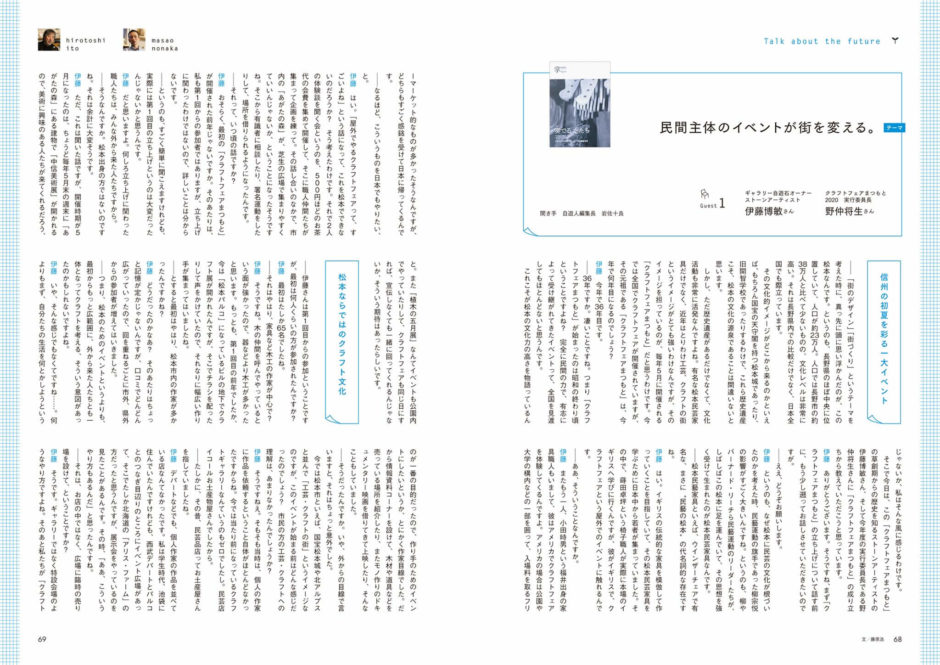

What comes to mind when you hear the words ‘Design Journeys’?
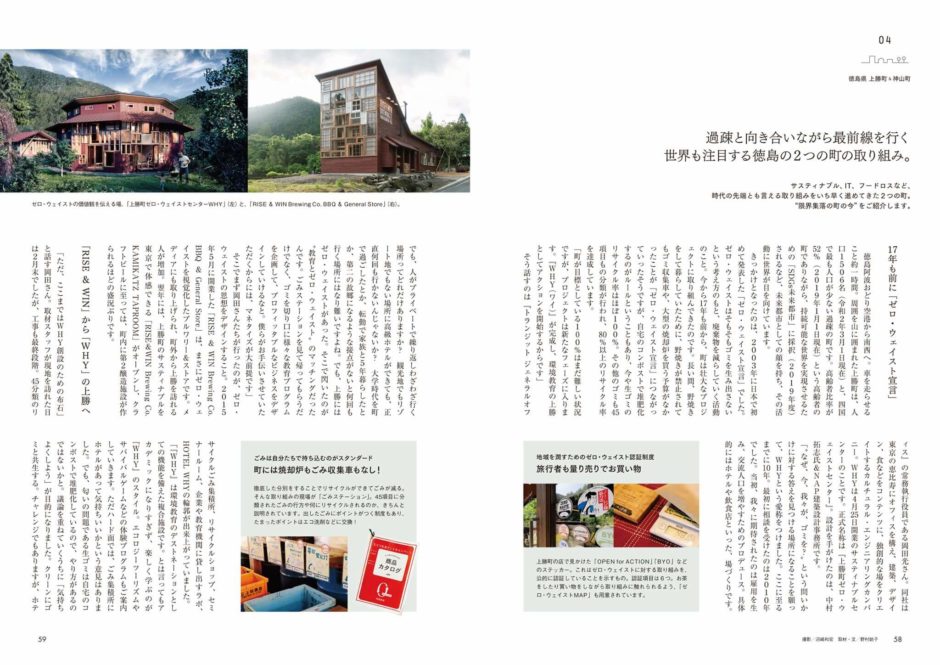
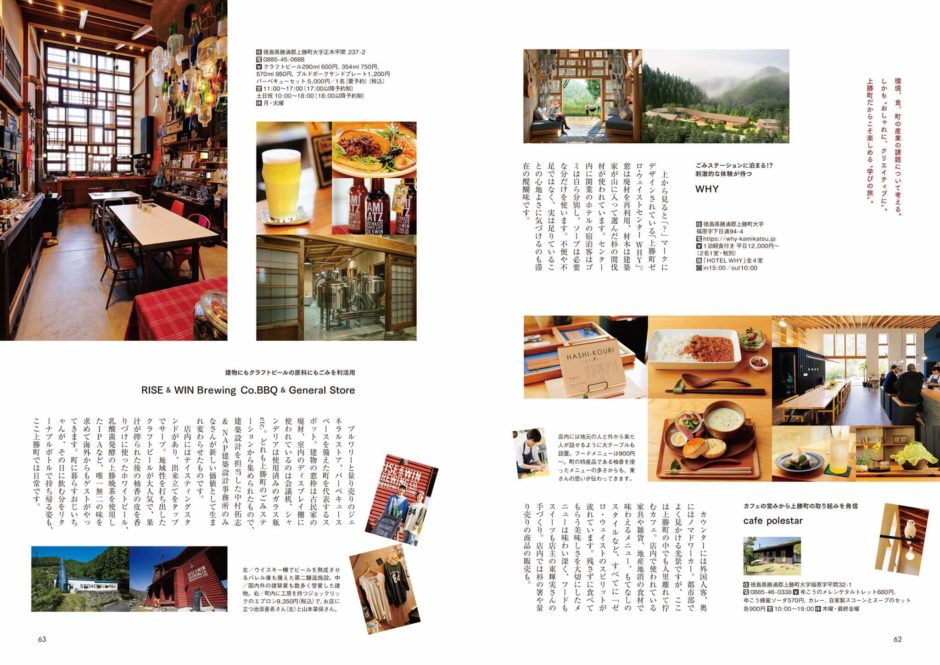
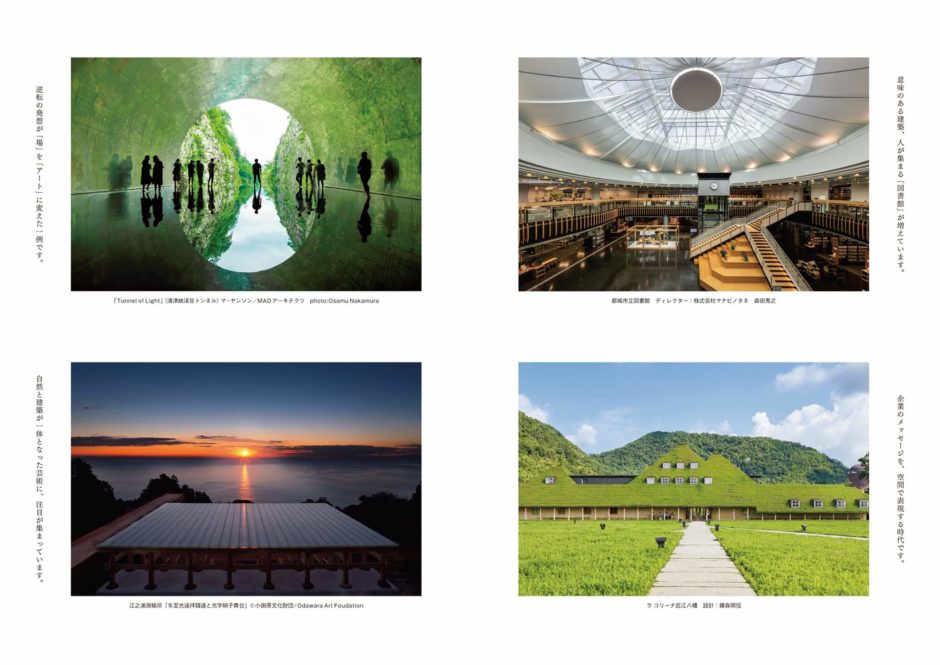
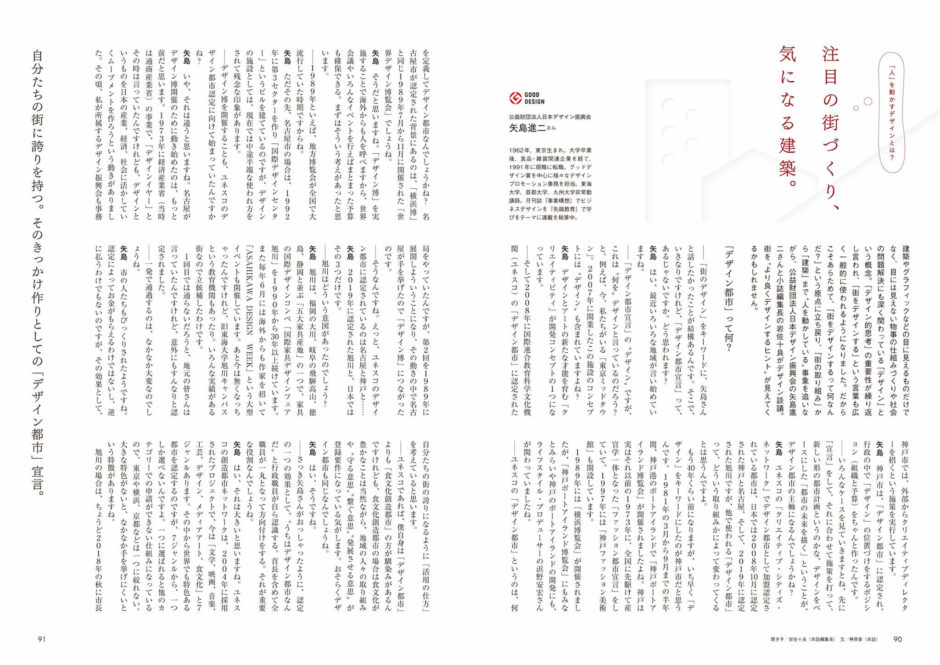
Architecture, fashion, art … If you want to see the latest creative work, you can hardly leave New York, Paris, Milan or London off your list. For a taste of how comfortable everyday life can be, there’s Copenhagen. If it’s design that transcends its time you’re after, you might want to visit Rome or Barcelona. Social design and community design have attracted growing interest in recent years. If that’s your starting point, Portland and Seattle come to mind, as does Taipei in Asia. For urban planning there’s Singapore, and for the sheer energy of city life you wouldn’t want to miss Shanghai or Shenzhen. Now, let’s come back to the title of our feature: ‘Design Journeys’. Traditionally, we’ve put a word before ‘design’ to name the field: ‘graphic design’, ‘fashion design’, ‘architectural design’. The Japanese dictionary Kōjien defines it as ‘1. A preliminary drawing; a sketch; a pattern. 2. Planning the form something will take.’ Another dictionary, Daijirin, gives this definition: ‘Conceiving the form of something one intends to do or make, taking into account its function, the production process and so on. A design; a plan; a pattern.’ Today, though, the way we use ‘design’ is changing profoundly: from noun or adjective to verb. We design a town, design a society, design a system. Why the change? More and more people are realising that only through design thinking can we suggest what might be of value to a society at an impasse, or create something of new value for a society shaped by artificial intelligence. There’s nothing surprising about design becoming a verb. The word has always carried the sense of making a plan. We design to solve social problems. We design to find a more human way to live. Perhaps design is the only way we can hold our own against AI. It’s also what I call ‘human ingenuity’. For this feature we looked beyond the familiar fields of design as a noun – architecture, art, fashion and graphics – and reported mainly from towns and cities where you can see design as a verb and sense the human ingenuity at work. Why did we confine our reporting to Japan? Because in this age of the verb there’s no point in copying what’s done abroad. The value lies in creating something ourselves. And all sorts of ideas are beginning to take root here. It’s true that Japan has been a little slow to embrace design as a verb. Yet look around the world and you’ll find that, in this very field, it’s the rest of the world that’s emulating something distinctly Japanese. You see it in Portland’s idea of the ‘neighbourhood’ and in the way people in Taiwan make a point of reflecting on who they are. As the world becomes more Japanese, what do we Japanese need to think about? What lies on the other side of globalisation, on the other side of a capitalist society? We need to put the ideological disputes of the past out of our minds and think afresh about where the balance lies and how best to strike it. That, to my mind, is human ingenuity. It’s design as a verb. What the coronavirus crisis has shown us is that an ‘infodemic’ – a flood of information – has brought humanity to the brink of destruction. Better information networks, the globalisation of the economy and the spread of AI have undoubtedly enriched our lives. Yet we’ve also learnt that economies and communities alike can collapse in an instant. So what should we do?
Why don’t we take a trip and think it over along the way? Toru Iwasa, Editor-in-Chief, Jiyujin
* The information given here was current at the time of publication.