


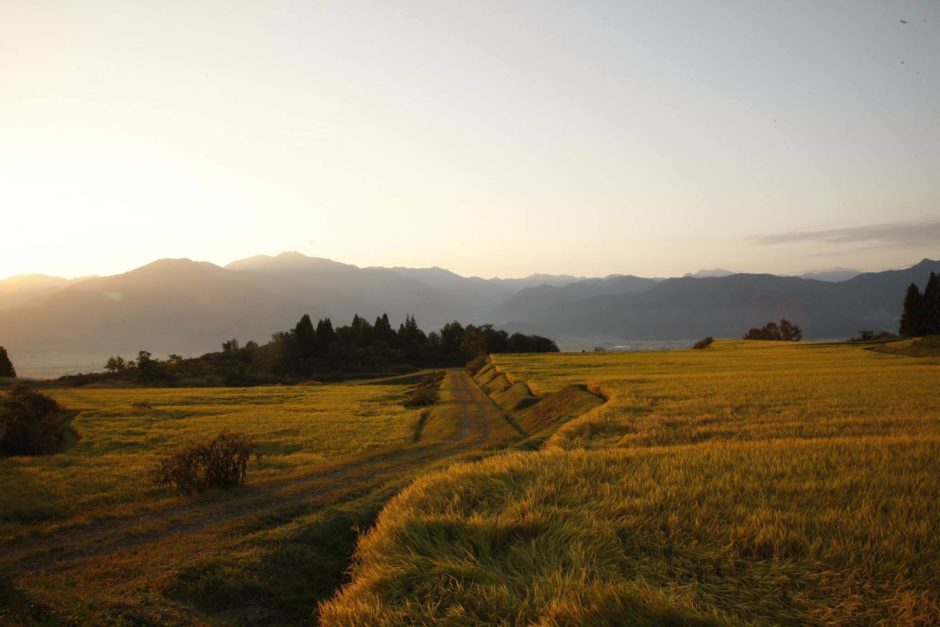
Are you enjoying your summer holidays? More and more of you have been asking, ‘When is the best time to see the autumn colours?’ So we’ve put together a calendar. But if you ask us, there’s an even better time to visit: September, when the rice fields shine gold.
Some of the finest Uonuma Koshihikari rice is grown in the Nishiyama area of Minamiuonuma. Satoyama Jujo is in the part of Nishiyama said to grow the very best of all: Kimizawa, Osawa and Kabanosawa. Think of it as the Romanée-Conti of rice.
Right now, the ears of rice are emerging all across the fields. Come September, the fields turn gold as far as the eye can see. It’s when the countryside around Satoyama Jujo shines brightest. (The photograph shows Minamiuonuma in late September.)
So many of our guests have booked a return visit for late September that there are few rooms left, even on weekdays. Why not come to Minamiuonuma to see the golden rice terraces? If you’re thinking of August, we have rooms available from the 24th.
A calendar of autumn colour and deep snow
satoyama-jujo.com
Roughly 15 September to 5 October
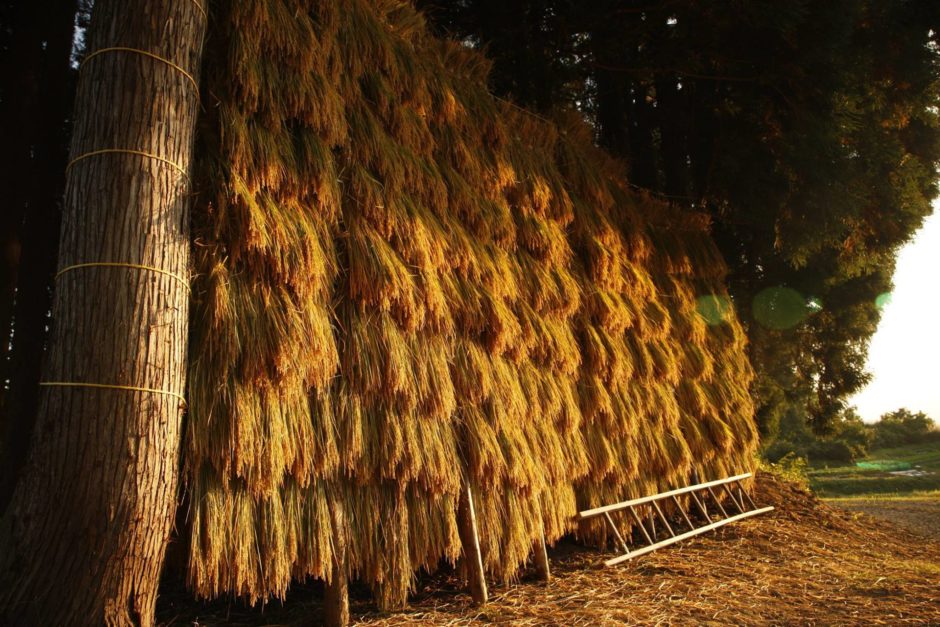
This is the time to see the golden rice terraces and watch the harvest. The last week of September is the best of all. By the time October begins, more and more of the fields have been cut.
Around 10 October
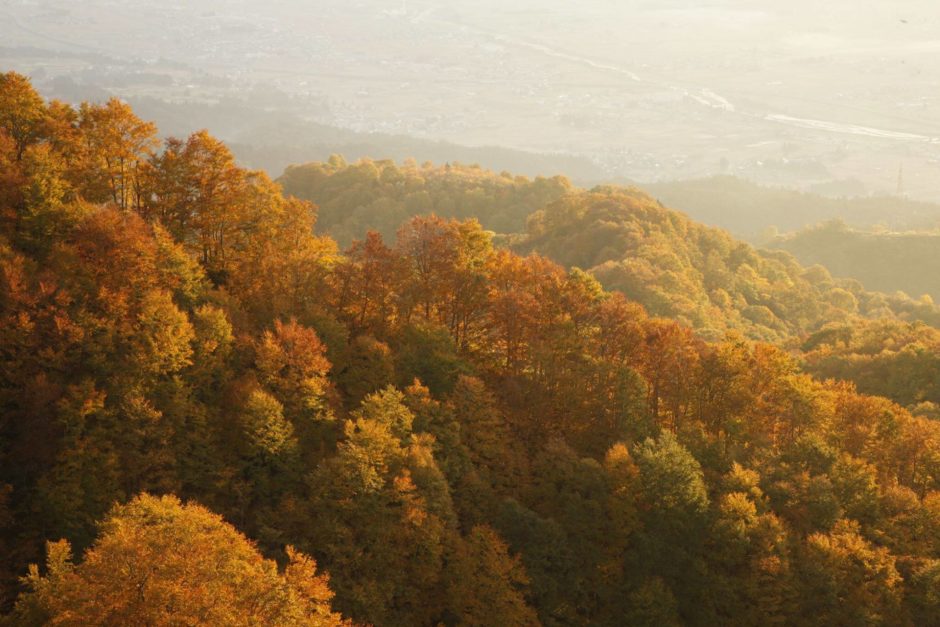
In the surrounding mountains, the leaves begin to turn at about 2,000 metres. The best time to see the colours from the Tenjindaira cable car on Mount Tanigawa is around 10 October. For walking on Mount Tanigawa or Mount Naeba, the best dates are 10 to 15 October.
Around 15 October
This is the best time to see the autumn colours from Naeba’s Dragondola. On Saturdays and Sundays, expect to queue for at least 30 minutes to board.
Around 20 October
The colours are now at their best at about 1,500 metres. You can see them at Ginzan-daira and Nakaarasawa, on the walking trails of Mount Hakkai and on the Nagano side of Akiyamago.
Around 1 November
For autumn colour, try the Uonuma Skyline, the Trekking Yuzawa 1 trail, the Hakkaisan cable car, the Niigata side of Akiyamago or Lake Daigenta.
Around 10 November
The colours around Satoyama Jujo are at their best. For views across the rice terraces, follow the Rice Terrace View Line on National Route 403.
Around 15 November
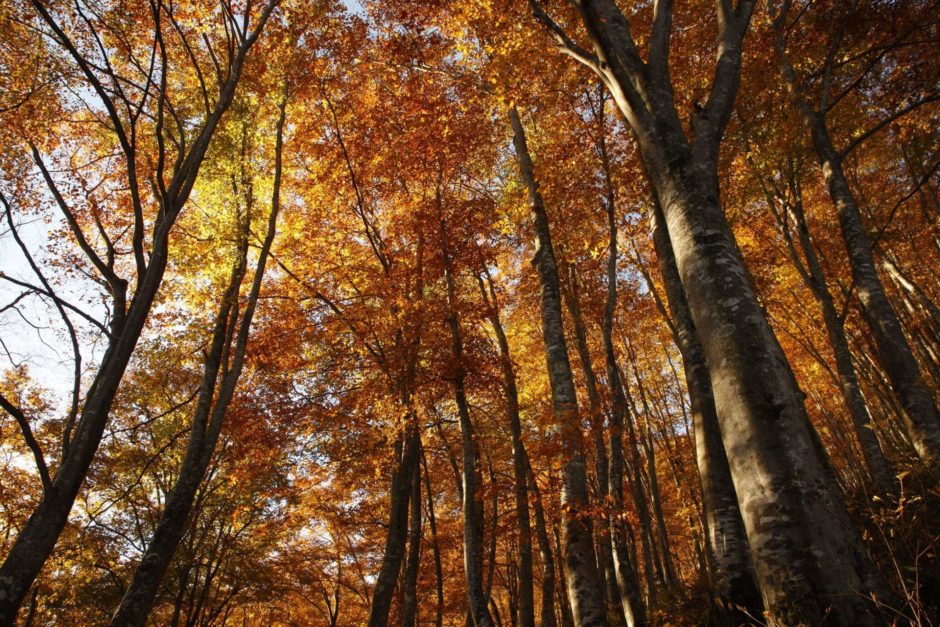
Autumn colour peaks around now in the Bijinbayashi beech woods, at the Hoshitoge rice terraces and elsewhere in the satoyama – the fields and woodland around the villages.
Around 20 November
Even around the villages, the season for autumn colour comes to an end. The first snow falls about now each year. It can be as little as 3 cm or as much as 20 cm in a snowy year. If it snows while you’re here, you’re in luck: the white of the snow makes a beautiful contrast with the autumn leaves. There’s no need to worry about the roads, as the snow on them soon melts. Kagura Ski Resort opens around 23 November each year for a long season that lasts until the end of May.
Around 10 December
One day, quite suddenly, the snow starts coming down hard. It keeps falling for two or three days until it lies at least a metre deep. Just like that, we’re in snow country. Even in heavy snow, getting here is no problem if you take the Shinkansen high-speed train and then a fixed-fare taxi.
Around 20 December
The snow is now more than two metres deep. It absorbs every sound, leaving the whole landscape silent.
Around 30 January
The snow is over three metres deep. High walls of snow rise on either side of the road to Satoyama Jujo, like a miniature version of the Tateyama Kurobe Alpine Route. The Shinkansen, of course, runs on time however heavy the snow, and you can be here from Tokyo in just under two hours. How about spending a quiet holiday indoors with a book, snug in the warmth?
*This information was current at the time of publication.