


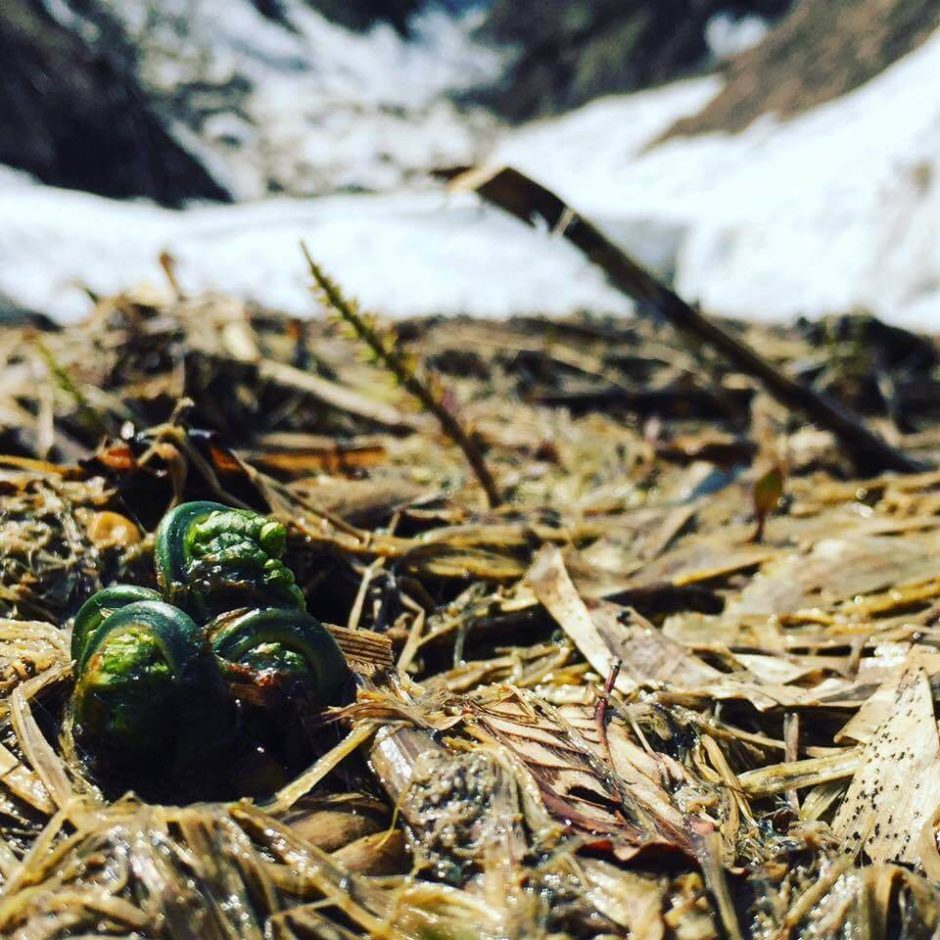
At Satoyama Jujo, we’re known for our wild mountain vegetable dishes. More and more people have been ringing to ask, ‘When would you recommend coming this year?’ Our answer: ‘We’ve had more snow than usual, so the season is running a little late, but it’s already started! The best time to come, though, is after Golden Week.’ That’s Japan’s run of public holidays in late April and early May.
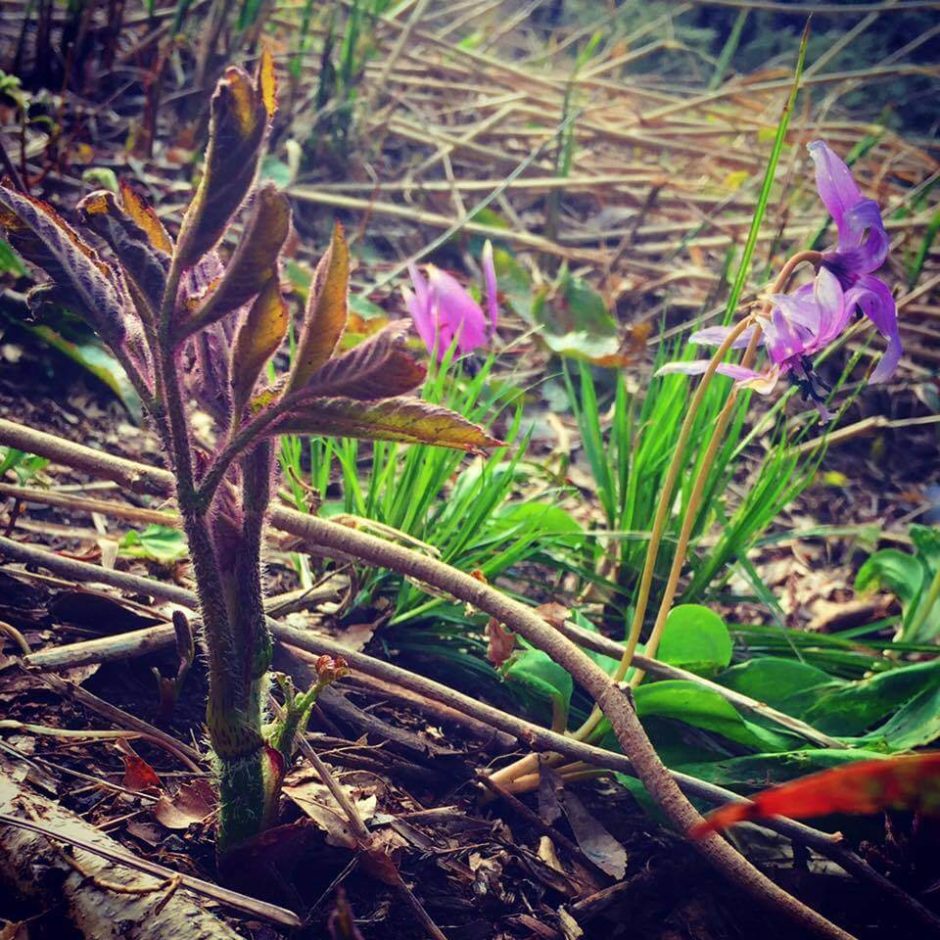
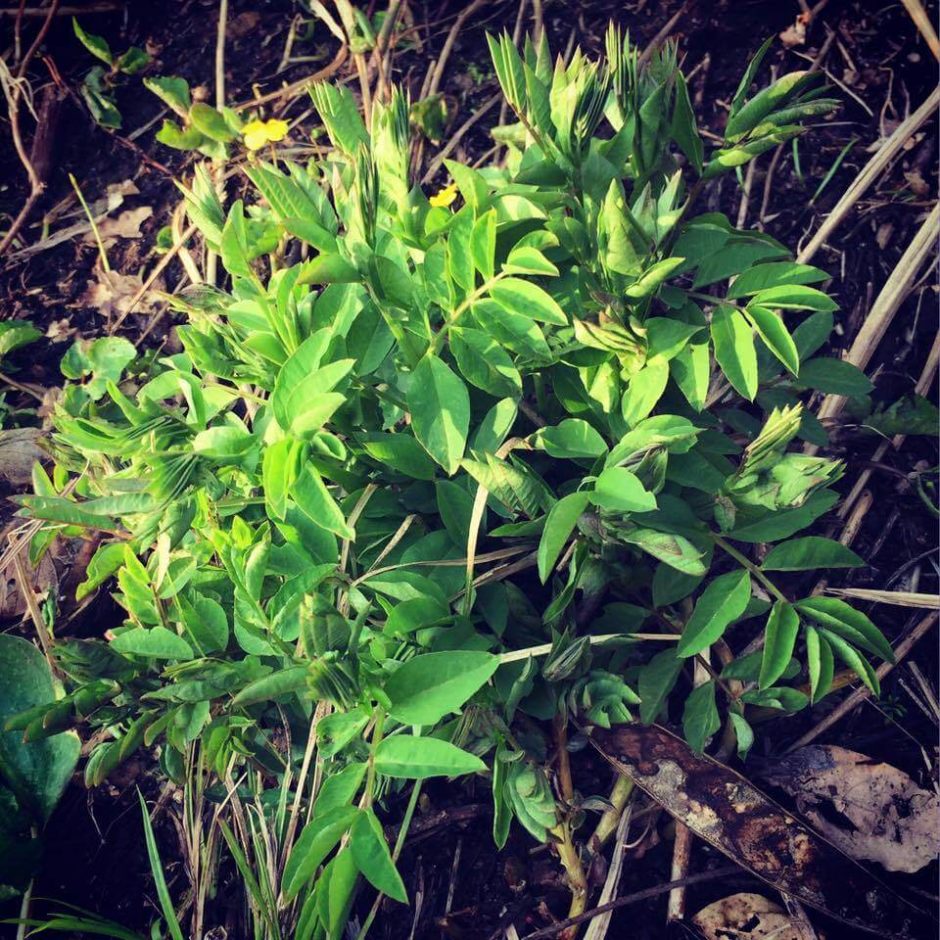
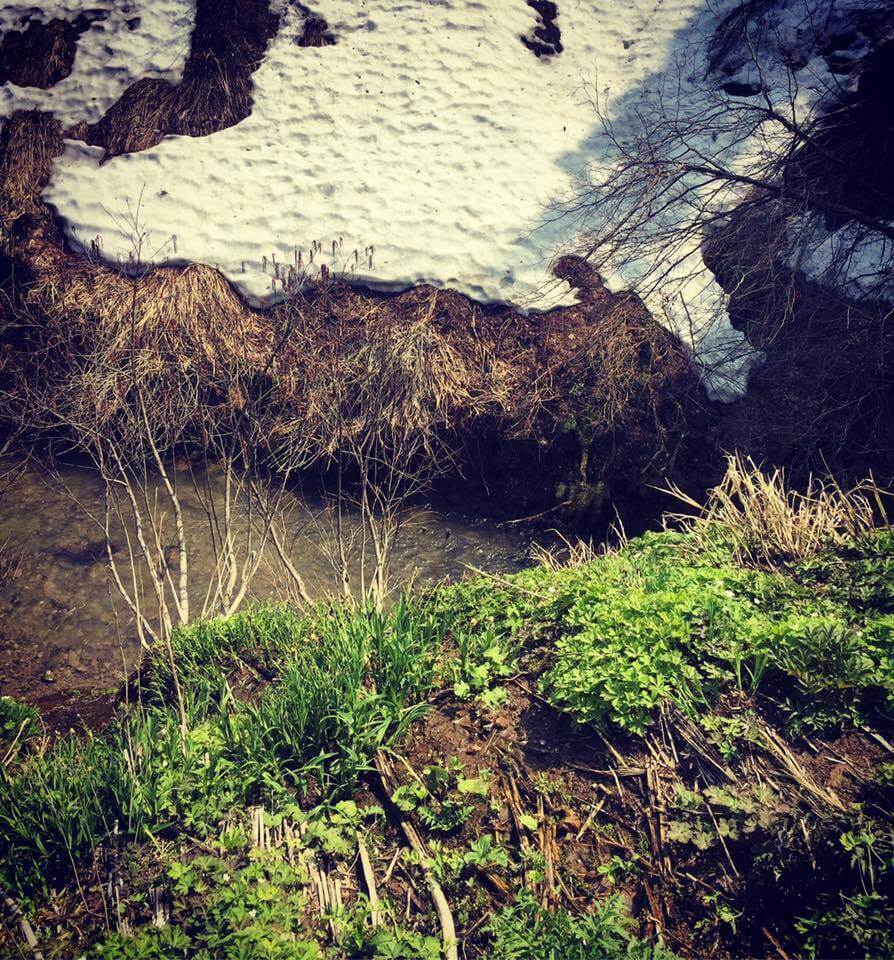
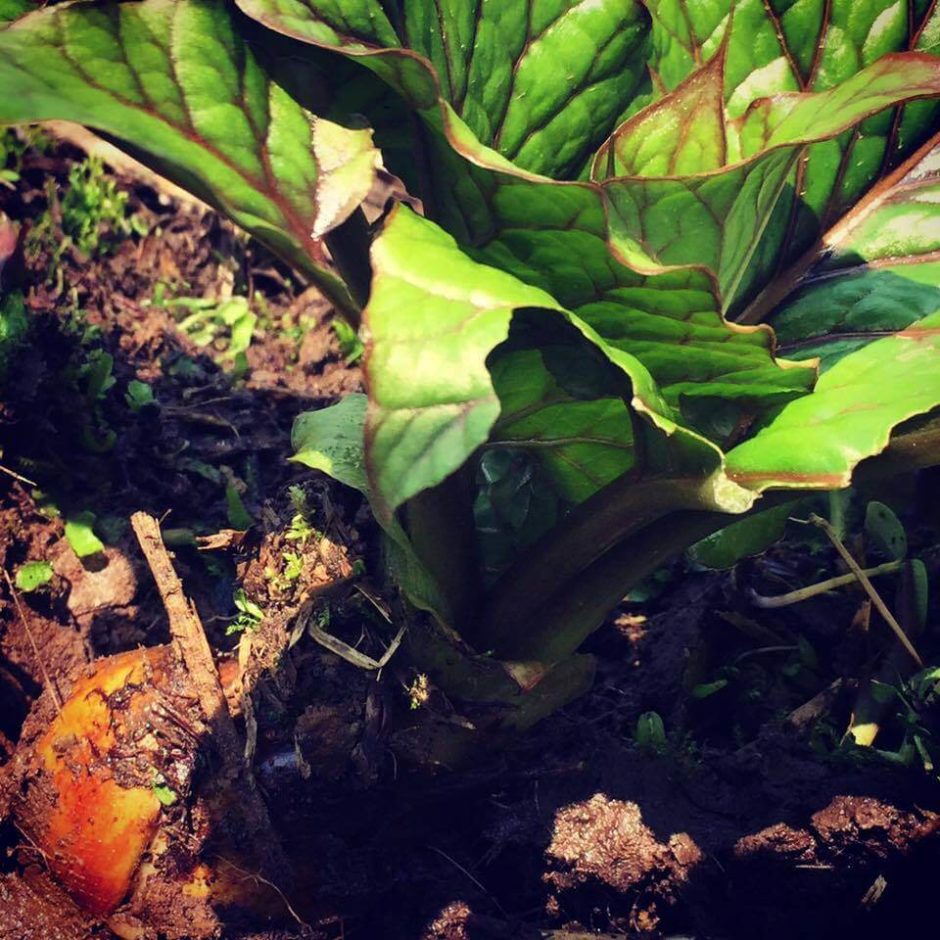
The photographs show what our staff gathered yesterday on a trip a little further afield. Look how much is already coming up where the snow has melted!
Room availability at Satoyama Jujo
We have only a few rooms left before Golden Week. Do come and see the katakuri (Japanese dog’s-tooth violets) in full bloom.
https://asp.hotel-story.ne.jp/ver…/ASPY0000Calendaronly.asp…
Spring at Satoyama Jujo: what to see and when
Until mid-April: snowshoeing and snowboarding
There’s still enough snow on the ground for a snowshoe tour. We can arrange backcountry skiing and snowboarding tours on Kaguragamine until Golden Week.
Now until 30 April: great drifts of katakuri in flower
The katakuri on Mount Rokumanki are coming into their own. The drifts of flowers here are on quite a different scale from those in the Kanto region. It’s a small mountain, just 321 metres high, and the whole mountain turns pink. Anyone can enjoy the flowers: there’s a well-kept walking trail, and even at a leisurely pace the circuit takes only an hour.
15–30 April: cherry blossom at Zenibuchi Park
At Zenibuchi Park, not far from Satoyama Jujo, there’s a blossom-viewing festival when the cherry trees flower. They’re a little late this year and should be in full bloom around 25 April.
Around 25 April: the beech woods come into leaf
The sight of those vivid green leaves against the lingering snow is beautiful enough to bring tears to your eyes. This is also when the cherry trees begin to flower among the rice terraces across the area. What you’ll see during Golden Week varies enormously from year to year, depending on how much snow is left. In snowy years you’ll see cherry blossom and fresh beech leaves against a landscape still white with snow. In years with less snow, the wild mountain vegetables begin to appear.
10 May to the end of the month: the landscape at its most beautiful!
The trees around Satoyama Jujo usually start coming into leaf around 5 May, and the fresh green leaves are loveliest from about 10 to 20 May. The wild mountain vegetables start coming up here at the same time, and this is when our wild vegetable dishes are at their best. Many guests tell us, ‘When I think of Satoyama Jujo, I think of wild mountain vegetable dishes.’ If that’s what you’re coming for, we recommend visiting after Golden Week and before May is out!
20 May to mid-June: reflections in the rice fields
Rice planting is at its busiest around the last week of May. Once the fields are flooded, each becomes a mirror reflecting the landscape. The birdsong grows livelier, too. There’s still snow on the mountains, but spring is in full swing in the fields and woods below. From mid-June onwards, the range of wild mountain vegetable dishes gradually narrows.
Late June: more sunny days than you might expect
This is generally the rainy season, but in Niigata the rains are late to set in, and June brings plenty of sunny days. The high peaks of the Tanigawa range hold back the clouds along the seasonal rain front, so the weather at one end of the tunnel can be entirely different from the weather at the other. It’s often sunny here when it’s raining in Tokyo, and you can enjoy the fresh, clear weather of early summer. With the young rice growing, it’s an ideal time to explore the terraces. It’s also the time of year with the fewest visitors, so you can really enjoy the peace and quiet.
Early to mid-July: the time to see fireflies!
In early July, fireflies start to flit over the rice terraces around Satoyama Jujo. Every so often they fly as far as the open-air bath, so you might see them as you soak.
July and August: a sky full of stars and the Milky Way
This summer’s new moons fall on Saturday 24 June, Sunday 23 July and Tuesday 22 August. Look up on a moonless night and you’ll see a sky full of stars, with the Milky Way standing out clearly. The best time to see it is in the week leading up to each new moon or the week that follows.
*This information was current at the time of publication.