


The seventh dish on our late-autumn menu!
‘Would you like a little more?’ Small tastes of the season
A little of everything: the vegetables that came in today and whatever else autumn has brought us. Heritage turnips make another appearance here. Red turnips pickled in vinegar are a traditional Niigata dish (we use a different variety from the one we grilled!). Try the raw turnip with the dip made from the rich brown meat of the crab.
Those shavings may look like dried bonito, but they’re cured ham that we’ve left to mature a little longer. The ham is much firmer than usual as a result, and its savoury flavour is all the more concentrated. It’s almost the meat equivalent of honkarebushi, the fully matured form of dried bonito prized for its intense natural umami. Just a sliver fills your mouth with the flavour and aroma of fermented meat.
Our ‘cheese-like tofu’ is another treat. We steeped it for six months in the lees left from brewing Kakurei sake. We started this batch six months ago as an experiment, so once it’s gone there’ll be a six-month wait for the next one (it’s too good not to make again!). What better accompaniment to all these little tastes than a glass of sake or wine?
At the front on the right is roast mallard. The custom of presenting Niigata duck to the Tokugawa shoguns’ household dates back to the Edo period. The mallard we serve at Satoyama Jujo is shot in the wild. Each bird yields only about 20 slices of lean red meat, quite unlike ordinary duck in flavour. Wild mallard is much sought after, not least by Tokyo’s French restaurants, and fetches a far higher price than even A5-grade wagyu beef. As our hunter puts it, ‘Once the season’s been open a while, the ducks wise up and you can’t get them any more.’ We also have a fixed allocation, so we can’t promise mallard every day. On days when none comes in, we serve our own roast beef, made with A5 Niigata wagyu. We offer the roast beef to anyone who doesn’t care for duck, too.
For the roast beef, we use Niigata wagyu matured in a snow-cooled cellar. At 100% humidity and 3–5°C, microbial action during maturation is said to increase the meat’s amino acid content and deepen its savoury flavour. The roast beef is a Satoyama Jujo favourite in its own right, and many guests order another helping.
Depending on what comes in, we also serve small tastes of fresh figs, a Niigata speciality, or persimmon salad dressed with vinegar. There may be walnuts, the little bulbils that grow on yam vines, and ginkgo nuts, too. We hope you enjoy these tastes of the season.
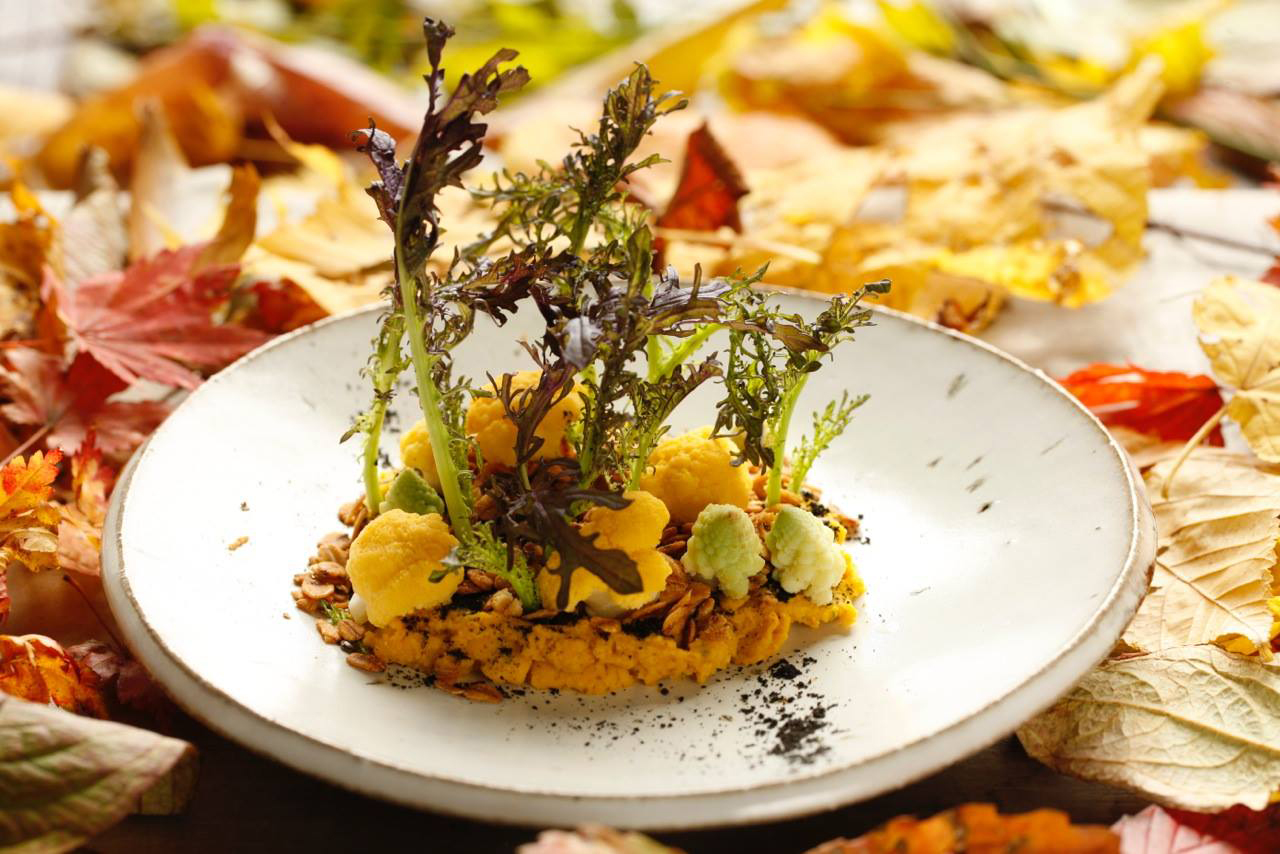
Late Autumn, Dish 1: ‘A Bountiful Harvest’ — Thanks for the Harvest of the Five Grains and the Soil That Sustains Them
https://satoyama-jujo.com/journal/plans/496/
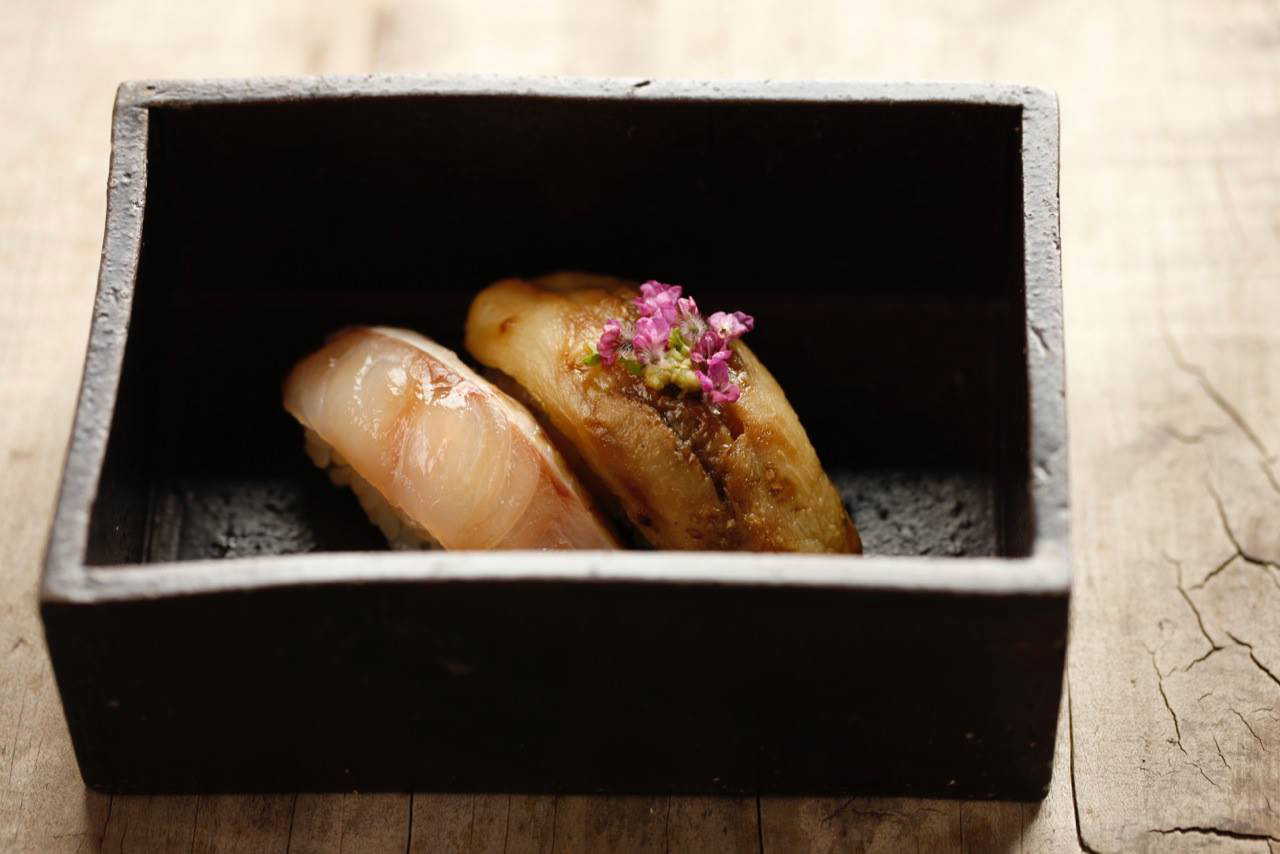
Late Autumn, Dish 2: ‘Where Sea and Mountains Meet’ — Bite-sized Nigiri Sushi
https://satoyama-jujo.com/journal/plans/501/
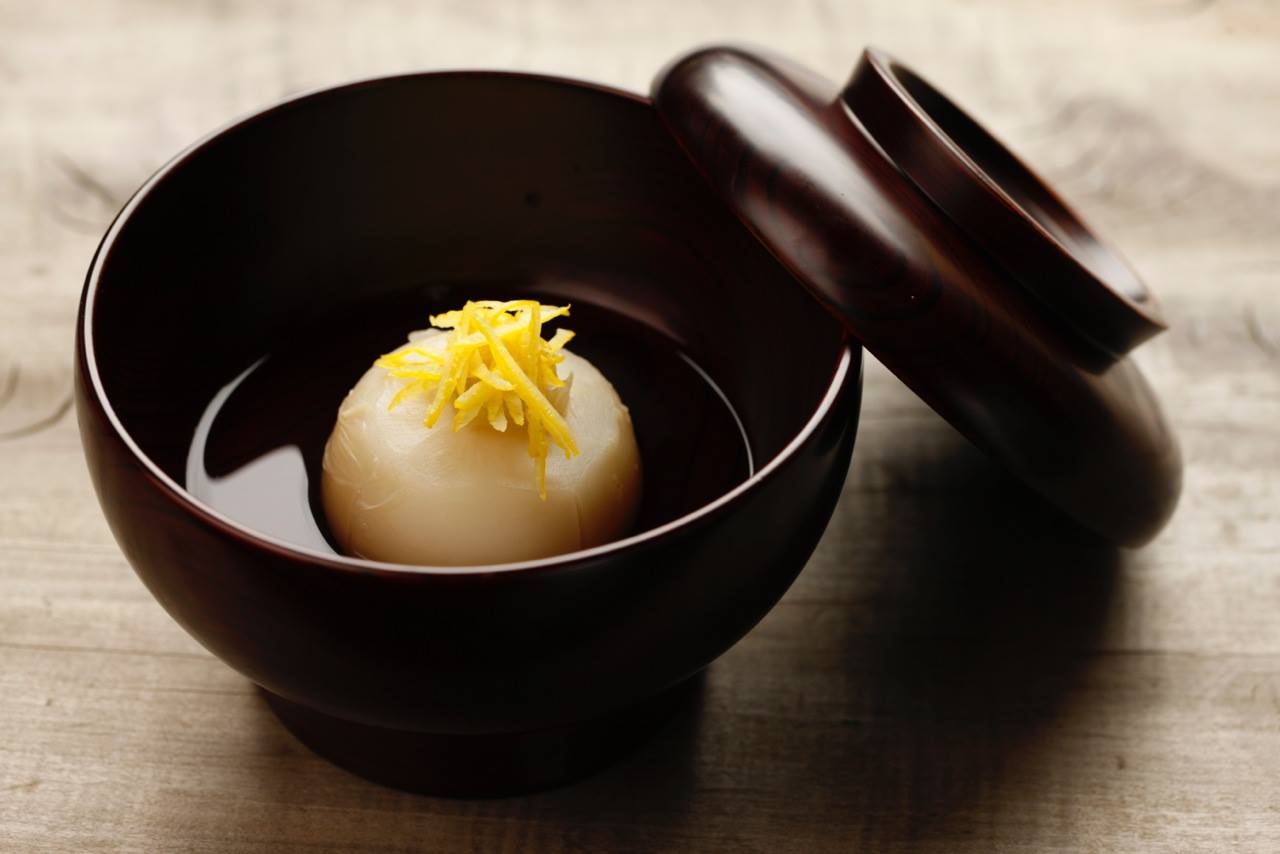
Late Autumn, Dish 3: A Bowl from the Rural Foothills — ‘The Magic of Dashi’, Turnip Gently Simmered in Stock
https://satoyama-jujo.com/journal/plans/505/
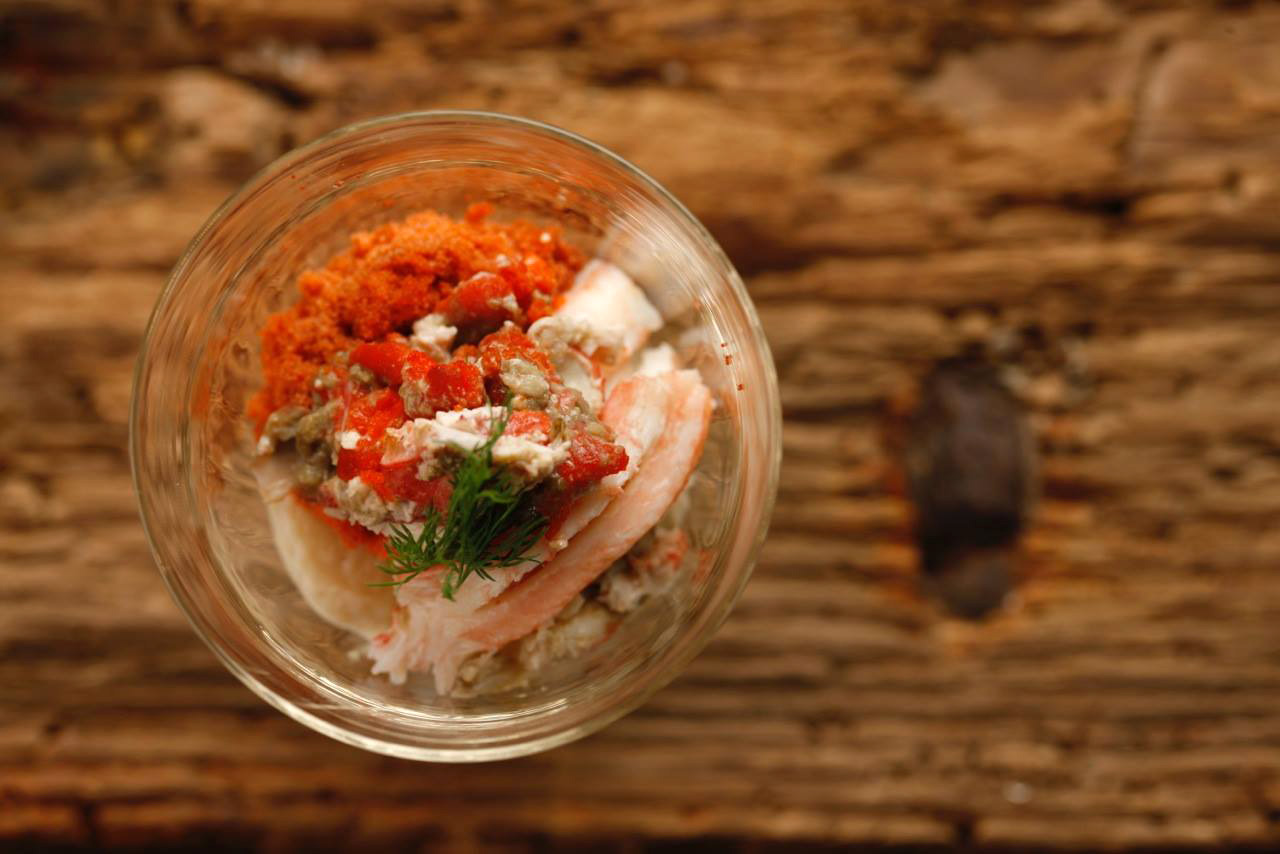
Late Autumn, Dish 4: ‘A Flavour We’re Rather Proud Of’ — Kobako Crab, a Female Snow Crab from Sado
https://satoyama-jujo.com/journal/plans/512/
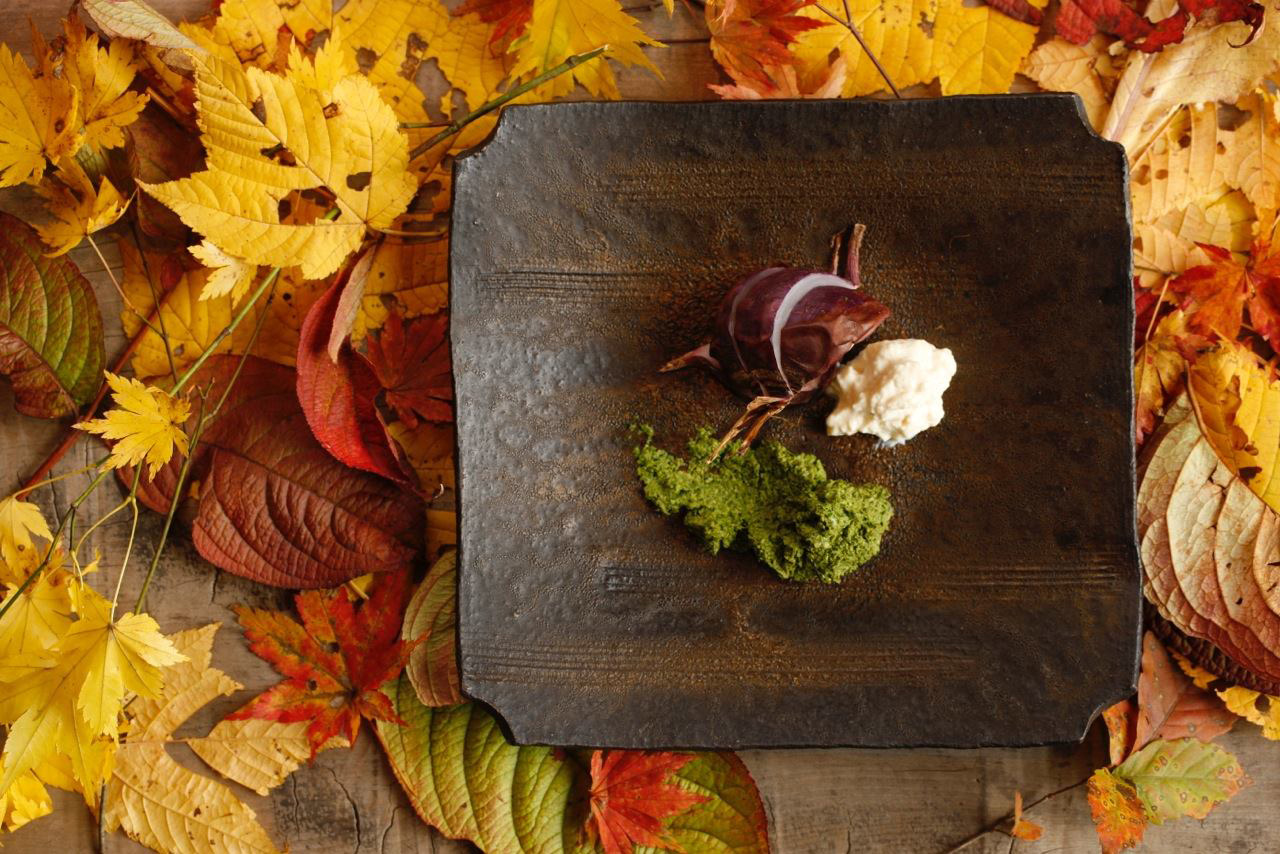
Late Autumn, Dish 5: ‘Plain to Look At, Rich in Flavour’ — A Red Turnip Grown by Slash-and-burn Farming and Grilled Whole
https://satoyama-jujo.com/journal/plans/515/
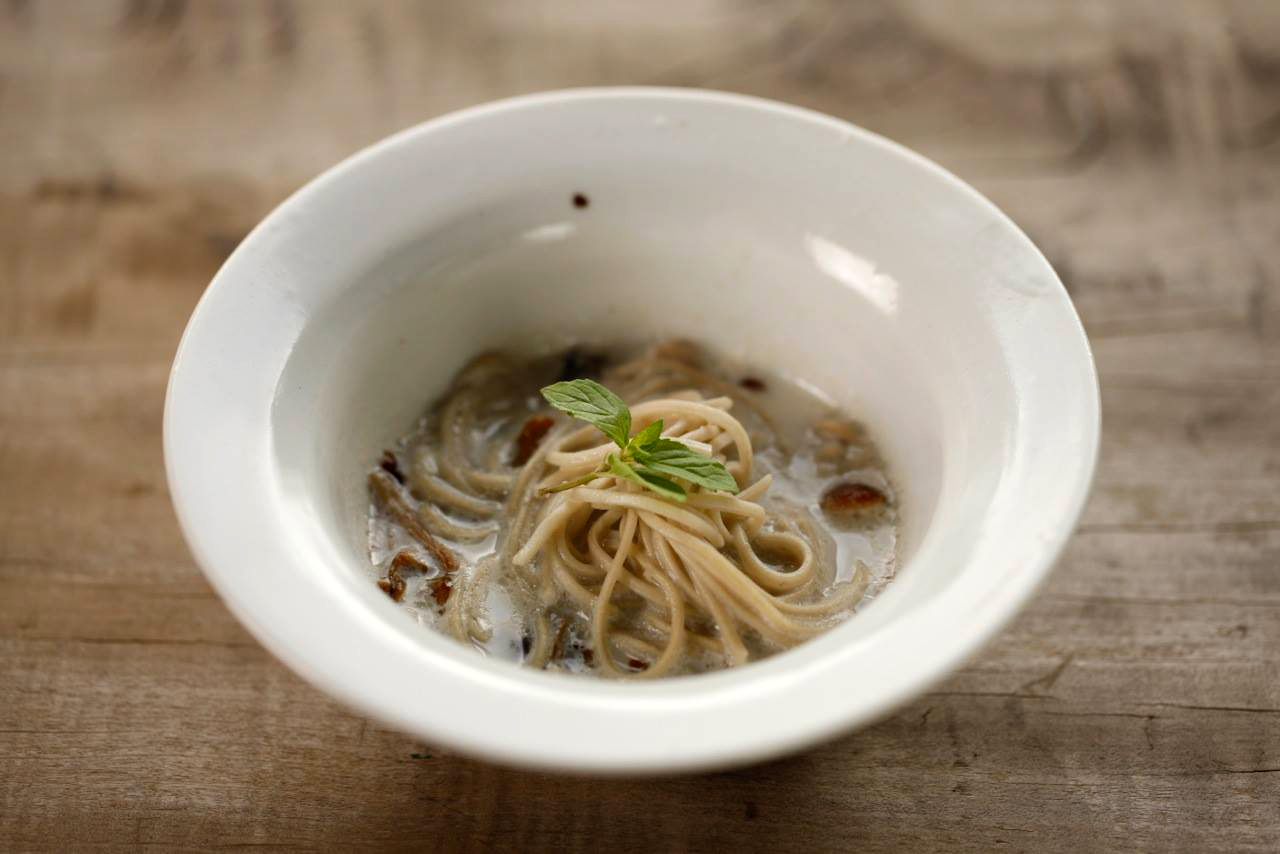
Late Autumn, Dish 6: ‘The King of Fragrance’ — Kōtake Mushrooms and Hegi Soba (Niigata’s Seaweed-bound Buckwheat Noodles), Served Pasta-style in Broth
https://satoyama-jujo.com/journal/plans/525/
Satoyama Jujo: satoyama-jujo.com
Book online for the best value.
The information given here was current at the time of publication.