


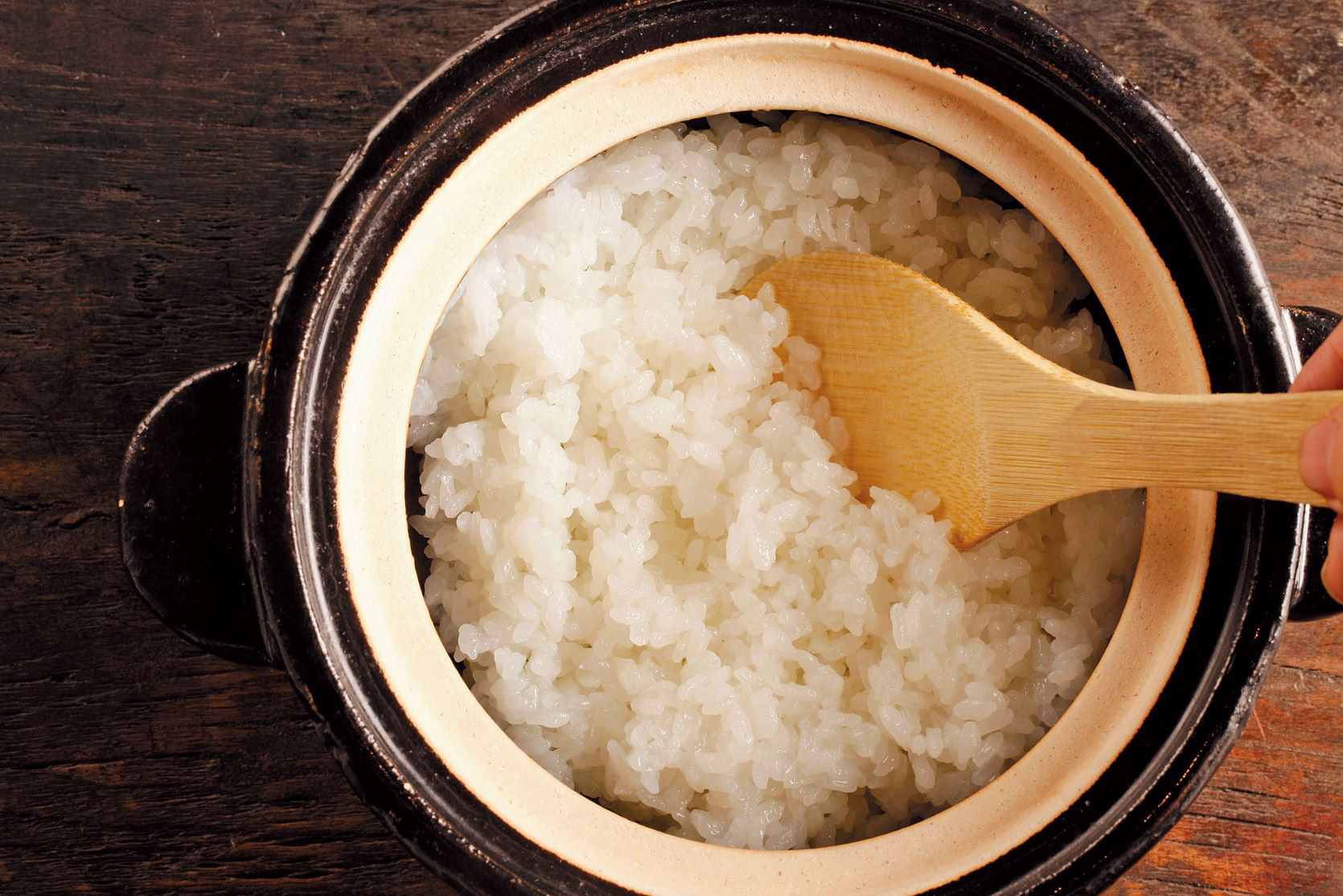
Dish nine on our late-autumn menu!
Our real main course: Japan’s finest Koshihikari rice.
Uonuma in Niigata is famous for its rice. Ask where the best comes from and the saying goes: ‘In Uonuma, it’s Minamiuonuma; in Minamiuonuma, it’s Nishiyama. And in Nishiyama, the very best comes from Kimizawa, Osawa and Kabanozawa.’ Nishiyama lies on the left bank of the Uono River, at the foot of a small mountain range rising to between 600 and 1,000 metres. This strip of land runs for about 30 kilometres from north to south; its width from east to west ranges from about 100 metres to a kilometre. The rice that people single out for its exceptional flavour grows in a tiny stretch around Kimizawa, Osawa and Kabanozawa, just 200 metres wide and about three kilometres long. If this were Burgundy, these paddies would be Romanée-Conti. The harvest is tiny, of course, and the rice isn’t sold under the Nishiyama name.
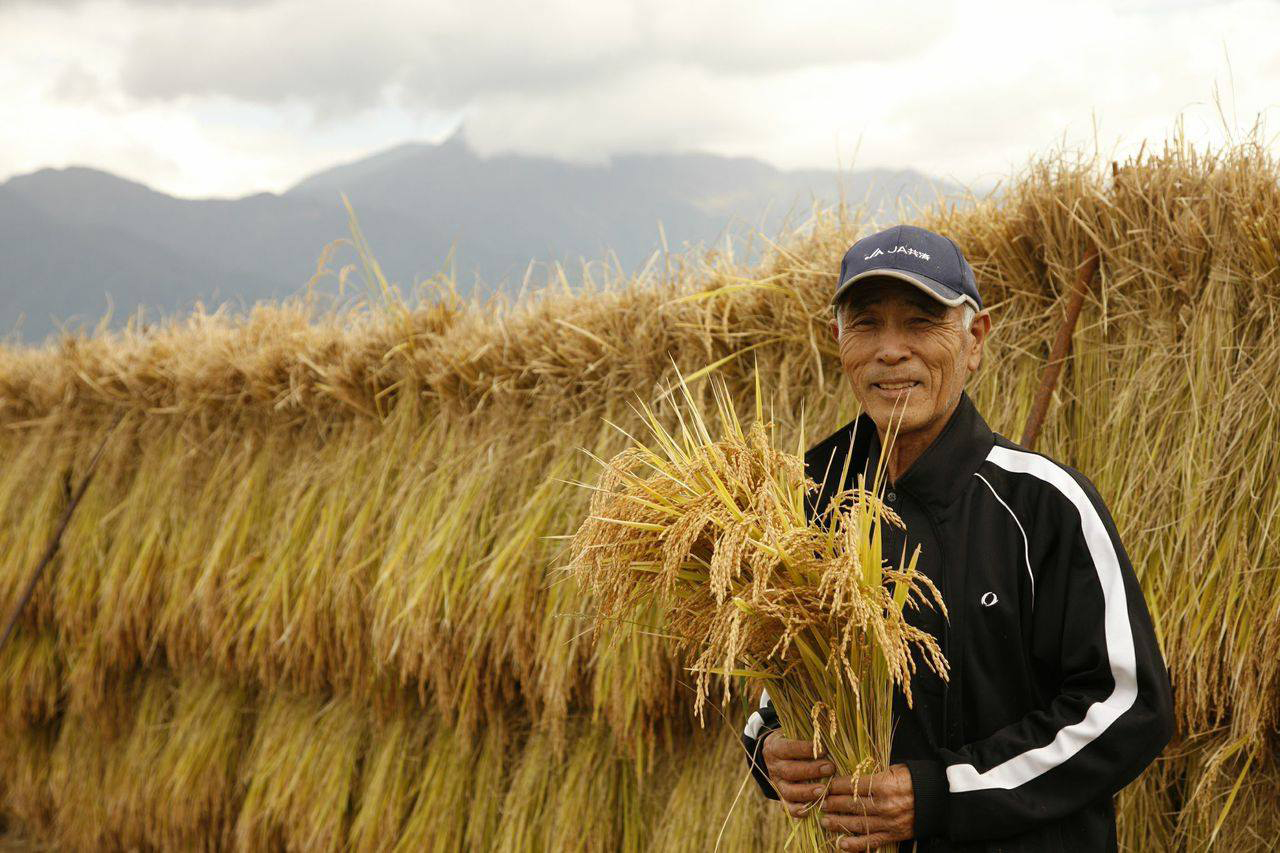
Kiyoshi Suzuki grows the rice we serve at Satoyama Jujo. ‘I fell in love with this rice!’ says Hiroyuki Kanda, whose restaurant Nihonryori Kanda has three stars in the Michelin Guide Tokyo. Suzuki has no interest at all in labels such as ‘organic’ or ‘pesticide-free’, or in Japan’s Organic JAS certification. Yet his paddies are full of pond snails and river snails. Come summer, it’s over his paddies, and his alone, that the fireflies fly.
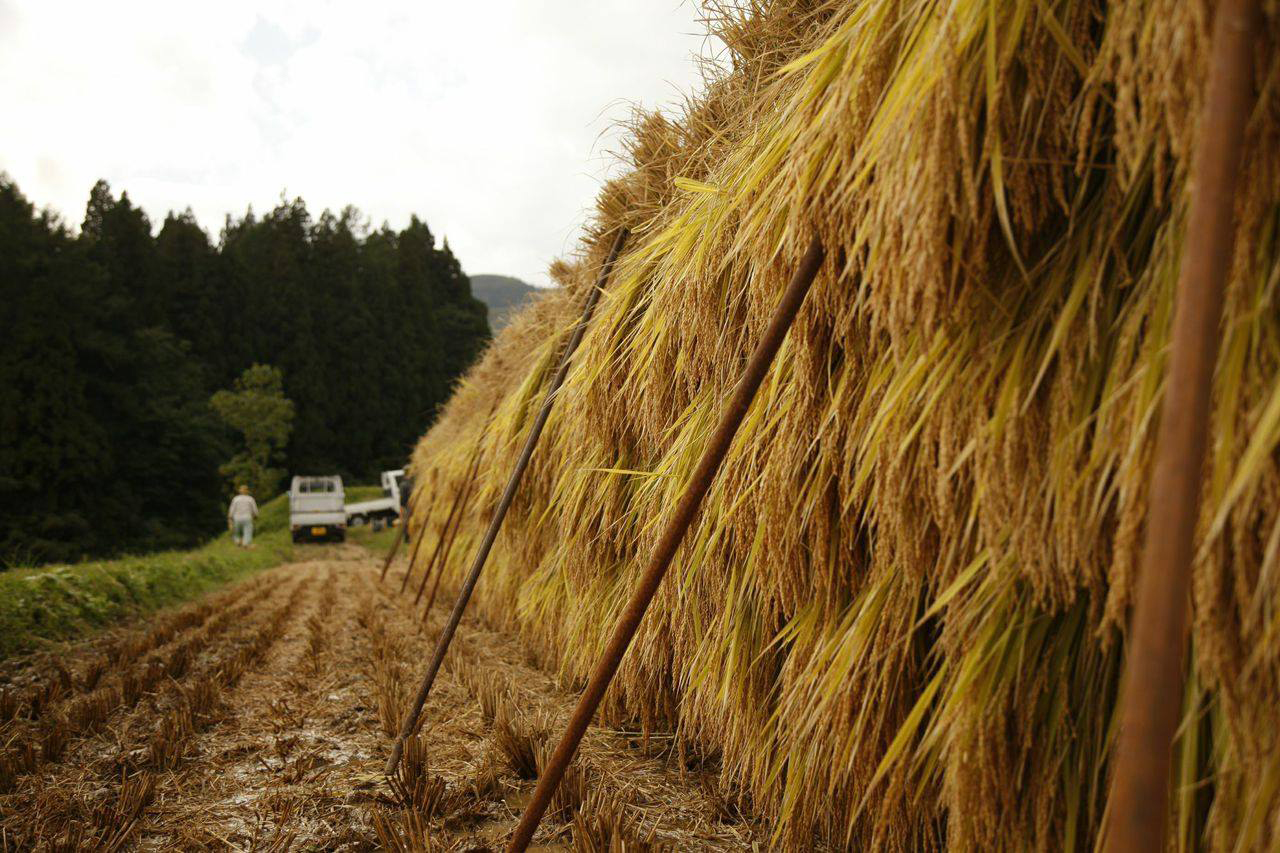
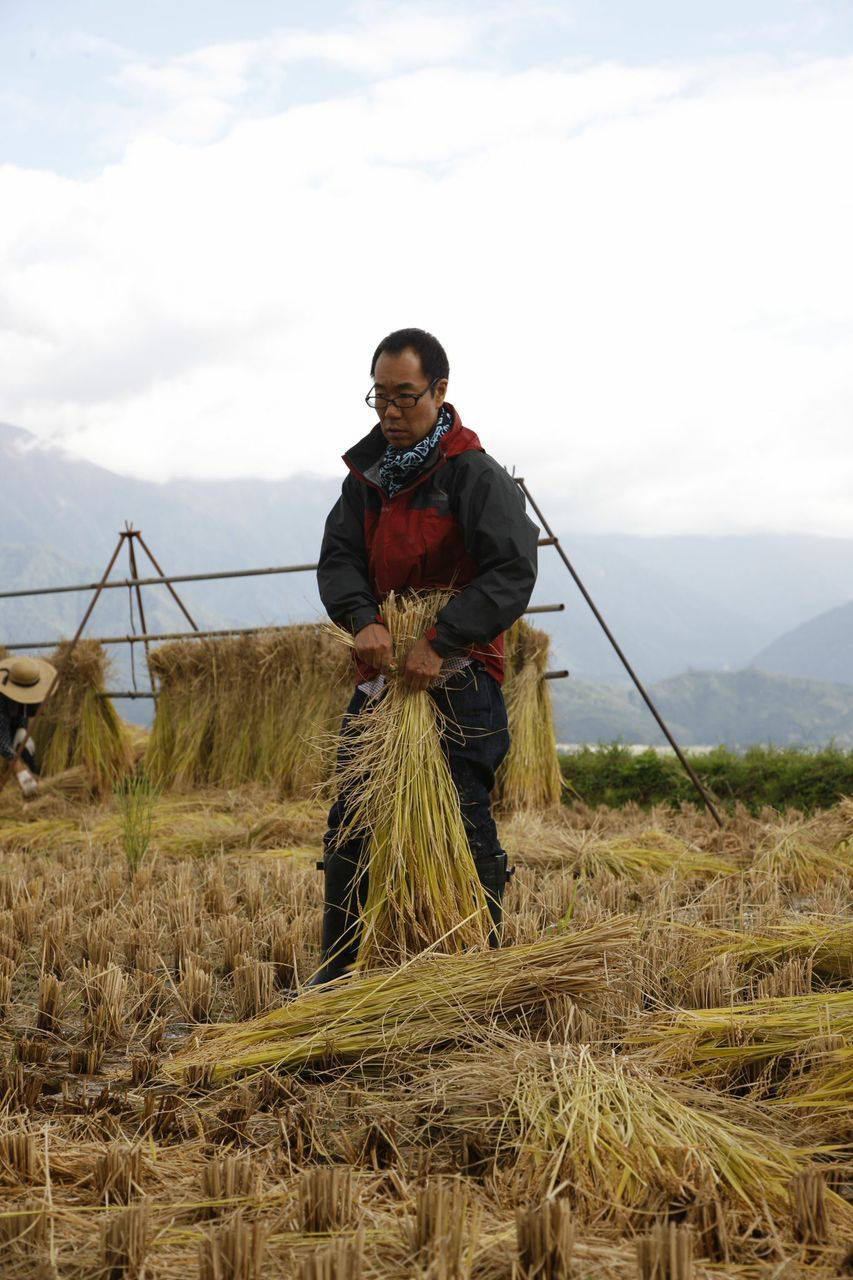
To bring out even more of that flavour, those of us at Satoyama Jujo and our publisher, Jiyujin, harvest the rice and dry it in the sun ourselves. It’s already ten years since we began. There were years after the earthquake when we didn’t sun-dry the rice, but each year the whole team turns out to bring out the best in the rice – its sweetness and its aroma.
We take just as much care over storage. After the harvest, we keep the rice in a storehouse cooled by snow, where we have a storage contract. At 100% humidity and a temperature of 3°C, the grains don’t dry out. Right through to the following summer, the rice tastes as good as a newly harvested crop. We cook this rice in a separate earthenware pot for each party. That’s Satoyama Jujo’s main course: ‘Japan’s finest Koshihikari’. First comes a mouthful of niebana – the rice just as it finishes cooking. Then, once it’s rested in its own steam, we serve a bowlful. Even when you’re full, there’s somehow room for this rice. That’s its magic.
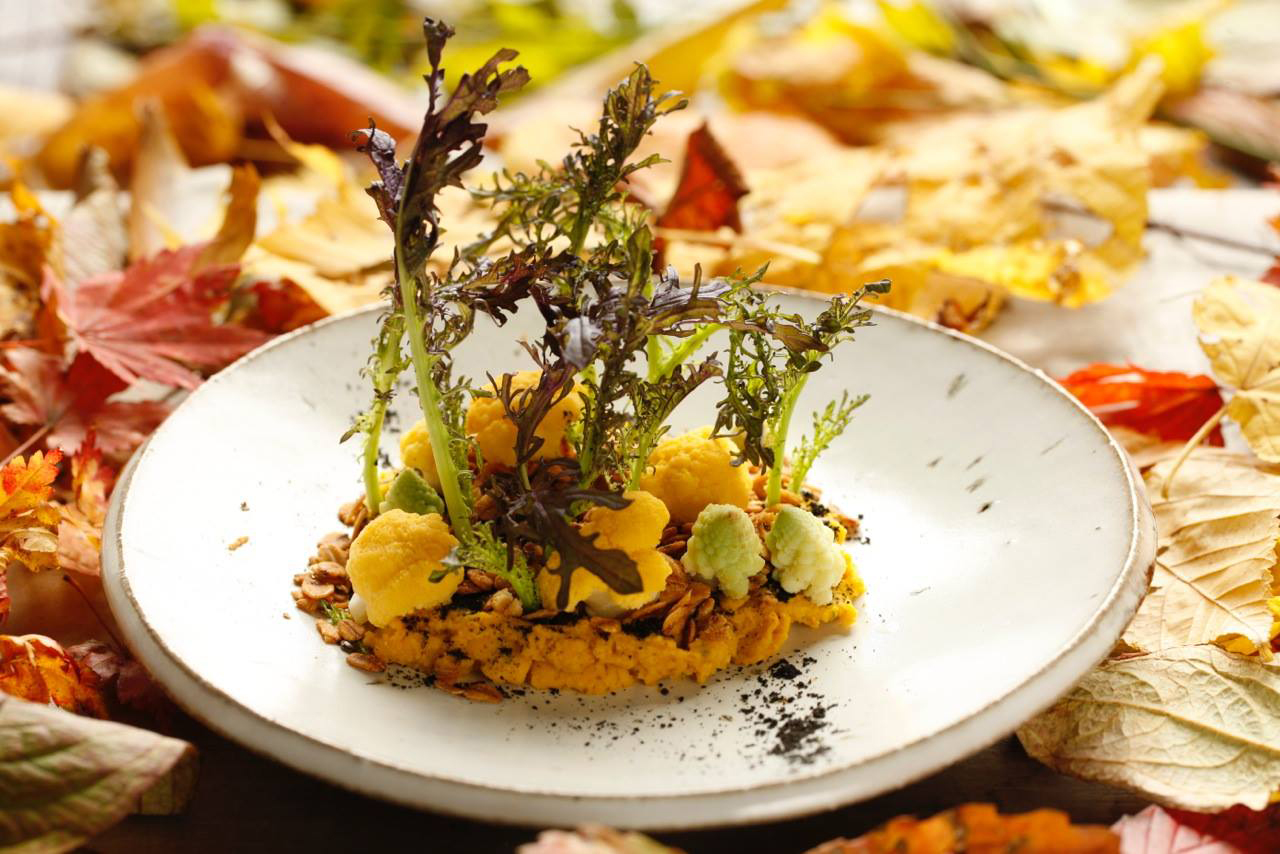
Late autumn, dish one: A bountiful harvest – thanks for the five grains and the soil that grew them
https://satoyama-jujo.com/journal/plans/496/
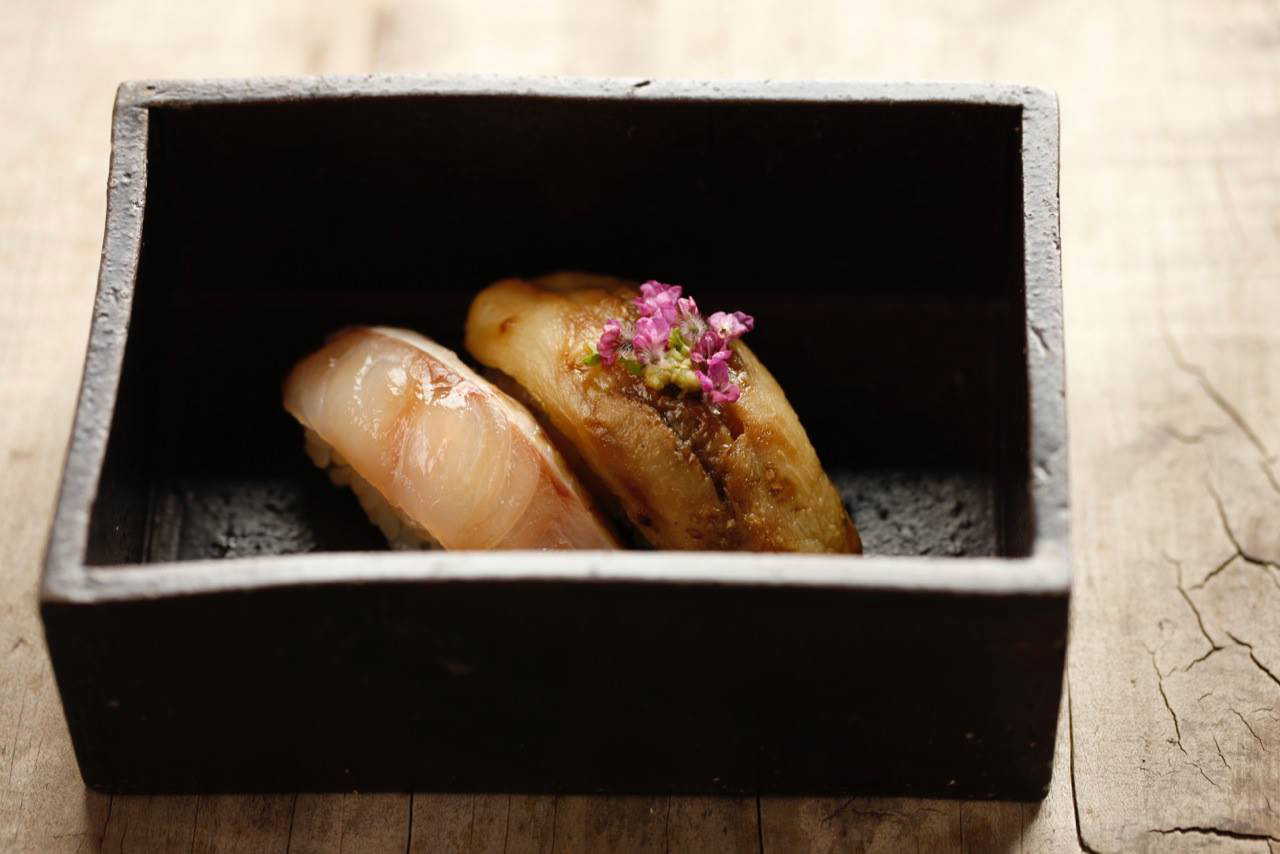
Late autumn, dish two: Where sea and mountains meet – bite-sized, hand-pressed sushi
https://satoyama-jujo.com/journal/plans/501/
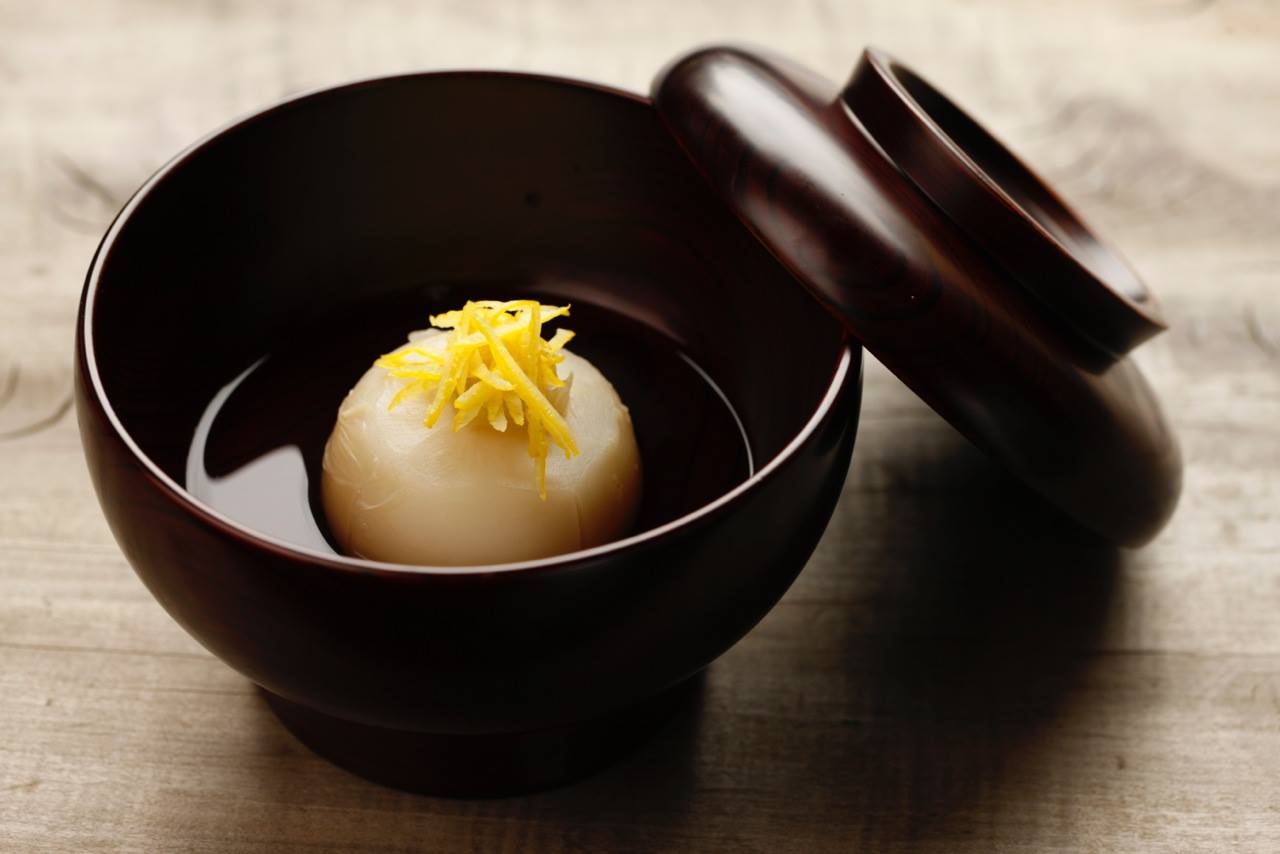
Late autumn, dish three: A bowl from the foothills – the magic of dashi stock, gently simmered into turnip
https://satoyama-jujo.com/journal/plans/505/
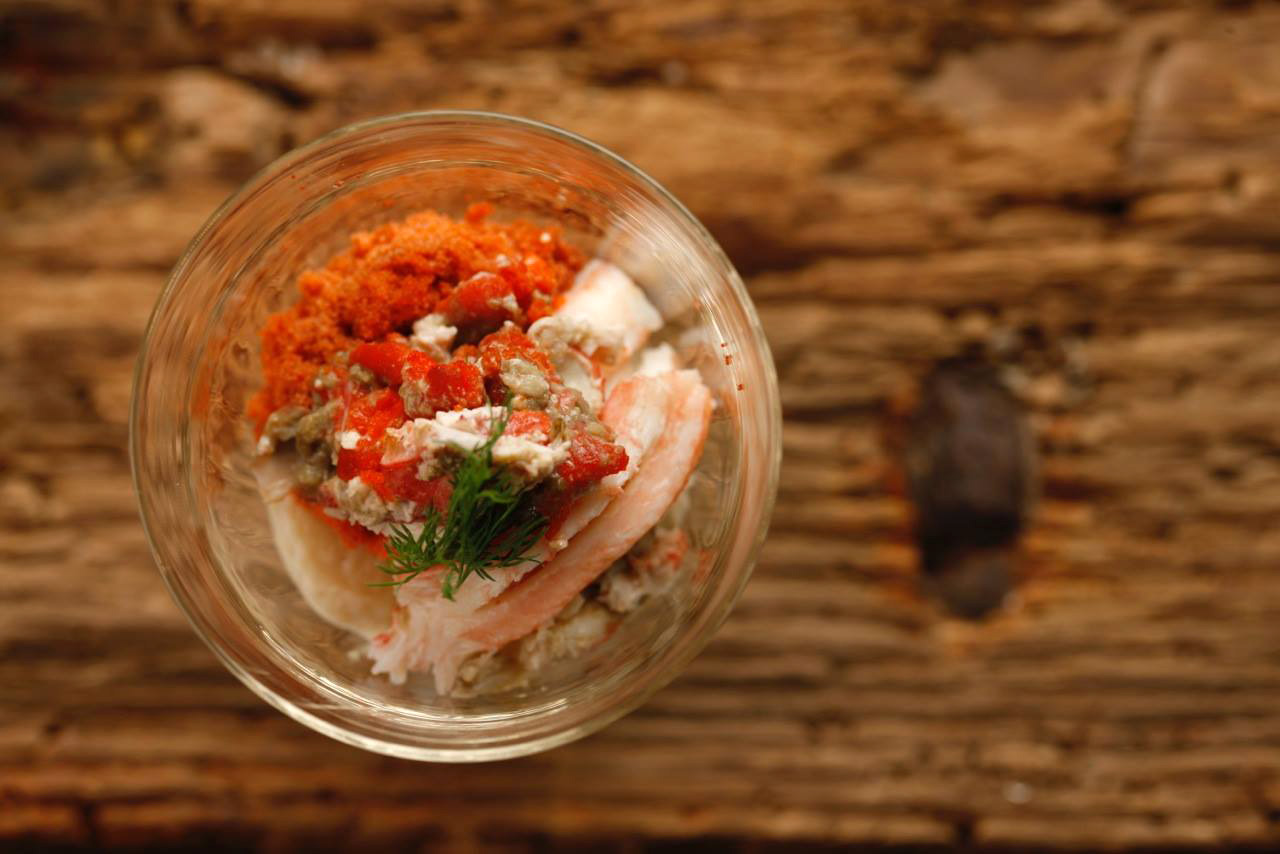
Late autumn, dish four: A flavour we’re rather proud of – kobako crab, the female snow crab of Sado
https://satoyama-jujo.com/journal/plans/512/
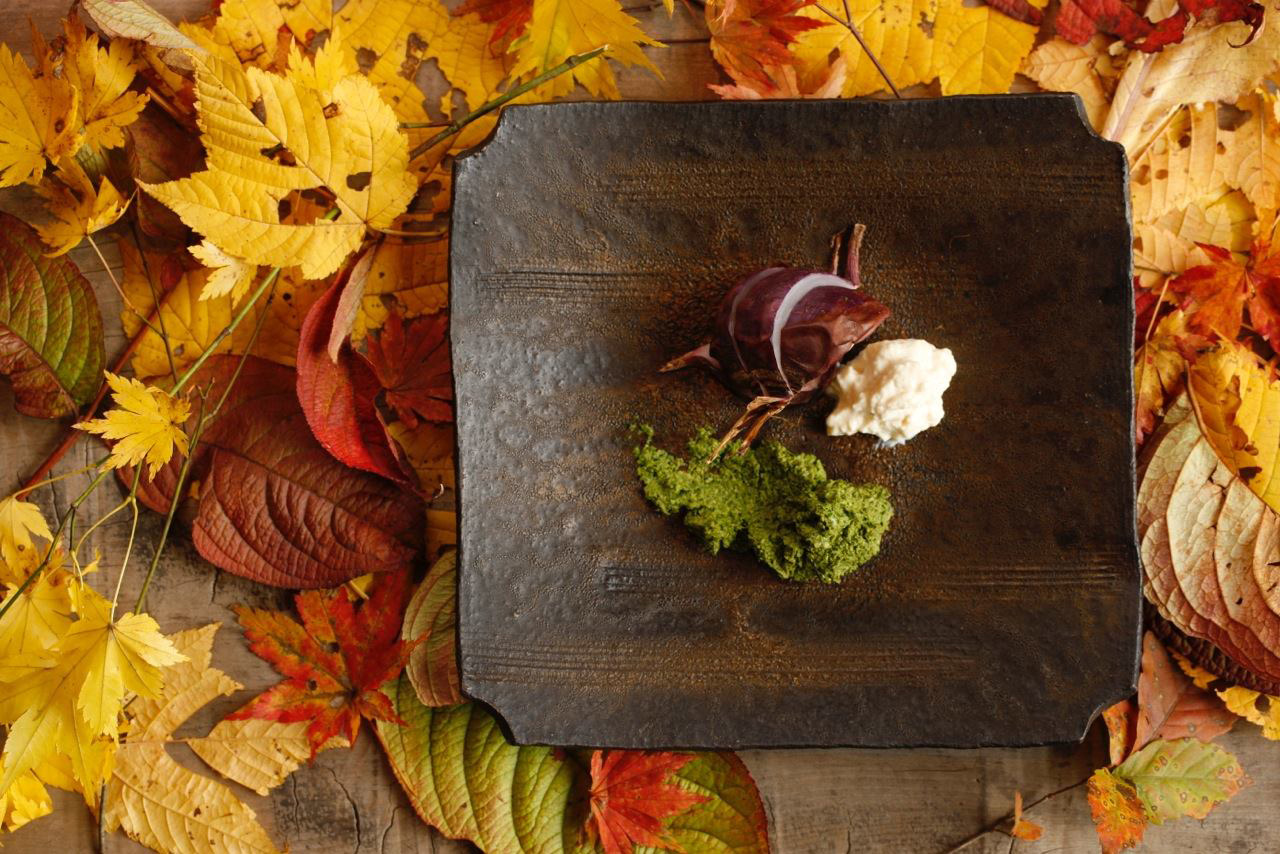
Late autumn, dish five: Plain to look at, rich in flavour – a red turnip grown on land cleared by burning, then grilled whole
https://satoyama-jujo.com/journal/plans/515/
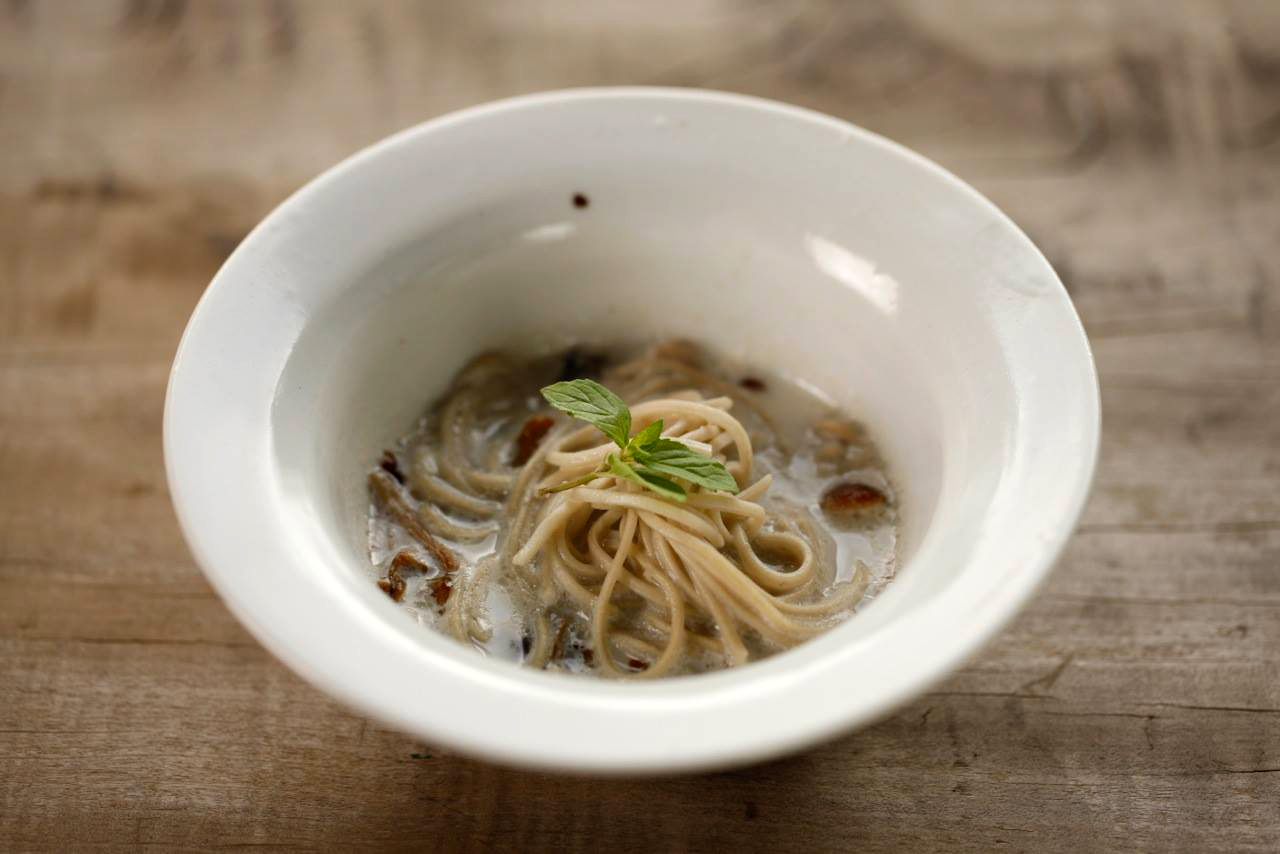
Late autumn, dish six: The king of fragrance – hegi soba, local buckwheat noodles served pasta-style in broth with kotake mushrooms
https://satoyama-jujo.com/journal/plans/525/
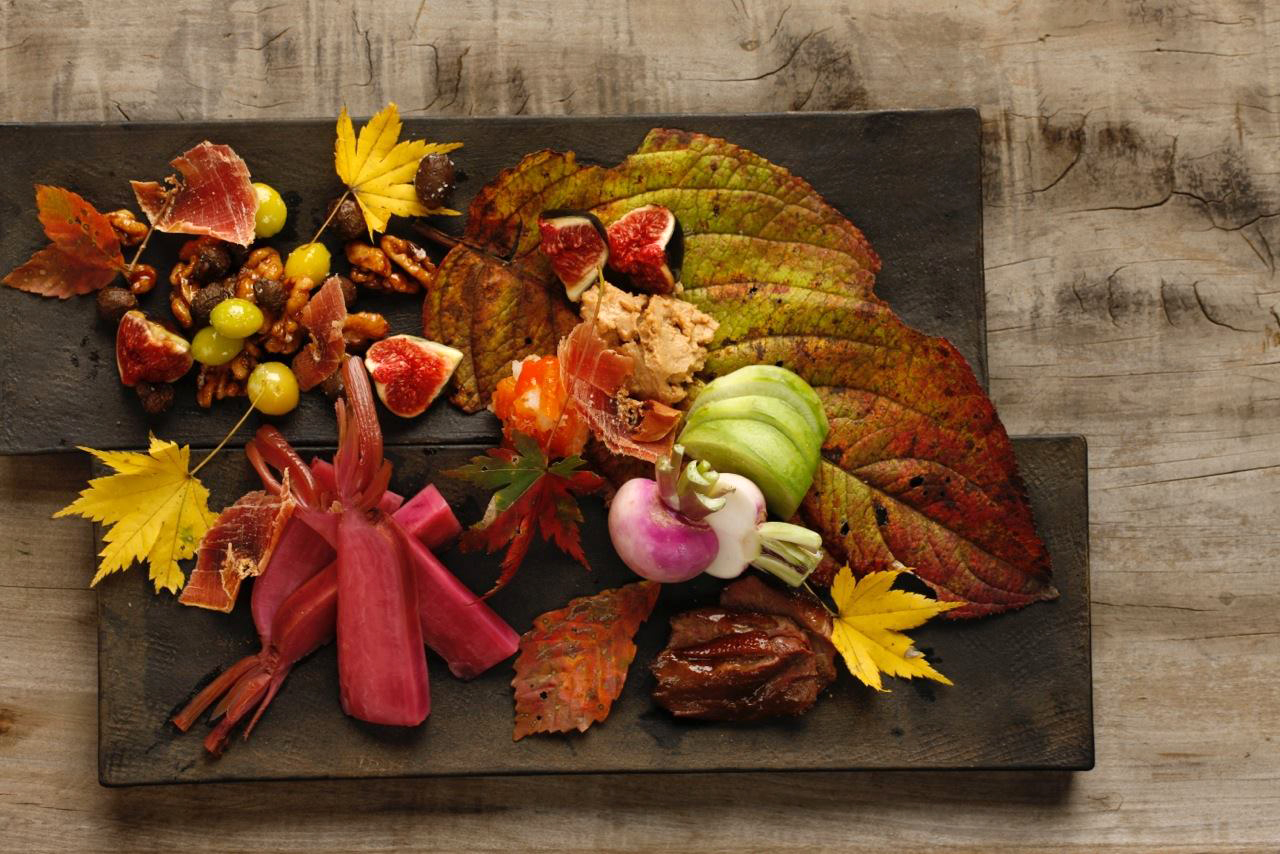
Late autumn, dish seven: A little more? Small tastes of the season’s delicacies
https://satoyama-jujo.com/journal/plans/533/
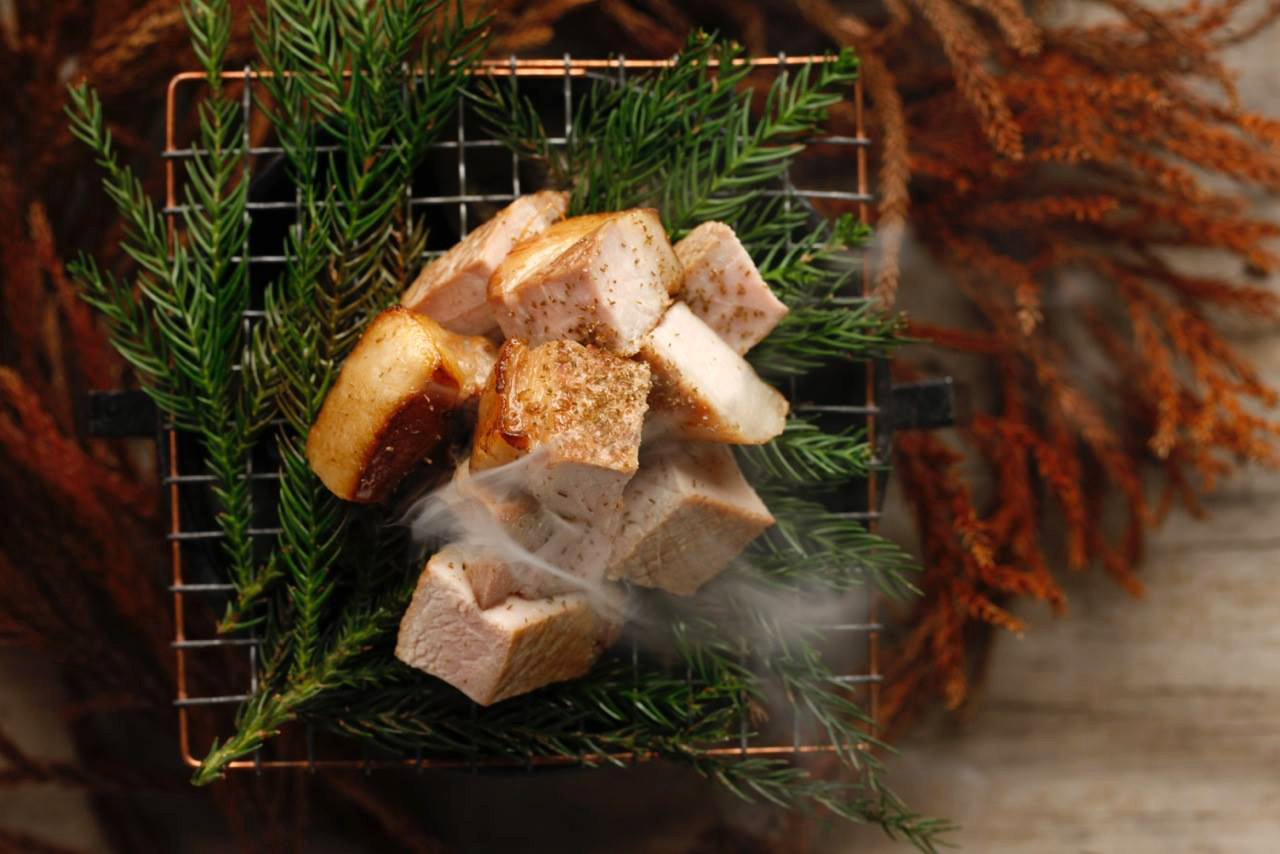
Late autumn, dish eight: Let’s protect the forest – Mochibuta pork smoked with Japanese cedar
https://satoyama-jujo.com/journal/plans/533/
Satoyama Jujo reservations: www.satoyama-jujo.com
Booking through our official website offers the best value.
*The information given here was current at the time of publication.