


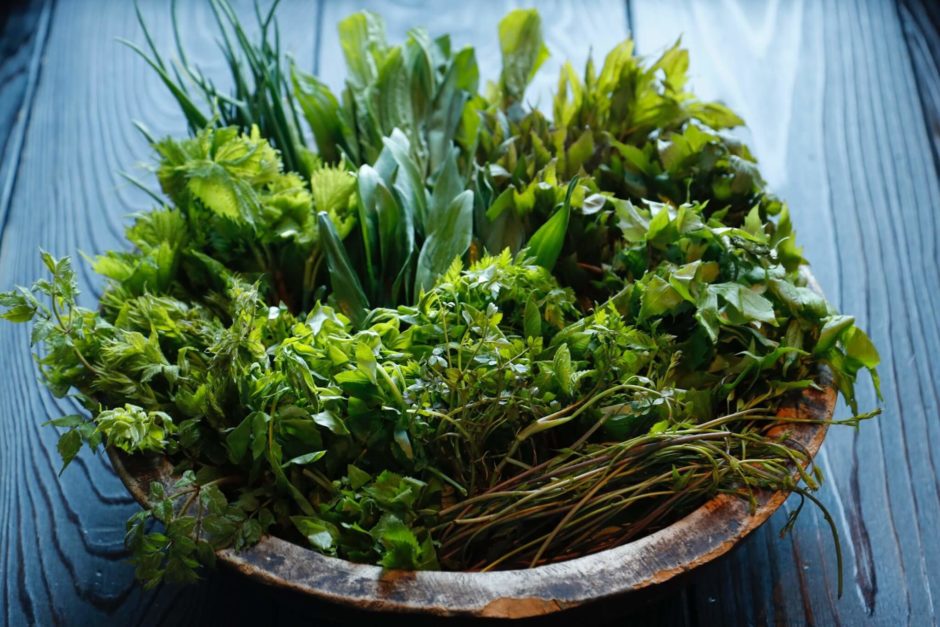
‘The mountain greens here at Satoyama Jujo taste completely different from the ones we eat in restaurants in Tokyo or Kyoto.’ We hear this from many of our guests. When we ask what tastes different, they say things like ‘They’re less bitter’, ‘I think they’re sweeter’ or ‘They smell fresh, like herbs.’
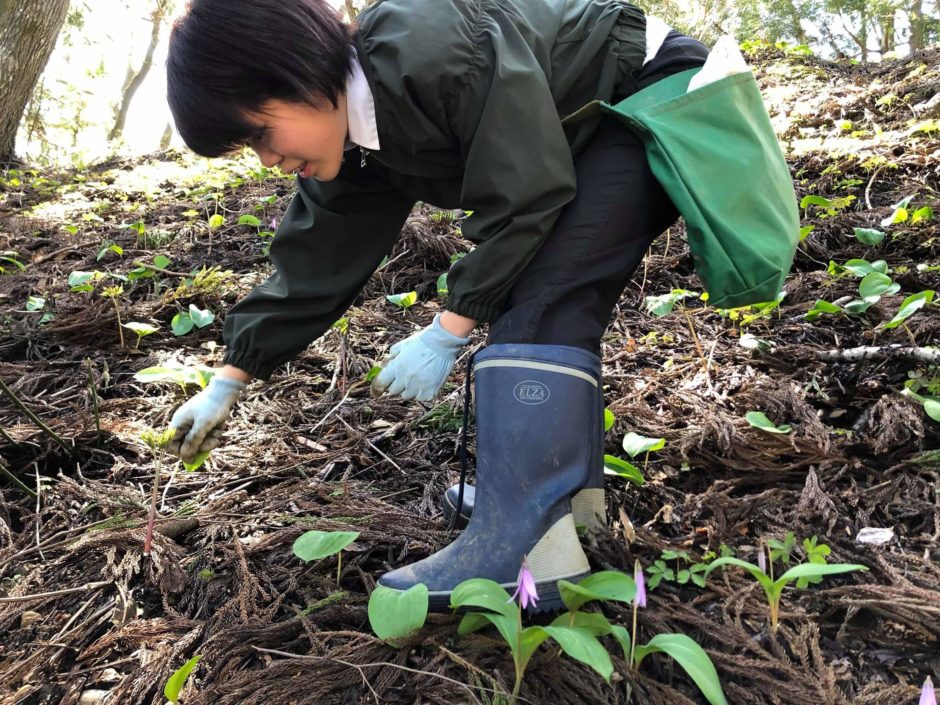
That’s a compliment we’re delighted to hear, because we gather our mountain greens ourselves, in the wild. Sometimes we buy them, but only from foragers who own the mountain land where they pick them. So those are wild too, of course.
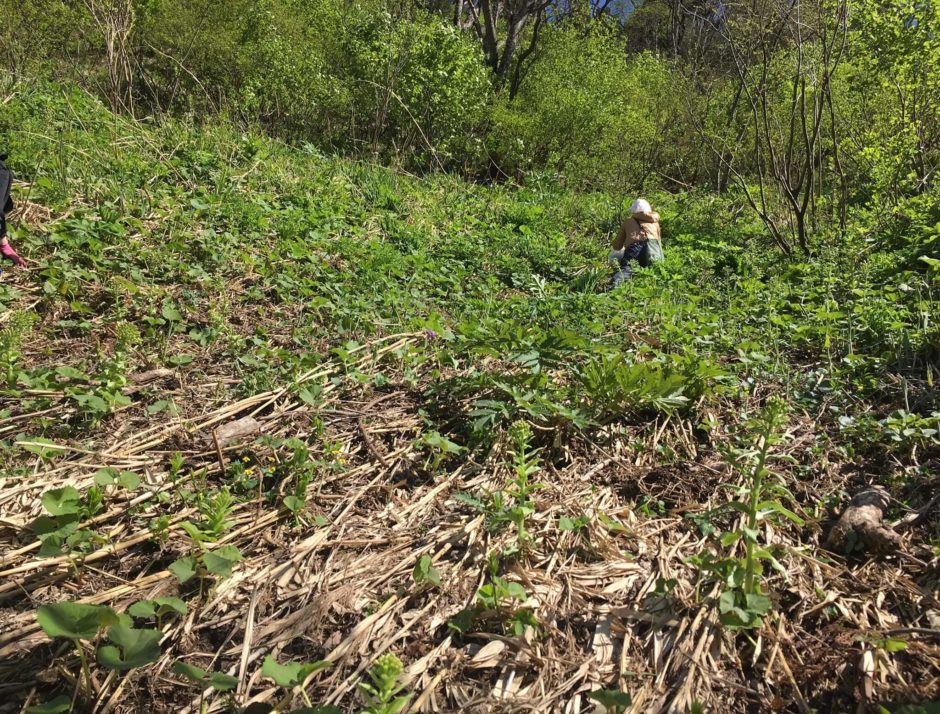
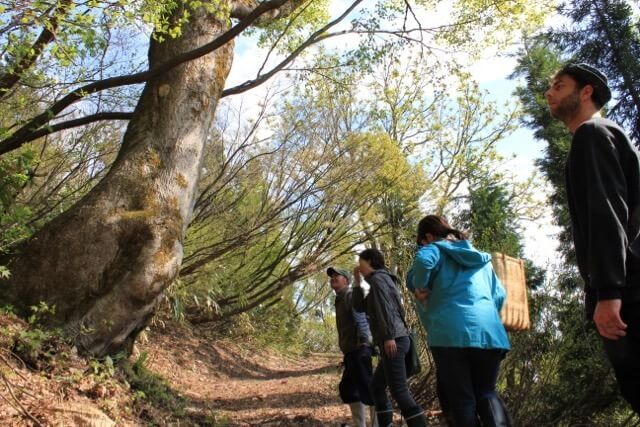
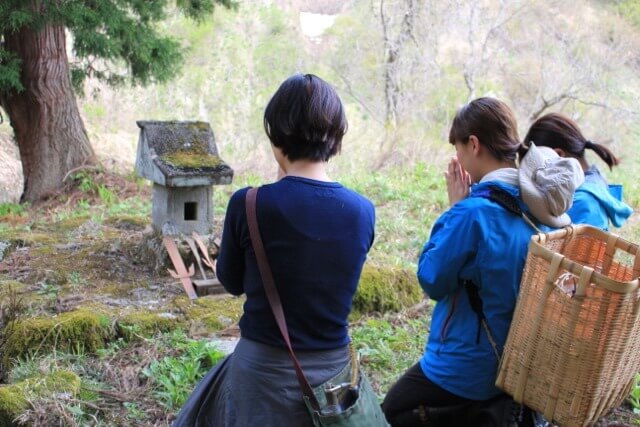
Many of you must be thinking, ‘But aren’t they called mountain greens because they grow wild in the mountains? Are there really mountain greens that aren’t wild?’
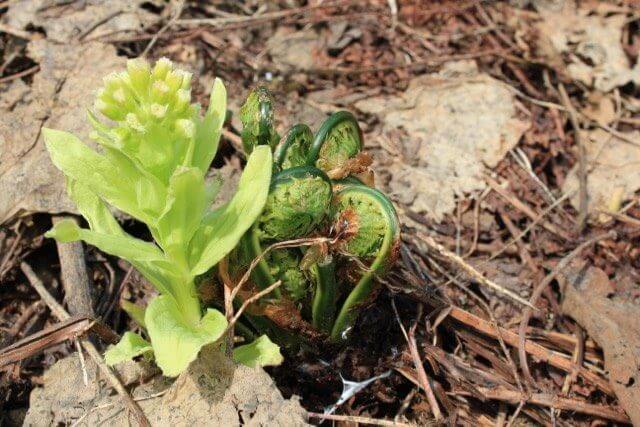
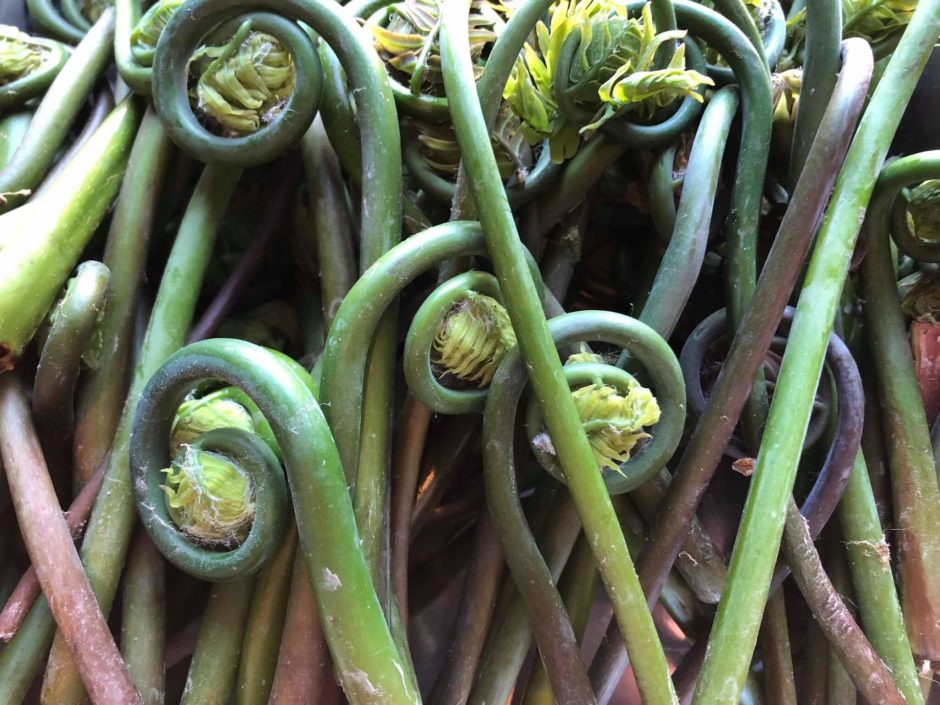
We’re sorry to spoil that picture, but it’s no exaggeration to say that almost all the mountain greens sold in cities such as Tokyo and Kyoto are cultivated. Mountain greens are grown in fields. Butterbur flower buds, udo (Japanese spikenard), Japanese angelica tree shoots, the curled tips of ostrich ferns, bracken shoots, alpine leeks… Some are even grown in water rather than soil, and many are grown with plenty of chemical fertiliser. No wonder they taste different from the wild ones. Mountain greens are now a valuable local resource. The days when anyone could head into the mountains and pick them are over. For chefs in Tokyo or Kyoto, it’s all but impossible to gather them on mountain land they don’t own. Even greens of the same kind don’t all taste alike. Where they’re picked makes a considerable difference to the flavour, but whether they’re wild or cultivated makes a greater difference still. There’s not much of the wild mountain greens season left. The greens are at their peak until the end of May. From the start of June, the range gradually narrows, though we’ll continue serving mountain greens dishes until the end of June. Even if you’ve always said, ‘I don’t like mountain greens – they’re too bitter’, do come and try the wild ones. You might never think of mountain greens in quite the same way again.
*The information in this article was current at the time of publication.