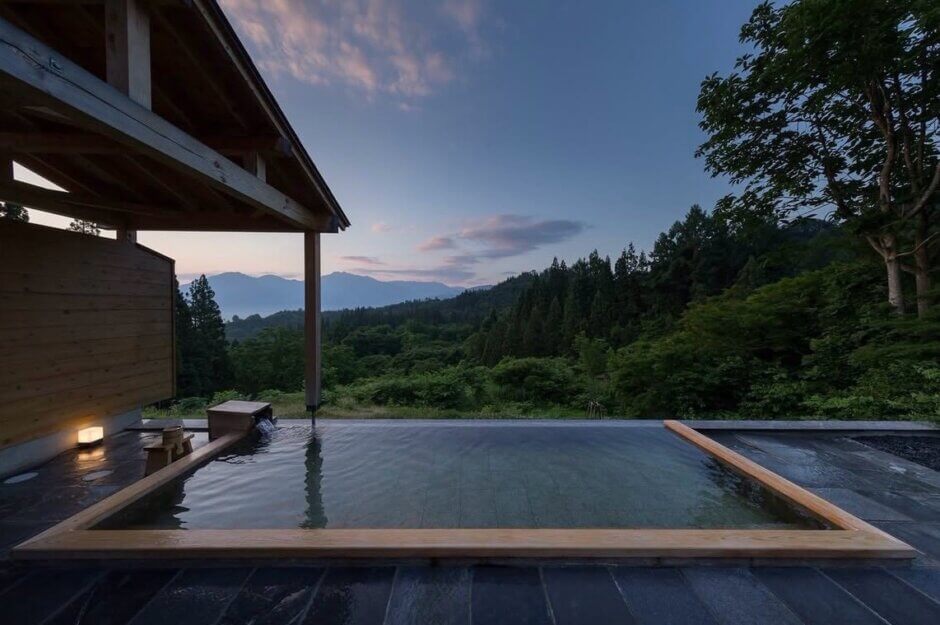
Satoyama Jujo home
Find a Room × CLOSE
Arrival date / /   nights rooms
Guests guests
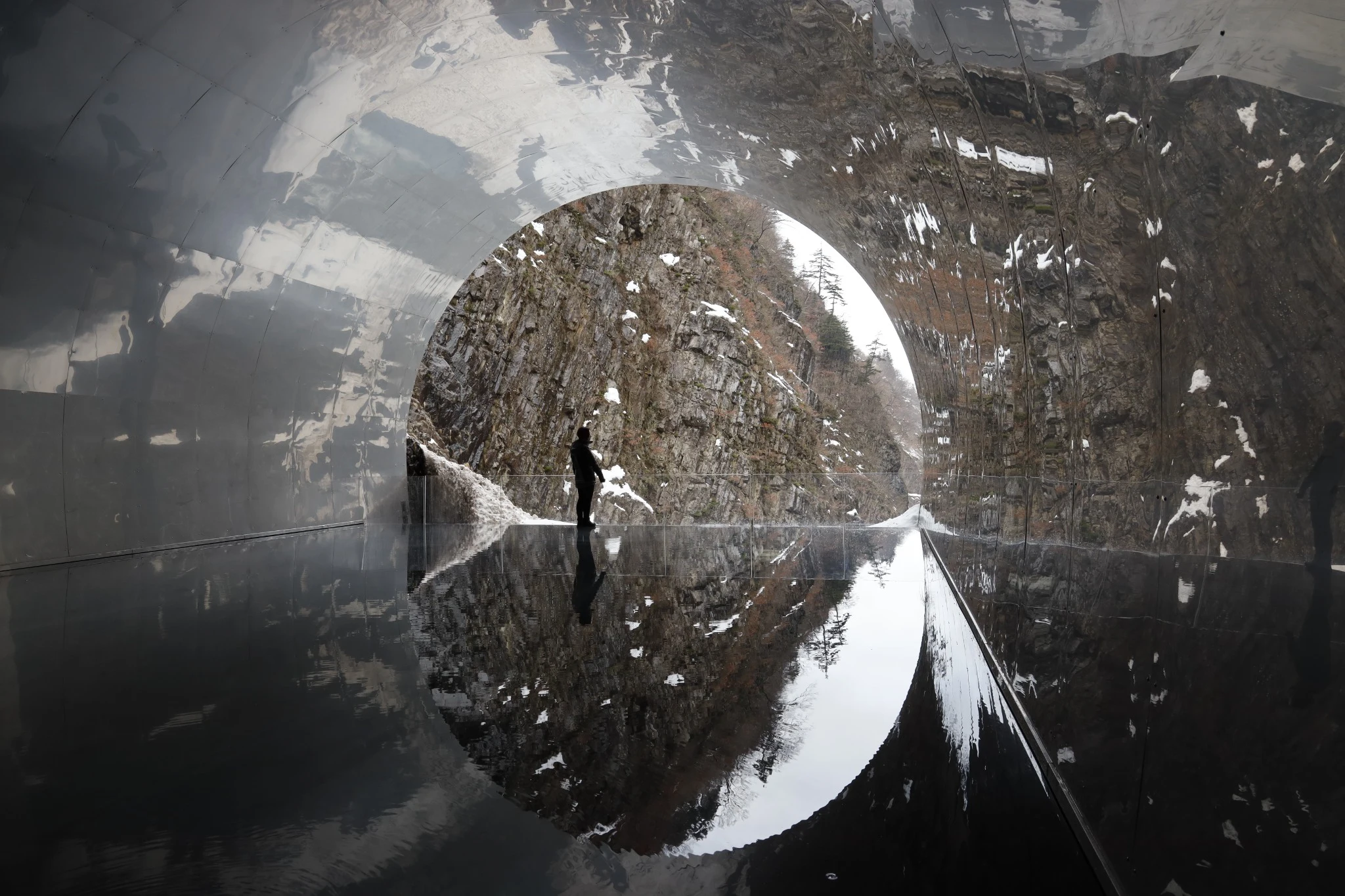
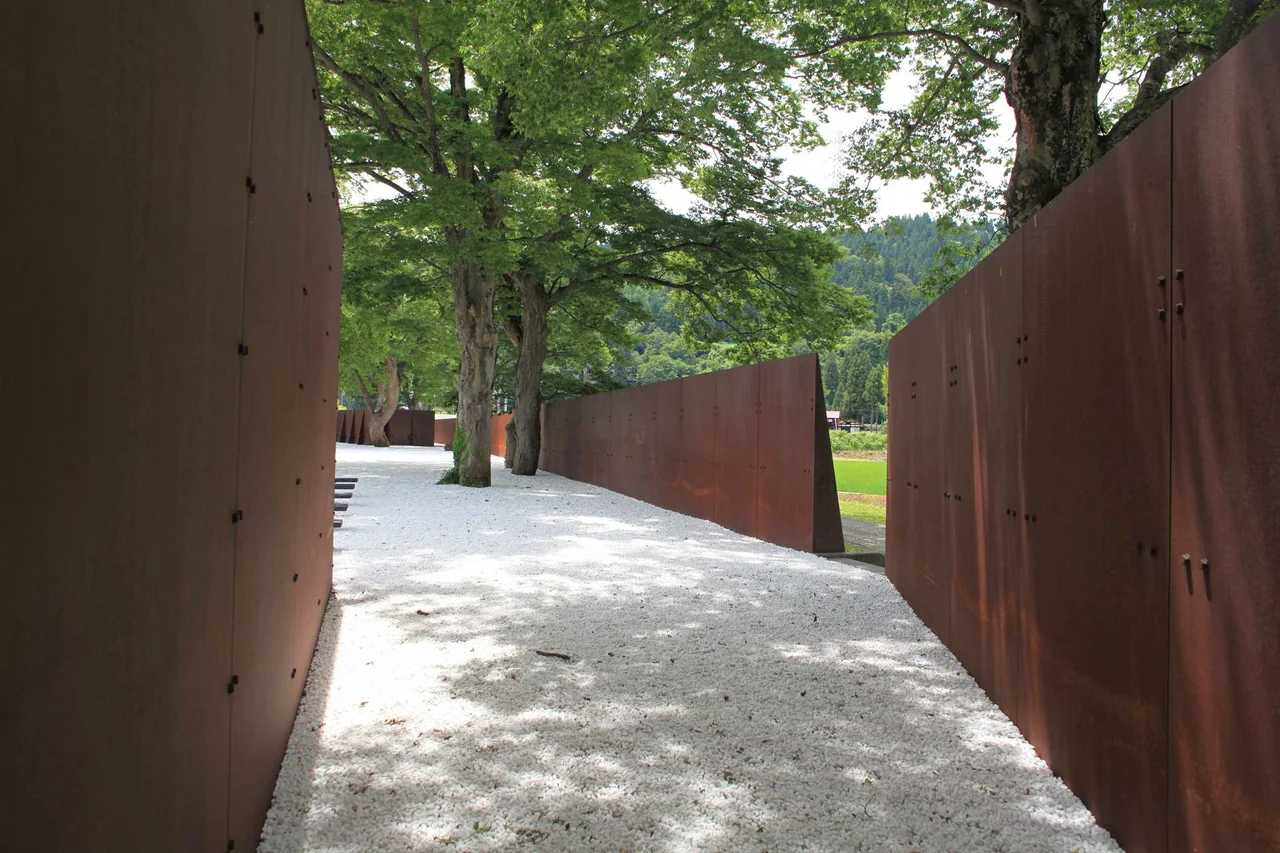
The reflected arch of Kiyotsu Gorge Tunnel

Explore the Area

Explore Uonuma

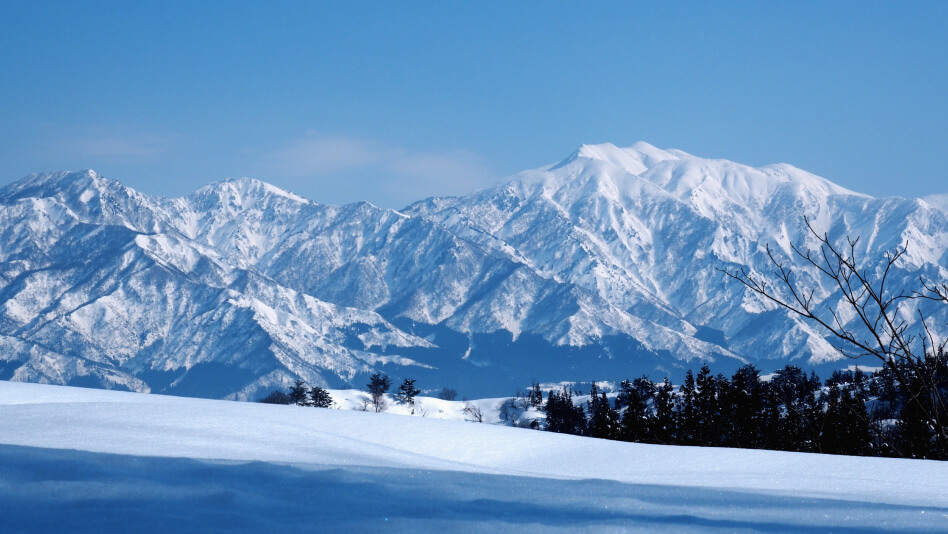
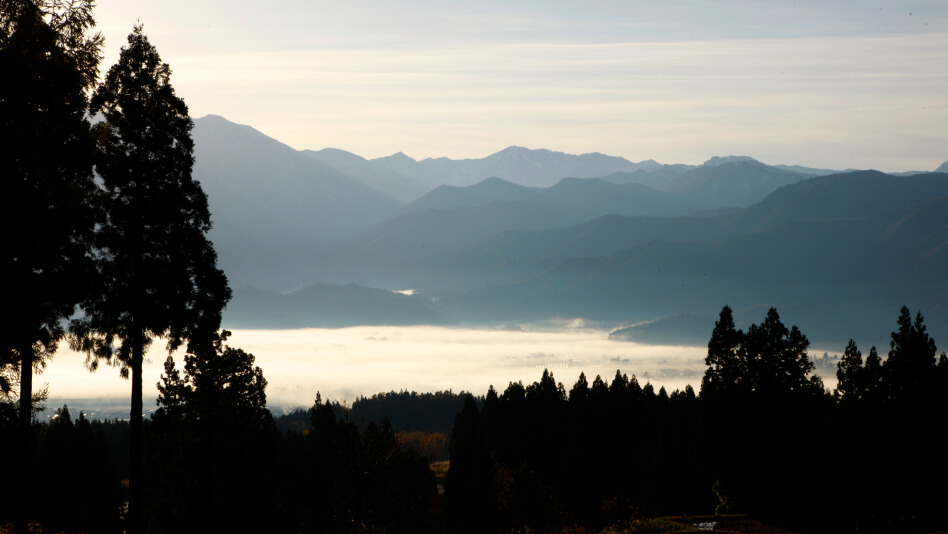
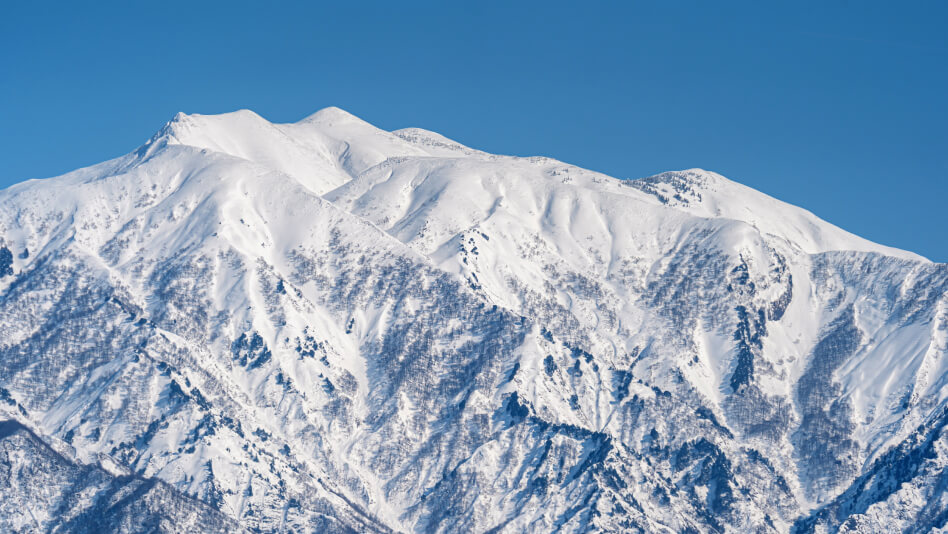
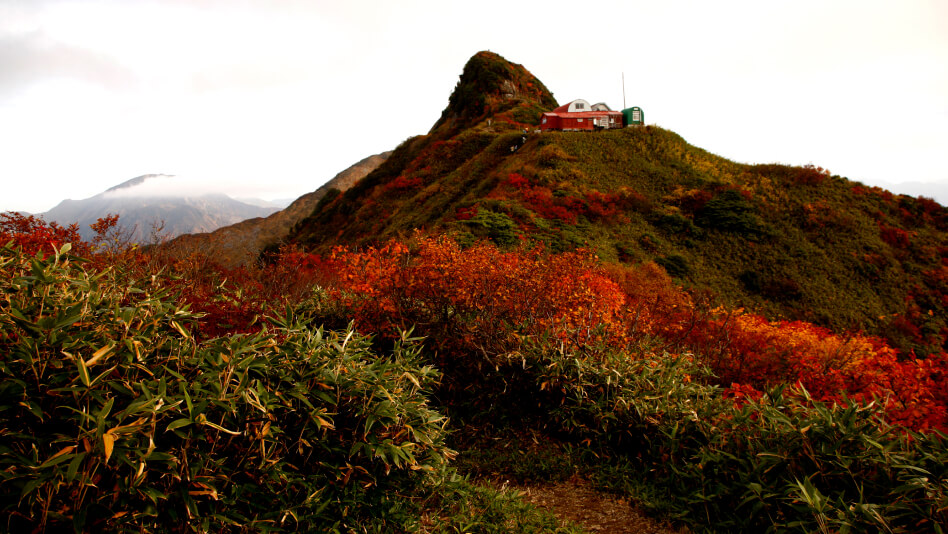
Five of Japan’s 100 Famous Mountains surround this remarkable landscape.

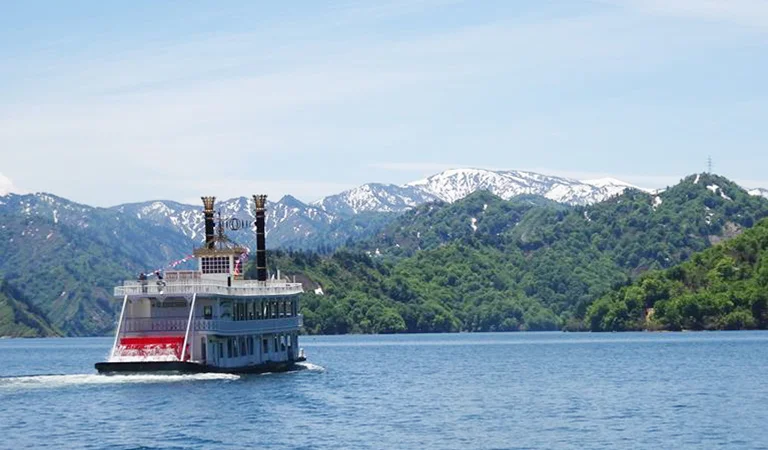
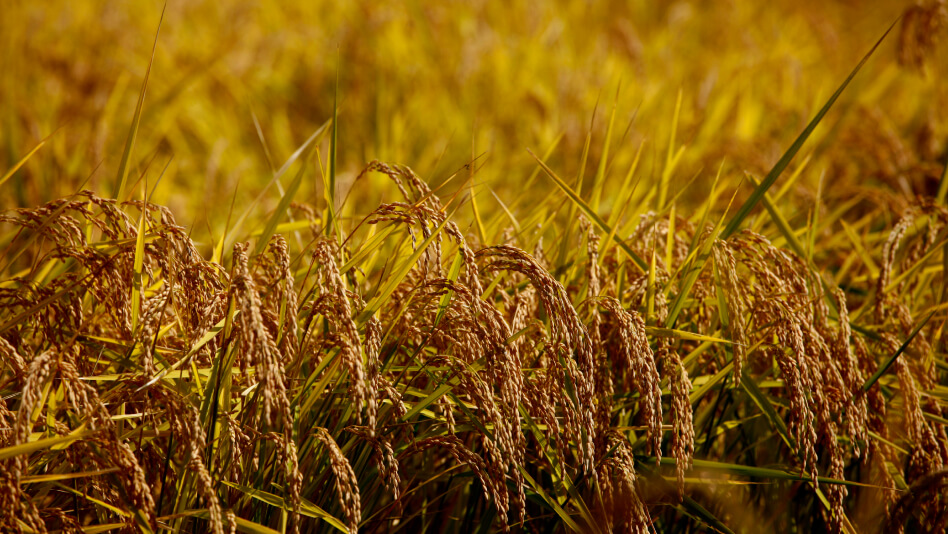
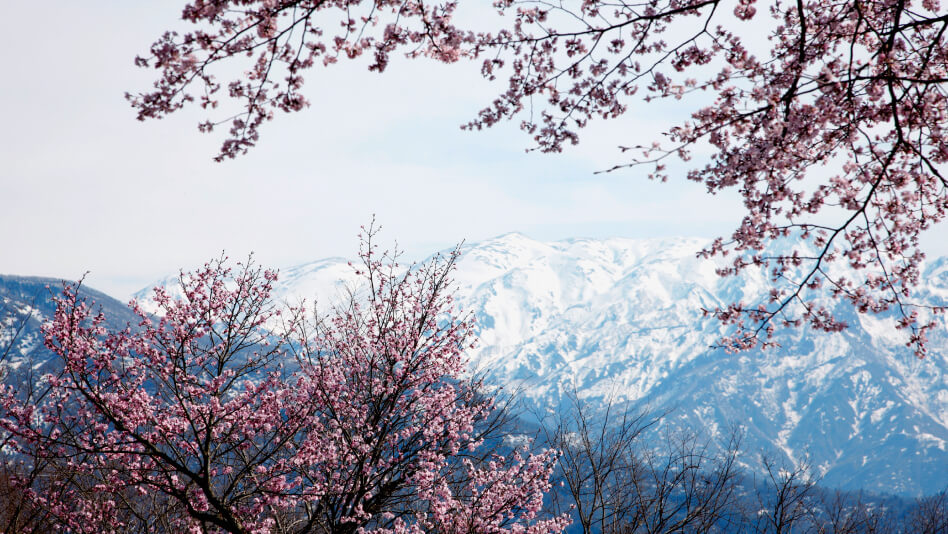
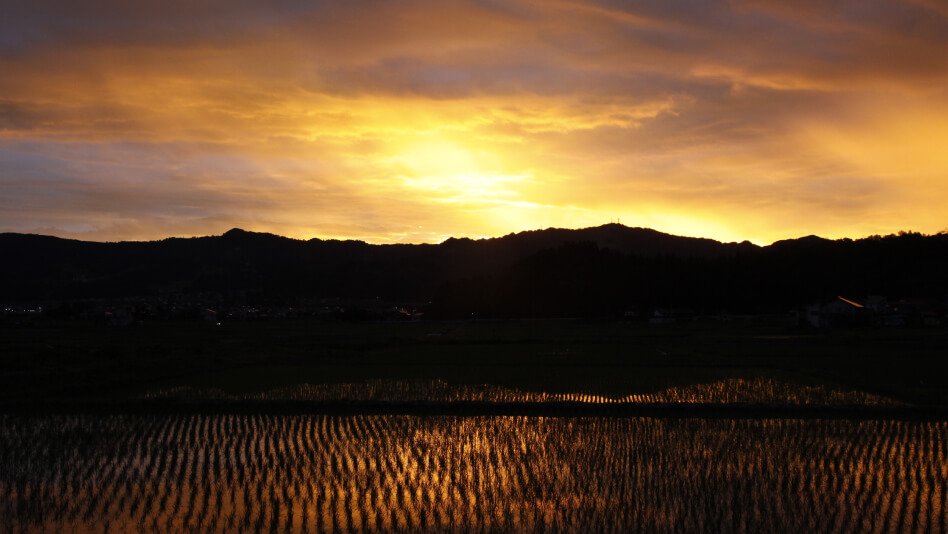
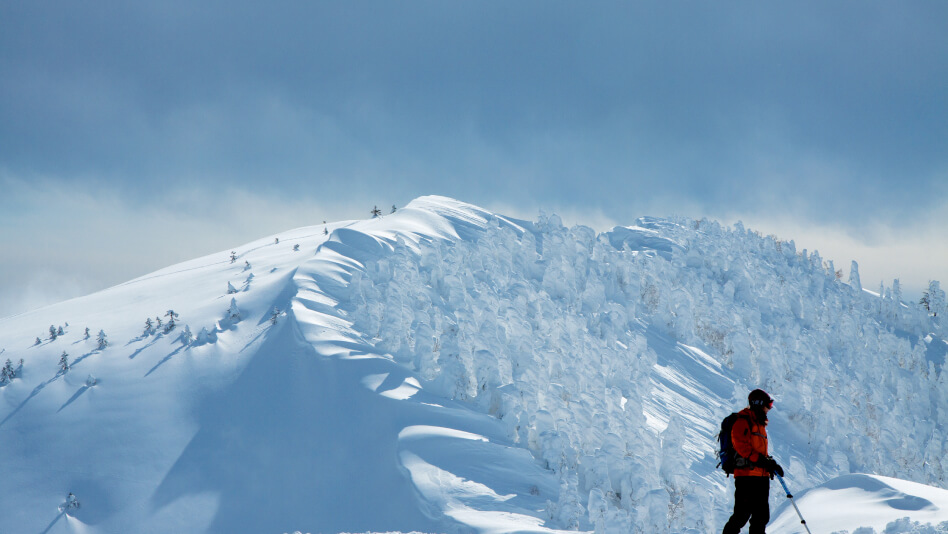
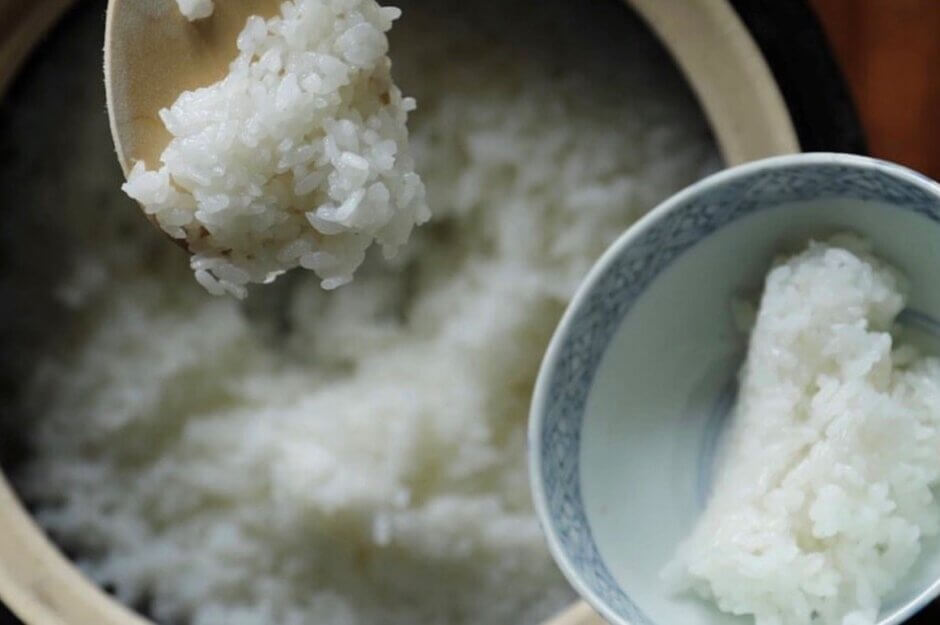
Uonuma may be best known for Koshihikari rice, but there is much more to discover. Five of Japan’s 100 Famous Mountains rise around the region: Tanigawa, Naeba, Echigo-Komagatake, Hiragatake and Makihata. In winter, snow covers the region to a depth of three metres or more. Uonuma has many ski resorts, and its snowy winters have shaped a distinctive food culture, from fermented foods to dishes prepared for long storage. Many local restaurants serve these regional specialities. Uonuma also hosts the Echigo-Tsumari Art Triennale and the Fuji Rock Festival.

Where will you go?

Discover art, walk in the woods or enjoy a hot-spring bath. Choose from 53 destinations to suit the season and the way you would like to spend your day.

Permanent Works of the Echigo-Tsumari Art Triennale

The Echigo-Tsumari Art Triennale takes place every three years, but many permanent works remain open between festivals. Opening dates and closing days vary by artwork and museum, so please check before visiting.

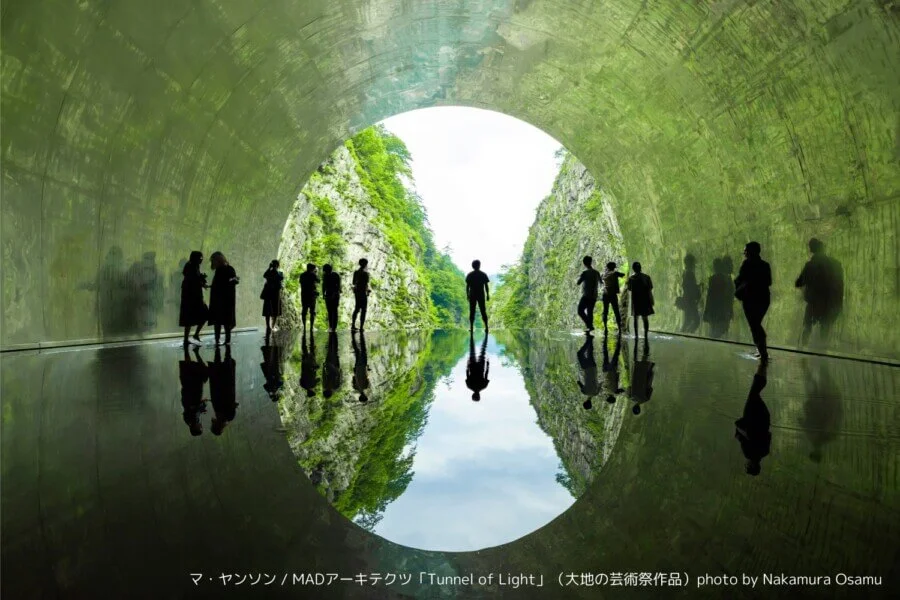
Kiyotsu Gorge Tunnel: Tunnel of Light

Kiyotsu Gorge Tunnel: Tunnel of Light

Ma Yansong / MAD Architects

In Tunnel of Light, the fresh greens of spring and the colours of autumn are reflected in the water. Walk about 750 metres each way through the tunnel, with views of the gorge’s distinctive columnar rock walls. Allow 40 minutes to an hour for the round trip. Please book ahead during busy periods.

Photo courtesy of Tokamachi City Tourist Association

Official Information
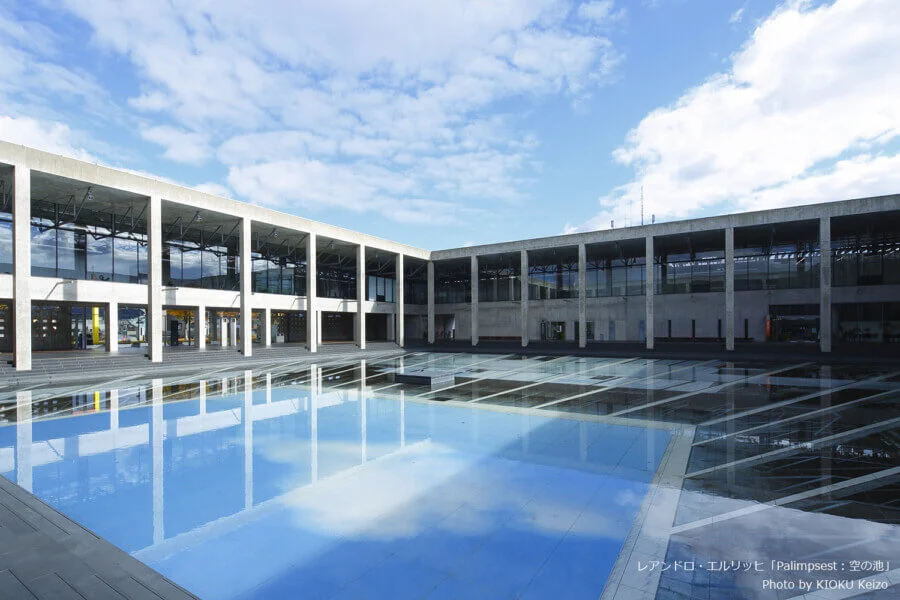
Echigo-Tsumari Satoyama Museum of Contemporary Art, MonET

Echigo-Tsumari Satoyama Museum of Contemporary Art, MonET

Leandro Erlich, creator of the work pictured

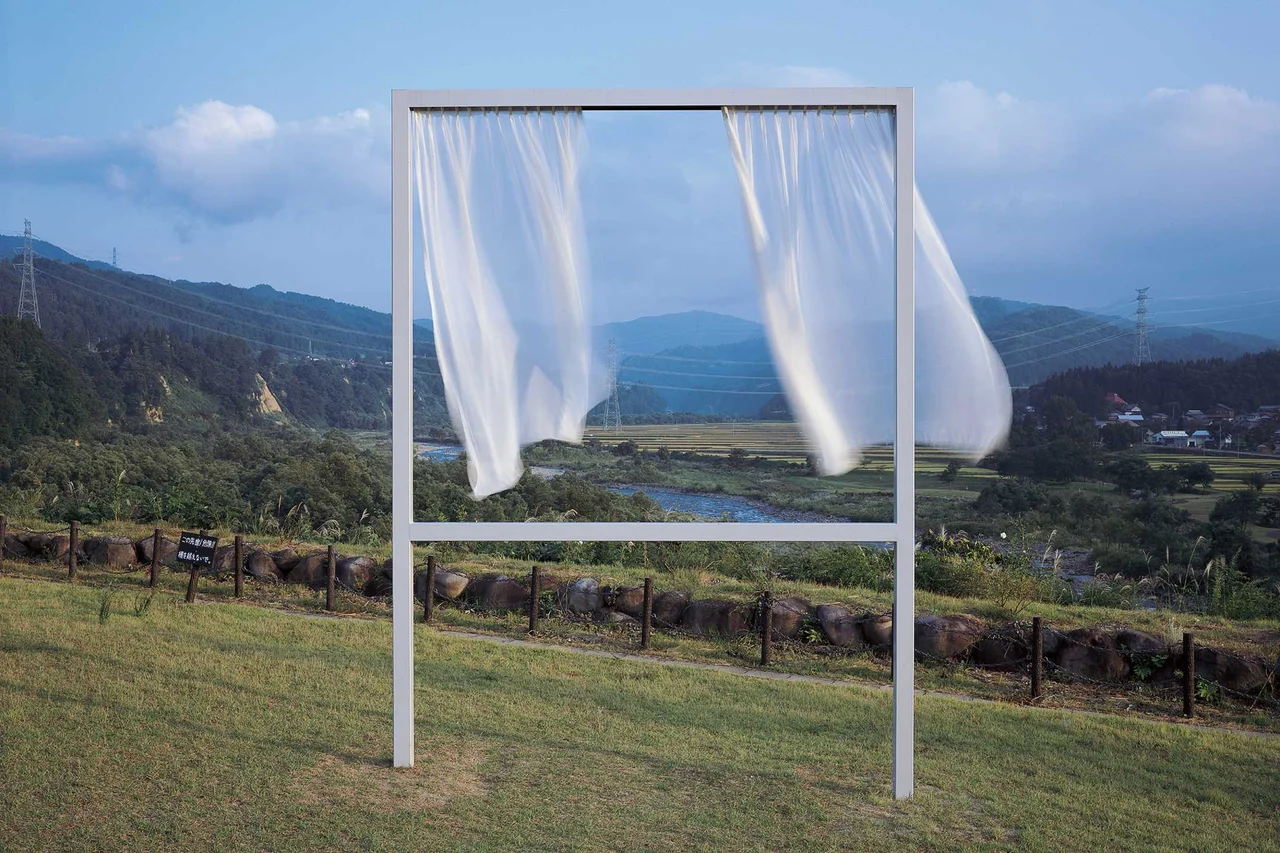
This museum brings together works you experience with your senses, including Leandro Erlich’s Palimpsest: Pond of Sky, where water and architecture appear to overlap. A good starting point for exploring art in central Tokamachi. Check the official information for exhibitions and opening days.

Photo courtesy of Tokamachi City Tourist Association

Official Information
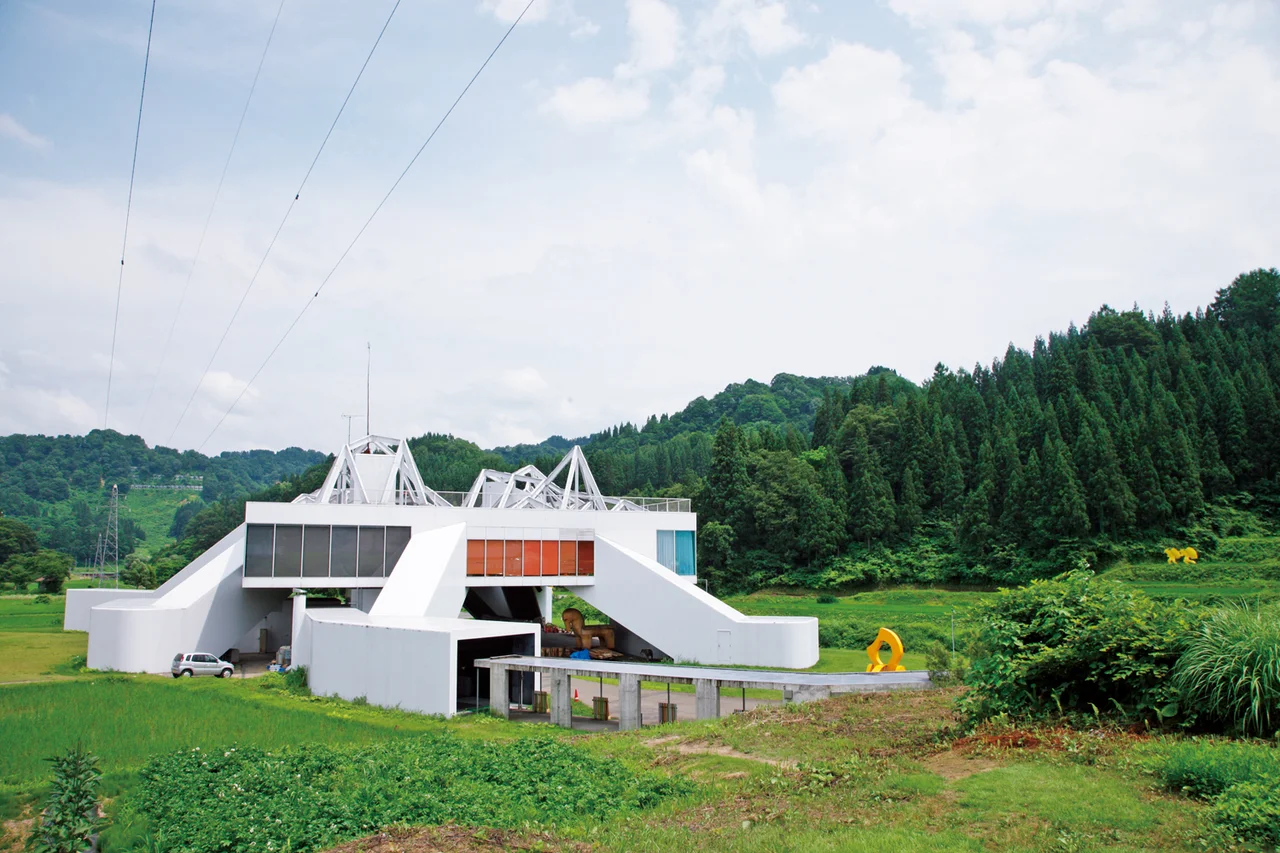
Matsudai Nohbutai

Matsudai Nohbutai

Architecture by MVRDV / Yayoi Kusama and others

Works such as Yayoi Kusama’s Tsumari in Bloom and the Kabakovs’ The Rice Field bring you into contact with the satoyama landscape. Explore both inside and outside the building. Access to outdoor works varies with the season.

Official Information
Hachi & Seizo Tashima Museum of Picture Book Art

Hachi & Seizo Tashima Museum of Picture Book Art

Seizo Tashima

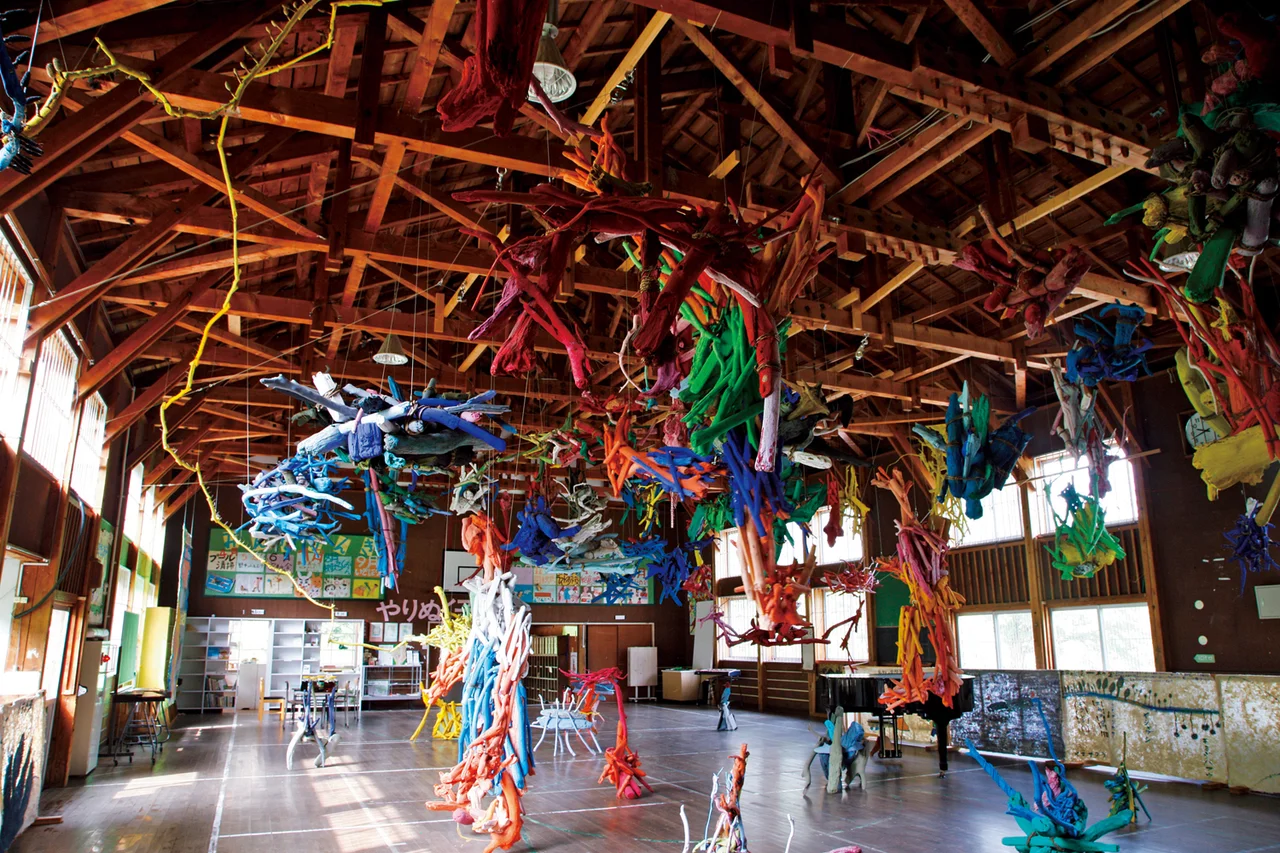
Sculptures made from driftwood, seeds and nuts fill classrooms and corridors, turning the whole school into a picture book. Follow its characters through the building—an enjoyable visit for parents and children too. Closed in winter.

Official Information

Spring to Autumn

Flowers and rice terraces, woods and gorges, and mountain panoramas. Choose a gentle walk or a mountain climb to suit the season and your fitness.
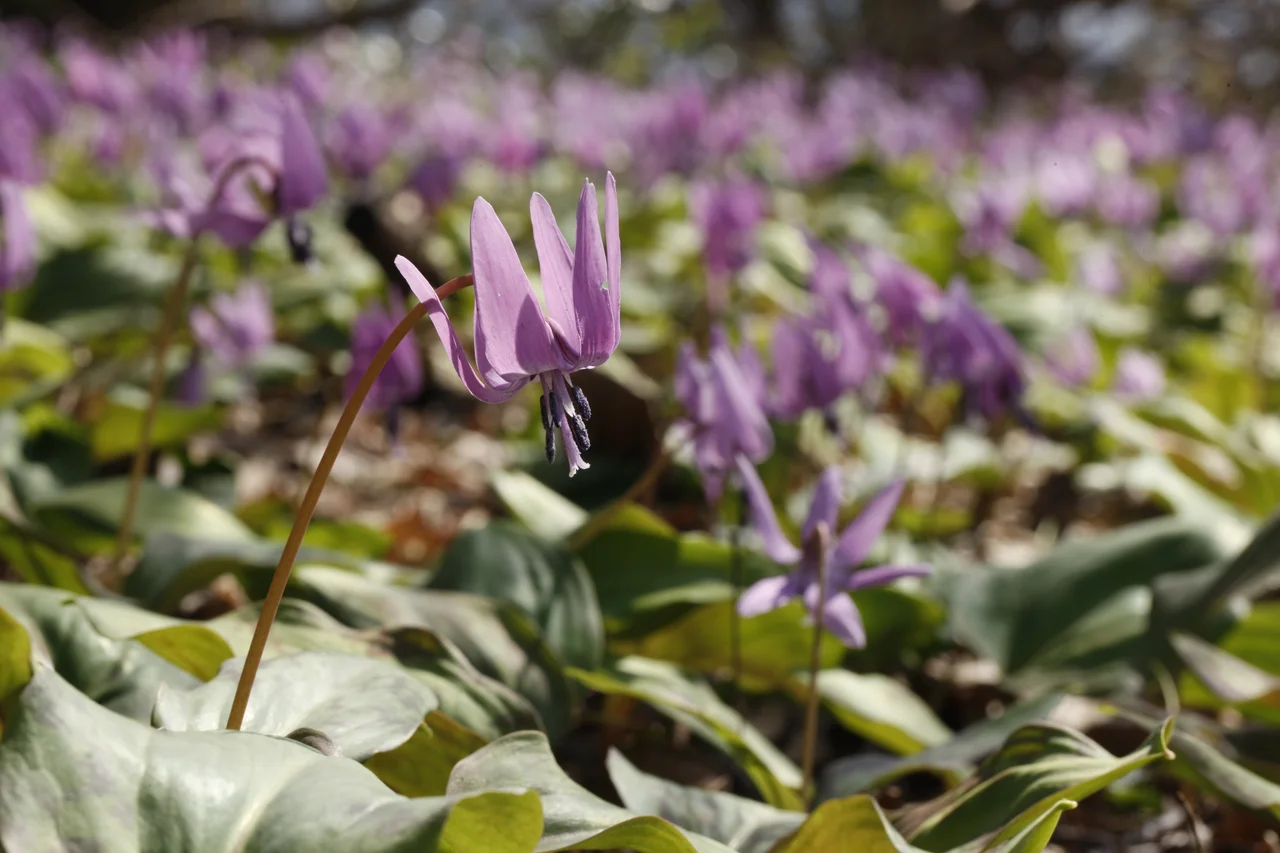
Mount Rokumanki

Mount Rokumanki

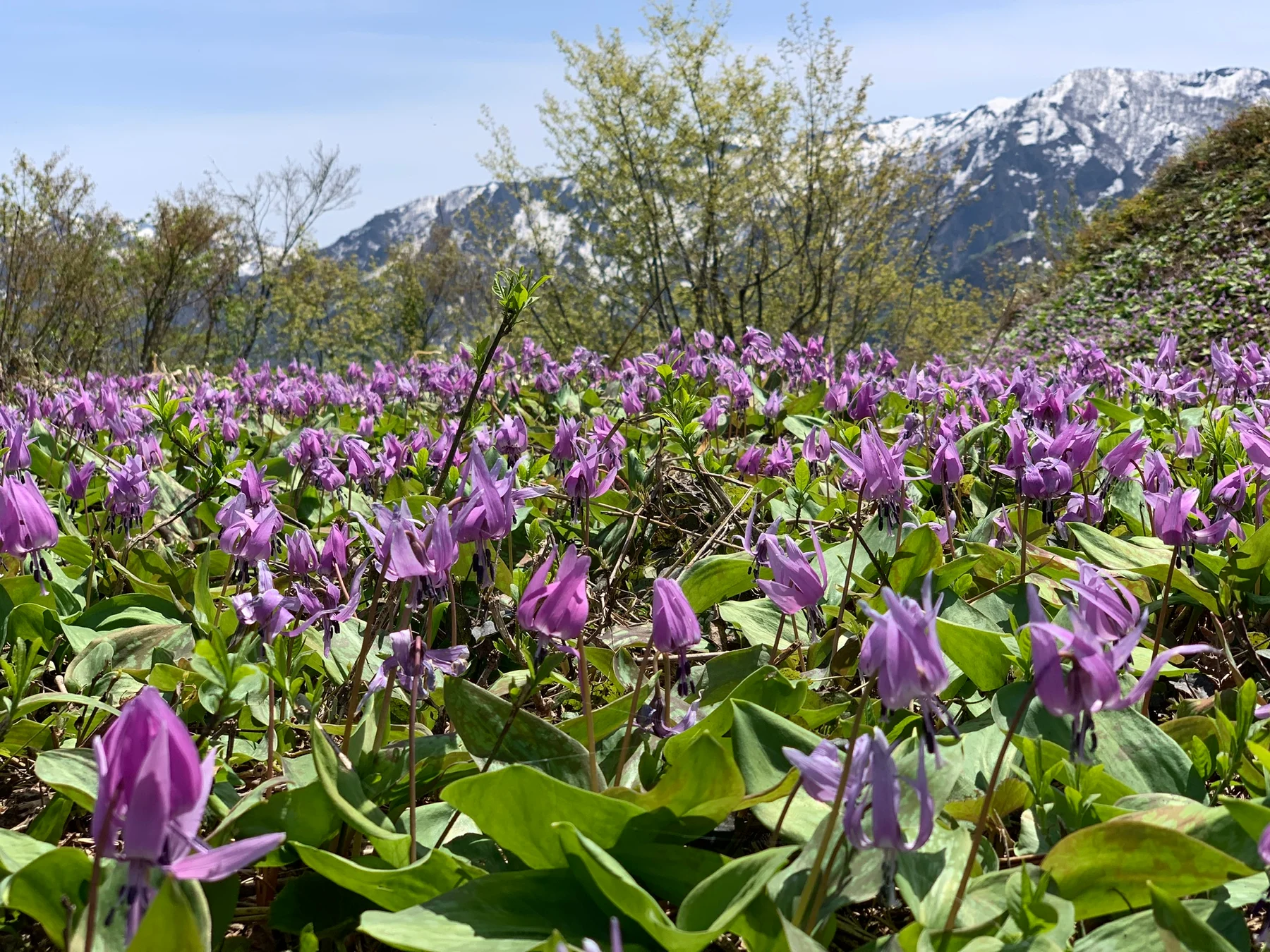
Spring / Katakuri flowers and a gentle hill walk

This 321-metre hill is coloured by colonies of katakuri, or Japanese dogtooth violet. From the Koshinto trailhead, allow around 35 minutes to the summit and about an hour for the full circuit. Wear shoes with good grip as you look for spring flowers.

Official Information
Katakuri flowers and mountains with lingering snow

Mount Sakado & Sakado Castle Ruins

Spring–autumn / Katakuri flowers and castle ruins

Katakuri flowers cover this 634-metre mountain in spring. The climb to the summit along Yakushi Ridge takes around an hour and a half. Hiking boots are not essential, but shoes with good grip and drinking water are a must.

Official Information
Hoshitoge Rice Terraces

Hoshitoge Rice Terraces

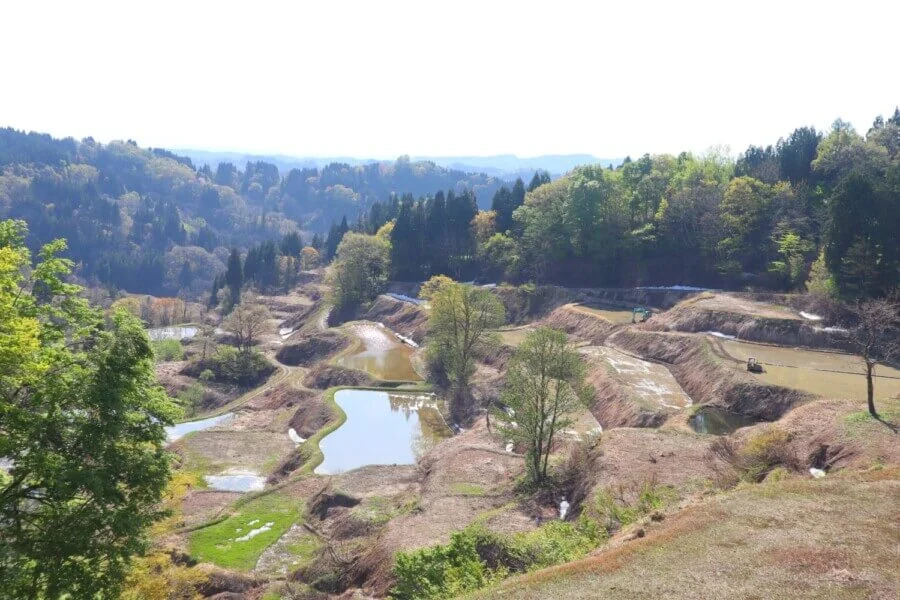
Spring–autumn / Reflections and harvest scenery

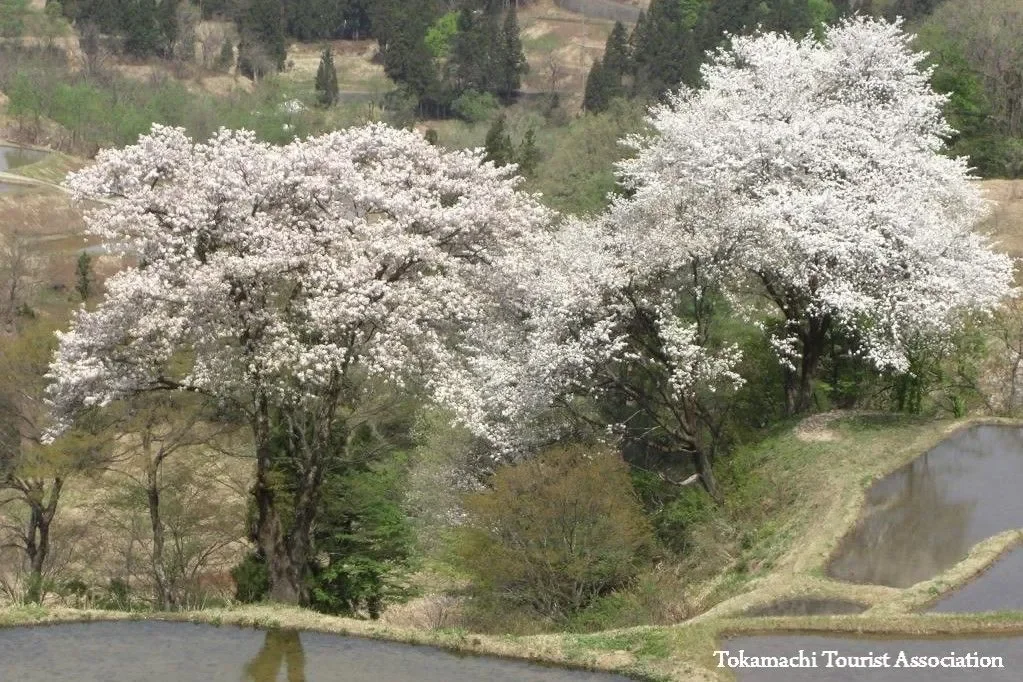
When the fields are flooded in spring and late autumn, each terrace reflects the sky like a mirror. Before the autumn harvest, the hillsides turn gold. These are working fields: please enjoy the view quietly from the road and never enter the paddies or walk on their banks.

Official Information
Kamo Rice Terraces

Kamo Rice Terraces

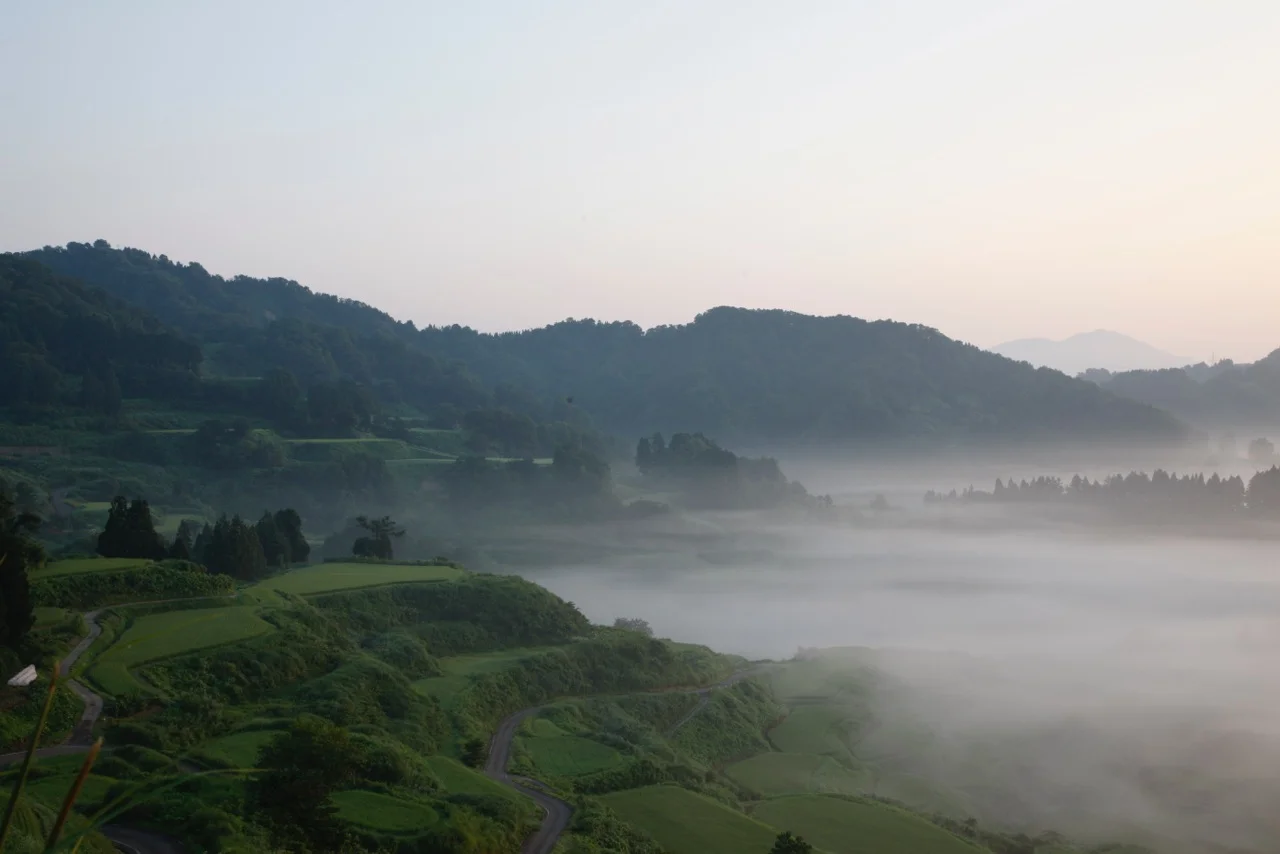
Spring–autumn / Morning mist and terraced fields

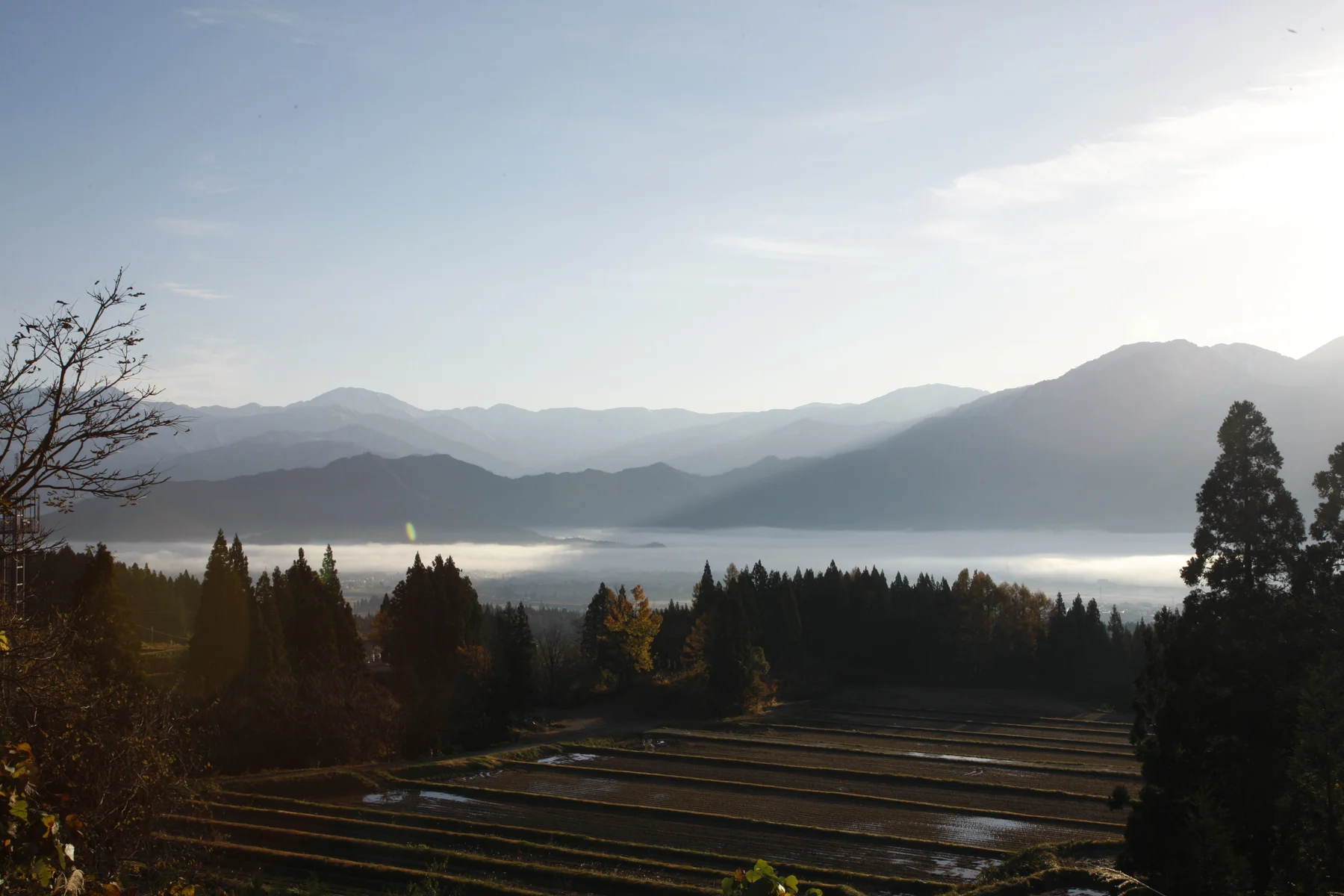
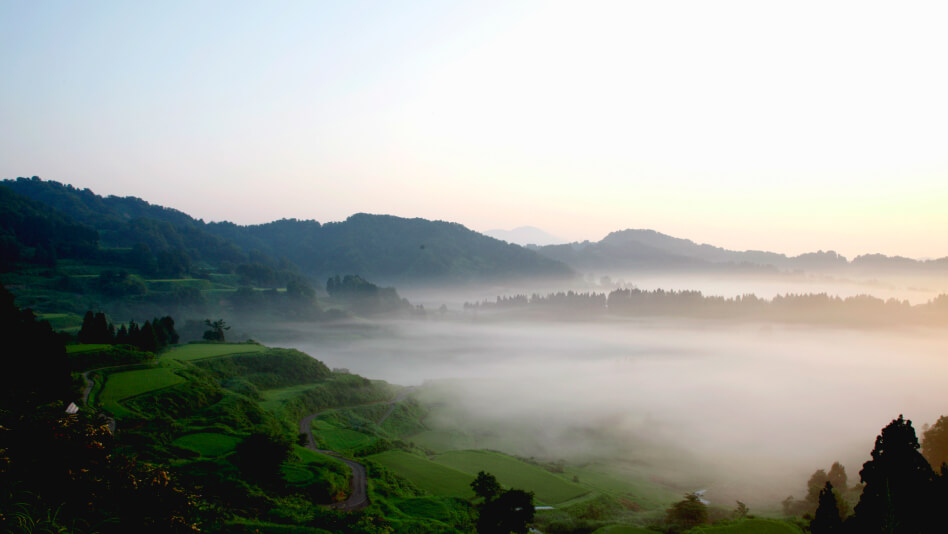
Rice terraces line the mountain slopes, and morning mist drifts through the valley. From spring to early summer, and again in late autumn, flooded fields reflect the sky. Please do not block farm roads, enter the paddies or walk on their banks.

Photo courtesy of Tokamachi City Tourist Association

Official Information
Tochikubo Rice Terraces and the Uonuma mountains in morning mist

Tochikubo Rice Terraces

Spring–autumn / Rural Minamiuonuma scenery

Rice fields climb the hillsides, with views towards Uonuma’s mountains. Enjoy a drive for spring reflections, summer greenery or golden fields before the autumn harvest. Do not interfere with farm work or enter the paddies or private land.

Official Information
Bijinbayashi Beech Forest

Bijinbayashi Beech Forest

Spring–autumn / An easy woodland stroll

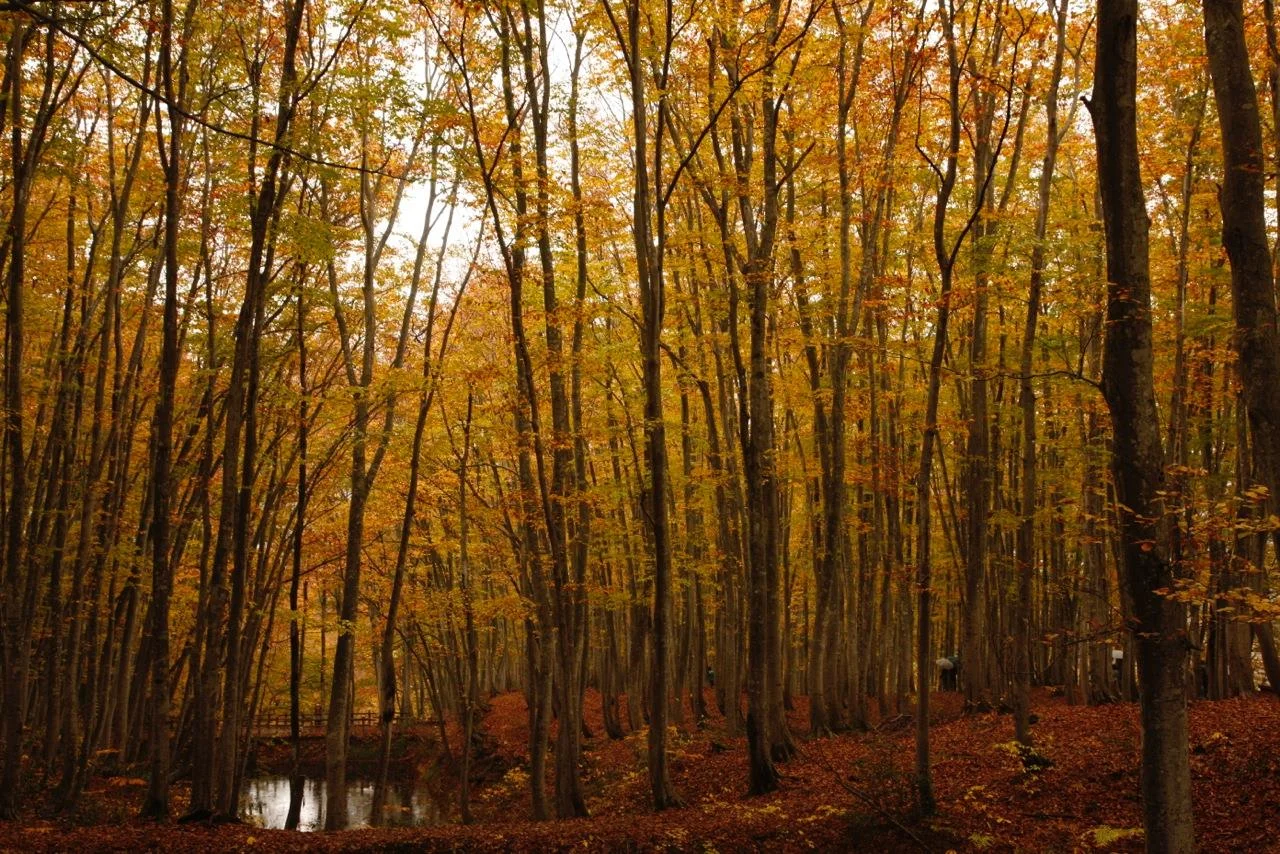
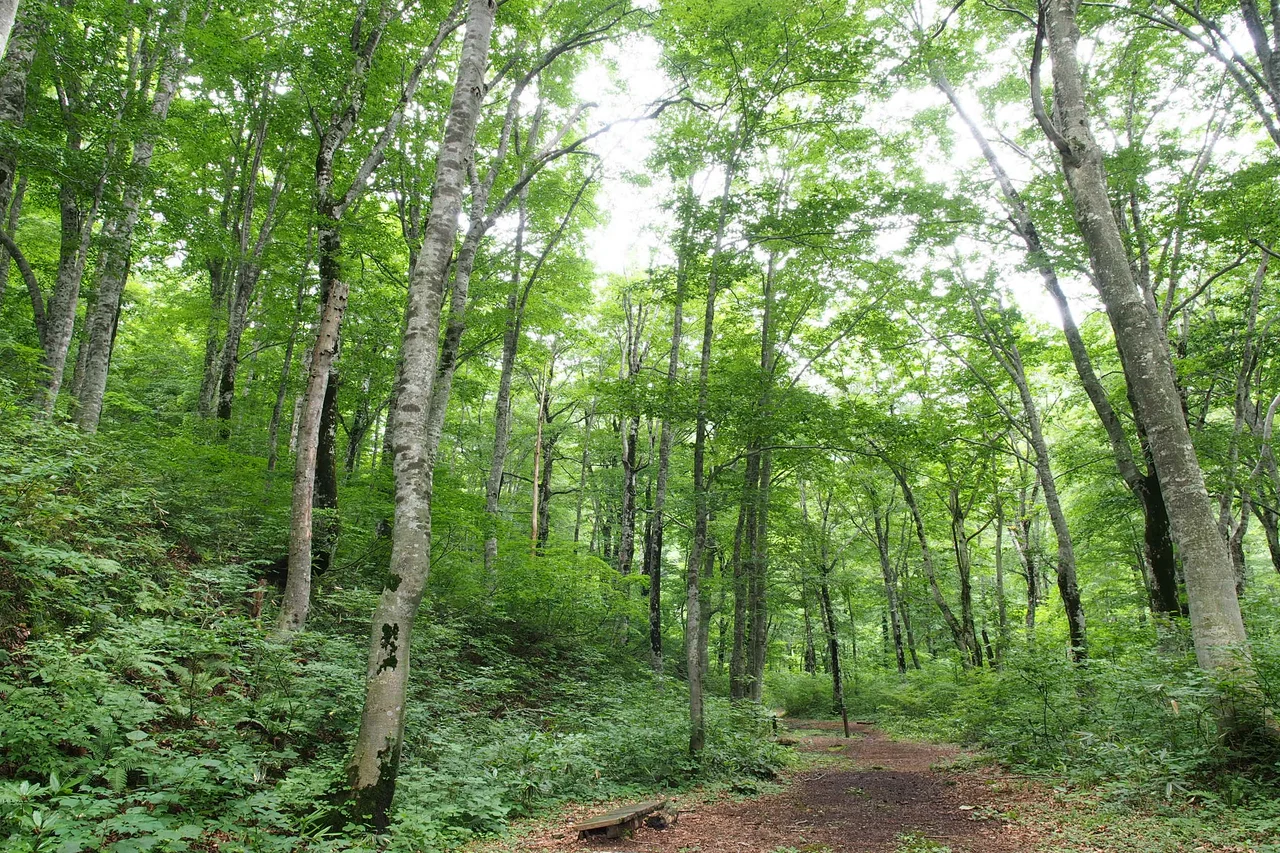
A stand of slender beech trees, ideal for a gentle walk. Fresh leaves in spring, shade in summer and golden foliage in autumn await. Watch your footing and take care not to damage the tree roots.

Official Information
Trekking Yuzawa 1

Trekking Yuzawa 1

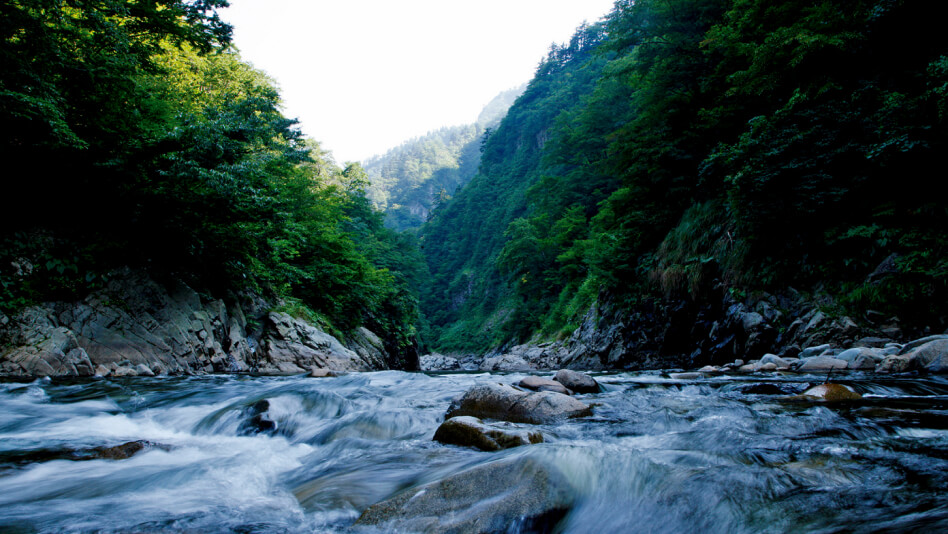
Early summer–autumn / A gorge walk beside the Kiyotsu River

The walk from Yagisawa to Phytoncide Plaza takes around an hour and a half each way, or three hours return. Bring hiking boots or equivalent footwear and rainwear. The Ichinanba route from Eitaro Pass through to Yuzawa Kogen is currently closed.

Official Information
Uonuma Observation Point

Uonuma Observation Point

Spring–autumn / Views from the Uonuma Skyline

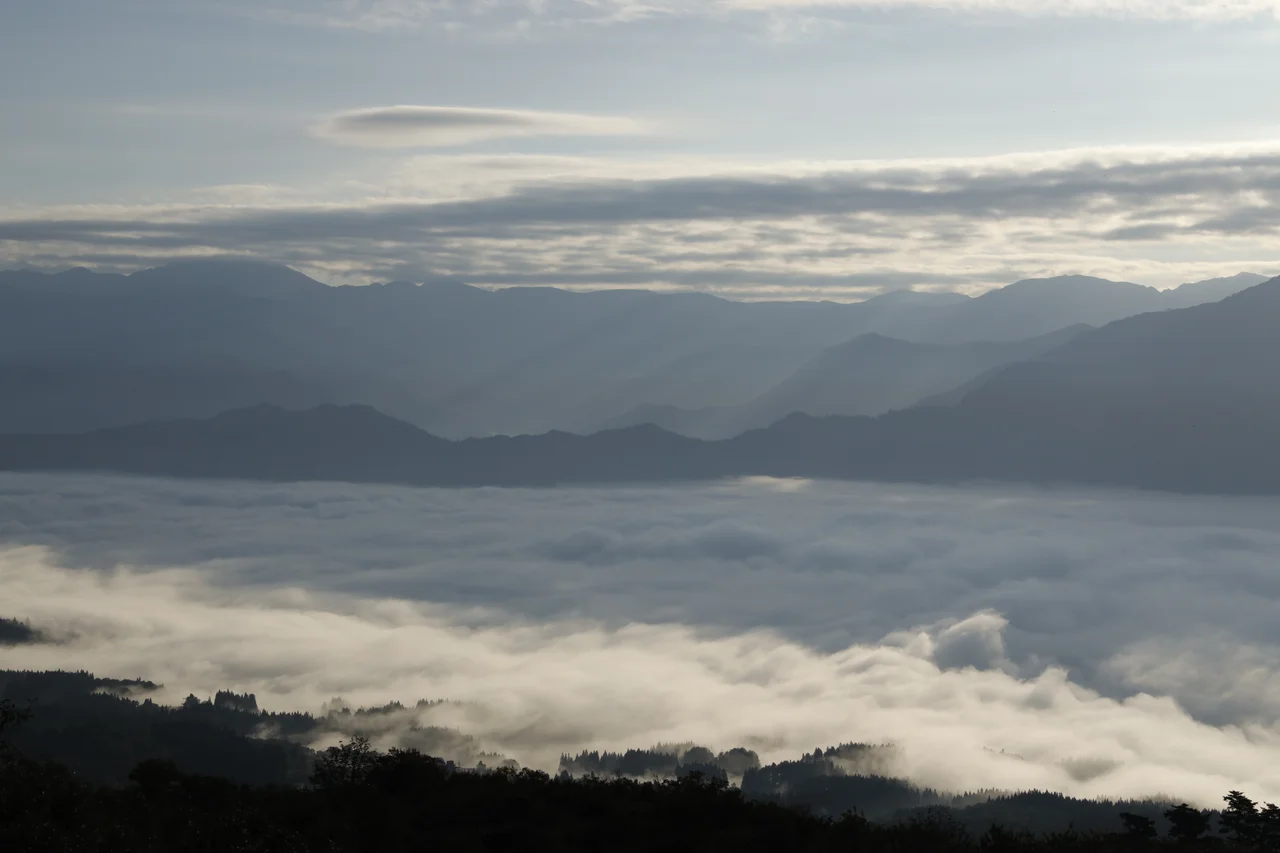
An observation point on the Uonuma Skyline, overlooking the Uonuma Basin and the Echigo mountains. In the right conditions, you may see a sea of clouds early in the morning. The road closes in winter, so check traffic information.

Official Information
Urasa Yagodaira Observation Point

Urasa Yagodaira Observation Point

Spring and autumn / A sea of clouds from a pavilion

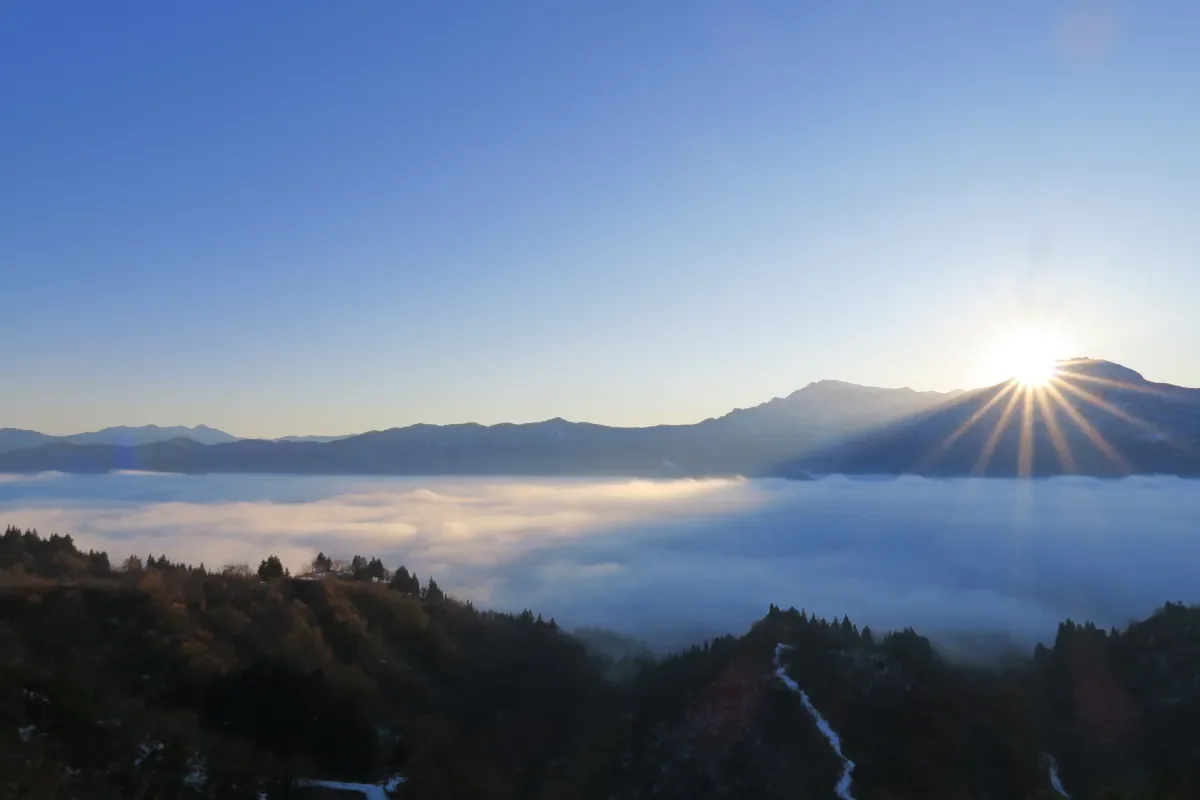
From the pavilion, you can see the sun rise over Mount Hakkai and Echigo-Komagatake beyond a sea of clouds. To catch the sea of clouds, visit early on a spring or autumn morning and bring warm clothing. The forest road is narrow, and the viewpoint is inaccessible in winter.

Photo courtesy of Niigata Prefectural Tourist Association

Official Information
Shiori Pass

Shiori Pass

Summer–autumn / Waterfalls of cloud over the ridge

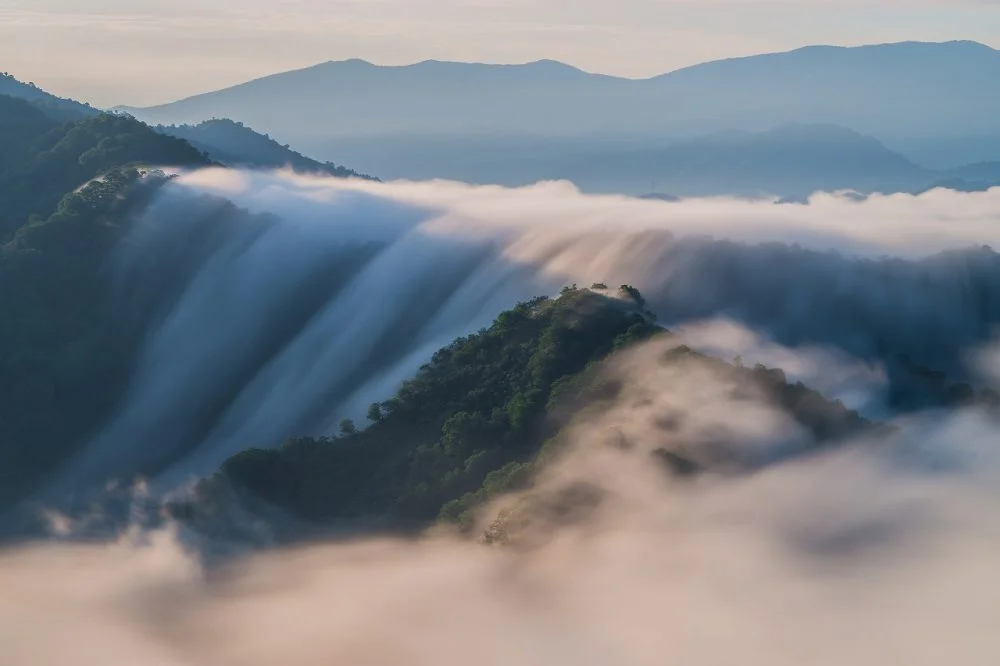
A viewpoint for clouds spilling down over the ridge like a waterfall. On days when the shuttle runs in autumn, please use it as a rule, boarding at Shirogane no Yu in Ginzan-daira. Check the service information and bring warm clothing.

Photo courtesy of Uonuma City Tourist Association

Official Information
Yuzawa Kogen Ropeway

Yuzawa Kogen Ropeway

Spring–autumn / Around seven minutes to the highlands

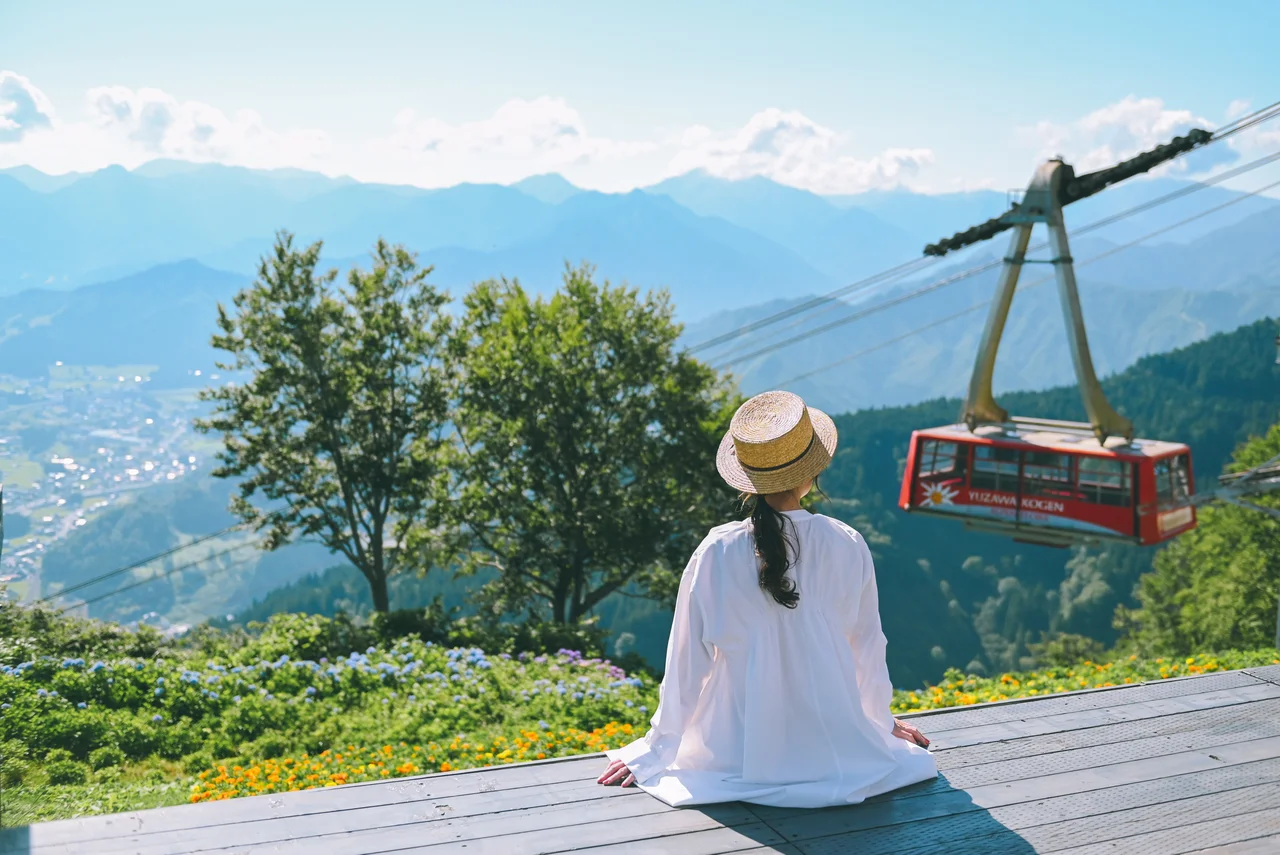
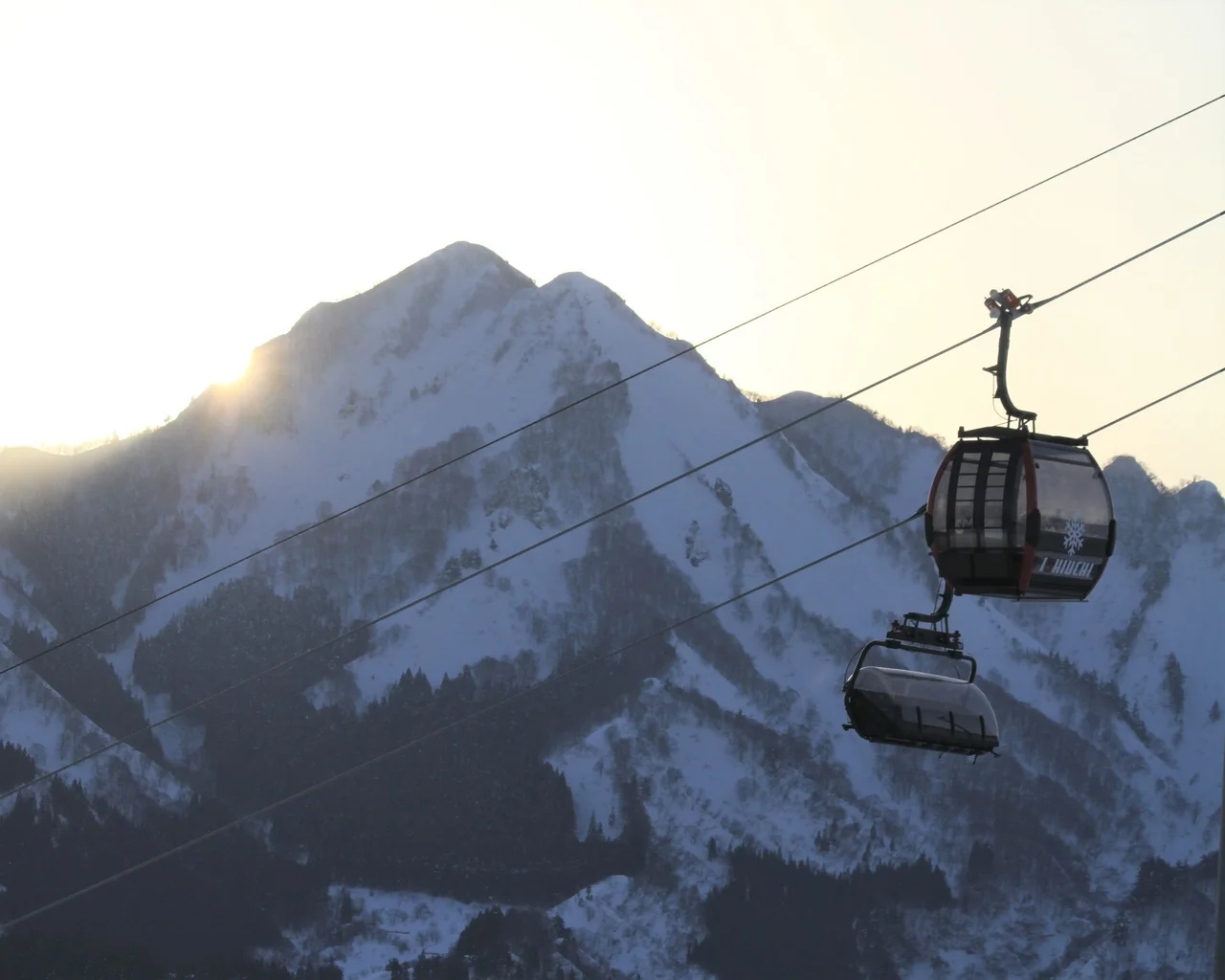
Reach the highlands overlooking Echigo-Yuzawa in around seven minutes. At the top, enjoy walks among flowers or a rest on a terrace. Wear comfortable walking shoes and check operating information before visiting.

Photo: official facility website

Official Information
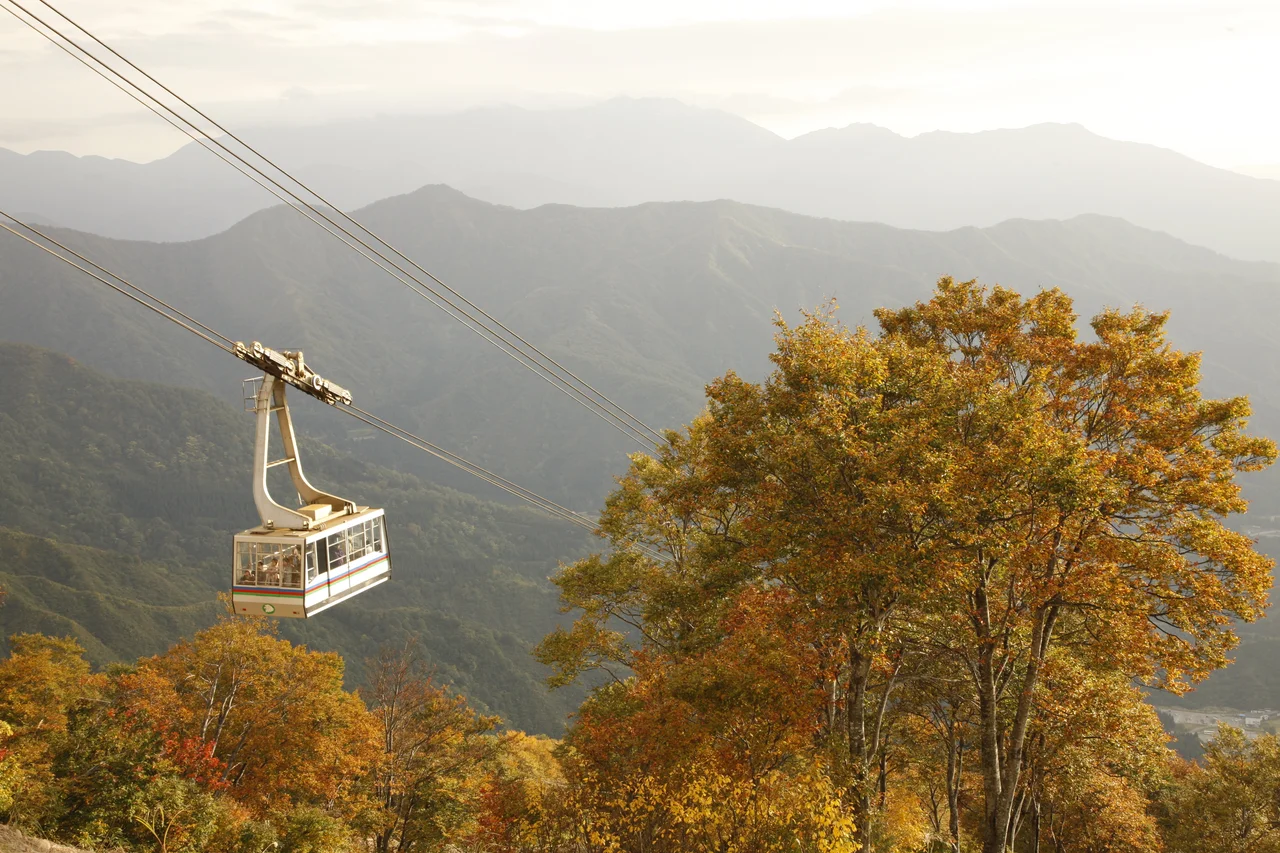
Dragondola

Dragondola

Autumn / An aerial journey through fall colours

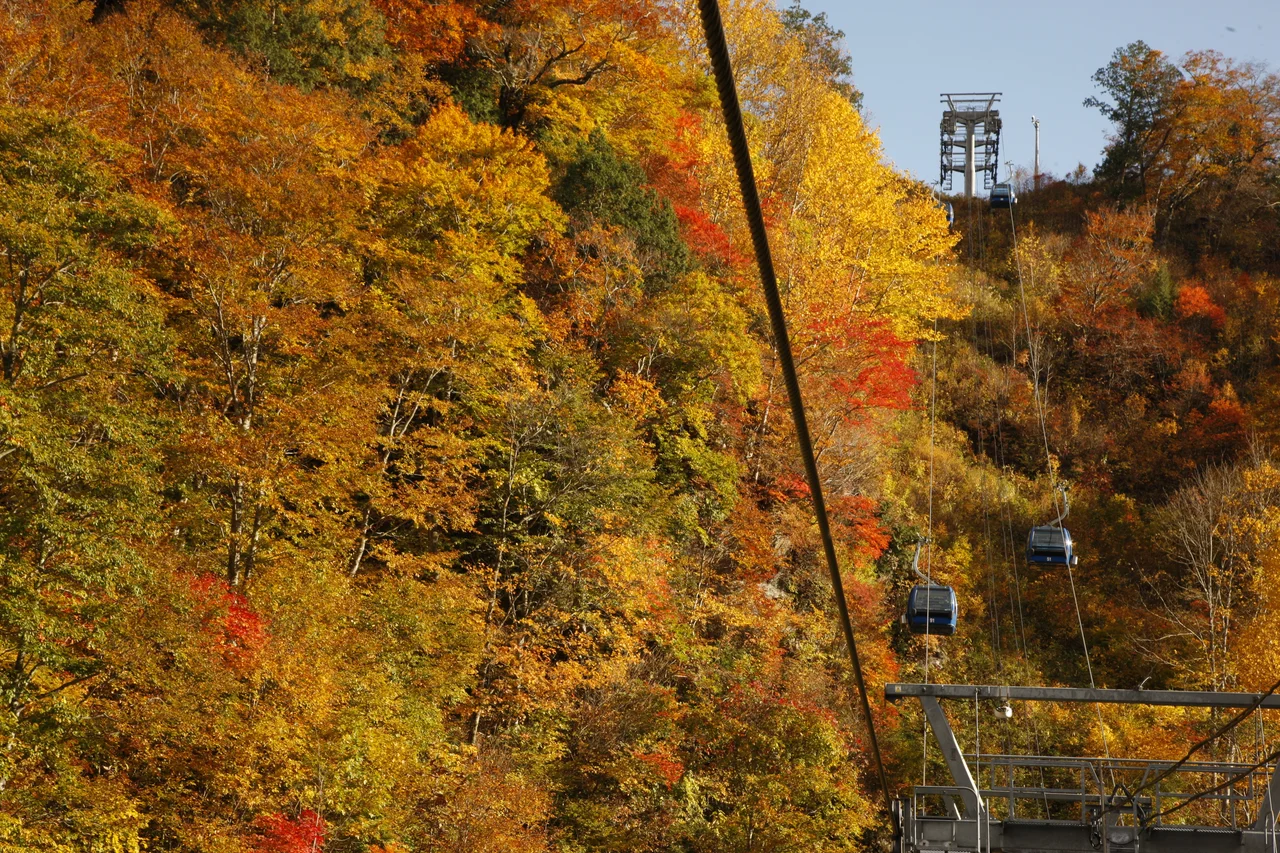
The gondola route stretches for around 5.5 kilometres across Naeba’s mountains. The ride takes about 25 minutes, rising and dipping for close-up views of the autumn forest. The gondola usually runs from October to early November in autumn.

Official Information
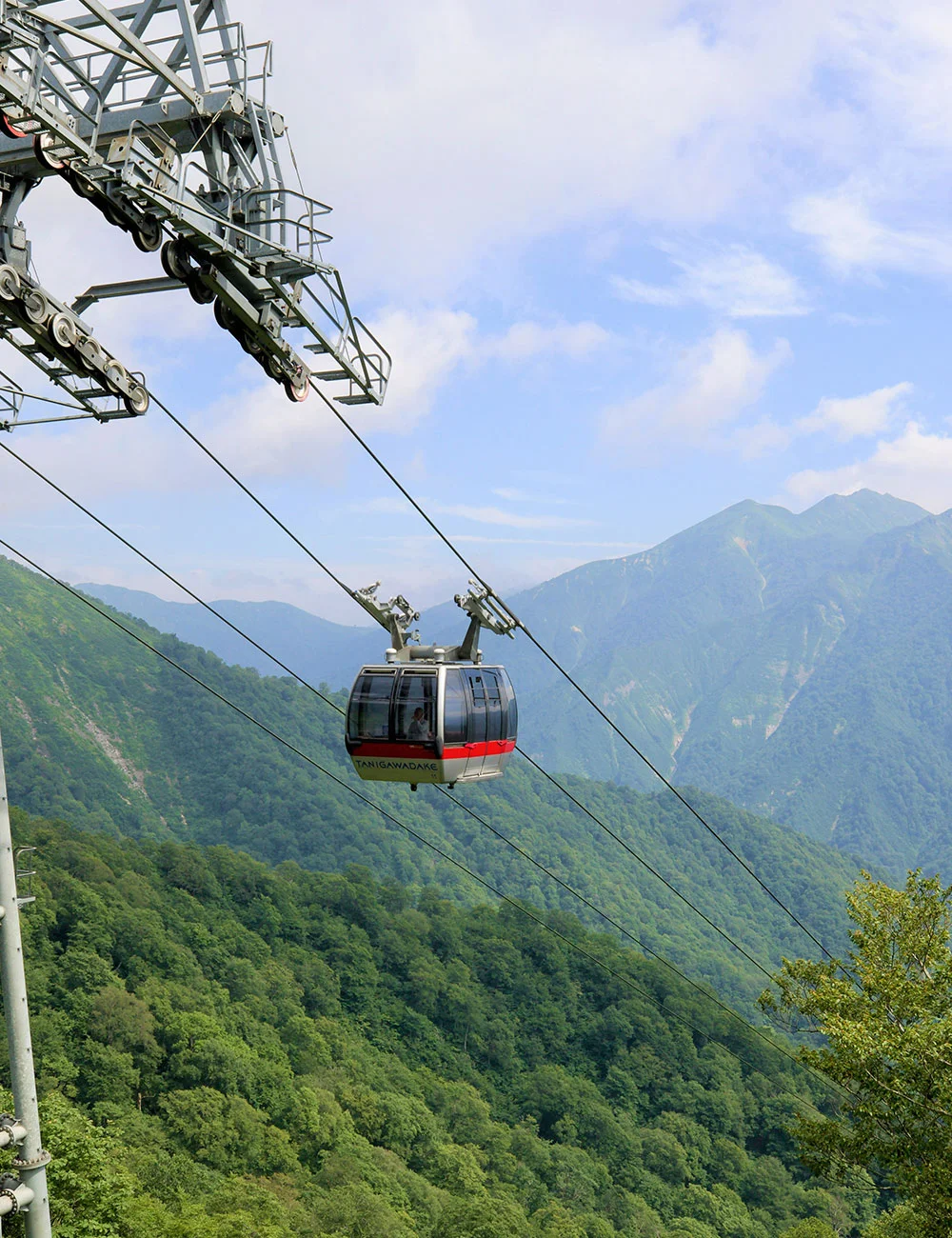
Tanigawadake Joch

Tanigawadake Joch

Summer–autumn / Crampons and an ice axe are essential while spring snow remains, usually until early June

Take the ropeway and chairlift for views of the mountains. The round trip from Tenjindaira to the summit of Mount Tanigawa takes around five hours. Treat this as a mountain hike, not a sightseeing stroll: wear hiking boots, bring rainwear and plan according to your fitness and the weather.

Photo: official facility website

Official Information
Hakkaisan Ropeway

Hakkaisan Ropeway

Spring–autumn / Crampons and an ice axe are essential while spring snow remains, usually until early June

Take the ropeway to the fourth station. From there, the hike up to Senbonhinokigoya takes around two and a half hours. Hiking boots and rainwear are essential. Beyond the hut, the route over the Yatsumine peaks has a series of sections with fixed chains and is for experienced climbers. Plan carefully for a mountain climb, not a walk to a viewpoint.

Official Information
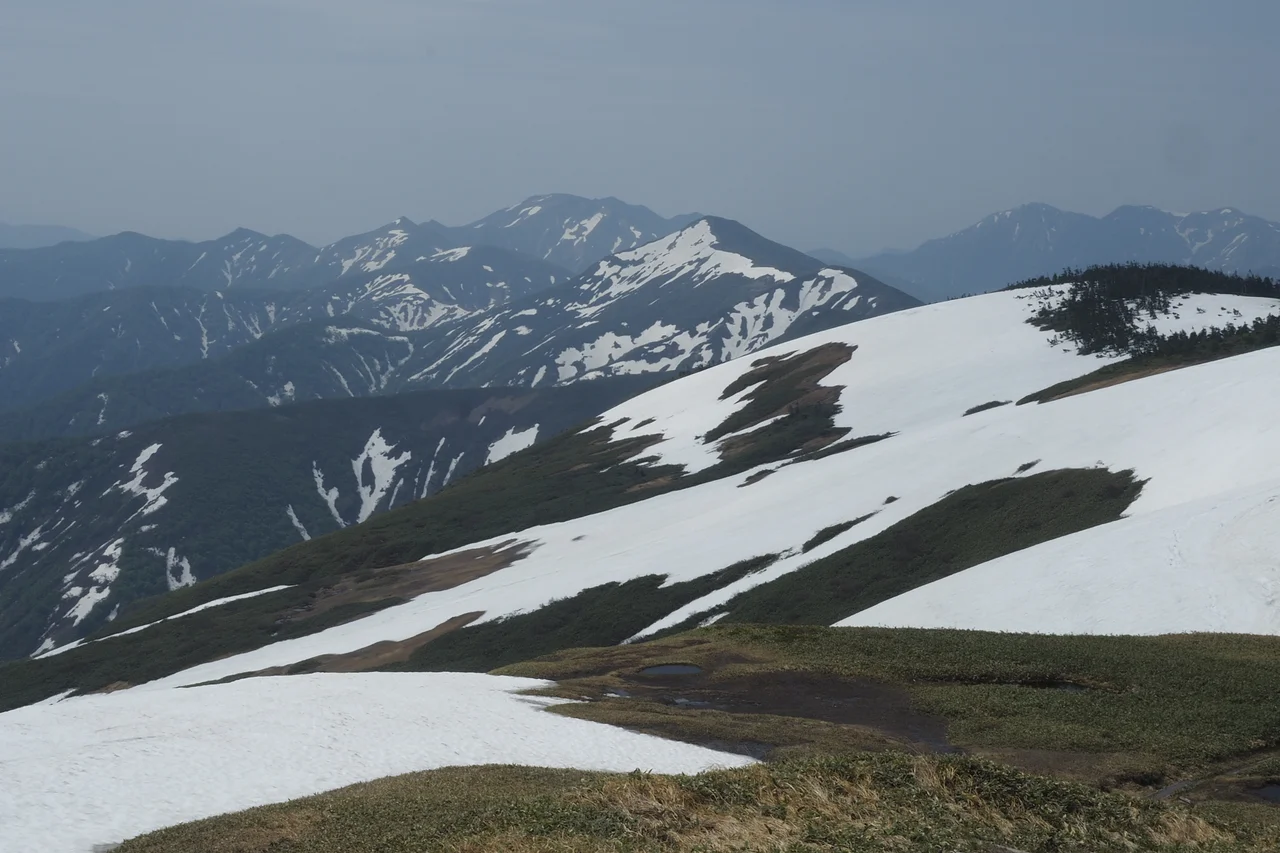
Mount Makihata

Mount Makihata

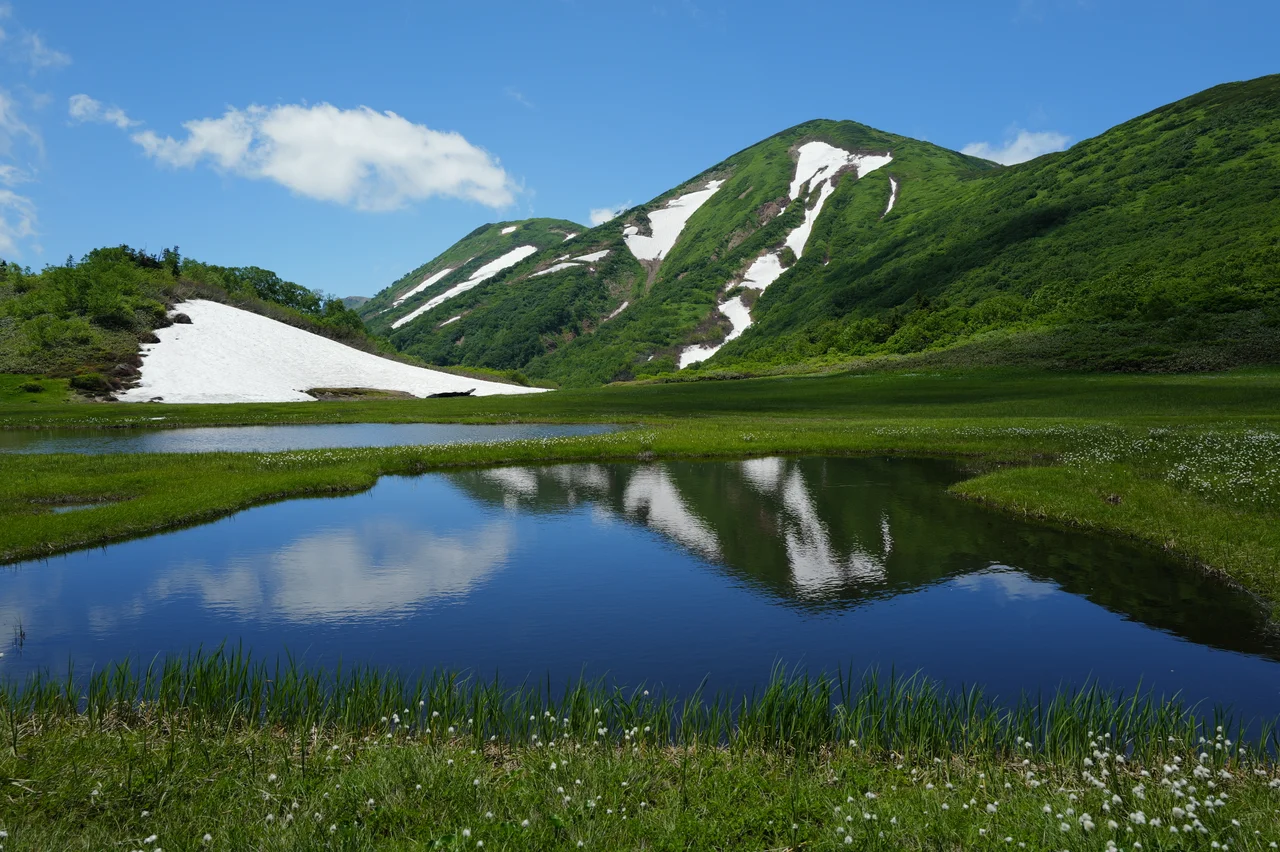
Summer–autumn / Snow remains into early summer, usually until late June. Crampons and an ice axe are essential.

One of Japan’s 100 Famous Mountains, with grasslands and small ponds near the summit. From the Sakurazaka trailhead, the ascent via Ido Ridge takes around five hours. Set out early with hiking boots, rainwear and food for the trail. Crampons and an ice axe are essential when snow remains.
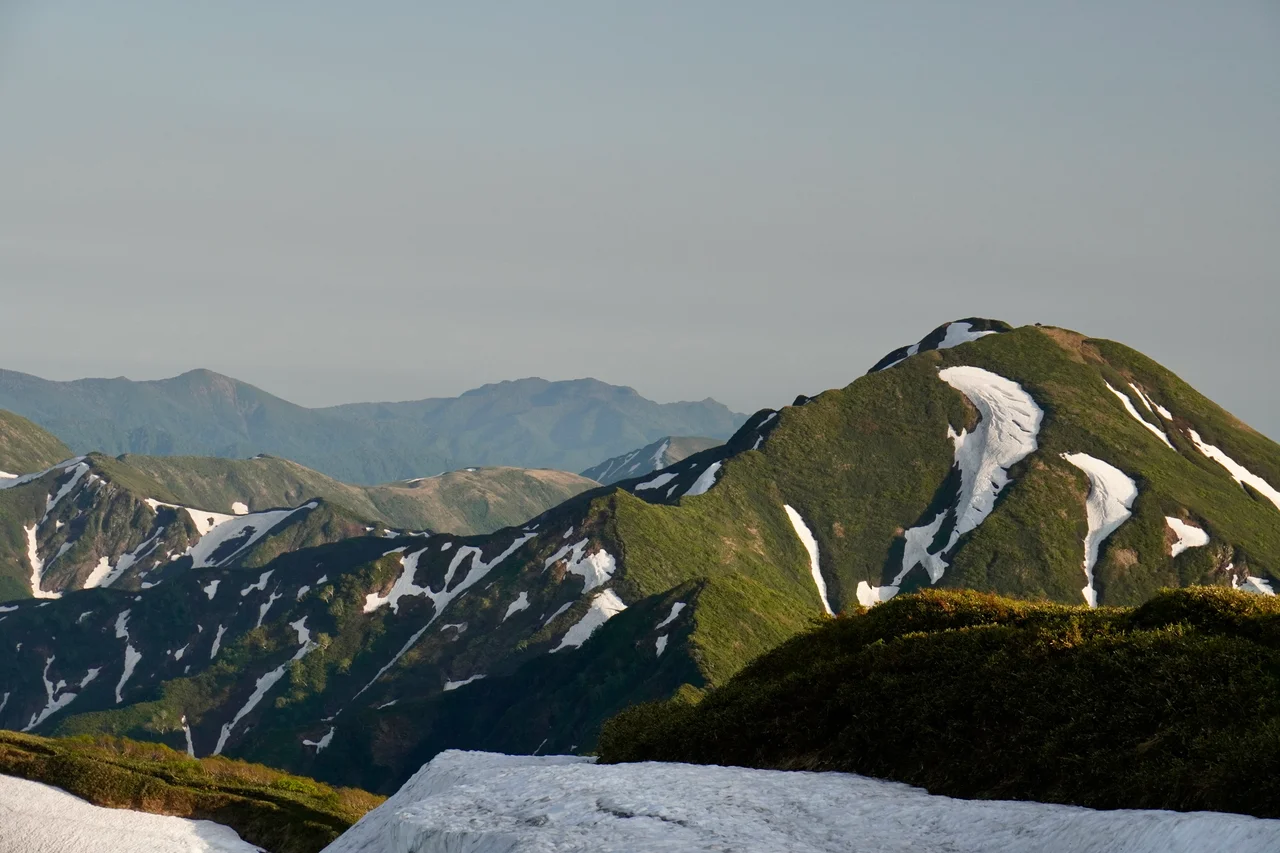
Echigo-Komagatake

Echigo-Komagatake

Summer–autumn / Snow remains into early summer, usually until late June. Crampons and an ice axe are essential.

One of the three Echigo mountains, admired for its majestic form. From Shiori Pass, allow around six hours up and five and a half down. Hiking boots and rainwear are essential, along with adequate fitness, experience and a generous schedule.

Official Information
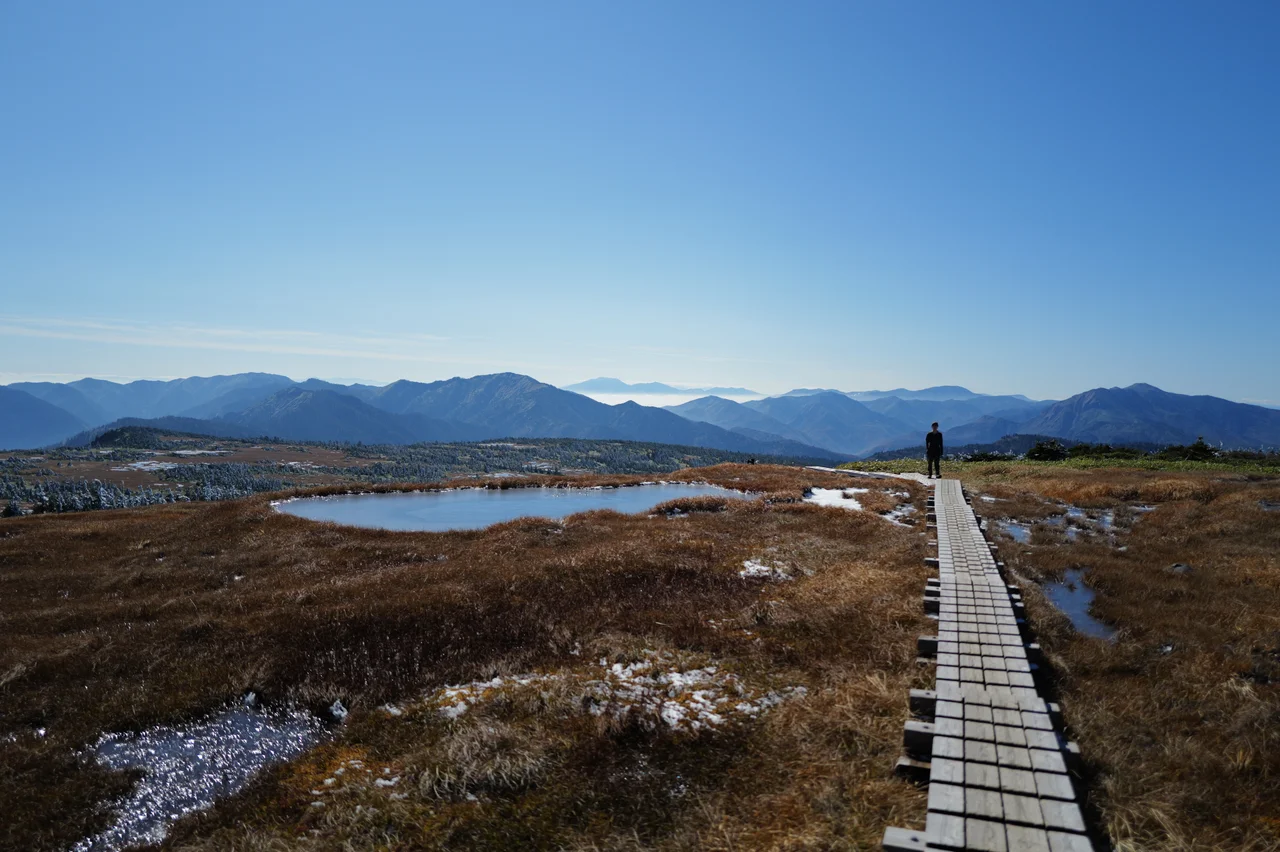
Mount Naeba

Mount Naeba

Summer–autumn / Snow remains into early summer, usually until late June. Crampons and an ice axe are essential.

One of Japan’s 100 Famous Mountains, with an extensive high moor and small ponds. The ascent from Koakasawa’s third-station trailhead takes around three and a half to four hours; the Haraigawa route takes around four hours. Stay on the boardwalks across the wetlands. Hiking boots and rainwear are essential.
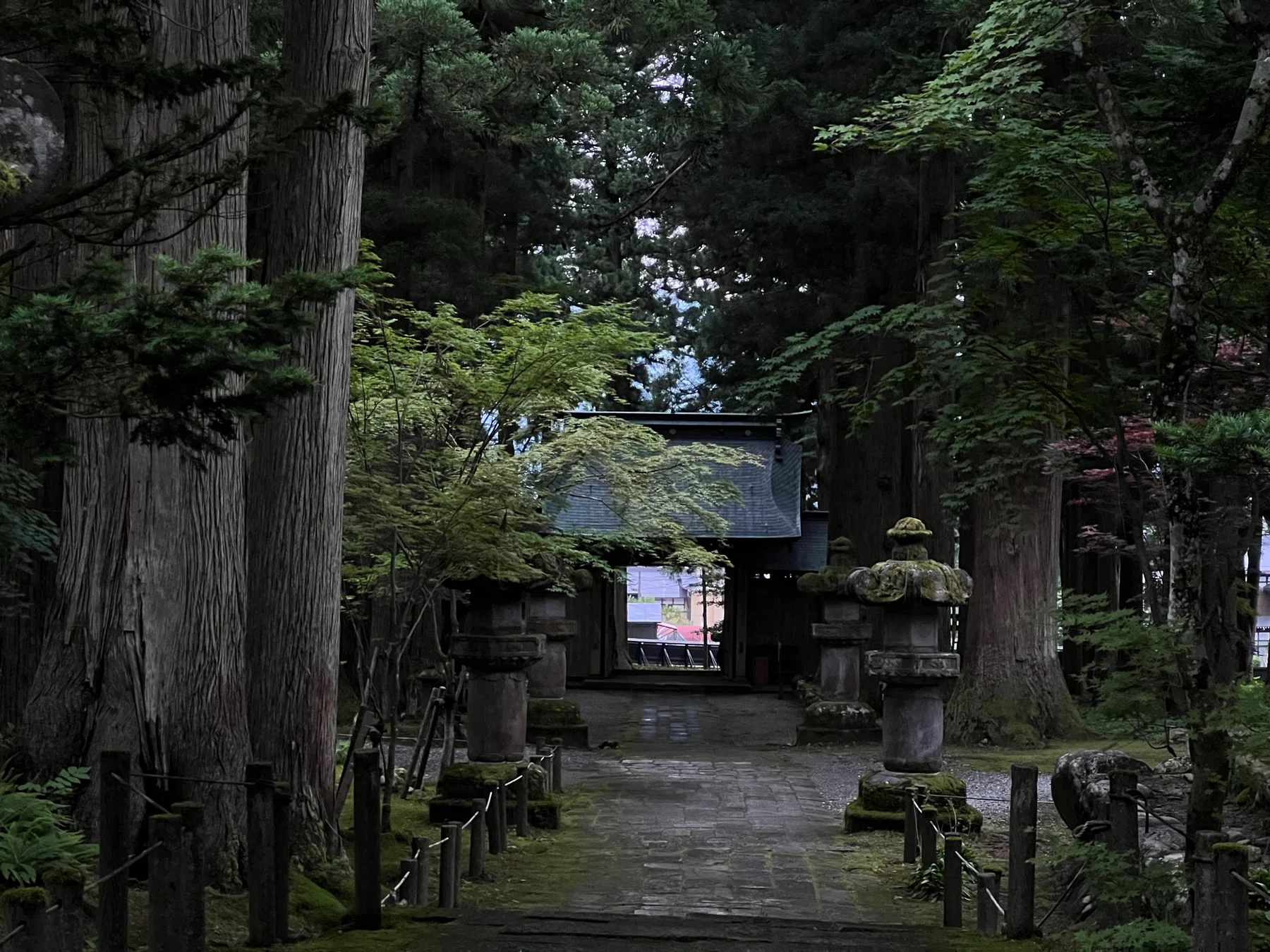
Untoan Temple’s approach among cedars and stone lanterns

Untoan Temple

Spring–autumn / A historic Zen temple among cedars

This Zen temple, associated with Uesugi Kagekatsu and Naoe Kanetsugu, appeared in NHK’s historical drama Tenchijin. Cedars surround the temple grounds. While the main gate is under restoration, please follow the designated visiting route.

Official Information
Saifukuji Temple, Kaisando Hall

Saifukuji Temple, Kaisando Hall

Spring–autumn / Sculptures by Ishikawa Uncho

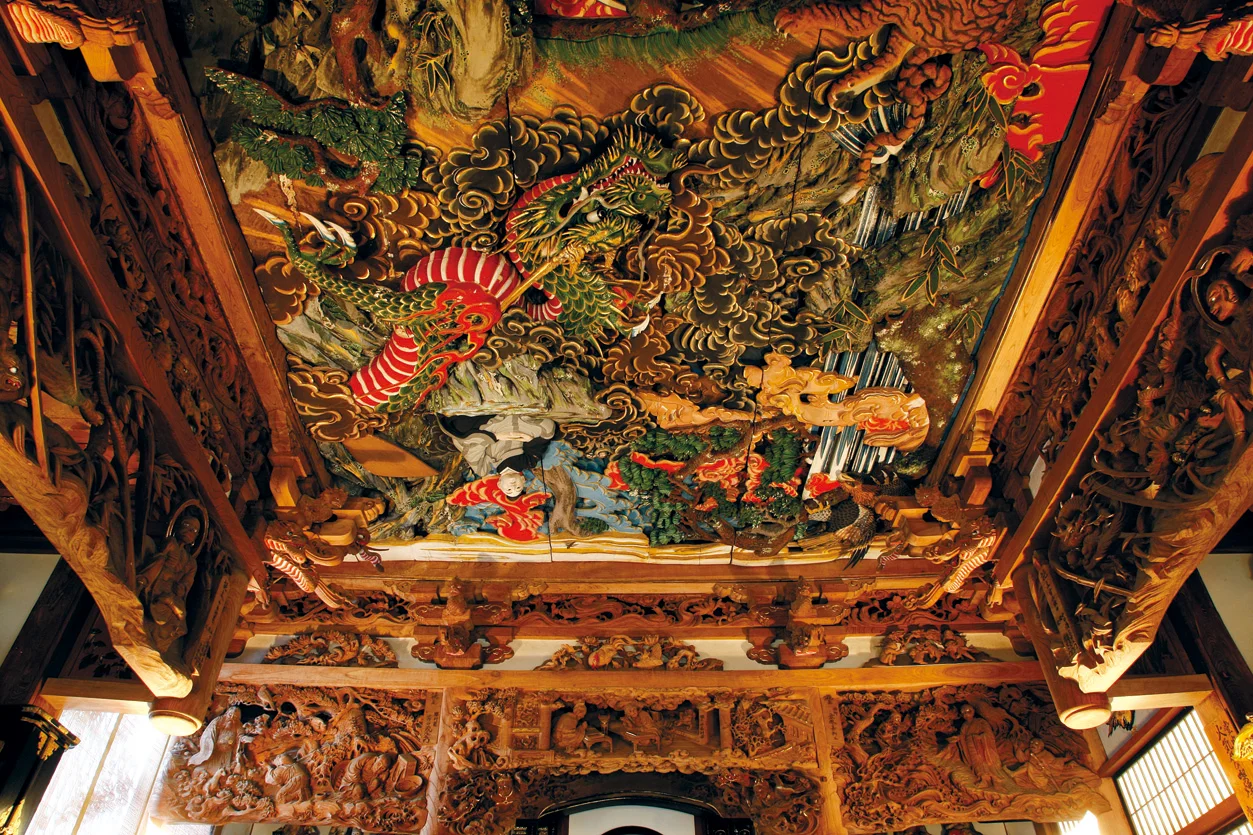
The Kaisando hall features work by late-Edo-period sculptor Ishikawa Uncho. Its ceiling carving of Zen Master Dogen subduing a fierce tiger is remarkable for its three-dimensional openwork and vivid colours. Look up and enjoy the fine detail.

Official Information
Wooden buildings and lawns at Uonuma no Sato

Uonuma no Sato

Year-round / Discover snow-country food and sake making

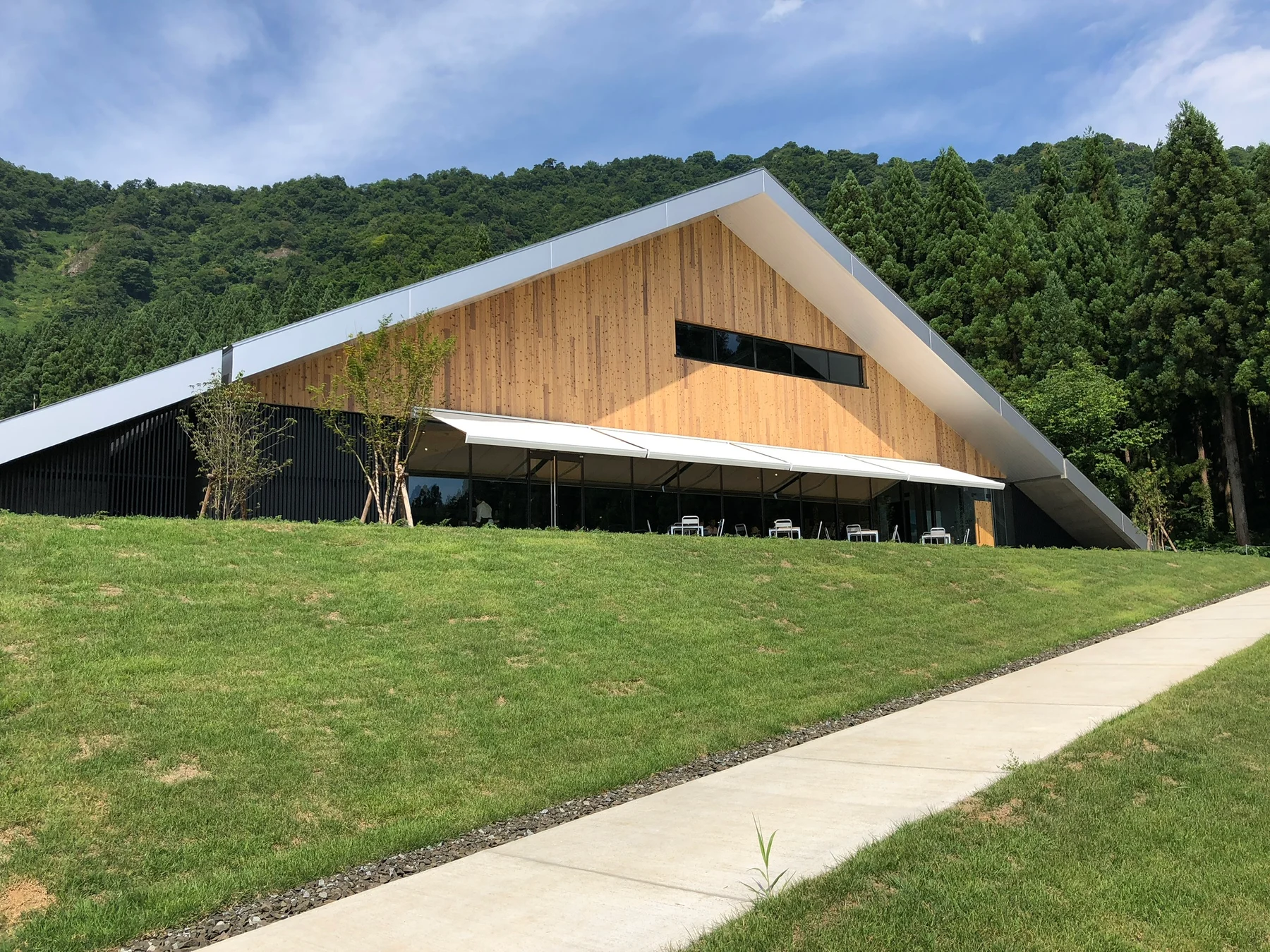
Hakkaisan’s snow-cooled storehouse, restaurants, confectioners and shops are scattered across the grounds. Visit a cellar where sake matures in naturally cooled air from snow. Advance reservations are recommended for tours. A pleasant place to stroll and taste Uonuma.

Official Information
GALA Yuzawa in Summer

GALA Yuzawa in Summer

Summer / Activities in the highlands

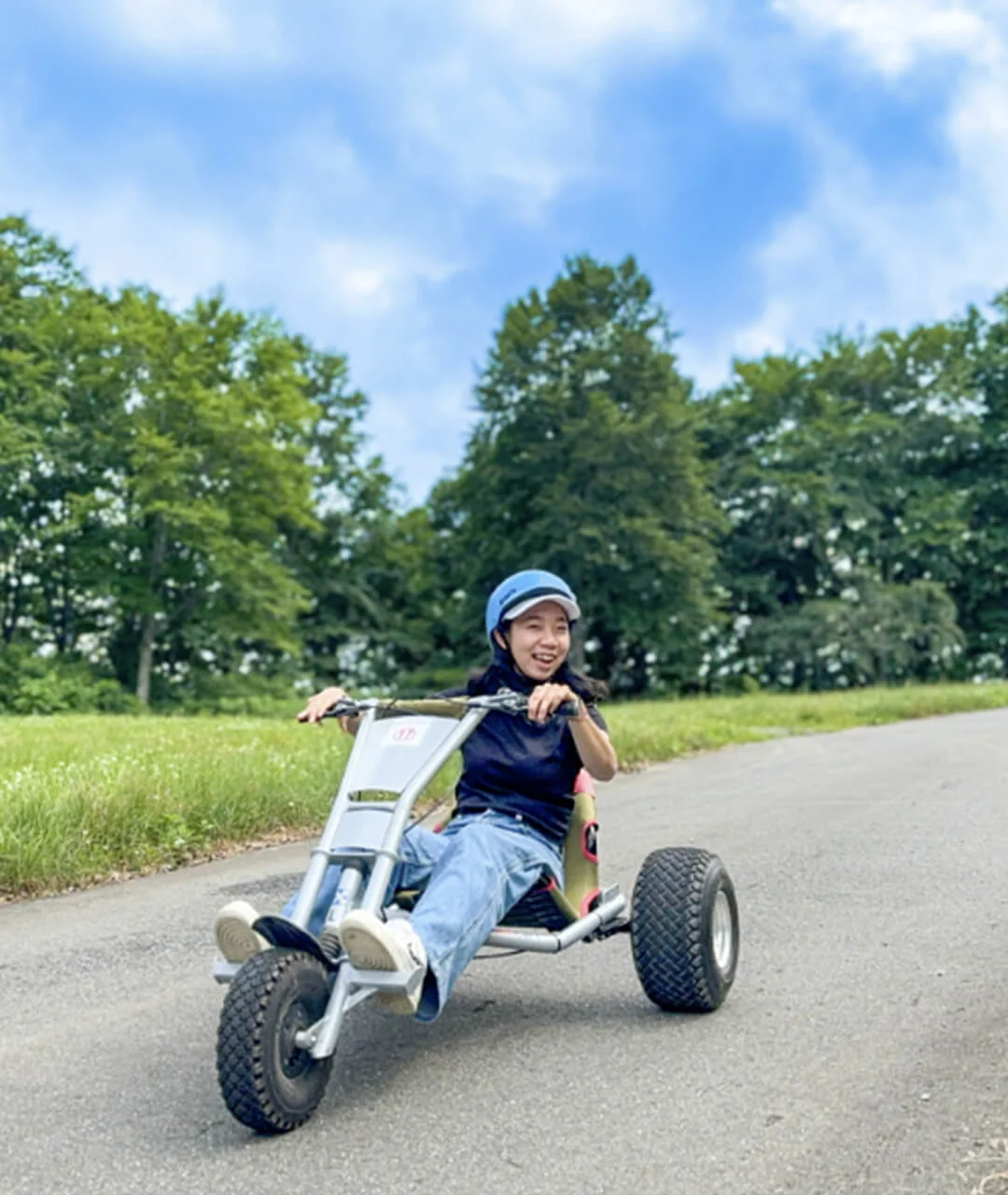
Ride the gondola into the highlands for mountain carts and trekking. Check age, height and other participation requirements, and wear clothes you can move in easily. Confirm opening dates and any service suspensions before visiting.

Photo: official facility website

Official Information

Ski Resorts

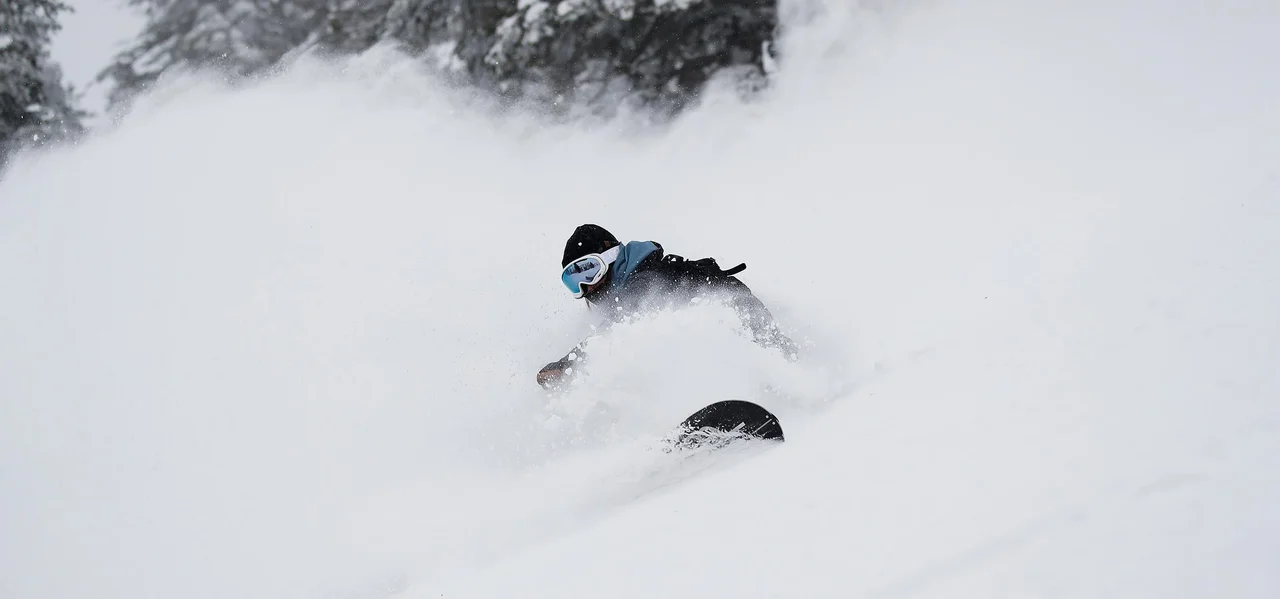
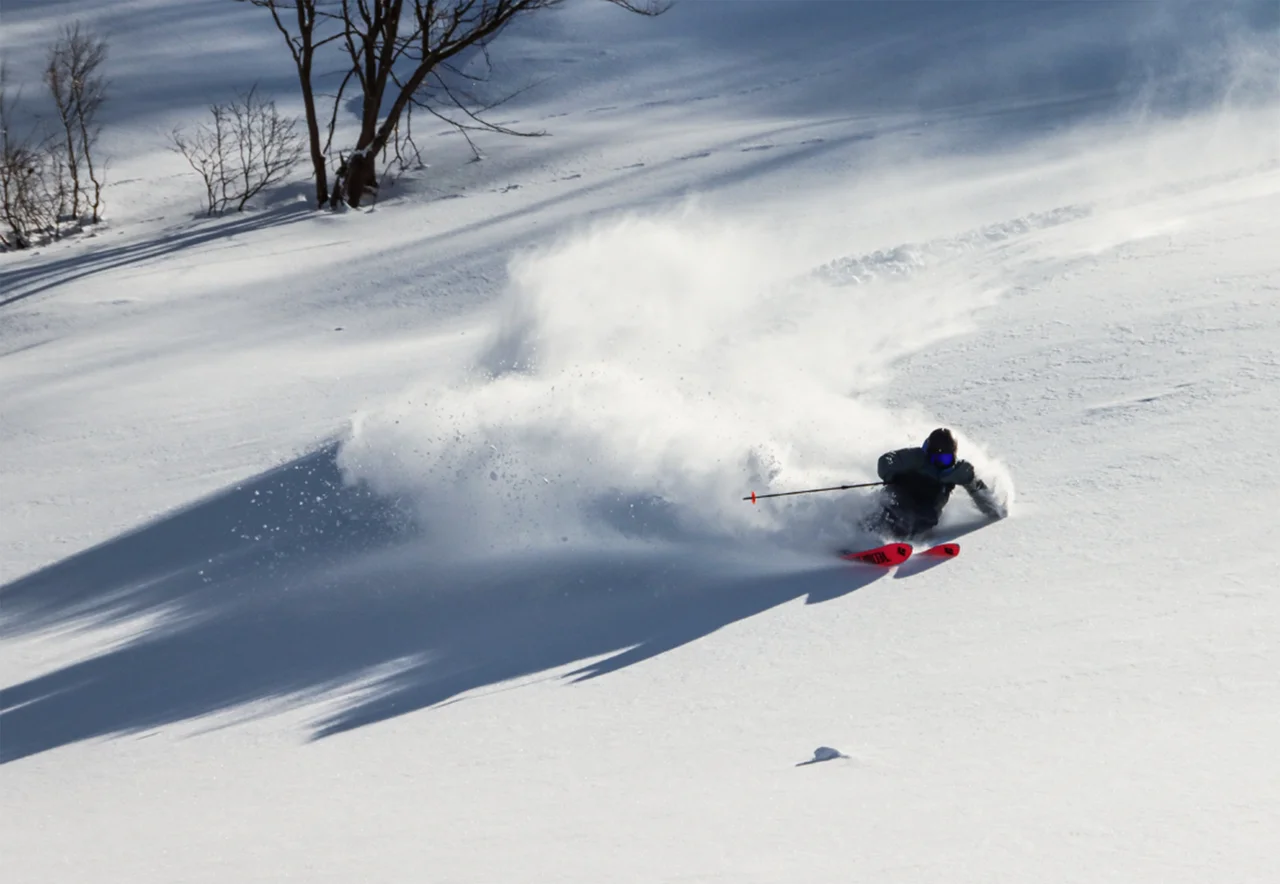
Six ski resorts to choose from according to their snow and terrain. Operating seasons depend on snow conditions.

Joetsu Kokusai Ski Resort

Joetsu Kokusai Ski Resort

Mid-December–late March

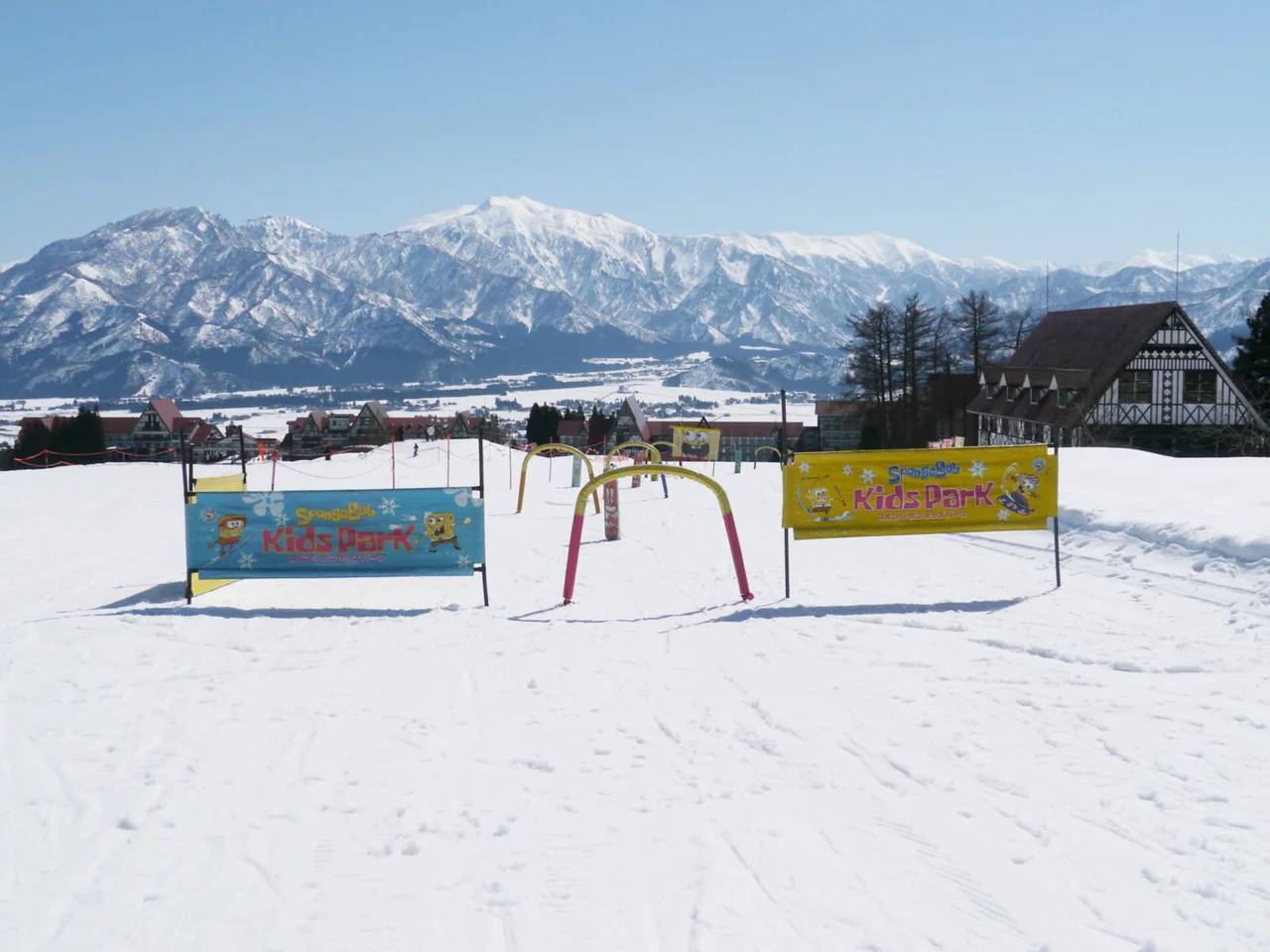
A wide area with varied slopes lets you choose runs suited to your level. Children’s snow-play facilities make it a good family day out too. If skiing farther afield, allow plenty of time for the return journey.

Photo: official facility website

Official Information
Ishiuchi Maruyama Ski Resort

Ishiuchi Maruyama Ski Resort

Mid-December–early April

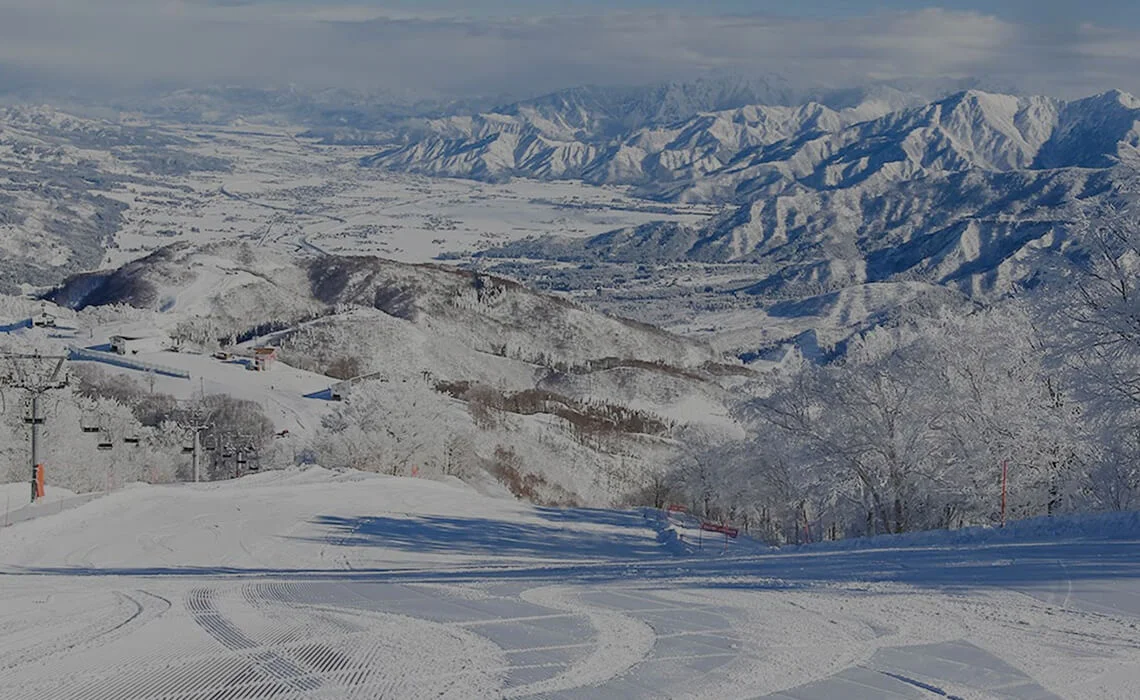
Slopes overlooking the Uonuma Plain and a varied choice of courses. Take the gondola up while enjoying the scenery. If you would like to ski after dark, check the night-skiing schedule before visiting.

Photo: official facility website

Official Information
GALA Yuzawa Ski Resort

GALA Yuzawa Ski Resort

Mid-December–early May

Directly connected to Gala-Yuzawa Station on the Joetsu Shinkansen, with a gondola to the slopes. Extensive rental options make it convenient for a day of skiing. In spring, open areas may be limited by snow conditions, so check in advance.

Photo: official facility website

Official Information
Muikamachi Hakkaisan Ski Resort

Muikamachi Hakkaisan Ski Resort

Mid-December–late March

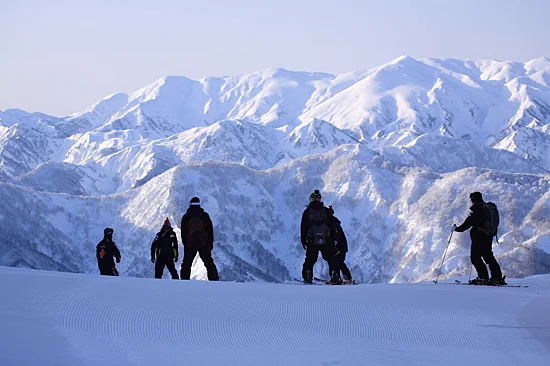
Ride the ropeway up and ski long slopes down the mountain. Steep and mogul runs are popular with intermediate and advanced skiers. With Mount Hakkai behind you, choose terrain that suits your fitness and ability.

Photo: official facility website

Official Information

Nearby Hot Springs

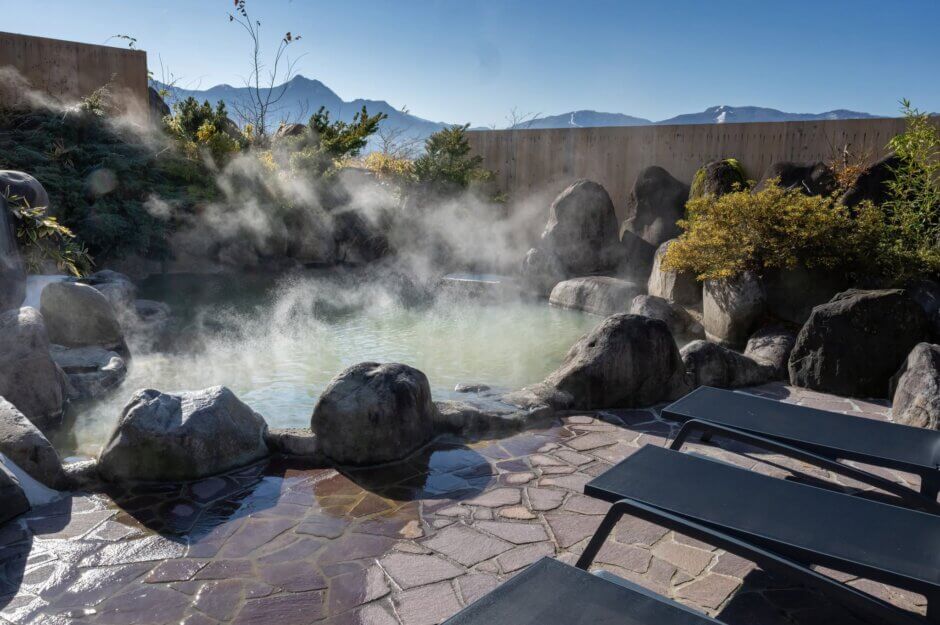
From simple communal baths where the water takes centre stage to facilities with open-air baths. Please check day-use admission and closing days.

Ikazawa Onsen Yumotokan

Ikazawa Onsen Yumotokan

Minamiuonuma / Continuously flowing spring water

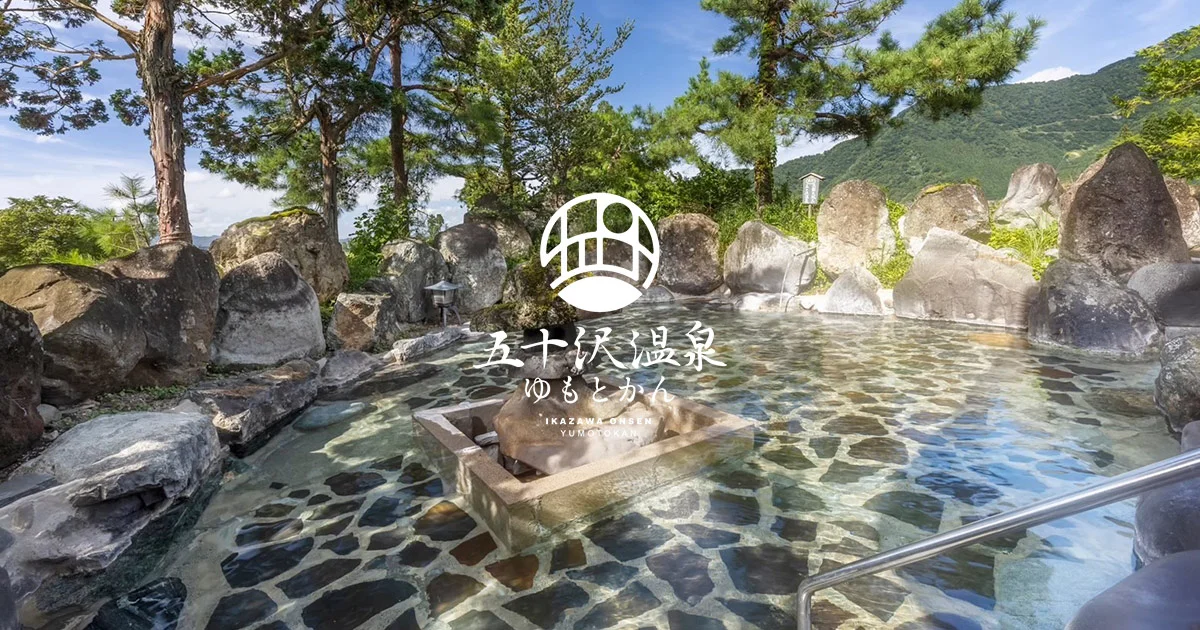
An inn known for abundant, sulfur-scented hot-spring water. Alongside mixed-gender rock and large open-air baths, there are separate indoor baths for men and women. Check day-use admission and the bathing arrangements for each time period before visiting.

Photo: official facility website

Official Information
Shimashinden Onsen Kinjo no Sato

Shimashinden Onsen Kinjo no Sato

Minamiuonuma / Continuously flowing spring water

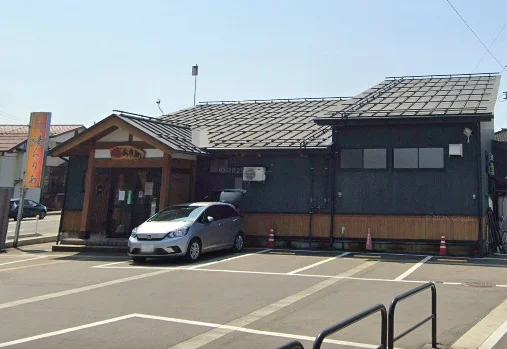
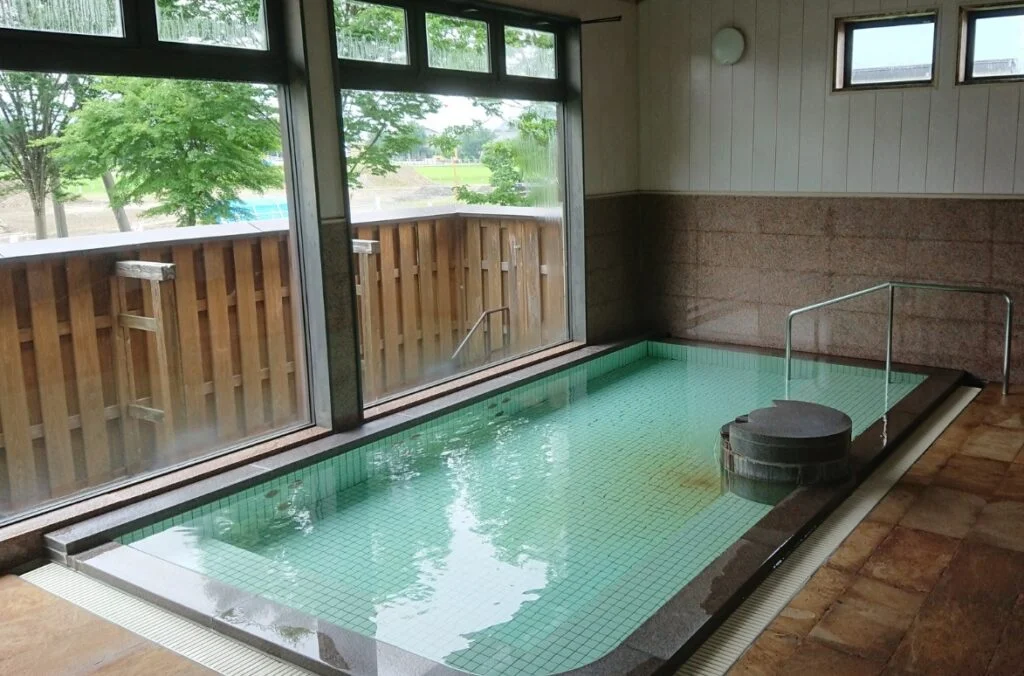
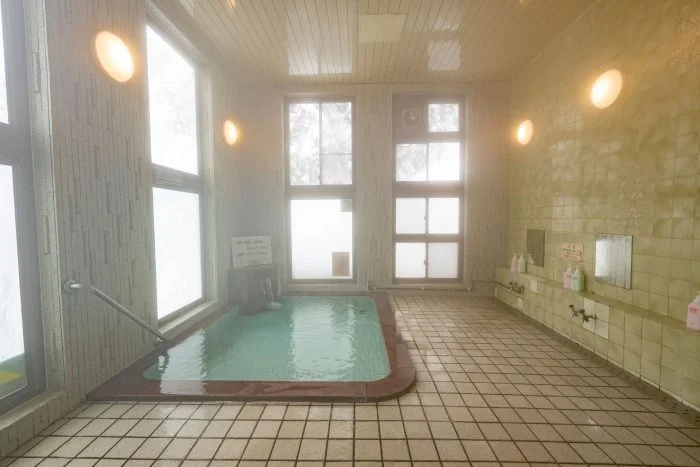
Locals gather at this indoor hot-spring bath for day visitors. The water, classed as a simple alkaline hot spring, is heated and flows continuously through the baths. It’s a good choice if you prefer a modest neighbourhood bath to a large complex.

Photo courtesy of Minamiuonuma City Tourism Association

Official Information
Naste View Yunoyama

Naste View Yunoyama

Matsunoyama / Continuously flowing spring water

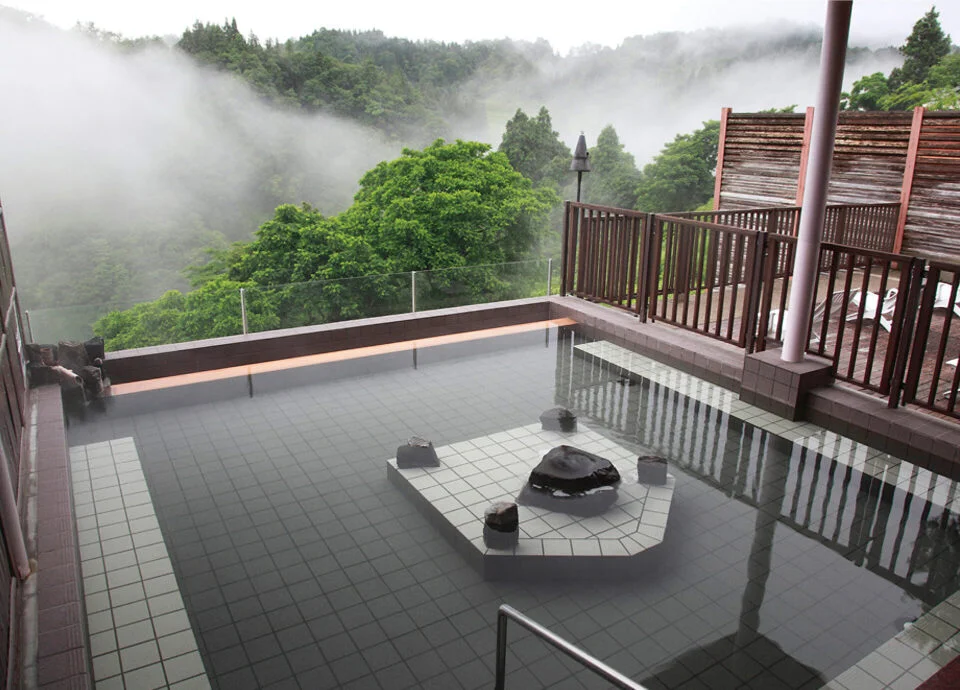
A day-use facility offering Matsunoyama’s highly saline hot-spring water. Water from its own source is brought to a comfortable temperature through heat exchange and flows continuously through the baths. Mountain-view open-air baths and a sauna make it a good choice for an unhurried day.

Photo: official facility website

Official Information
Senju Onsen Sennen no Yu

Senju Onsen Sennen no Yu

Tokamachi / Continuously flowing spring water

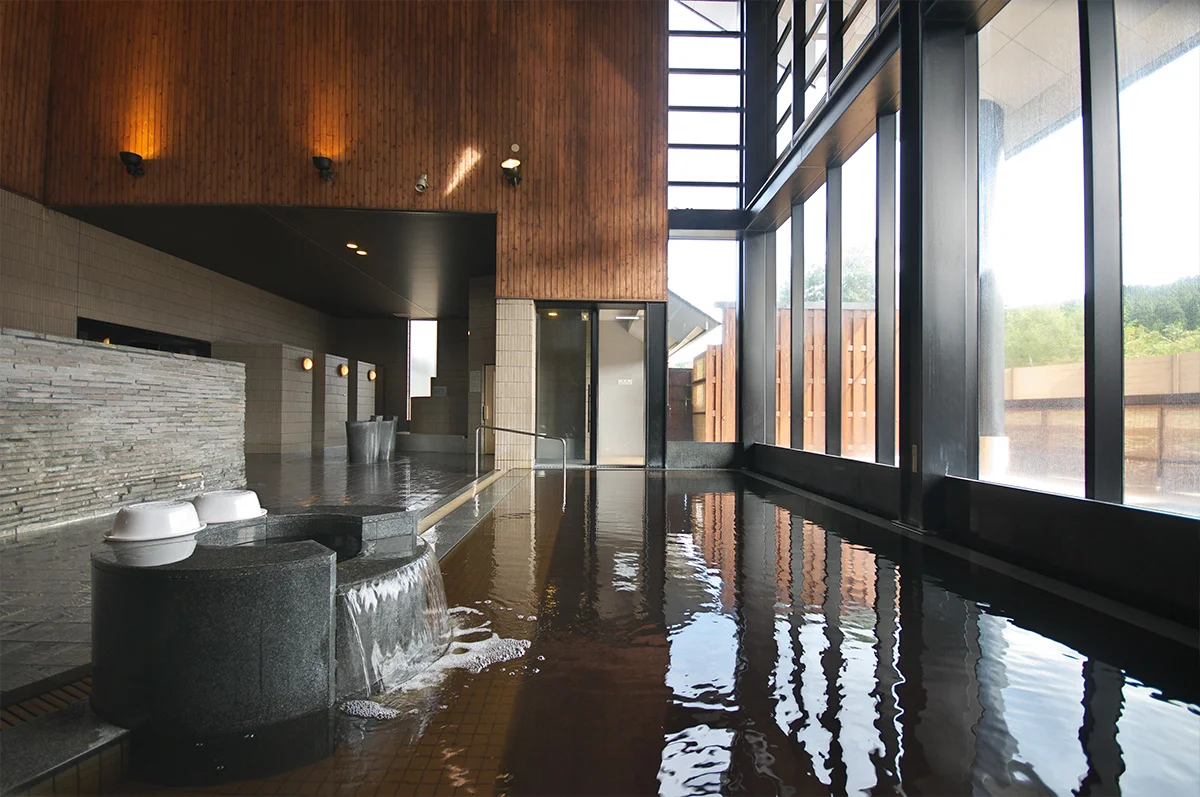
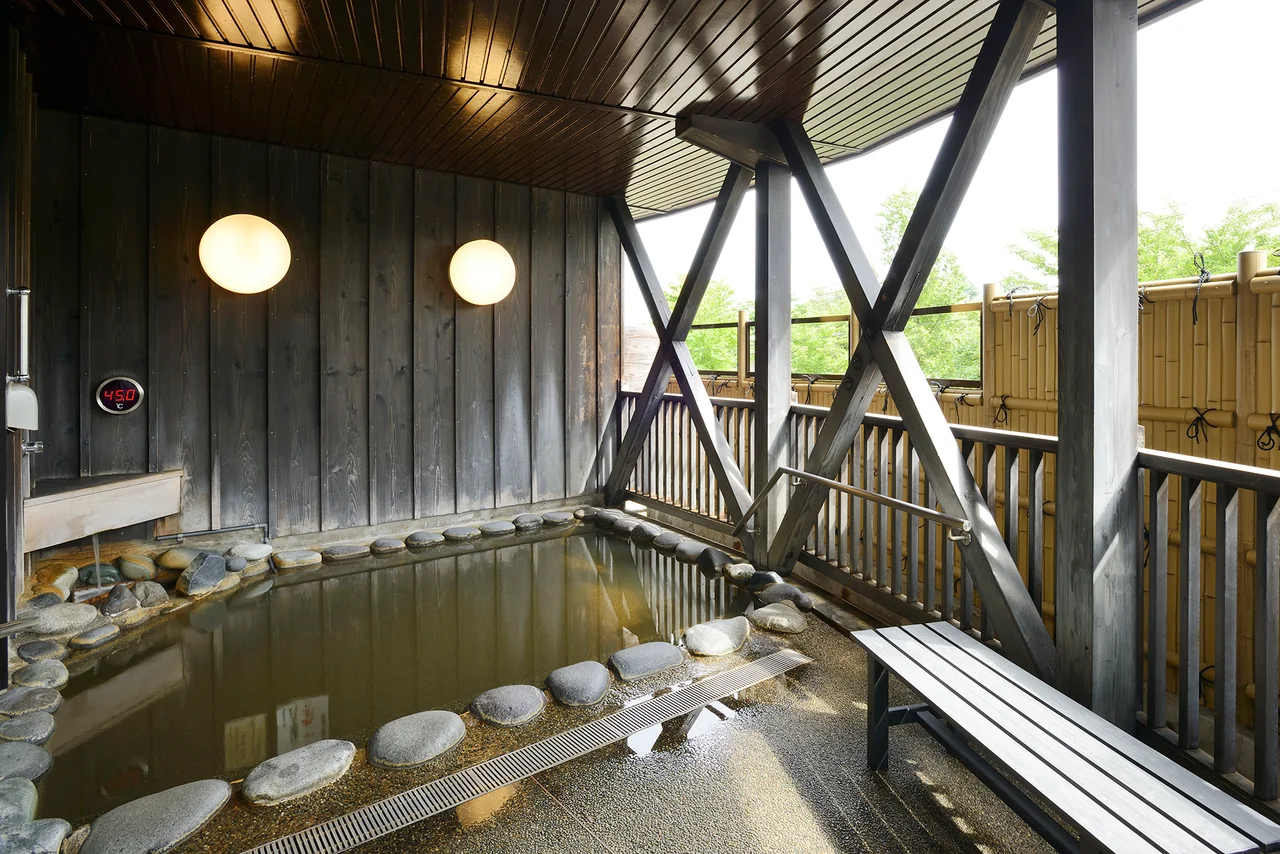
Enjoy brown-tinted spring water without added heating or recirculation. Popular with local residents, it offers cypress baths, baths lined with rounded stones and open-air bathing. The men’s and women’s bathing areas switch weekly, so you may get a different view on a return visit.

Photo: official facility website

Official Information
Mion Nakasato

Mion Nakasato

Tokamachi / Spacious indoor and open-air baths

A day-use hot spring known for its brown-tinted water and spacious bathing areas. Open-air baths and a sauna offer a welcome rest between sightseeing stops. With dining and relaxation spaces too, it is ideal for a leisurely visit.

Photo: official facility website

Official Information
Yukura Tsumari

Yukura Tsumari

Tokamachi / Continuously flowing spring water

A locally loved hot spring beside the Kiyotsu River, with water that is neither reheated nor recirculated. Relax in an open-air bath overlooking the flowing river and the changing mountain-village scenery.

Photo: official facility website

Official Information

Further Afield

Ideas for the next day or the journey home. Driving times are approximate and measured from Satoyama Jujo’s main building.

Ginzan-daira & Oze Jujo

Ginzan-daira & Oze Jujo

Niigata Prefecture / Approximately 1 hr 15 min–1 hr 30 min by car

Head to Ginzan-daira, surrounded by mountains and lakes, and continue your nature-focused journey with a stay at Oze Jujo. Reaching the Oze wetlands requires further transport and walking. Roads close in winter.

Official Information
Myoko Kogen

Myoko Kogen

Niigata Prefecture / Approximately 1 hr 45 min–2 hr by car

Visit Imori Pond, reflecting Mount Myoko, or Naena Falls, where rushing water fills the air. A circuit of Imori Pond takes around 15 minutes, making the highland scenery easy to enjoy. Walk through summer greenery or visit for skiing in winter.

Official Information
Settaya, Nagaoka

Settaya, Nagaoka

Niigata Prefecture / Approximately 1 hr 10 min–1 hr 20 min by car

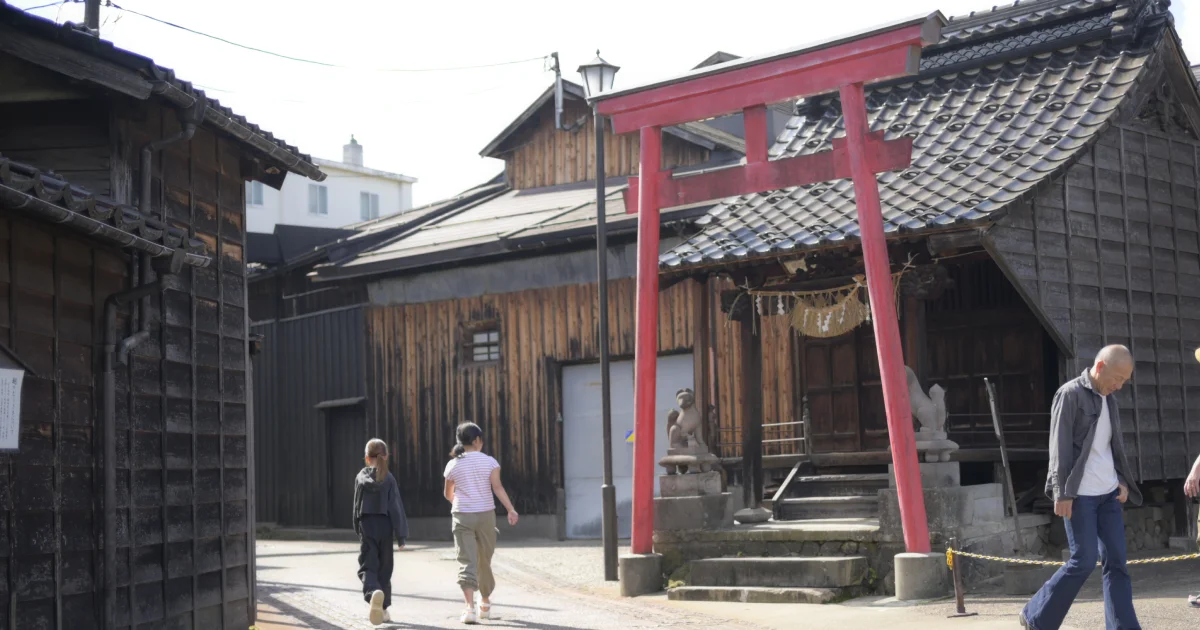
A historic district known for sake, miso and soy-sauce brewing. Explore the traditional buildings, breweries and shops, checking opening days beforehand. Drivers should not take part in alcohol tastings.

Photo: official facility website

Official Information
Furumachi, Central Niigata

Furumachi, Central Niigata

Niigata Prefecture / Approximately 2 hr by car

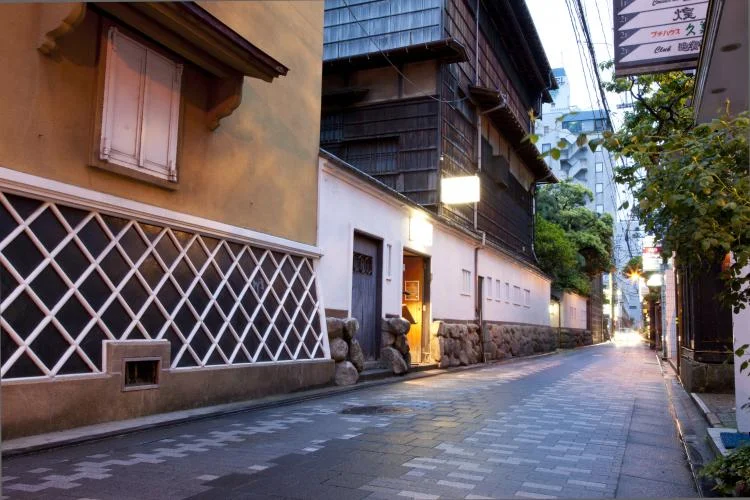
Cross Bandai Bridge and explore Furumachi on foot to discover Niigata’s history as a port city. Sushi restaurants and markets offer a taste of the region. If you’re stopping here before catching a Shinkansen or heading to the airport, plan your visit by working back from your departure time.

Photo: Niigata City Tourism Photo Library

Official Information
Nozawa Onsen

Nozawa Onsen

Toward Nagano / Approximately 1 hr 15 min–1 hr 30 min by car

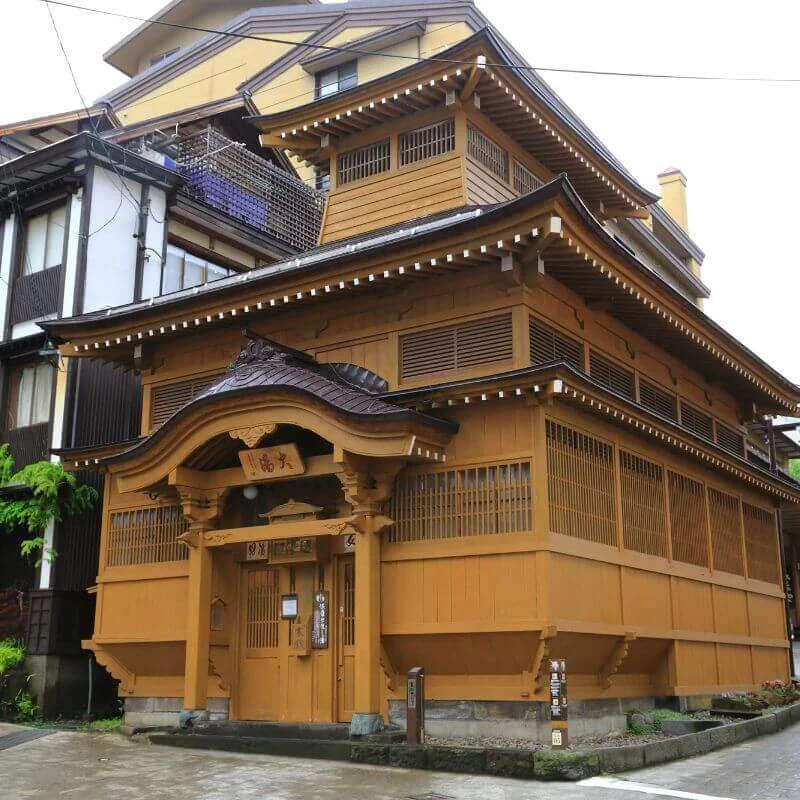
The hot-spring village has 13 public baths with continuously flowing spring water. Explore communal bathhouses maintained by residents, including Oyu with its striking traditional architecture. Do not force yourself into water that feels too hot, and observe bathing etiquette.

Photo courtesy of Nozawa Onsen Tourism Association

Official Information
Jigokudani Snow Monkey Park

Jigokudani Snow Monkey Park

Toward Nagano / Approximately 2 hr by car, plus a 30–35 min walk

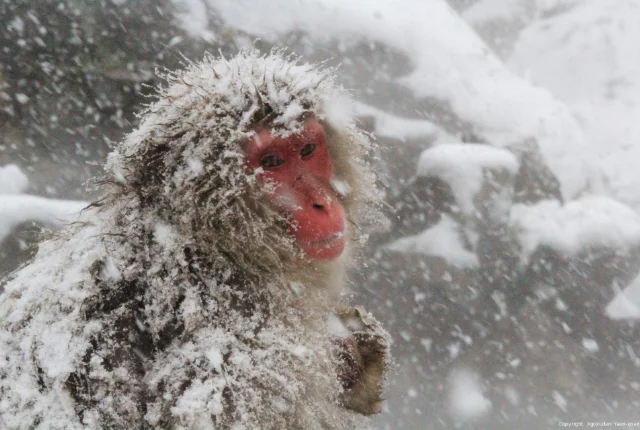
Walk along a forest path from Kanbayashi Onsen to observe wild Japanese macaques. Wear shoes with good grip and bring warm clothing in winter. Do not touch or feed the monkeys; whether they bathe is up to them.

Photo: official facility website

Official Information
Matsumoto & Matsumoto Jujo

Matsumoto & Matsumoto Jujo

Toward Nagano / Approximately 3 hr by car

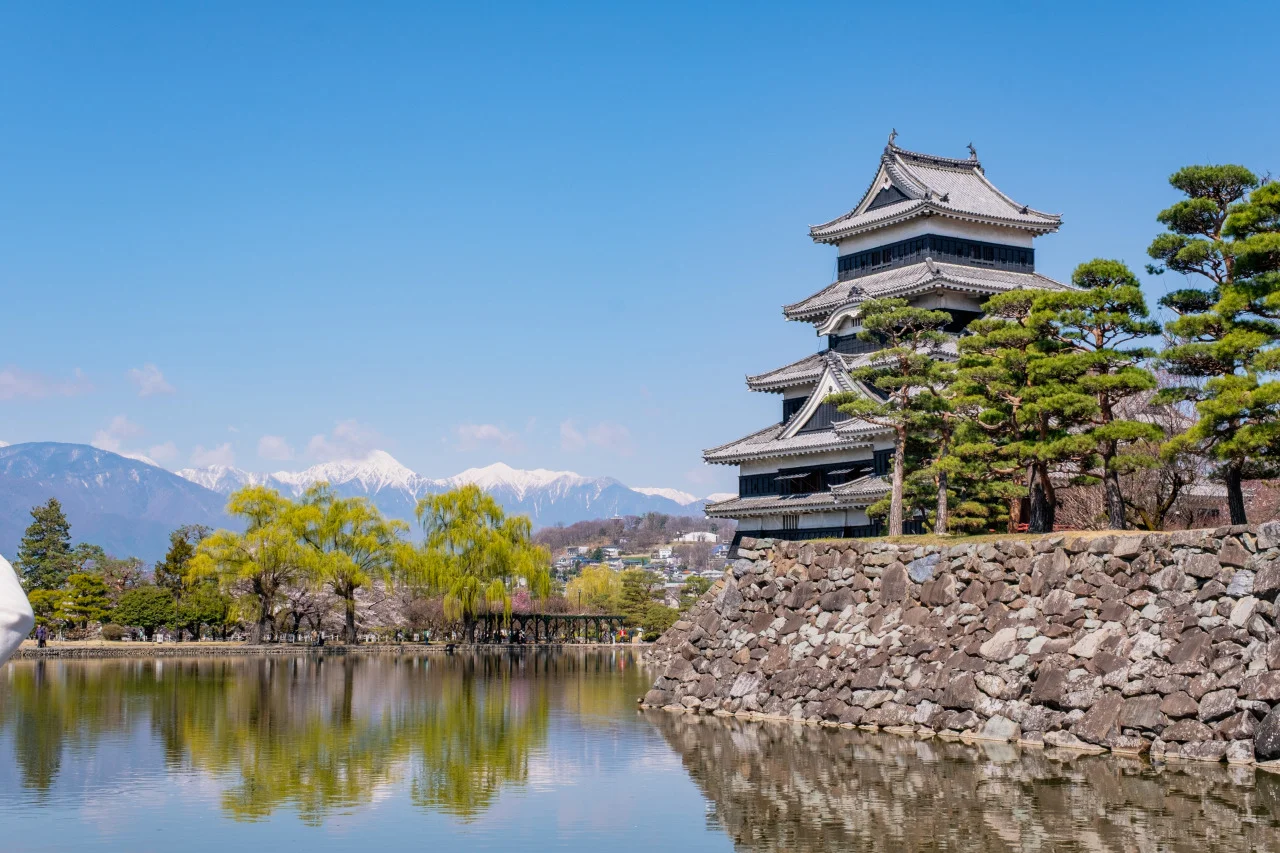
After exploring Matsumoto Castle and its castle town, continue to Matsumoto Jujo in Asama Onsen. Stay to enjoy the hot springs, spend time with a book and take in the architecture. You can also stop here for a night at the foot of the Northern Alps on your way back to Tokyo or Nagoya.

Photo: official Matsumoto tourism website

Official Information
Hakuba

Hakuba

Toward Nagano / Approximately 3 hr by car

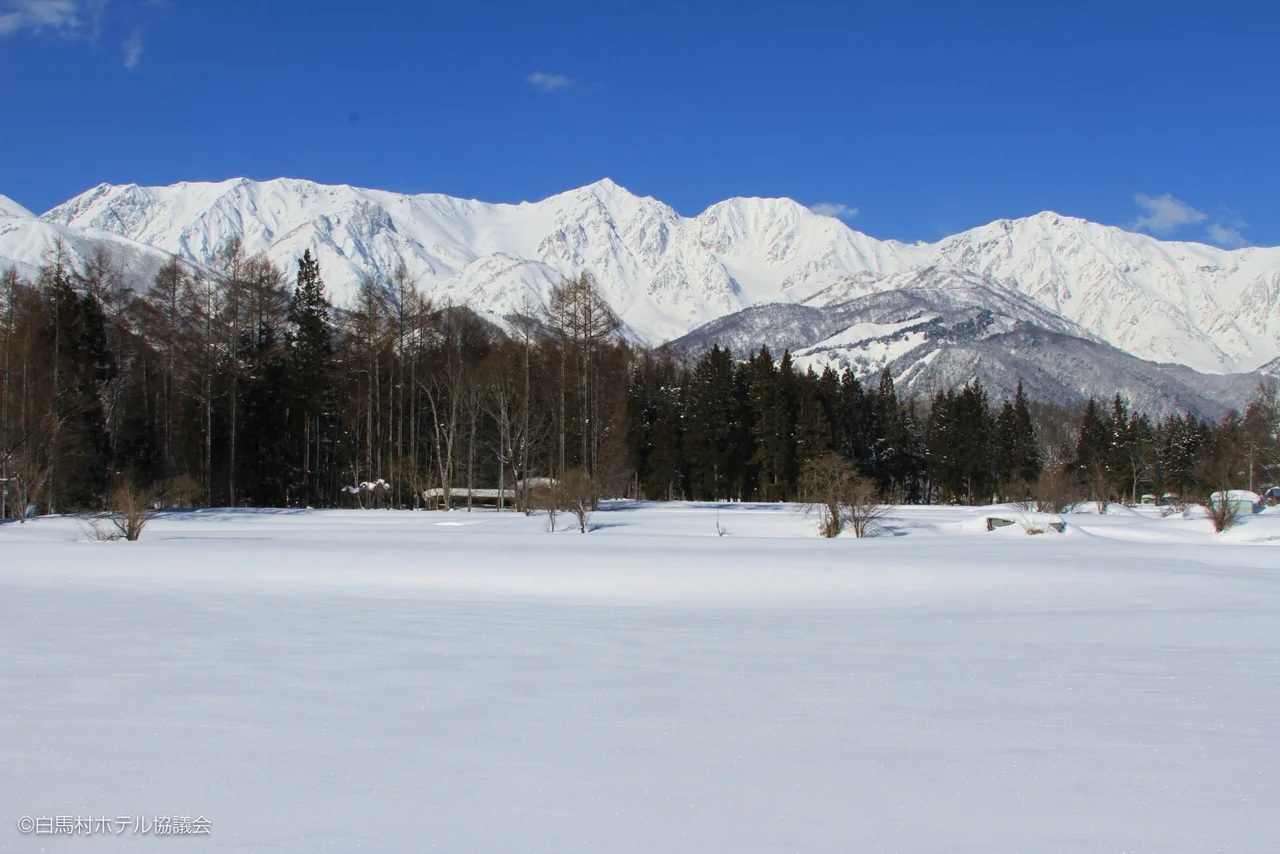
A mountain resort facing the Northern Alps. In summer, ride a gondola for highland walks; in winter, explore its varied ski resorts. Distinguish casual walks from serious mountain hikes, and dress for the altitude and weather at your destination.

Photo courtesy of Hakuba Village Hotel Association

Official Information

Opening days, hours, operating seasons and road conditions may change. Please check the latest official information before setting out. Driving times are estimates from Satoyama Jujo’s main building and include expressway travel where applicable. Allow extra time in winter or when traffic is heavy.

Satoyama journal

Stories through the seasons.
Fresh updates almost every day.

The Comfort of the Beach: A Special Exhibition of the PP225 Flag Halyard Chair
Seasons at Satoyama

The Comfort of the Beach: A Special Exhibition of the PP225 Flag Halyard Chair

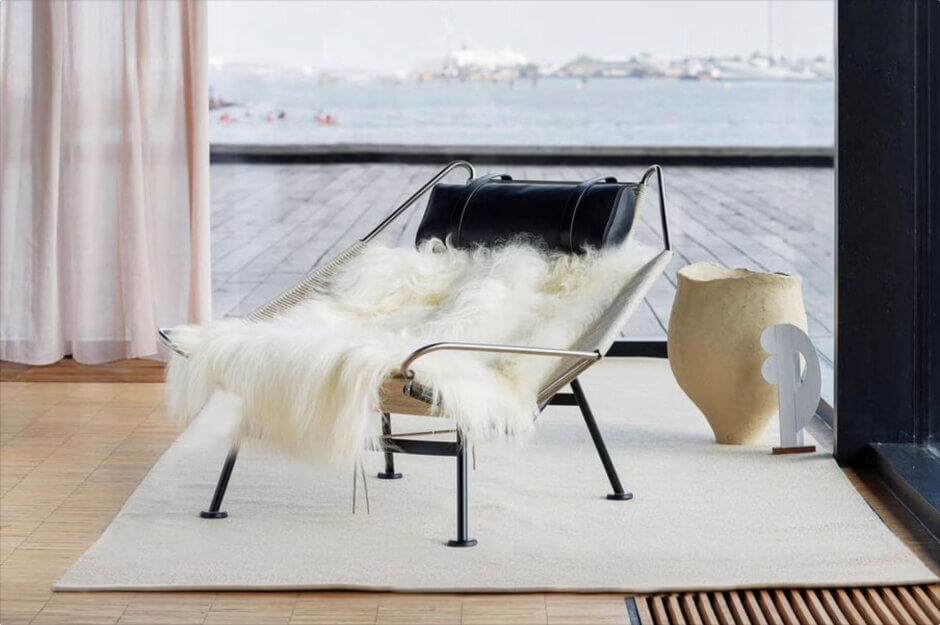
“A chair as comfortable as lying on a sandy beach.” The PP225 began with that very idea. This autumn, Hans J. Wegner’s celebrated PP225 Flag Halyard Chair will be coming to Satoyama Jujo for a limited-time exhibition. Wegner is renowned as a master of wood, known for furniture such as The Chair and the Wishbone Chair, whose forms he skilfully carved from timber. The PP225, however, is rather diffe